
Preparing your hospital bag for your baby’s arrival is an exciting milestone, but packing the wrong essentials can lead to unnecessary stress in the delivery room. If you are considering packing MamyPoko XXL pants, it is vital to understand how diaper sizing aligns with your newborn’s immediate physical needs. While stocking up on baby essentials is a smart way to prepare, bringing toddler-sized pants to the hospital will leave you unprepared for your newborn’s first days of life.
The Short Answer: Why XXL Diapers Do Not Belong in a Newborn Hospital Bag
The straightforward answer is that MamyPoko XXL pants are far too large for a newborn baby and do not belong in your hospital bag. Diaper manufacturers design the XXL size category specifically for older babies and active toddlers who typically weigh 15 kilograms or more. A newborn baby, by contrast, generally weighs between 2.5 and 4.5 kilograms at birth and requires either Newborn (NB) or Small (S) size diapers.
Packing XXL pants for your hospital stay means you will not have any usable diapers when your baby is born. The massive gap between a newborn’s actual size and an XXL diaper will result in immediate, severe leaks and zero skin protection. While MamyPoko is a highly trusted brand in the Philippines, selecting the correct size tier for your baby’s current developmental stage is the most critical factor for hospital readiness.
Products mentioned in this guide
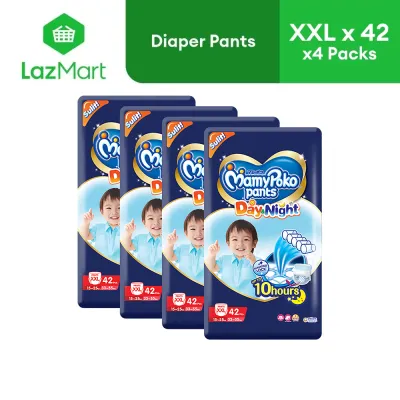
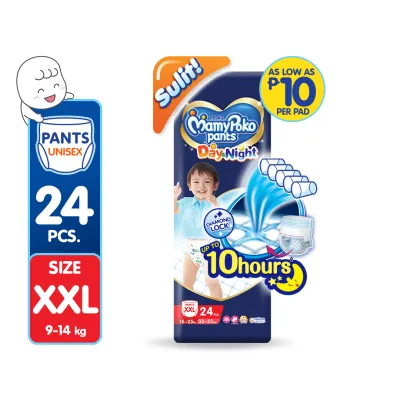

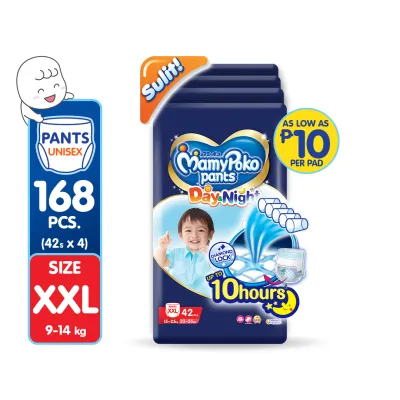
![Mamy Poko [XXL] Day & Night Pants Diaper (24pcs)](https://img.lazcdn.com/g/p/012ed0d9b935c44dd54018867a255099.jpg_400x400q80.jpg_.webp)
Prices are valid at publication and may change. Please refer to the product page for the latest price.
Instead of packing toddler pants, you should focus on acquiring diapers labeled specifically for newborns. These diapers are tailored to fit tiny thighs, protect delicate skin, and accommodate the unique physical characteristics of a child who has just entered the world. Save the larger sizes for much later in your parenting journey.
Understanding Newborn Diaper Needs for Your Hospital Stay
Newborn babies have highly specific physical and physiological needs during their first few days of life, which directly dictate the type of diaper you should use. One of the most critical aspects of newborn care is proper umbilical cord care. After birth, the remaining umbilical cord stump must be kept clean and dry to prevent irritation and lower the risk of infection. Standard toddler pants or poorly fitting diapers can rub against this sensitive area, causing discomfort or delaying the healing process. Many dedicated newborn diapers feature a specialized U-cut waistband or a fold-down front designed specifically to keep the cord stump exposed to the air and free from friction.

Additionally, a newborn’s digestive system operates differently during the first 48 to 72 hours. Your baby will pass meconium, which is a thick, dark green, and highly sticky substance that constitutes their first stool. Cleaning meconium requires frequent diaper changes—often between 8 to 12 times a day—and a diaper with a highly absorbent, textured inner liner that can quickly pull moisture away from the skin.
When comparing diaper styles for the hospital, tape diapers are generally much safer and more practical than pull-up pants. Using tape diapers allows you to change your baby gently without having to lift their fragile legs high, which is especially important when they are only hours old. Tape designs also offer a highly customizable fit, allowing you to adjust the waistband securely around your baby’s tiny, delicate torso. Pull-up pants, even in smaller sizes, lack this adjustability and can be challenging to slide over a newborn’s sensitive legs and hips.
Always consult your attending pediatrician or hospital nurses if you notice any redness, swelling, or unusual discharge around your baby’s umbilical stump. They can provide professional guidance on proper cleaning techniques and diaper placement.
When Should You Actually Stock Up on MamyPoko XXL Pants?
While MamyPoko XXL pants are not suitable for your hospital bag, they are an excellent product to keep in mind for your baby’s future developmental milestones. This specific size is engineered for active toddlers who are crawling, cruising, or walking confidently. At this stage, children are highly mobile, and trying to keep them still for a traditional tape diaper change can become a daily struggle.
The transition from tape diapers to diaper pants typically occurs when your baby starts resisting lying down during changes, which often happens around the eight- to ten-month mark. As your child grows, you will gradually move up through Small, Medium, Large, and Extra Large sizes. You will know it is time to transition to XXL pants when your toddler outgrows the waistband of XL diapers, or when you notice red marks around their waist and thighs, indicating the current size is too tight.
It is highly recommended that you avoid bulk-buying XXL diapers before your baby is born. Every baby grows at a unique pace, and their body proportions—such as thigh circumference and waist width—will change significantly over their first two years. Some babies may remain in smaller sizes for a long time, while others might experience rapid growth spurts that cause them to bypass certain sizes entirely.
To prevent wasting money and storage space, buy diapers in small quantities based on your baby’s actual weight and current physical measurements. You can easily scale up your purchases as your child progresses along their pediatric growth curve.
Choosing the Right Newborn Diapers for Hospitals in the Philippines
Selecting the right diaper for a hospital stay in the Philippines requires careful consideration of the local climate. The tropical heat and high humidity levels can easily trap moisture against a newborn’s highly sensitive skin. To prevent heat rash and painful diaper dermatitis, prioritize diapers that feature highly breathable outer back sheets and a thin, advanced absorbent core. These materials allow warm air and vapor to escape while keeping liquid locked securely inside.
When evaluating newborn diapers, look for features that maximize skin protection and convenience. A reliable wetness indicator—typically a colored line on the outside of the diaper that changes hue when wet—is incredibly helpful for new parents learning to track their baby’s wet diapers. Soft inner linings that mimic the feel of natural cotton help minimize friction against delicate skin, while gentle, elasticized leg cuffs prevent leaks without digging into your baby’s thighs.
Before making a purchase, always read the product packaging carefully to verify its specifications. Check the recommended weight range on the label, which is typically 0 to 5 kilograms for newborn sizes. Look for manufacturer packaging that highlights hypoallergenic properties and dermatological testing, as these indicators suggest the materials are formulated to reduce the risk of allergic reactions.
Remember that brand reputation alone does not guarantee a perfect fit for your specific baby. Always check the manufacturer’s official sizing guides and look for certified seals on the packaging to ensure the product meets your standards for safety and quality.
Essential Diaper Packing Checklist for Your Hospital Stay
To avoid overpacking while ensuring you have everything necessary for a smooth hospital stay, it is helpful to follow a structured checklist. A standard hospital stay for an uncomplicated delivery typically lasts between two to three days, though this can vary based on medical recommendations.
For a standard stay, you should pack approximately 15 to 20 newborn-sized tape diapers. This quantity accounts for the frequent changes required during the first few days and provides a comfortable buffer in case your discharge is delayed.
Alongside your diapers, pack these complementary newborn care essentials:
- Water-based baby wipes: Choose wipes that are fragrance-free and alcohol-free, or pack sterile cotton balls and a small container for warm water to clean your baby's skin gently.
- Gentle diaper rash cream: A barrier cream recommended by your pediatrician can help protect your baby's skin from the irritating effects of meconium.
- Disposable changing pads: These pads protect the hospital bassinet or bed linens during quick diaper changes.
To keep your hospital bag organized, store all diapering essentials in a dedicated, easily accessible pouch or packing cube. This organization makes it simple for you or your partner to locate a fresh diaper and wipes quickly, especially during late-night changes in a dimly lit hospital room.
Frequently Asked Questions (FAQ)
Can I use diaper pants for a newborn in the hospital?
While some diaper brands offer pants in smaller sizes, pediatricians and newborn care specialists generally recommend using tape diapers for the first few weeks of life. Tape diapers are much easier to put on and remove without pulling material over your baby’s delicate legs, which is highly beneficial when cleaning sticky meconium. Additionally, tape diapers allow you to adjust the waistband easily to avoid covering or irritating the healing umbilical cord stump. Pants do not offer this level of customizable fit and can put unnecessary pressure on a newborn’s sensitive abdomen.
How do I know if my baby needs NB or Size S diapers?
To determine whether to pack Newborn (NB) or Size Small (S) diapers, consult your obstetrician’s estimated fetal weight from your final prenatal ultrasound. Newborn diapers are generally designed for babies weighing up to 5 kilograms, while Size Small diapers typically accommodate babies weighing between 4 and 8 kilograms. If your medical team estimates that your baby will be larger than average at birth, it is wise to pack a small travel pack of both NB and Size S diapers. This ensures you have a secure, leak-free fit ready in the hospital, regardless of your baby’s actual birth weight.
Community discussion
Share your experience or ask a question. Comments are reviewed before publication.