
Quick Answer: Are Malunggay Capsules Safe for Expecting Mothers?
When you are expecting, every dietary choice and supplement option undergoes intense scrutiny. Malunggay (Moringa oleifera) is a staple of Filipino culinary and wellness traditions, celebrated for its exceptional nutritional density. While incorporating fresh malunggay leaves into your daily meals, such as a comforting bowl of tinola, is generally considered safe and highly beneficial, concentrated supplements like the tiny buds malunggay capsule introduce entirely different clinical variables.
Currently, there is no universal clinical consensus regarding the safety of high-dose, concentrated moringa extracts for pregnant women. Because supplements deliver a far more potent dose of active compounds than whole foods, they can affect your body in ways a simple vegetable side dish cannot. Therefore, the safest course of action is clear: you should never start, continue, or combine any concentrated malunggay supplement with your prenatal regimen without the explicit guidance and approval of your OB-GYN or a qualified healthcare provider.
Dietary Malunggay vs. Concentrated Capsules: Understanding the Risks
Understanding the distinction between dietary malunggay and concentrated capsules is vital for maternal safety. When you consume fresh leaves cooked in a soup, the plant fibers, water content, and cooking process naturally limit the volume of active compounds your body absorbs. This traditional dietary consumption has a long history of safe use among pregnant women in the Philippines, providing essential vitamins and minerals in gentle, food-bound forms.
Products mentioned in this guide
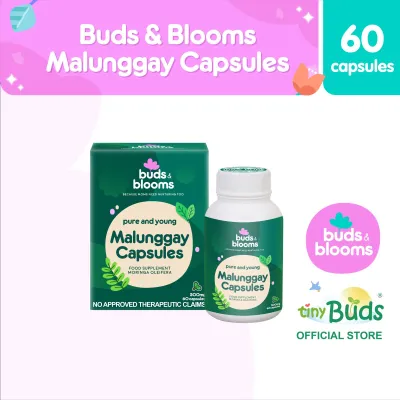



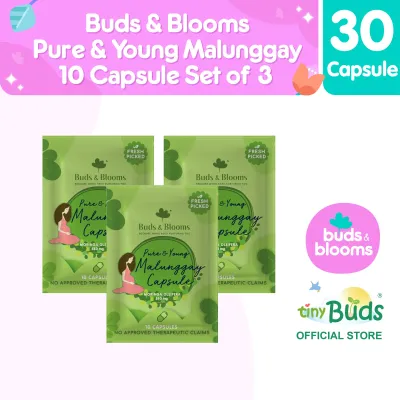
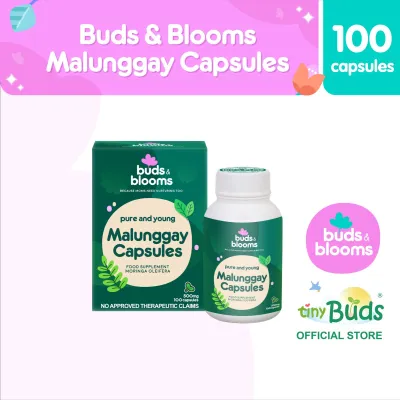
Prices are valid at publication and may change. Please refer to the product page for the latest price.

In contrast, a standardized capsule extract is manufactured to isolate and concentrate the plant’s active constituents. A single capsule can deliver a payload equivalent to multiple cups of fresh leaves, drastically increasing the physiological impact on your body. Furthermore, while the leaves of the moringa tree are highly nutritious, other anatomical parts of the plant—specifically the roots, bark, and flowers—contain chemicals like moringinine and spirochin. These specific compounds are known to act as uterine stimulants, which can trigger contractions and potentially increase the risk of miscarriage or early labor.
This structural difference creates a significant safety challenge with commercial supplements. Unless a manufacturer provides absolute transparency and guarantees that their capsules contain 100% purified, young leaf extract with zero contamination from other plant parts, the risk of consuming contraindicated compounds remains. It is a common misconception that “natural” or “herbal” labels automatically translate to “pregnancy-safe.” In concentrated forms, herbal extracts behave much like active pharmaceutical agents, requiring strict caution and professional oversight.
How to Evaluate Tiny Buds Malunggay Capsules for Prenatal Use
If you are considering the tiny buds malunggay capsule or any similar herbal supplement, you must approach the product with a critical, analytical mindset. Evaluating the label and regulatory status of the product is an essential step before presenting it to your doctor.
Ingredient Transparency Your first step is to carefully examine the supplement facts panel on the packaging. Look for a detailed breakdown of what is inside each capsule. You want to verify that the product consists solely of pure moringa leaf powder or leaf extract. Be on the lookout for any proprietary herbal blends, added stimulants, preservatives, or synthetic fillers. Some multi-ingredient supplements contain hidden herbs that are strictly contraindicated during pregnancy, making ingredient transparency your first line of defense.
Dosage Verification Next, evaluate the exact milligram dosage of the capsule. Moringa is naturally packed with potent levels of iron, calcium, vitamin A, and vitamin C. While these nutrients are vital for fetal development, they are already heavily represented in your daily prenatal vitamins. Consuming high-dose capsules alongside your prescribed prenatals can easily lead to over-supplementation. For example, excessive intake of fat-soluble vitamin A can have teratogenic effects, while too much iron can cause severe gastrointestinal distress and impair the absorption of other critical minerals.
Regulatory Check In the Philippines, all legitimate health supplements should be registered with the Food and Drug Administration (FDA). Before purchasing or consuming any malunggay capsule, visit the official FDA verification portal to confirm the product’s registration status. This step ensures that the manufacturer complies with basic good manufacturing practices, minimizing the risk of heavy metal contamination, microbial pathogens, or undeclared pharmaceutical adulterants that could harm your developing baby.
Manufacturer Warnings Always read the fine print on the product label for specific precautionary statements. Responsible manufacturers will include clear warnings on their packaging, such as “consult a physician before use if pregnant or lactating” or “not formulated for prenatal use.” If a product lacks clear usage guidelines or fails to provide contact information for consumer inquiries, it is best to err on the side of caution and avoid it entirely.
Potential Side Effects and Warning Signs During Pregnancy
Introducing any new supplement during pregnancy carries the risk of side effects, some of which can mimic or exacerbate common gestational discomforts.
Gastrointestinal Issues Moringa is highly fibrous and contains active plant compounds that can stimulate the digestive tract. Pregnant women often experience sensitive stomachs due to hormonal shifts, making them more susceptible to mild side effects like nausea, acid reflux, stomach cramps, or diarrhea. Taking concentrated capsules on an empty stomach can intensify these symptoms, potentially leading to dehydration if diarrhea becomes persistent.
Blood Pressure and Blood Sugar Fluctuations Clinical observations indicate that moringa leaves possess natural hypotensive (blood pressure-lowering) and hypoglycemic (blood sugar-lowering) properties. While these traits are highly beneficial for managing metabolic health in non-pregnant individuals, they can introduce complications during pregnancy. Your cardiovascular system undergoes massive changes to support the fetus, and unexpected drops in blood pressure can cause dizziness or fainting. Furthermore, if you are managing gestational diabetes or pregnancy-induced hypertension, moringa can interact unpredictably with your prescribed medications, leading to dangerous drops in blood sugar or blood pressure.
Red Flag Symptoms You must monitor your body closely for any adverse reactions. Stop taking the supplement immediately and seek emergency medical care if you experience red-flag symptoms such as pelvic pressure, lower back pain, uterine cramping, vaginal spotting, bleeding, severe dizziness, or signs of an allergic reaction like hives, facial swelling, or difficulty breathing. Never ignore these warning signs, as they require prompt clinical evaluation.
A Checklist for Discussing Supplements with Your OB-GYN
Your OB-GYN is your ultimate partner in navigating prenatal nutrition safely. To make the most of your next prenatal consultation, use this practical checklist to guide your conversation.
Bring the Product Do not rely on memory or a generic description. Bring the physical bottle of the tiny buds malunggay capsule to your clinic appointment, or take clear, high-resolution photographs of the front label and the complete supplement facts panel. This allows your doctor to inspect the exact formulation, dosage, and manufacturing details firsthand.
Review Current Prenatals Lay out all the medications, vitamins, and minerals you currently take. Your OB-GYN will calculate your total daily intake of key nutrients to ensure that adding a malunggay capsule will not push you past the tolerable upper intake levels for vitamins and minerals, preserving a delicate nutritional balance.
Personal Health History Discuss how the supplement interacts with your unique medical profile. If you have a history of thyroid imbalances, blood clotting disorders, gestational diabetes, or low blood pressure, share these details. Moringa can influence thyroid hormone conversion and blood glucose levels, making your personal health history a critical factor in your doctor’s decision.
Establish a Monitoring Plan If your healthcare provider conditionally approves the use of the supplement, establish a clear monitoring protocol. Ask your doctor what specific parameters you should track, how often you should monitor your blood pressure or blood sugar, and at what point you should discontinue the supplement. Having a structured plan ensures that any physiological changes are caught and addressed early.
Frequently Asked Questions (FAQ)
Can I take malunggay capsules to boost milk supply while breastfeeding?
Yes, malunggay is a highly regarded galactagogue traditionally used in the Philippines to support breast milk production postpartum. While dietary consumption of malunggay leaves in soups is highly encouraged, concentrated capsules should still be evaluated carefully. Your postpartum body and your newborn infant are both highly sensitive to maternal dietary changes. Before starting any concentrated malunggay supplement to boost your milk supply, consult your pediatrician or a certified lactation consultant to ensure the dosage is safe and appropriate for your lactation journey.
Does malunggay interact with iron or calcium prenatal vitamins?
Yes, malunggay leaves naturally contain phytates, oxalates, and dietary fibers, which can bind to essential minerals in your digestive tract and inhibit their absorption. If you take malunggay capsules at the exact same time as your iron or calcium prenatal supplements, you may inadvertently reduce the bioavailability of these crucial prenatal nutrients. To maximize absorption, ask your healthcare provider about spacing out your supplements, such as taking your prenatal vitamins in the morning and any approved herbal supplements several hours later.
Community discussion
Share your experience or ask a question. Comments are reviewed before publication.