
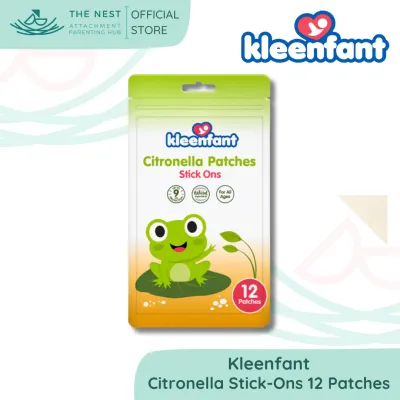
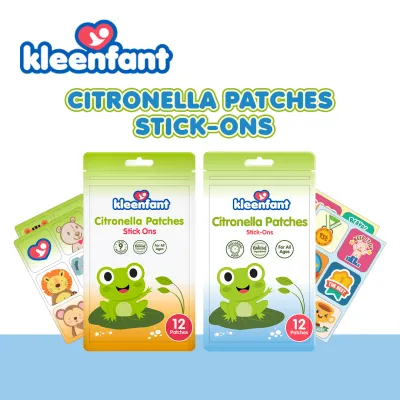
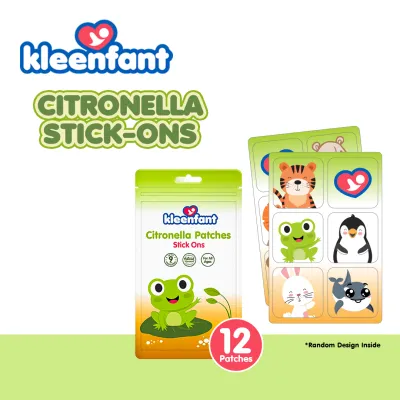
Are you wondering if kleenfant citronella patches are safe for your baby? The safety of these plant-based patches depends heavily on your child’s age, individual skin sensitivity, and how you apply them. While citronella is a natural plant extract, “natural” does not automatically mean a product is free from risks for developing infants. To protect your child, you must always check the manufacturer’s specific minimum age recommendations, active ingredient concentrations, and warning labels printed on the packaging before use.
Potential Skin and Respiratory Risks for Babies
Skin Sensitivity and Allergic Reactions: Even though patches are designed to be stuck on clothing rather than directly on the skin, accidental direct contact can still happen. Babies have incredibly thin, delicate skin barriers that absorb external substances much more easily than adult skin. If a baby touches a patch and then rubs their eyes, or if a patch accidentally shifts and presses against their bare skin during a nap, it can trigger contact dermatitis. Sweat can also cause the active ingredients to bleed through thin clothing fabrics, leading to localized redness, itching, or hives. Parents must monitor the application site closely to ensure no oils have seeped through the fabric to irritate the skin underneath.
Respiratory Irritation: The respiratory systems of infants and toddlers are still developing and are highly sensitive to strong scents. Highly concentrated essential oils, including citronella, emit strong, volatile organic compounds that can easily irritate a baby’s sensitive airway. If a patch is placed too close to a baby’s face—such as on their collar, shoulder, or front chest area—the intense scent can cause immediate airway irritation. This risk increases significantly in poorly ventilated indoor spaces, such as closed bedrooms, air-conditioned nurseries, or vehicles, where the aromatic vapors can accumulate quickly and trigger coughing or breathing discomfort.
Products mentioned in this guide
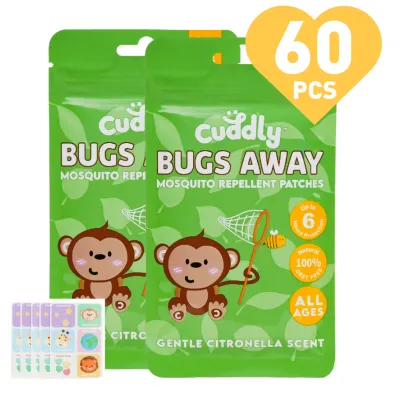
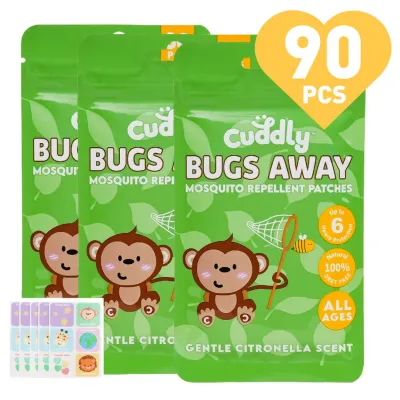
Prices are valid at publication and may change. Please refer to the product page for the latest price.
Ingestion and Choking Hazards: Beyond chemical irritation, physical design presents a major safety hazard for curious babies and toddlers. Infants explore their environment by grabbing objects and putting them in their mouths. A colorful, sticker-like patch on a shirt is highly appealing to a baby who has recently discovered how to use their fingers. If a baby peels the patch off, they run the risk of swallowing it, which can cause choking. Furthermore, mouthing the patch allows concentrated citronella oil to enter their digestive tract, potentially causing severe oral irritation, chemical burns, or systemic toxicity.
Checking Age Limits and Manufacturer Guidelines
Verifying Minimum Age Limits: Before buying or applying kleenfant citronella patches, locate the manufacturer’s packaging to verify the recommended minimum age. Many pediatric and clinical aromatherapy guidelines recommend avoiding any direct exposure to concentrated essential oils for newborns and infants under six months of age. Because their metabolic and respiratory systems are highly immature, young infants are far more vulnerable to the adverse effects of strong aromatic compounds. Never assume a product is safe for a newborn simply because it is marketed for babies.

Understanding Ingredient Transparency: Not all mosquito patches are formulated equally. When evaluating a product, look closely at the ingredient list to determine the exact concentration of citronella oil. High concentrations are more likely to cause respiratory or skin reactions. Additionally, verify whether the patches contain synthetic fragrances, chemical solvents, or carrier oils that might trigger sensitivities. If a brand does not clearly disclose its full ingredient list, proceed with extreme caution and consider alternative protection methods.
When to Consult a Pediatrician: If your child has a history of sensitive skin, eczema, or respiratory conditions like asthma or reactive airway disease, do not use aromatic patches without professional guidance. Strong scents can trigger sudden bronchospasms or worsen existing skin inflammation. Always consult your pediatrician in the Philippines to discuss whether citronella patches are appropriate for your child’s specific health profile before introducing them to your daily routine.
How to Apply Citronella Patches Safely
Correct Placement: If you decide to use kleenfant citronella patches, correct placement is critical to minimizing risks. Never apply the patch directly to your baby’s skin. Instead, stick it firmly onto clothing, the outer fabric of a stroller, or the exterior frame of a crib. To prevent your child from pulling the patch off, place it entirely out of their line of sight and reach—such as on the upper back of their shirt or on the underside of a stroller canopy.
Ventilation and Spacing: Citronella patches rely on evaporating oils to create a localized scent barrier. To keep these vapors from becoming overwhelming, only use the patches in well-ventilated settings. Avoid using them inside small, enclosed environments like a tightly closed car, a small nursery with shut windows, or under a heavy stroller cover. Ensuring proper airflow helps disperse excess vapors, protecting your baby’s lungs from irritation while still deterring insects.
Monitoring for Adverse Reactions: Caregivers must remain highly vigilant whenever a baby is wearing an essential oil patch. Watch closely for any signs of physical distress or intolerance, including coughing, frequent sneezing, watery or red eyes, sudden fussiness, or localized skin redness near the patch. If you observe any of these symptoms, immediately peel off the patch and move your baby to a fresh-air environment. If there was any accidental skin contact, wash the area thoroughly with mild baby soap and cool water, and consult a doctor if the irritation persists.
Reliable Mosquito Protection for Babies in the Philippines
Physical Barriers: In the tropical climate of the Philippines, where mosquito-borne diseases like dengue are a constant concern, relying solely on patches is rarely sufficient. Physical barriers provide the safest and most reliable defense for young infants. Use fine-mesh mosquito nets designed to fit securely over cribs, playpens, and strollers. When going outdoors, dress your baby in loose, light-colored, breathable, long-sleeved shirts and long pants to cover as much skin as possible without causing overheating.
Environmental Control: Managing your immediate environment is a highly effective way to reduce mosquito exposure around your home. Regularly inspect your surroundings and eliminate any standing water in flower pots, gutters, or buckets where mosquitoes breed. Install secure screens on all windows and doors, and keep them closed during peak mosquito feeding hours, which typically occur around dawn and dusk.
Context on Chemical Repellents: For older babies and toddlers, pediatricians may recommend specific, clinically tested topical repellents containing low concentrations of DEET or Picaridin, especially when traveling to high-risk dengue areas. However, these products have strict minimum age limits—often starting at six months or two years depending on the active ingredient. Always consult local health department guidelines and your pediatrician before applying any chemical repellent to your child’s skin.
Frequently Asked Questions (FAQ)
Can I put a citronella patch directly on my baby's skin?
No, you should never apply a citronella patch directly to your baby’s skin. The concentrated essential oils in the patch can cause chemical irritation, redness, or allergic contact dermatitis on sensitive infant skin. Always stick the patch onto clothing, strollers, or gear, ensuring it does not touch the skin directly.
How long does the scent of a Kleenfant patch last?
The active duration of a Kleenfant patch depends on the manufacturer’s specific formulation, which is detailed on the product packaging. In the hot, humid tropical climate of the Philippines, the volatile oils may evaporate more quickly than indicated. High humidity, wind, sweating, or getting the patch wet can significantly reduce its effective duration.
Are citronella patches effective against dengue-carrying mosquitoes?
While citronella can temporarily deter some mosquito species, it does not provide a guaranteed or highly reliable shield against Aedes aegypti, the primary vector for dengue. Because citronella evaporates quickly and only protects a very localized area, it should never be used as the sole line of defense in dengue-endemic regions. Combine patches with physical barriers like mosquito nets and protective clothing for optimal safety.
Community discussion
Share your experience or ask a question. Comments are reviewed before publication.