
The Short Answer on Inclined Baby Sleeper Safety
When shopping for nursery furniture in the Philippines, parents often encounter inclined baby sleepers marketed as cozy solutions for infant reflux, colic, or general fussiness. However, major pediatric associations and global consumer safety organizations advise against using any inclined bed for baby sleep. These products do not provide a safe sleep environment for unsupervised infants.
The core risk of an inclined sleeper lies in its design. When a baby is placed on an incline greater than 10 degrees, their head is elevated, which can cause their relatively heavy head to tilt forward onto their chest. This chin-to-chest position can easily compress their soft, developing airway, leading to silent suffocation. For safe, unsupervised sleep, a flat, firm surface remains the universally recommended gold standard.
Key Safety Risks Associated with Inclined Beds for Babies
Understanding the physical and physiological vulnerabilities of infants helps clarify why inclined beds pose such significant hazards. Unlike older children or adults, babies have unique anatomical traits that require specific sleep conditions to keep them safe.
Products mentioned in this guide
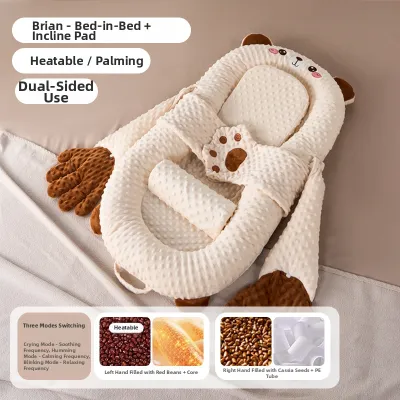
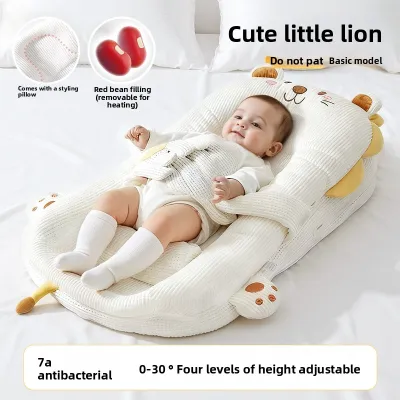
Prices are valid at publication and may change. Please refer to the product page for the latest price.

Positional Asphyxiation An infant’s neck muscles are weak and still developing during the first few months of life. If a baby is placed on an incline, gravity naturally pulls their heavy head forward. Because they lack the muscle strength to lift their head back up, their chin can press firmly against their chest. This position restricts the trachea, cutting off oxygen. Because positional asphyxiation is silent and does not cause the baby to gasp or struggle, a sleeping baby can suffocate without waking up or alerting nearby parents.
Rolling and Entrapment Many inclined sleepers feature plush fabrics, memory foam padding, or raised side walls designed to mimic a cradling sensation. In the warm, humid climate of the Philippines, these dense materials can trap body heat, leading to sweating and discomfort. More dangerously, these soft surfaces pose a severe suffocation risk. If a baby attempts to turn their head or roll slightly to the side, their nose and mouth can become pressed against the soft fabric, blocking their breathing. Once a baby begins to develop the ability to roll, the inclined angle can actually cause them to roll over more easily into a face-down position from which they cannot escape.
Strangulation Hazards To prevent babies from sliding down or slumping over, many manufacturers equip inclined sleepers with built-in safety straps or multi-point harnesses. While these restraints are essential for high chairs or strollers where the baby is awake and active, they introduce severe hazards in a sleeping environment. If a baby shifts, wiggles, or attempts to roll while buckled into a sleeper, they can become entangled in the straps. This creates a high risk of strangulation or chest compression, making any sleeping device that requires a harness a major safety concern.
What to Check Before Buying an Inclined Sleeper
While safety experts agree that inclined surfaces are unsafe for sleep, some parents still choose to purchase them for supervised, awake lounging. If you are considering buying an inclined product for your nursery, you must evaluate it with extreme caution. Use this practical checklist to inspect product claims, labels, and physical designs before spending your hard-earned pesos (₱).
Manufacturer Specifications Before purchasing, locate the physical product label or consult the official user manual. Verify the manufacturer’s stated age, weight, and developmental limits. Never rely solely on the product name or online marketplace descriptions, which may use vague terms like “newborn lounger” without specifying safety limits. If a product does not clearly state its maximum weight capacity or developmental milestones, do not buy it.
Angle and Surface Firmness Inspect the physical design of the sleeper. If you plan to use it for awake lounging, ensure the incline is gentle and the surface is exceptionally firm. Test the mattress or cushion by pressing your hand into it; if your hand leaves a deep impression or if the surface feels plush and pillowy, it is unsafe. In the Philippines, where high humidity can encourage the growth of mold and dust mites, look for firm, breathable materials that are easy to remove and wash.
Restraint Systems Look closely at how the product secures the baby. If the manufacturer instructions state that the baby must be buckled into a harness to prevent sliding or falling, this is a clear indicator that the product is not designed for sleep. A safe sleep space, such as a crib or bassinet, should never require straps to keep a baby in place. If you purchase a strapped lounger, commit to using it only when your baby is fully awake and under direct, continuous supervision.
Safety Certifications Do not be swayed by marketing buzzwords like “pediatrician recommended,” “orthopedic,” or “clinically proven.” These terms are often unregulated and do not guarantee safety. Instead, look for verifiable safety standard marks on the packaging, such as ASTM International or European safety certifications. Take the extra step to verify these certifications on the manufacturer’s official website, especially when shopping on online marketplaces where counterfeit or uncertified baby products are common.
Safer Sleep Alternatives for Infants
Creating a safe sleep environment does not require expensive or complex gear. By sticking to simple, evidence-based practices, you can significantly reduce sleep-related risks and ensure your baby rests comfortably.
Flat and Firm Surfaces The safest sleep environment for an infant is a standard crib, bassinet, or play yard with a firm, flat mattress. The mattress should fit tightly within the frame, leaving no gaps along the sides where a baby’s head could become trapped. Cover the mattress with a single, tightly fitted sheet. Keep the sleep space completely empty—free of pillows, blankets, bolsters, stuffed toys, and bumper pads.
Managing Reflux Safely It is common for parents in the Philippines to seek out inclined beds to help manage infant acid reflux or frequent spitting up. However, clinical guidelines emphasize that flat sleep remains the safest option, even for babies with reflux. To manage reflux safely, keep your baby upright in your arms for 20 to 30 minutes after each feeding before placing them down flat to sleep. Ensure they burp thoroughly during and after feedings. If your baby experiences severe spitting up, discomfort, or poor weight gain, consult a licensed pediatrician to discuss safe, professional medical management.
Sleep Sacks vs. Loose Bedding In many Philippine households, air conditioning or electric fans are kept on throughout the night to combat the tropical heat. While you want to keep your baby comfortable, loose blankets pose a serious suffocation risk if they pull them over their face. Instead of blankets, use a lightweight, breathable cotton sleep sack or wearable blanket. This keeps your baby warm and secure while keeping their face and airway completely clear.
When to Stop Using an Inclined Lounger or Sleeper
If you choose to use an inclined lounger or sleeper for supervised, awake lounging, you must know exactly when it is time to retire the product. Monitoring your baby’s physical development is crucial to preventing accidents.
Developmental Milestones The most critical boundary for discontinuing the use of any inclined lounger is when your baby shows the first signs of attempting to roll over. This milestone can occur as early as two months of age. Once a baby can roll, they can easily turn themselves face-down into the fabric sides of a lounger, leading to immediate suffocation. You must also stop using the product immediately if your baby can push up on their hands and knees, sit up, or grasp the sides to pull themselves up.
Weight and Size Limits Regularly check your baby’s weight and length against the manufacturer’s maximum limits. As babies grow, their center of gravity shifts, making inclined products unstable. If your baby’s head is within a few centimeters of the top edge, or if their feet hang over the bottom, they have outgrown the product and it is no longer safe to use, even under direct supervision.
Transitioning to a Crib Transitioning your baby to a standard, flat crib mattress early on helps establish healthy sleep habits. If your baby has grown accustomed to lounging on an incline, they may resist sleeping on a flat surface at first. To ease the transition, maintain a consistent bedtime routine, ensure the room is cool and dark, and place them down awake but drowsy. Consistency and patience will help your baby adapt to a safer, flat sleep environment.
Frequently Asked Questions (FAQ)
Can I use an inclined sleeper for supervised naps while the baby is awake?
No. Even under direct supervision, allowing a baby to nap on an inclined surface is unsafe. Positional asphyxiation can happen silently and rapidly without any outward signs of distress, such as crying or struggling. A parent watching a sleeping baby might assume they are resting peacefully when, in reality, their airway is restricted. If your baby falls asleep in an inclined lounger or sleeper, immediately transfer them to a flat, firm surface like a crib or bassinet to ensure their airway remains fully open.
Are inclined sleepers safe for babies with acid reflux?
No, inclined sleepers are not safe for babies with acid reflux. While elevating a baby’s head might seem like a practical way to prevent spit-up, safety organizations and pediatricians warn that the risk of airway obstruction on an incline far outweighs any potential reflux relief. Safe management of infant reflux includes keeping the baby upright for 20 to 30 minutes after feeding, burping them frequently, and consulting a licensed pediatrician in the Philippines for safe, professional guidance.
What should I do if I already own an inclined baby sleeper?
If you already own an inclined baby sleeper, stop using it for sleep or unsupervised naps immediately. You can repurpose it strictly for supervised, awake play or tummy time, provided you remain within arm’s reach at all times. Alternatively, check the manufacturer’s official website or local e-commerce platforms for active product recalls. Many global brands have issued recalls for inclined sleep products, and you may be eligible for a refund, voucher, or replacement kit.
Community discussion
Share your experience or ask a question. Comments are reviewed before publication.