
Hoppi newborn diapers can be a highly practical addition to your hospital bag, provided you verify that their specific sizing, material certifications, and design features align with your baby’s expected birth weight and skin sensitivity. Preparing for a newborn’s arrival involves selecting products that support healing, prevent irritation, and simplify frequent changes during those first critical days in the recovery room. While many parents are drawn to the brand’s modern packaging and soft texture, evaluating how these diapers perform against the rigorous demands of a clinical environment is essential before finalizing your packing list.
Core Diaper Needs for the First Days at the Hospital
The first few days of a newborn’s life present unique diapering challenges that differ significantly from later infancy. In the hospital, your baby’s digestive system begins processing its first stools, known as meconium. This thick, dark green, tar-like substance is notoriously sticky and frequent, often requiring immediate and gentle cleanup to prevent skin breakdown. A suitable newborn diaper must feature a highly absorbent top sheet that can quickly draw moisture and loose stools away from the skin, minimizing the friction required during wipes.
Another critical consideration during the hospital stay is the care of the umbilical cord stump. After birth, the remaining section of the umbilical cord is clamped and left to dry, eventually falling off within one to three weeks. During this healing phase, the stump must remain clean, dry, and exposed to air as much as possible. Any friction, pressure, or moisture trapped by a high-rising diaper waistband can cause irritation, bleeding, or increase the risk of localized infection. Consequently, hospital-grade diapering requires a design that actively avoids contact with this highly sensitive area.
Products mentioned in this guide
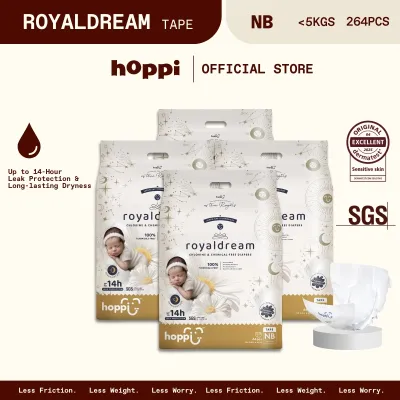
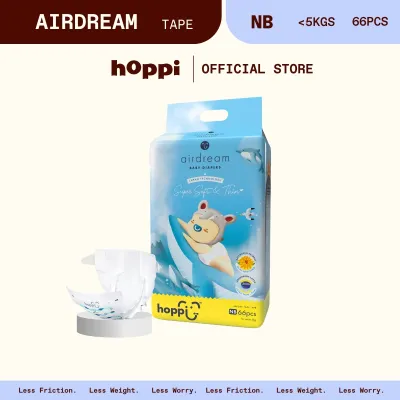
4 Lazada user ratings
Thin and lightweight. Full after few pee but still dry to touch. However, we encountered leakage.
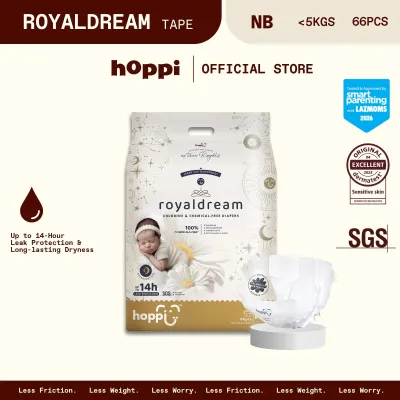
41 Lazada user ratings
🎧Comfort: 10/10 soft to touch 💧Absorbency: 5/10 sadly, it leaks once full. Wont recommend if baby is heavy wetter 📏Fit: 10/10 good fit
It’s thin and lightweight as advertised. Shipping got delayed for a day and is kore expensive than the usual shipping fee from Lazada
Delivered immediately. Good packaging. This was recommended to me. Haven’t used yet. It is soft to touch.
Hands down the best diaper for my newborn. On the expensive side but worth the price. Sulit!
Very smooth to skin
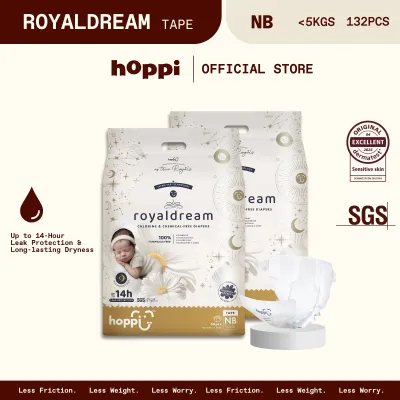
Prices are valid at publication and may change. Please refer to the product page for the latest price.
Furthermore, a newborn’s skin barrier is exceptionally thin, fragile, and highly permeable compared to adult skin. The sudden transition from the sterile, fluid-filled environment of the womb to dry air makes the infant highly susceptible to contact dermatitis and chemical irritants. To accommodate this vulnerability, caregivers must perform frequent diaper changes—often between 10 and 12 times a day. The materials used in the diaper must be gentle, breathable, and free from harsh additives to prevent redness and diaper rash from developing in the very first days of life.
Evaluating Hoppi Newborn Diapers Against Hospital Requirements
To determine if Hoppi newborn diapers are the right fit for your upcoming delivery, you must evaluate their physical design and material specifications directly against clinical needs. Rather than relying on general brand popularity, parents should carefully inspect the product packaging and manufacturer documentation for specific features that address newborn physiology.

Umbilical Cord Care
When examining Hoppi newborn diapers, check the front waistband for a dedicated umbilical cord cutout. This is a curved indentation at the front of the diaper designed to sit safely below the baby’s navel, preventing the material from rubbing against the healing stump. If you find that the specific Hoppi newborn model you purchased does not feature this cutout, you will need to manually fold the front waistband outward and downward before fastening the adhesive tabs. This manual adjustment ensures the stump remains exposed to the air and free from friction, though a built-in cutout offers greater convenience during hurried nighttime changes. If you notice persistent redness, swelling, or oozing around the umbilical cord stump, consult your pediatrician or a qualified healthcare professional immediately.
Size and Fit
Before packing Hoppi diapers, verify the exact weight range printed on the packaging label. Newborn sizes are generally formulated for infants weighing up to 5 kilograms, but actual fit depends heavily on your baby’s unique proportions, such as thigh circumference and torso length. If your late-pregnancy ultrasounds indicate a larger-than-average baby, or if you have a family history of high birth weights, the standard newborn size may fit too snugly or cause red pressure marks around the legs. Always cross-reference the manufacturer’s size chart with your OB-GYN’s birth weight estimates to avoid packing diapers that are too small.
Material and Breathability
Newborn skin requires materials that promote airflow and minimize chemical exposure. Review the Hoppi packaging for explicit labels regarding material composition, such as chlorine-free processing, fragrance-free formulations, and hypoallergenic designations. Because safety standards and certifications can change, look for verified third-party dermatological test seals printed directly on the box rather than assuming safety. A highly breathable backsheet is also vital; it allows heat and moisture vapor to escape, keeping the skin dry and reducing the likelihood of diaper rash during the frequent wetting episodes typical of the first week. If your baby develops persistent skin irritation or a severe diaper rash, stop using the diapers and seek advice from a healthcare professional.
Wetness Indicators
One highly practical feature to look for on Hoppi diapers is a color-changing wetness indicator. This is typically a vertical line running down the center of the diaper’s outer shell that changes color when exposed to moisture. In a dimly lit hospital room, or during late-night recovery hours when you want to avoid waking a sleeping infant, this indicator allows you to assess the diaper’s status at a glance without unfastening the tabs or disturbing your baby. Verify that the specific Hoppi line you choose includes this feature, as it greatly simplifies monitoring your newborn’s output.
Smart Packing Strategies for Your Hospital Bag
Packing your hospital bag requires a balance between preparation and portability. Overloading your bag with excessive supplies can make navigating the recovery room difficult, while underpacking can lead to stressful, last-minute runs to local stores or hospital pharmacies.
To calculate your diaper needs, plan for an average of 10 to 12 diaper changes per 24 hours. For a standard vaginal delivery with a 2-day hospital stay, you should pack approximately 20 to 24 newborn diapers. For a cesarean delivery, which typically requires a 3- to 4-day stay, increase this number to 30 to 40 diapers. Adding a buffer of 5 extra diapers is highly recommended to account for unexpected delays in discharge or frequent meconium passages during the journey home.
A smart packing strategy also involves preparing for unexpected sizing needs. Babies do not always arrive at their estimated weights, and some newborns outgrow newborn-sized diapers within days. To mitigate this, pack a small sleeve of newborn-sized Hoppi diapers alongside 5 to 10 size 1 diapers. If your baby is born larger than expected, you can seamlessly transition to the larger size without experiencing leaks, blowouts, or restricted circulation around the baby’s thighs.
Finally, remember to check with your specific hospital or birthing center in the Philippines regarding what starter supplies are already provided in the delivery and recovery rooms. Many private hospitals include a basic newborn care kit—which may contain a small pack of diapers, wipes, and antiseptic solution—directly in their maternity packages. Other facilities, particularly public hospitals or smaller lying-in clinics, operate on a bring-your-own basis, requiring parents to supply every item. Contacting your hospital’s admissions coordinator or your attending physician during your third-trimester checkups will help you adjust your packing list and avoid paying extra for hospital-provided sundries.
Frequently Asked Questions (FAQ)
How many newborn diapers should I pack for a standard hospital stay?
For a standard 2- to 3-day hospital stay, you should pack approximately 25 to 30 newborn diapers. This calculation is based on an average newborn output of 8 to 12 wet or soiled diapers every 24 hours, plus a small buffer of 5 extra diapers to cover unexpected discharge delays or travel needs on the way home.
Do hospitals in the Philippines provide diapers, or should I bring my own?
Hospital policies in the Philippines vary widely. Premium private hospitals often include a starter pack of newborn diapers in their maternity packages, though these are billed to your final account. Public hospitals, government-run medical centers, and local lying-in clinics generally require parents to bring their own complete supply of diapers, baby clothes, and wipes. Always verify the specific inclusions with your hospital’s billing or admissions department prior to your due date.
Community discussion
Share your experience or ask a question. Comments are reviewed before publication.