
The Short Answer: Are Home Baby Dopplers Safe?
Major medical and obstetric organizations generally advise against the non-medical, over-the-counter use of home fetal dopplers. While these handheld devices are widely available on online marketplaces, medical authorities warn that using a baby doppler at home presents significant clinical and psychological risks.
The core issue is not necessarily the physical energy emitted by the device during brief sessions, but rather the high risk of false reassurance. When a parent hears a heartbeat—or what they assume is a heartbeat—they may ignore critical symptoms of fetal distress, delaying life-saving medical care. There is a fundamental difference between a clinical ultrasound performed by a trained professional and a consumer device used at home for bonding or peace of mind. For this reason, healthcare providers do not recommend relying on home devices to evaluate a baby’s health.
Why Parents Buy Them and How They Work
A baby doppler uses ultrasound technology to detect and amplify the sound of a fetal heartbeat. The device emits high-frequency sound waves that travel through the mother’s abdomen. When these waves hit a moving structure, such as blood pumping through the fetal heart, they bounce back to the device’s receiver. The doppler then translates this movement into an audible pulsing sound, which is amplified through a speaker or headphones.
Products mentioned in this guide

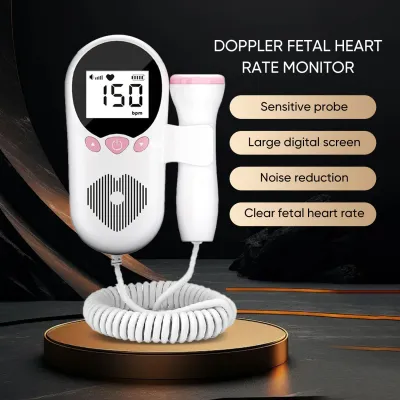
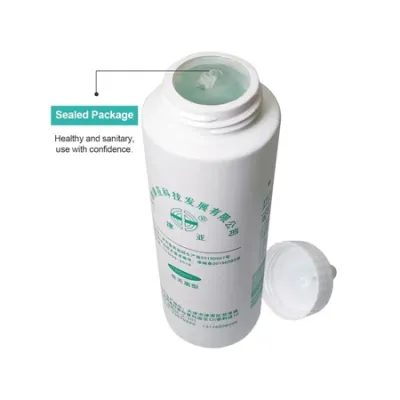
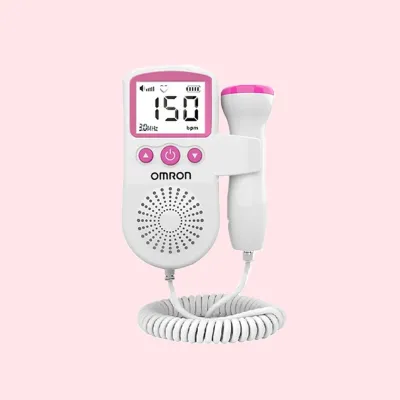
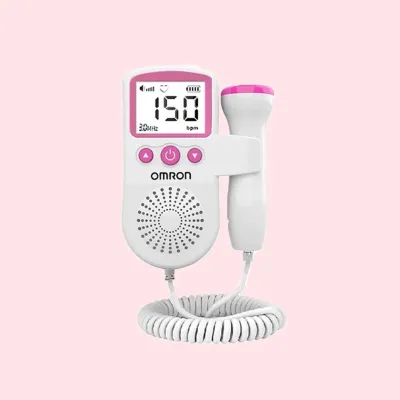


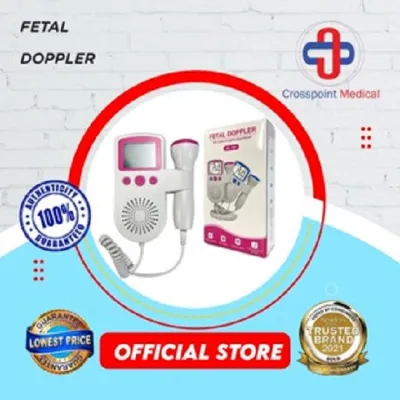
Prices are valid at publication and may change. Please refer to the product page for the latest price.

The emotional appeal of these devices is highly understandable. Pregnancy can be a time of intense vulnerability and anxiety, particularly for those who have experienced previous pregnancy loss or fertility challenges. In the Philippines, where traveling to a prenatal clinic might involve navigating heavy city traffic or taking long journeys from rural provinces, the convenience of a home device is incredibly tempting. Parents often purchase them to seek immediate reassurance between scheduled prenatal visits, to bond with their unborn child, or to share the experience with partners and family members.
However, this technology was designed to be interpreted by skilled clinical eyes and ears. A professional sonographer or obstetrician undergoes years of specialized anatomical training to locate the fetal heart, distinguish it from surrounding maternal blood vessels, and interpret the heart rate accurately. A layperson, by contrast, is attempting to locate a tiny, moving target through layers of maternal skin, fat, uterine muscle, and placental tissue without any formal training.
Key Safety Risks and Concerns of Home Use
Using a baby doppler without professional training introduces several distinct risks that can compromise both maternal mental health and fetal safety.
False Reassurance
This is the most critical medical concern associated with home dopplers. If a pregnant individual notices a decrease in fetal movement—which is a primary warning sign of potential fetal distress—they may feel compelled to use their home doppler. If they hear a rhythmic pulsing sound, they may assume the baby is perfectly healthy and decide not to contact their doctor. However, a distressed baby can still have a heartbeat. Relying on a home audio reading can cause parents to delay seeking emergency medical care, sometimes with devastating consequences.
Misinterpretation of Sounds
Untrained users frequently mistake maternal sounds for the baby’s heartbeat. The maternal abdominal aorta and the uterine arteries carry blood flow at high pressures, creating a rhythmic, pulsing sound (often called a “uterine soufflé”) that can easily be confused with a fetal heart rate. While a fetal heart rate is typically much faster than an adult’s (usually 110 to 160 beats per minute), a mother’s heart rate can spike due to anxiety or physical exertion, mimicking the speed of a baby’s heartbeat and leading to a false positive reading.
Unnecessary Anxiety
Conversely, failing to locate the heartbeat is incredibly common, especially in early pregnancy, with certain placental positions (like an anterior placenta), or in mothers with a higher body mass index. When a parent cannot find the heartbeat, it frequently triggers intense panic and severe psychological stress. This anxiety often leads to emergency phone calls, unscheduled hospital visits, and unnecessary clinical interventions, which place an extra burden on both the parents and the healthcare system.
Unregulated Ultrasound Exposure
While diagnostic ultrasound is exceptionally safe when used by professionals who adhere to the “ALARA” (As Low As Reasonably Achievable) principle, consumer devices are unregulated. There is limited data on the cumulative effects of prolonged, daily, or improper exposure to the thermal and mechanical energy emitted by cheap, over-the-counter devices. Without professional oversight, parents may expose the developing fetus to unnecessary ultrasound waves for extended periods.
Professional Medical Guidelines on Non-Medical Ultrasound
Global and local health authorities maintain a strict boundary regarding the use of non-medical ultrasound equipment. Major obstetric guidelines state that ultrasound examinations should only be performed by qualified healthcare providers when there is a clear medical indication.
Regulatory bodies do not clear or approve over-the-counter fetal dopplers for casual home monitoring or “keepsake” purposes. In the medical community, these devices are classified as prescription medical devices that should only be operated by trained clinicians. Marketing campaigns that position these products as everyday consumer gadgets or baby toys often bypass these clinical classifications.
Crucially, a home baby doppler can never replace comprehensive prenatal care. Your obstetrician, midwife, or nurse practitioner does not just listen to the heart rate; they assess maternal blood pressure, fundal height, fluid levels, and overall clinical symptoms to paint a complete picture of the pregnancy’s health. A single audio reading from a home device cannot replicate this vital clinical assessment.
Safer Alternatives for Monitoring Fetal Well-being at Home
For parents who want to actively monitor their baby’s health and find peace of mind between clinical appointments, there are safer, evidence-based methods that do not rely on medical technology.
- Fetal Kick Counts: This is the gold-standard, doctor-recommended method for monitoring fetal well-being in the third trimester (typically starting around week 28). To perform a kick count, sit or lie comfortably on your left side in a quiet room. Note how long it takes to feel ten distinct movements (including kicks, flutters, rolls, or jabs). A common healthy baseline is detecting at least ten movements within a two-hour window, though many babies reach this count much faster.
- Tracking Movement Patterns: Rather than focusing solely on numbers, get to know your baby’s unique daily rhythm. Note when they are most active—often after you eat a meal, drink cold water, or lie down to rest. A sudden, noticeable change or drop in their typical activity level is a highly reliable indicator that warrants a call to your doctor.
- Recognizing Warning Signs: Educate yourself on the symptoms that require immediate medical evaluation. Do not wait for a scheduled appointment or attempt to self-diagnose if you experience any of the following:
- A significant decrease or complete absence of fetal movement.
- Vaginal bleeding or spotting.
- Leaking of fluid or sudden watery discharge.
- Severe abdominal pain or cramping.
- Sudden, severe swelling in your face, hands, or feet.
- Persistent, severe headaches or changes in your vision.
If you experience any of these symptoms, bypass your home devices entirely and contact your obstetrician or go directly to the nearest hospital emergency department.
Harm Reduction: What to Do If You Choose to Use a Baby Doppler
If you choose to purchase and use a baby doppler despite medical recommendations, it is vital to establish strict safety boundaries to protect your physical and emotional well-being.
First, check the applied product’s label and the manufacturer’s instructions for any specific safety warnings, age limits, or usage directions. If the instructions conflict with advice from your healthcare provider, stop using the device and consult your doctor.
To minimize risks, follow these harm-reduction guidelines:
- Never use the device to rule out a problem: If you notice decreased fetal movement or any other warning signs, do not pick up the doppler. Even if you hear what sounds like a perfect heartbeat, you must still seek immediate professional medical attention.
- Keep sessions short and infrequent: Limit your usage to once or twice a week, and keep each session under two minutes. Do not spend long periods searching for the heartbeat if it is not immediately audible.
- Clean and care for your skin: In hot, humid tropical climates, ultrasound gel can trap sweat and cause mild skin irritation or heat rashes. Always wipe the gel off your abdomen completely after use, and clean the device's probe according to the manufacturer’s instructions.
- Stop if it causes stress: If using the device makes you feel anxious, frustrated, or obsessive, pack it away. The psychological toll of searching for a heartbeat outweighs any perceived benefit of home monitoring.
Frequently Asked Questions (FAQ)
Can a baby doppler cause birth defects or physical harm to the baby?
There is no evidence that diagnostic ultrasound, when performed by trained professionals in a clinical setting, causes birth defects or physical harm. However, ultrasound devices emit thermal and mechanical energy. While professional machines are carefully calibrated and used for very short durations, unregulated consumer devices do not undergo the same rigorous quality control. Prolonged, daily, or improper exposure from home devices lacks comprehensive safety data, which is why medical professionals advise keeping home sessions as brief as possible.
At what week can I start hearing the heartbeat with a home doppler?
In a clinical setting, a trained healthcare provider can sometimes detect a fetal heartbeat using a professional doppler around 10 to 12 weeks of pregnancy. For a layperson using a consumer-grade device at home, it is highly difficult to locate the heartbeat consistently before 12 to 14 weeks. Attempting to use the device too early almost always results in failure to find the heartbeat, which is typically due to user error, equipment limitations, or the baby’s position rather than an actual medical issue.
Is it safe to use a baby doppler every day for reassurance?
No, daily use is not recommended by medical professionals. Using a baby doppler every day increases the risk of cumulative ultrasound exposure, heightens maternal anxiety when the heartbeat cannot be immediately found, and increases the likelihood of misinterpreting maternal blood flow for the baby’s heartbeat. For daily reassurance, tracking your baby’s natural movement patterns through kick counts in the third trimester is a much safer, more reliable, and medically approved method.
Community discussion
Share your experience or ask a question. Comments are reviewed before publication.