
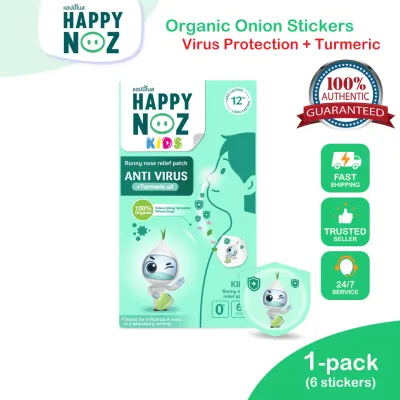
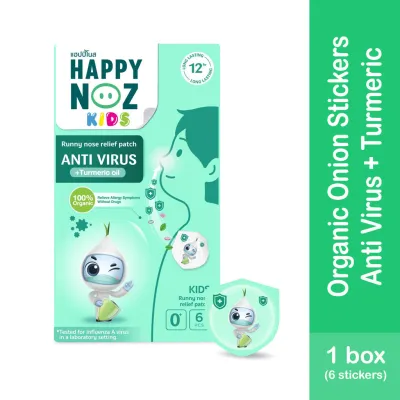
When dengue cases rise during the rainy season in the Philippines, parents naturally seek every possible way to protect their infants from mosquito bites. Happy Noz onion stickers, which contain concentrated plant extracts like onion oil and eucalyptus, are often marketed as natural wellness solutions. However, these stickers are not a safe or effective primary defense against dengue fever, and they carry notable risks of skin and respiratory irritation for delicate babies.
While plant-based patches are frequently perceived as gentle because they are labeled “natural,” concentrated botanical ingredients can be highly irritating to an infant’s sensitive system. More importantly, these stickers do not provide reliable or scientifically proven protection against Aedes mosquitoes, the daytime-biting vectors responsible for transmitting the dengue virus. Relying on them as a standalone shield during high-risk periods creates a dangerous gap in your baby’s defense. For genuine protection, parents must rely on pediatrician-approved preventative measures rather than unproven natural patches.
Skin Risks: Contact Dermatitis and Adhesive Sensitivity
An infant’s skin is vastly different from adult skin, requiring specialized care and extreme caution when introducing new products. A baby’s skin barrier is significantly thinner, more fragile, and highly permeable, meaning it absorbs topical substances much more easily and reacts quickly to external irritants. Introducing concentrated plant extracts directly or indirectly to this delicate barrier can easily disrupt its balance and cause painful dermatological issues.
Products mentioned in this guide
Prices are valid at publication and may change. Please refer to the product page for the latest price.
One of the primary risks associated with botanical patches is allergic contact dermatitis. Happy Noz onion stickers contain highly concentrated essential oils and plant extracts, such as onion oil, lavender, and eucalyptus. When these volatile compounds come into contact with an infant’s skin—either through direct placement or accidental touching—they can trigger localized allergic reactions. This often manifests as intense redness, swelling, dry patches, or itchy hives that cause significant distress and discomfort to your baby.
Furthermore, contact dermatitis can present as either irritant contact dermatitis, which is direct damage to the skin barrier, or allergic contact dermatitis, a delayed immune response. Because a baby’s immune system is still developing, exposing their skin to concentrated plant extracts can sensitize their system, potentially making them more reactive to these botanical ingredients in the future. What seems like a harmless aromatic patch can quickly turn into a source of persistent skin irritation.
Beyond the herbal ingredients, the adhesive backing of the sticker itself presents a distinct physical hazard. The glues used to make these patches stick to clothing or bedding can be harsh on sensitive skin. If a baby pulls a sticker off and accidentally presses it against their bare skin, or if a parent mistakenly applies it directly to the body, removing it can cause mechanical trauma. This can result in skin tearing, localized blistering, or painful irritation upon removal.
To safeguard your baby, always inspect the product packaging thoroughly for specific manufacturer warnings and age restrictions. Many of these products are not formulated or approved for newborns or very young infants. Under no circumstances should you ever apply an adhesive sticker directly to your baby’s bare skin, as the risk of both chemical irritation and physical skin damage is exceptionally high.
Respiratory Concerns: How Strong Scents Affect Babies
While adults might find herbal scents refreshing or clearing, an infant’s respiratory system is still developing and is highly sensitive to strong odors. Babies have much narrower airways and a highly reactive respiratory tract compared to older children and adults. Introducing highly concentrated, volatile organic compounds into their immediate breathing space can easily trigger adverse physical reactions.

It is also important to remember that infants are obligatory nasal breathers for the first few months of life. This means any nasal congestion, swelling, or irritation caused by strong scents can significantly affect their ability to breathe, feed, and sleep comfortably. A baby cannot easily switch to mouth breathing to relieve discomfort, making respiratory irritants particularly problematic for this age group.
The strong, pungent aroma of onion extract combined with other essential oils like eucalyptus can act as a direct respiratory irritant for a young baby. When these concentrated scents are inhaled, they can stimulate the sensitive nerve endings in the nasal passages and airways. This stimulation can lead to sudden coughing fits, frequent sneezing, runny noses, or watery eyes, which are clear signs that the baby’s respiratory system is under stress.
Babies with a family history of asthma, allergies, or reactive airway disease are particularly vulnerable to these strong olfactory stimuli. What might seem like a harmless natural scent can trigger airway constriction or bronchospasms in sensitive infants, making it difficult for them to breathe comfortably. Because infants cannot communicate their discomfort, a sudden change in their breathing pattern or unexplained fussiness can often be traced back to highly scented products in their environment.
To prevent inhalation discomfort and potential respiratory distress, it is crucial to keep strongly scented products well away from your baby’s face, nose, and immediate sleeping area. Avoid placing scented patches on the upper chest of their clothing, on their pillows, or on the crib bars near their head. Ensuring that your baby breathes clean, scent-free air is a fundamental component of maintaining their respiratory health.
The Dengue Risk: Why Stickers May Not Provide Enough Protection
Dengue fever is a severe public health concern in the Philippines, particularly during the wet, humid months when mosquito populations surge. The primary vector for this disease is the Aedes mosquito, a species known for its aggressive daytime biting habits. Because these mosquitoes bite during the day when babies are active or napping, providing continuous, highly effective protection is absolutely vital.
To understand why plant-based stickers fail, it helps to look at how mosquitoes find their targets. Mosquitoes are highly attracted to carbon dioxide, body heat, and lactic acid emitted by human skin. A tiny sticker emitting a localized scent cannot mask these powerful biological cues across the baby’s entire body. The mosquito will simply bypass the scented area and bite any exposed skin on the baby’s arms, legs, or face.
Plant-based stickers, including onion patches, fail to provide adequate protection against these aggressive vectors for several physical and chemical reasons. First, these stickers have an extremely limited radius of protection. A single patch attached to a baby’s shirt does not create an invisible dome around their entire body; it only emits a localized scent that quickly dissipates. This leaves the baby’s exposed arms, legs, and face entirely vulnerable to hungry mosquitoes.
Second, the active volatile oils in these patches evaporate rapidly, especially in the hot, humid tropical climate of the Philippines. While a sticker might smell strong when first opened, its insect-repelling efficacy—if any—drops drastically within a very short period. This rapid loss of potency leaves parents with a false sense of security, believing their child is protected when they are actually completely exposed to potential bites.
This false sense of security is perhaps the greatest danger of relying on natural stickers during dengue season. When parents believe a simple sticker is doing the job, they are much more likely to skip highly effective, proven protective measures. They might neglect to put up mosquito nets, fail to dress their baby in protective clothing, or skip the application of approved insect repellents.
It is important to clarify that major health authorities, including the World Health Organization and pediatric societies, do not recognize plant-based or essential oil stickers as a standalone or primary defense against dengue. Relying on them as your main line of defense puts your baby at an unnecessary and significant risk of contracting a potentially life-threatening viral infection.
Harm Reduction: How to Use Plant-Based Stickers Safely
If you still choose to use plant-based stickers for their aromatic comfort or mild congestion relief, you must implement strict harm-reduction strategies to minimize the risks of skin irritation, respiratory distress, and accidental ingestion.
Placement Rules
Never apply any patch directly to your baby’s skin. Instead, attach the sticker exclusively to the outside of their clothing, stroller frames, or the outer fabric of their playpen. It is vital to place the sticker in an area where your baby cannot see, reach, or pull it off. If a baby manages to peel the sticker off, it becomes a severe choking hazard, or they may put it in their mouth, leading to the ingestion of concentrated, toxic essential oils.
Distance from Face
To protect your baby’s sensitive eyes and airways, always position the sticker on the lower half of their body. Placing the patch on their pants, socks, or the lower hem of their romper keeps the concentrated fumes from rising directly into their nose and eyes. This simple adjustment significantly reduces the likelihood of respiratory irritation while still allowing the mild scent to circulate.
Monitoring and Stopping
Keep a vigilant eye on your baby whenever a scented sticker is in use. If you observe any signs of physical discomfort, you must act immediately. Remove and safely discard the sticker if your baby exhibits:
- Skin reactions: Redness, swelling, or hives on the skin near the patch
- Respiratory distress: Frequent coughing, wheezing, or sudden sneezing
- Eye irritation: Watery, red, or irritated eyes
- Behavioral changes: Persistent rubbing of their face, nose, or eyes
- General discomfort: Unexplained fussiness, crying, or signs of physical distress
Label Verification
Before opening any package, read the manufacturer’s label carefully to verify the minimum age recommendation. Many essential oil products are explicitly labeled as unsafe for newborns or infants under six months of age. If the packaging lacks clear age guidelines or ingredient lists, do not use the product on your baby. Always consult your pediatrician before introducing any new herbal or aromatic product to your infant’s routine.
Better Alternatives for Dengue Season Protection
Protecting your baby during dengue season requires evidence-based, highly reliable methods that are approved by pediatricians and health authorities. Rather than relying on unproven stickers, parents should focus on a multi-layered approach to mosquito defense.
Physical Barriers
Physical barriers are the safest and most effective way to protect young babies from mosquito bites, as they carry zero risk of chemical irritation or respiratory issues.
- Protective Clothing: Dress your baby in lightweight, loose-fitting, light-colored clothing. Ensure their arms and legs are fully covered. Light colors are less attractive to mosquitoes and make it easier to spot any insects crawling on the fabric.
- Mosquito Netting: Use fine-mesh mosquito nets over your baby's crib, bassinet, stroller, and playpen. Ensure the netting is securely fitted and free of any tears or gaps where mosquitoes could enter.
Environmental Control
Reducing the mosquito population around your living space is a highly effective way to lower the risk of dengue transmission.
- Eliminate Stagnant Water: Regularly inspect your home and yard for any standing water, which serves as a breeding ground for Aedes mosquitoes. Empty, clean, and cover water drums, flower pots, pet bowls, and clogged gutters at least once a week.
- Secure Your Home: Keep window and door screens closed and in good repair to prevent mosquitoes from entering your living areas.
Approved Repellents
For babies older than two months, pediatricians may recommend specific, health-authority-approved topical repellents to provide reliable protection.
- Picaridin or DEET: Look for formulations specifically designed for infants containing Picaridin or low concentrations of DEET (typically 10% to 30%). These active ingredients are scientifically proven to repel mosquitoes effectively.
- Safe Application: Apply the repellent sparingly only to exposed skin or the outside of your baby's clothing. Never apply repellent to your baby's hands, as they frequently put their hands in their mouths and eyes. Avoid applying it near their eyes, mouth, or any cut or irritated skin.
Professional Guidance
Every baby is unique, and their health needs can vary based on their age, skin sensitivity, and any underlying medical conditions. Before introducing any insect repellent or preventative product, consult your pediatrician. They can help you create a personalized, safe, and highly effective dengue prevention plan that ensures your baby remains protected throughout the high-risk season.
Community discussion
Share your experience or ask a question. Comments are reviewed before publication.