
Finding the right diaper for your baby in the Philippines often feels like a balancing act between budget and comfort. While premium brands are household names, the rising cost of daily essentials has many parents looking at generic diaper options. The good news is that many budget-friendly diapers can perform remarkably well, provided you know what features to look for and how to test them safely.
Because every baby has a unique body shape, skin sensitivity, and wetting pattern, a generic diaper that works wonderfully for one family might not suit another. Transitioning to a budget brand requires a systematic approach to ensure your baby remains dry, comfortable, and free from diaper rash in our warm, humid climate.
Understanding the Difference: Premium vs. Budget Diapers
To make an informed choice, it helps to understand what goes into diaper construction. The core of any modern disposable diaper relies on a combination of fluff pulp and Super Absorbent Polymer (SAP). SAP consists of tiny gelling beads that can absorb many times their weight in liquid. Premium diapers typically use a higher ratio of SAP to fluff pulp, allowing the diaper to remain thin and lightweight even when fully saturated.
Products mentioned in this guide
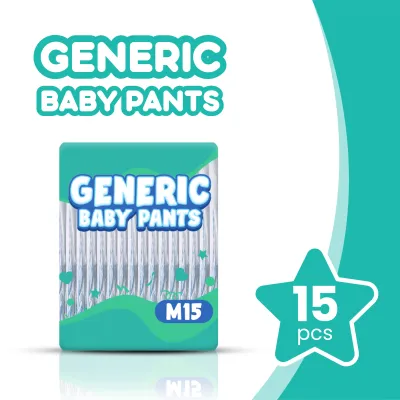
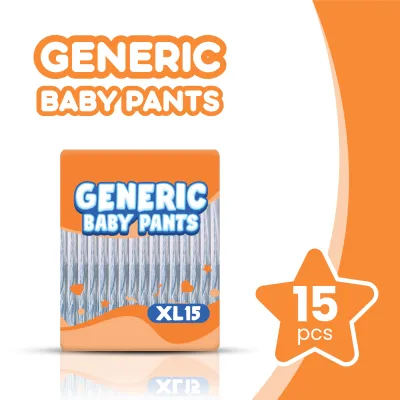
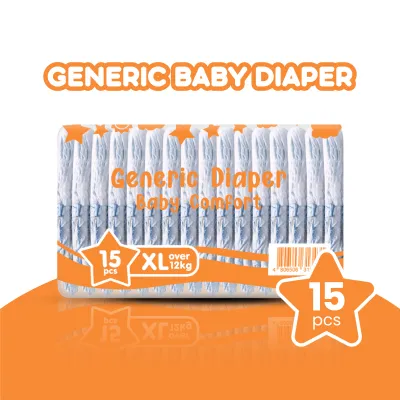
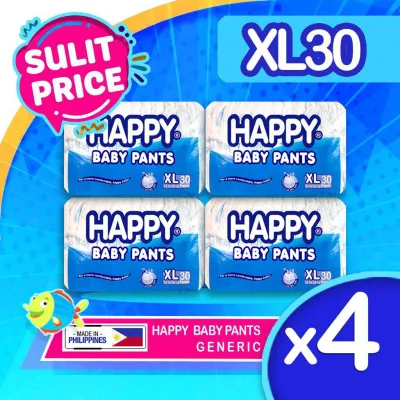
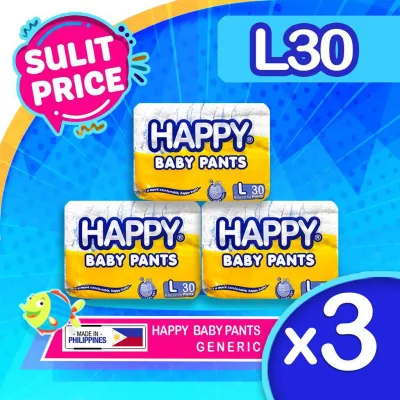
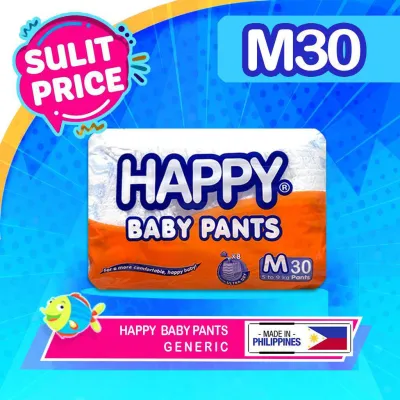
Prices are valid at publication and may change. Please refer to the product page for the latest price.
In contrast, many budget or generic diapers rely more heavily on fluff pulp. While fluff pulp is highly absorbent, it is bulkier and tends to clump or sag when wet, which can restrict a baby’s movement.
Another critical difference lies in the outer cover and inner lining materials. In our tropical climate, breathability is paramount. Premium diapers often feature advanced micro-porous outer sheets that allow heat and moisture vapor to escape while keeping liquid inside. Some budget options may use simpler, plastic-like backsheets that trap heat and humidity, potentially increasing the risk of skin irritation. Additionally, the inner linings of premium brands are often treated to feel exceptionally soft against the skin, whereas generic options might feel slightly stiffer to the touch.
Finally, look closely at the construction of the waistbands and leg cuffs. Premium brands invest heavily in highly elastic, multi-strand waistbands and double-layered leg cuffs (often called 3D leak guards). These components work together to create a secure seal around the baby’s legs and back, preventing messy blowouts. Budget diapers may feature simpler elastic bands with less stretch, which requires parents to be more precise with sizing and fastening to avoid leaks.
Key Features to Check on the Packaging
When browsing the diaper aisle or shopping online, you do not have to guess at a generic diaper’s quality. The packaging itself holds valuable clues. First, look for absorbency channel designs. Many modern budget brands now incorporate channels that distribute liquid evenly across the core rather than letting it pool in one spot. This design helps prevent the diaper from sagging between the baby’s legs.

A wetness indicator—a line that changes color when wet—is another highly convenient feature to look for, as it helps caregivers avoid unnecessary changes while ensuring the baby does not sit in a wet diaper for too long.
Skin safety is another major consideration. Carefully inspect the packaging for hypoallergenic claims, dermatological testing labels, or explicit statements indicating the diaper is free from added fragrances, parabens, and elemental chlorine. Added fragrances are often used in budget diapers to mask odors, but they can easily trigger contact dermatitis in sensitive skin, especially when combined with tropical sweat and friction.
Lastly, never rely solely on the size label (such as Small, Medium, or Large) when switching brands. Sizing is not standardized across manufacturers. Always consult the weight chart printed on the side of the packaging. A baby who wears a Medium in a premium brand might require a Large in a generic diaper due to differences in cut and elasticity. Ensuring a proper fit is the single most effective way to prevent leaks, regardless of how much the diaper costs.
How to Test a Generic Diaper Before Buying in Bulk
Switching to a generic diaper should always start with a low-risk trial. Instead of purchasing a large box or a mega-pack, look for small travel packs or trial packs at your local supermarket or trusted online marketplaces. This minimizes financial waste if the diaper turns out to be a poor fit for your baby’s shape or causes skin irritation.
Begin your trial during the daytime when you can monitor your baby closely. Change the diaper at your usual intervals—typically every two to three hours—and observe how it holds up. Look for signs of sagging, shifting, or clumping.
When you remove the diaper, gently touch your baby’s skin to check if it feels dry or damp; a wet feel indicates that the diaper’s lining is not effectively drawing moisture away. Carefully inspect the waist and thighs for any red marks, which suggest the elastic is too tight or the fit is incorrect.
As you run your trial, keep a simple log of your diaper usage and costs. Divide the total price of the pack by the number of diapers to find the cost-per-diaper in Philippine Pesos (₱). Compare this directly to what you currently pay for premium brands. If a generic diaper costs ₱5 less per piece but requires twice as many changes due to leaks or poor absorbency, the actual savings may be negligible. However, if the budget diaper performs reliably during daytime hours, you can confidently integrate it into your daily routine.
When to Stick with Premium Brands
While generic diapers are excellent for daytime use and regular changing schedules, there are specific scenarios where premium brands remain the practical choice. Overnight sleep is the most common challenge for budget diapers. During a 10-to-12-hour sleep stretch, a baby needs a diaper with a high concentration of premium SAP to lock away multiple wettings without leaking or leaving the skin damp. If a generic diaper sags, leaks, or causes your baby to wake up wet, the sleep disruption is rarely worth the financial savings.
Babies with highly sensitive skin, eczema, or a history of frequent diaper rash also tend to fare better with premium options. These infants require advanced moisture-wicking linings and highly breathable outer covers to keep the skin dry and cool. If your baby’s skin reacts quickly to moisture buildup, sticking to a premium brand that is clinically proven to protect the skin barrier is often necessary.
Active toddlers who are constantly crawling, walking, and climbing also test the limits of budget diaper construction. The physical stress placed on the diaper’s side tabs and waistbands during active play can cause simpler generic diapers to slip, gap, or tear. Premium diapers designed specifically for active babies offer superior multi-directional stretch and stronger adhesive tabs that stay secure during vigorous movement.
Frequently Asked Questions (FAQ)
Can I use a generic diaper overnight?
Yes, but it requires careful management. Because generic diapers often contain less SAP and more fluff pulp, they may struggle to keep your baby dry during long overnight stretches. If you want to use a budget brand at night, consider sizing up by one size to increase the overall absorbent capacity of the diaper. Alternatively, you can use a premium diaper exclusively for nighttime sleep and use the generic diaper during the day when changes are more frequent. Always monitor your baby’s skin in the morning; if you notice dampness or redness, it is best to return to a premium overnight option.
Do store-brand diapers cause more diaper rash?
Not inherently. Diaper rash is primarily caused by prolonged exposure to wetness, friction, and the enzymes present in urine and stool, rather than the brand of diaper itself. However, if a generic diaper lacks breathability or fails to wick moisture away quickly, it can create a humid environment that accelerates skin breakdown. To minimize this risk, choose fragrance-free generic options, change your baby promptly when wet, and apply a barrier cream. If your baby develops a persistent, bright red rash or skin peeling, stop using the new brand immediately and consult a pediatrician for proper medical advice.
Community discussion
Share your experience or ask a question. Comments are reviewed before publication.