
Determining whether Frida Mom products are safe to use during pregnancy requires a careful, individualized look at their specific ingredient lists. While many maternity and postpartum brands formulate their products with gentle, high-quality ingredients, safety is never a blanket guarantee for an entire product line. Expecting mothers must evaluate each item on its own merits, checking for active ingredients, potential allergens, and suitability for their specific stage of pregnancy.
In tropical climates like the Philippines, where high humidity and intense heat can compromise the skin barrier and increase sensitivity, choosing the right skincare becomes even more critical. Hormonal fluctuations during pregnancy can trigger conditions like melasma, body acne, or contact dermatitis, making a thorough ingredient review essential before applying any new cream, lotion, or prep solution to your body. By understanding how to read labels and what ingredients to monitor, you can confidently navigate your maternity skincare routine.
Understanding Pregnancy Skincare Safety Standards
General cosmetic formulations and products specifically designed for maternity care serve very different purposes. Standard cosmetics often focus on rapid, aggressive results, utilizing potent active ingredients like high-strength retinoids, chemical exfoliants, or synthetic fragrances to alter skin appearance. In contrast, maternity-specific products are typically formulated to minimize exposure to known reproductive risks and skin sensitizers, prioritizing barrier support, deep hydration, and soothing botanical extracts.
Products mentioned in this guide
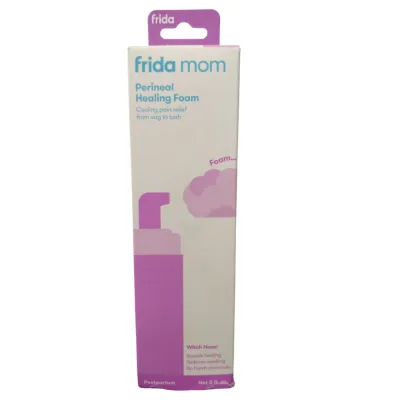
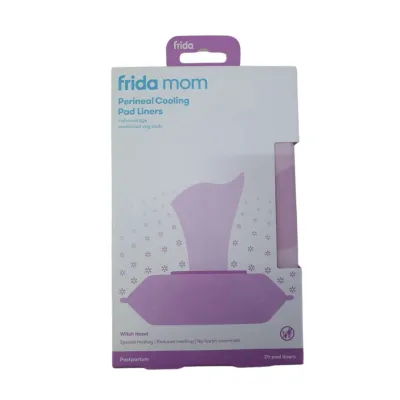

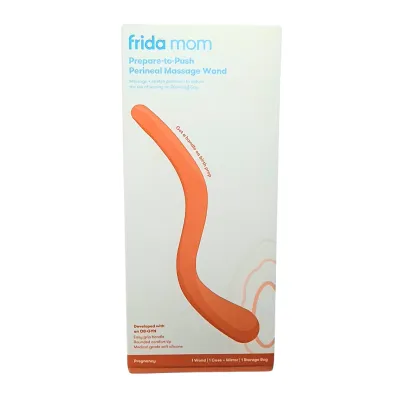
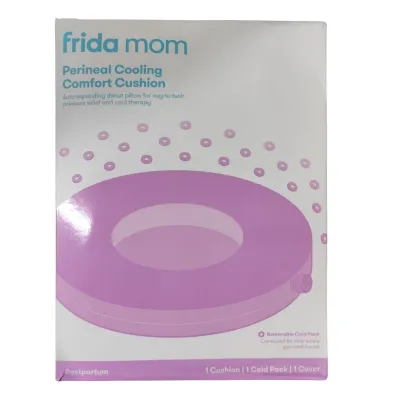
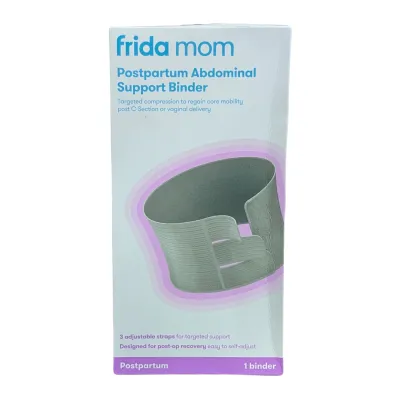
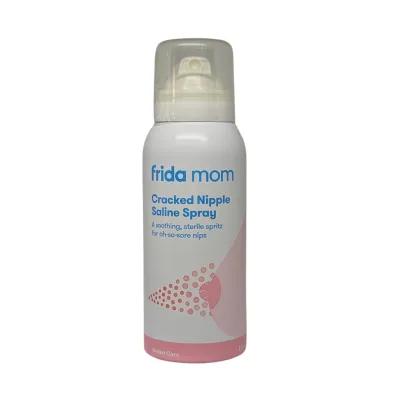
Prices are valid at publication and may change. Please refer to the product page for the latest price.
Standard dermatological guidelines play a crucial role in defining safe topical applications for expecting mothers. Because the skin is highly vascular, a small percentage of topically applied substances can be absorbed into the bloodstream. Regulatory bodies and dermatological associations categorize ingredients based on clinical safety data, advising pregnant individuals to avoid systemic absorption of high-risk compounds to protect fetal development.
Individual skin sensitivity, hormonal changes, and specific pregnancy stages also heavily affect how your skin tolerates different products. Increased estrogen and progesterone levels can make your skin highly reactive, prone to hyperpigmentation, and easily irritated by ingredients you tolerated well before pregnancy. Furthermore, skin sensitivity can fluctuate between the first, second, and third trimesters, meaning a product that felt soothing in early pregnancy might cause discomfort or a mild rash later on.
How to Verify Ingredients in Your Frida Mom Products
To ensure any product is safe for your current stage of pregnancy, you must locate the full, up-to-date ingredient list. This list is always printed on the outer packaging or the product container itself. Because formulations can change over time due to manufacturing updates, relying solely on third-party blog reviews or older online listings can be risky; always verify the physical label of the product in your hands.

If you are purchasing online through an ecommerce platform or a local distributor, check the official brand website for the most current ingredient deck. Once you have the list, you can cross-reference individual ingredients with recognized pregnancy safety databases, such as the Environmental Working Group (EWG) cosmetic database or specialized medical resources. Consulting a local pharmacist is also an excellent, accessible way to get professional clarity on complex chemical names.
Always read the manufacturer’s packaging for specific warnings, usage instructions, and trimester-specific guidelines. Some products are explicitly designed for postpartum recovery—such as perineal healing foams, cooling liners, or specialized pads—and may contain active botanical extracts or cooling agents like witch hazel or peppermint. While these are excellent for post-birth care, their suitability during active pregnancy, especially on sensitive mucosal areas, must be verified against the manufacturer’s label instructions.
Common Skincare Ingredients to Monitor During Pregnancy
Retinoids and vitamin A derivatives are the most widely flagged ingredients in pregnancy skincare. While highly effective for anti-aging and acne, oral retinoids are proven teratogens, and dermatologists universally recommend avoiding topical retinoids (such as retinol, retinyl palmitate, and retinaldehyde) during pregnancy as a precautionary measure. Always scan labels for these terms to ensure your maternity creams are free from them.
Salicylic acid and other beta-hydroxy acids (BHAs) are popular ingredients used to treat acne and clogged pores. During pregnancy, high concentrations of salicylic acid, particularly in oral forms or deep chemical peels, must be avoided. However, topical use in low concentrations (typically 2% or less) in daily face washes or spot treatments is generally considered low-risk by dermatological standards, though you should verify your specific product’s concentration with a healthcare provider.
Essential oils and strong fragrances can be highly sensitizing, especially when your skin barrier is altered by pregnancy hormones. In hot and humid tropical environments, heavily fragranced products can also trigger or worsen pregnancy-related nausea and morning sickness. Ingredients like peppermint oil, eucalyptus, or high concentrations of citrus oils should be monitored closely, as they can cause localized warmth, tingling, or irritation on sensitive skin.
Sun protection is vital during pregnancy to prevent the worsening of melasma, often called the “mask of pregnancy.” Dermatologists generally recommend mineral sunscreens containing zinc oxide or titanium dioxide over chemical filters like oxybenzone or avobenzone. Mineral sunscreens sit on top of the skin to physically block UV rays rather than absorbing into the skin, making them the preferred choice for expecting mothers seeking a low-absorption profile.
Best Practices for Applying Maternity Skincare
Before incorporating any new maternity product into your daily routine, performing a localized patch test is an essential safety step. Apply a small, dime-sized amount of the product to a discreet area, such as the inner forearm or the side of your neck, and leave it on for 24 to 48 hours. This simple test helps you identify any immediate allergic reactions or contact dermatitis before applying the product to larger areas like your belly, breasts, or face.
Once you begin regular use, closely monitor your skin for any unexpected changes, persistent redness, itching, or unusual dryness. Pregnancy skin can react unpredictably, and a product that is formulated with gentle ingredients can still cause a localized reaction if your skin barrier is temporarily compromised by heat, sweat, or friction. If you notice any mild irritation, reduce the frequency of application or pause use to let your skin recover.
Be prepared to adjust your skincare routine and product frequency as your pregnancy progresses and your skin’s needs evolve. During the third trimester, as the skin on your abdomen stretches rapidly, it may become exceptionally dry, itchy, and thin. You may need to transition from lighter lotions to richer, fragrance-free barrier creams, and reduce the frequency of any products containing mild exfoliating agents to prevent further irritation.
When to Stop Use and Consult Your Healthcare Provider
If you experience any signs of an adverse reaction—such as severe redness, burning, peeling, hives, or systemic symptoms like dizziness or shortness of breath—discontinue use of the product immediately. Wash the affected area thoroughly with cool, clean water to remove any remaining residue, and avoid applying any other active skincare products until the irritation completely subsides.
There are situations where a product’s ingredient list may conflict with your doctor’s specific advice or prescribed prenatal medications. For instance, if you are treating gestational skin conditions with prescription topical ointments, introducing over-the-counter maternity products without your doctor’s approval can lead to unwanted ingredient interactions or reduced efficacy of your treatment.
The safest approach is to bring the physical packaging or a clear photo of the ingredient list of your products to your next prenatal appointment. Your OB-GYN or dermatologist can provide a personalized, evidence-based review tailored to your health history, your baby’s development, and your specific skin needs, ensuring complete peace of mind throughout your pregnancy journey.
Frequently Asked Questions (FAQ)
Can I use stretch mark creams from the first trimester?
Yes, you can generally begin using hydrating stretch mark creams and oils starting in the first trimester to support skin elasticity as your body begins to change. However, it is crucial to check the specific label instructions to ensure the formulation is free from retinoids or high concentrations of essential oils. Consulting your OB-GYN during your first prenatal visit will help you establish a safe, personalized timeline for your maternity skincare routine.
Are postpartum skincare products safe to use while still pregnant?
Not all postpartum products are suitable for use during active pregnancy. Post-birth recovery items, such as perineal cooling sprays, firming creams, or specialized healing foams, are formulated to address postpartum tissue recovery and may contain active botanical extracts or cooling agents that have not been evaluated for safety during pregnancy. Always check the product packaging for specific usage warnings and verify the ingredients with your doctor before applying postpartum items while expecting.
What should I do if I experience a rash after using a maternity product?
If you develop a rash, stop using the product immediately and gently cleanse the area with lukewarm water and a mild, soap-free cleanser to remove any remaining product. Avoid scratching or applying self-prescribed anti-itch creams, as these can further irritate sensitive pregnancy skin. Contact your healthcare provider or a dermatologist for a proper evaluation and safe treatment options suitable for pregnancy.

Community discussion
Share your experience or ask a question. Comments are reviewed before publication.