
The Short Answer: Are Curve Pillows Safe for Infant Sleep?
No, curve pillows are not safe for infant sleep. Under no circumstances should a curve pillow, contoured positioner, or inclined wedge be used for unsupervised baby sleep. These products elevate the risk of Sudden Infant Death Syndrome (SIDS), positional asphyxia, and accidental suffocation. Pediatric authorities worldwide, including healthcare practitioners in the Philippines, emphasize that a safe sleep environment must remain flat, firm, and entirely free of pillows, toys, or loose bedding.
While these products are widely available on online marketplaces and often feature appealing designs, they introduce structural hazards that compromise a baby’s breathing. A sleeping infant lacks the motor control and muscle strength to rescue themselves if their airway becomes compromised on a contoured surface. To protect your baby from silent, life-threatening risks, always opt for a bare, flat mattress for every sleep, whether it is a daytime nap or overnight rest.
What Is a Curve Pillow and Why Do Parents Consider It?
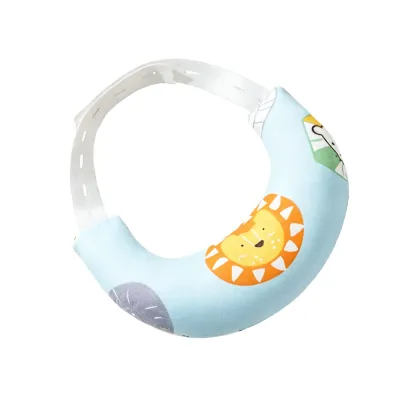
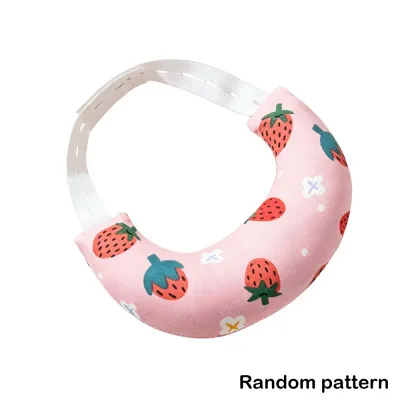
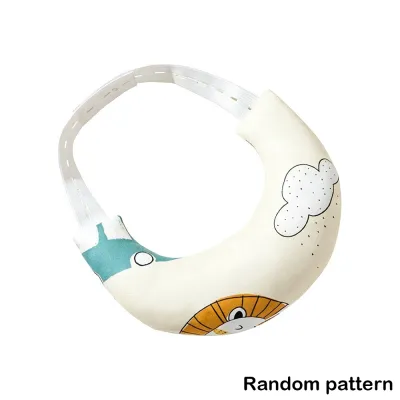
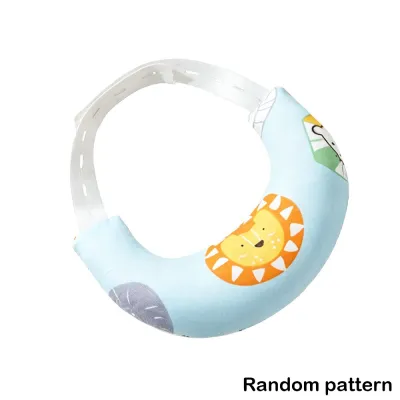
A curve pillow is a specially designed infant cushion that features a contoured center, raised outer borders, or a wedge-like incline. These products are constructed from materials like memory foam, latex, or dense polyester fiber, all shaped to cradle a baby’s head or body. Some designs are marketed as “head-shaping” pillows with a hollow center intended to prevent flat spots, while others are larger, nest-like loungers designed to keep the baby positioned on their back or at a slight incline.
Products mentioned in this guide
Prices are valid at publication and may change. Please refer to the product page for the latest price.

Parents often seek out these pillows to solve common, stressful infant care challenges. The desire to prevent flat head syndrome (positional plagiocephaly) is a major driver, as parents worry about the aesthetic and developmental impacts of a flat spot on their baby’s skull. Other parents turn to inclined curve pillows to manage infant acid reflux, hoping that elevating the baby’s head will prevent spit-up and soothe discomfort. Additionally, the sheer exhaustion of early parenthood leads many to search for any product that promises to mimic the cozy, secure feeling of the womb, hoping it will help a fussy baby sleep for longer stretches.
In a tropical climate like the Philippines, parents also look for products that promise comfort and breathability during humid nights. The marketing materials for these pillows often leverage these parental anxieties, using reassuring terms like “ergonomic,” “orthopedic,” and “pediatrician-approved” to build trust. However, these commercial claims frequently conflict with established safety science, as the very features designed to make the pillow feel cozy also make it highly dangerous for unsupervised sleep.
The Hidden Dangers: SIDS, Suffocation, and Airway Risks
To understand why curve pillows are hazardous, it is essential to look at the physiological and mechanical risks they pose to a developing infant. The primary danger is positional asphyxia, a silent and deadly condition that occurs when a baby’s physical position blocks their airway. An infant’s head is disproportionately heavy compared to the rest of their body, and their neck muscles are not yet strong enough to support or reposition it. When a baby is placed on a curved or inclined surface, their head can easily tilt forward, pressing their chin down toward their chest.
This chin-to-chest position compresses the infant’s trachea, which is soft and highly pliable, much like a flexible drinking straw. Once the trachea is kinked, oxygen flow is restricted or entirely cut off. Because infants do not have the developmental reflexes or neck strength to lift their heads and clear their airways, they can suffocate silently without making a sound or showing signs of a struggle. This risk is present during any period of sleep on an incline or contoured surface.
Another significant hazard is rolling and entrapment. The raised borders and soft, curved recesses of these pillows can cause a baby to roll slightly to the side or slide downward. Even if a newborn is not yet capable of rolling over on a flat mattress, the physical contours of a curve pillow can cause them to tilt. If the baby’s face becomes pressed against the raised edge or the fabric cover of the pillow, they can quickly suffocate.
Additionally, curve pillows increase the risk of carbon dioxide rebreathing. When an infant sleeps in a small, enclosed, or deeply contoured space, their exhaled breath can become trapped in the surrounding fabric and foam. Instead of drawing in fresh, oxygen-rich air, the baby repeatedly inhales their own exhaled carbon dioxide. This leads to hypoxia and hypercapnia, which can depress the baby’s central nervous system and suppress their natural arousal reflex, a critical factor linked to SIDS.
Many manufacturers attempt to address these concerns by using “breathable” mesh fabrics or “anti-suffocation” materials. However, parents must understand that fabric breathability does not prevent positional asphyxia. If the pillow’s physical geometry forces the baby’s head forward into a chin-to-chest position, the airway will remain blocked regardless of how much air can pass through the outer cover. The hazard lies in the shape of the pillow itself, not just the materials used to make it.
Pediatric Safe Sleep Guidelines vs. Product Marketing
Pediatric safe sleep guidelines are established through decades of rigorous clinical research and observational data. The core pillars of these guidelines are straightforward: a baby should always be placed on their back to sleep, on a firm, completely flat mattress, in a crib, bassinet, or play yard that is entirely free of loose blankets, pillows, bumper pads, stuffed toys, or positioners. These guidelines are designed to eliminate any physical hazards that could block a baby’s airway or cause overheating.
In contrast, the marketing strategies used by manufacturers of curve pillows often exploit regulatory loopholes. Because these products are frequently classified as “nursery accessories” rather than medical devices, they are not subject to the same strict safety testing as cribs or bassinets. Manufacturers may use terms like “doctor-recommended” or “ergonomically designed for infant comfort” without providing any clinical evidence to support these claims. They may also show photos of peacefully sleeping babies on their packaging or social media, creating a false sense of security for buyers browsing online marketplaces.
Pediatric organizations do not endorse “anti-reflux” wedges or “head-shaping” pillows for infant sleep. The consensus among medical professionals is that the unproven benefits of these products are far outweighed by the very real risks of SIDS and suffocation. When setting up your baby’s sleep space, do not rely on commercial marketing claims. Instead, verify that any sleep surface you use complies with mandatory infant sleep safety standards, which require a completely flat, horizontal surface with an incline of no more than 10 degrees.
When Is It Safe to Use a Curve Pillow? (Supervised Awake Time)
While curve pillows are entirely unsafe for sleep, there are strict, narrow scenarios where they can be used safely during the day. The absolute rule for using any contoured or inclined infant pillow is that it must only be used during supervised awake time. This means the baby is fully awake, and a caregiver is actively watching them without distractions. A curve pillow should never be used if the baby is asleep, or if the caregiver is sleeping, resting, or occupied with other tasks.
Acceptable supervised uses include brief periods of awake lounging, where the baby is placed on the pillow to look around the room while you sit directly next to them. If the design of the pillow allows and the manufacturer’s instructions explicitly permit it, the pillow can sometimes be used to support a baby’s chest during tummy time, provided the baby is developmentally ready and shows sufficient neck control. It can also be used to help support your arms while holding the baby upright after a feeding, as long as you maintain full control of the baby’s positioning.
Parents must establish clear stop conditions when using these products. If the baby begins to show signs of drowsiness, closes their eyes, or falls asleep, you must immediately remove them from the pillow and place them on their back on a firm, flat mattress. Similarly, if the baby starts showing signs of rolling over, or if you need to leave the room, look away, or attend to another task, you must stop using the pillow immediately. Never leave an infant unattended on a curve pillow, even for a few seconds, as a dangerous shift in position can happen in the blink of an eye.
Safe Alternatives for Reflux, Comfort, and Head Shaping
Fortunately, parents do not need to rely on hazardous pillows to manage the common challenges of infant care. There are highly effective, pediatrician-approved alternatives that address reflux, flat head prevention, and comfort safely.
If your baby suffers from acid reflux, the safest approach is to keep them upright for 20 to 30 minutes after every feeding while they are awake. You can hold them against your shoulder or use a safe, ergonomic baby carrier. When it is time for sleep, always lay them flat on their back. The natural anatomy of an infant’s esophagus and trachea actually protects them from choking on spit-up when they are lying flat on their back. If your baby’s reflux is severe, causes pain, or interferes with weight gain, consult your pediatrician for professional medical advice and safe treatment options.
To prevent flat head syndrome, prioritize supervised tummy time multiple times a day when your baby is awake and active. Tummy time strengthens the neck, shoulder, and back muscles, reducing the time your baby spends lying on the back of their head. You can also alternate the direction your baby faces in their crib each night. Because babies naturally turn their heads toward the room or a light source, rotating their position in the crib encourages them to look in different directions, distributing pressure evenly across their skull. Additionally, try to limit the amount of time your baby spends in passive seating devices like car seats, strollers, or bouncers during the day.
For babies who need extra comfort to settle, safe swaddling is an excellent option for newborns who cannot yet roll over. A swaddle provides a secure, snug feeling that mimics the womb without introducing loose bedding hazards. Once your baby shows any signs of trying to roll over, transition them to a wearable blanket or sleep sack. In the warm and humid climate of the Philippines, choose lightweight, breathable fabrics like cotton or bamboo to keep your baby cool and comfortable, preventing the risk of overheating during sleep.
Frequently Asked Questions (FAQ)
Can I use a curve pillow if my baby has acid reflux?
No, you should not use a curve pillow or any inclined sleep positioner for a baby with acid reflux. While it may seem logical to elevate their head, clinical studies show that inclined sleep surfaces do not significantly improve reflux symptoms and instead introduce a high risk of positional asphyxia and SIDS. The safest position for a baby with reflux is flat on their back on a firm mattress. If your baby’s reflux is severe, consult a pediatrician to discuss safe, evidence-based management strategies.
At what age is it safe for a baby to sleep with a regular pillow?
Pediatric guidelines generally recommend waiting until a child is at least 1 to 2 years old before introducing a small, firm pillow to their sleep environment. This transition typically coincides with moving the child from a crib to a toddler bed. Infants and young toddlers do not require pillows for spinal support or comfort, as their bodily proportions are different from adults. Introducing a pillow before this age only adds unnecessary suffocation, choking, and entrapment hazards to their bed.
Community discussion
Share your experience or ask a question. Comments are reviewed before publication.