
The Short Answer: Are Crib Nests Safe for Newborn Sleep?
Crib nests—often marketed as baby nests, sleep positioners, or infant loungers with soft, raised edges—are not safe for unsupervised newborn sleep. While these products are widely advertised as cozy, womb-like spaces that help infants settle down, they do not meet established safe sleep standards. Using a crib nest for a newborn introduces severe, preventable hazards to the nursery, including the risk of suffocation, physical entrapment, and Sudden Infant Death Syndrome (SIDS).
Many parents find these products appealing because they look comfortable and are heavily promoted on social media and ecommerce platforms. However, infant sleep safety requires a firm, flat surface free of soft borders or plush materials. Because newborns lack the physical strength and motor control to rescue themselves from hazardous positions, a crib nest for newborn use should never be placed inside a crib, bassinet, or play yard for overnight sleep or unmonitored naps. Understanding the specific physical risks associated with these products is the first step in creating a secure environment for your baby.
Why Crib Nests Pose Serious Risks to Newborns
To understand why crib nests are hazardous, it is helpful to look at their physical design. A typical baby nest features a soft, padded mattress base surrounded by raised, plush fabric bumpers. While this structure is intended to hug the baby and prevent them from rolling, the very features designed for comfort are the ones that pose the greatest danger. When a sleeping infant is placed inside these high, soft boundaries, their immediate environment becomes highly restricted, creating physical and physiological hazards.
Products mentioned in this guide
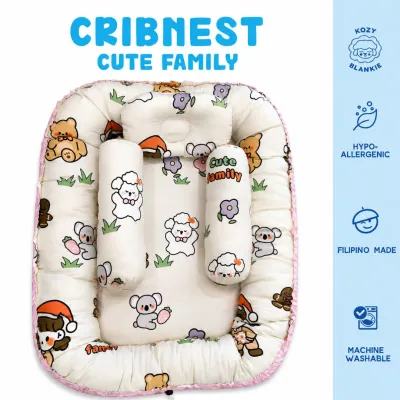
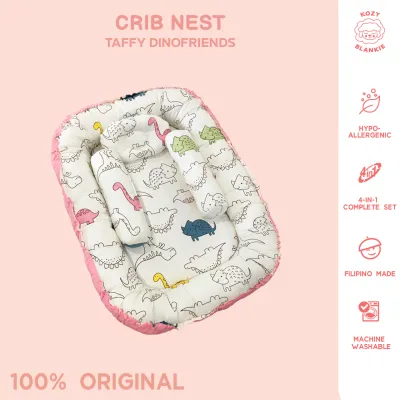
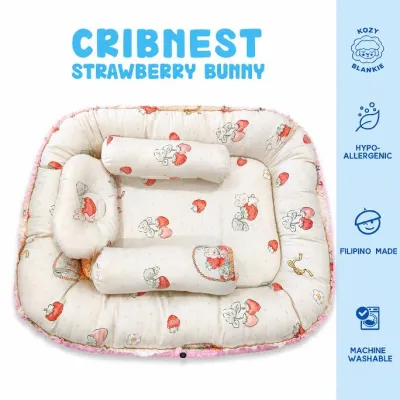
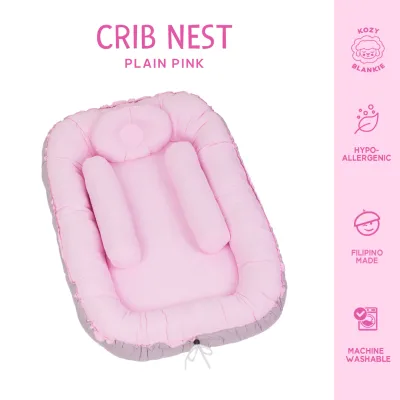
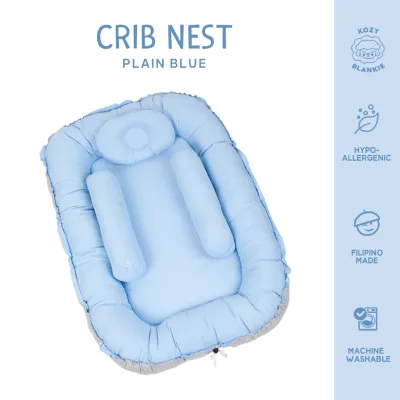
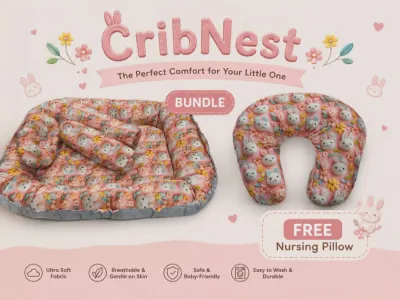
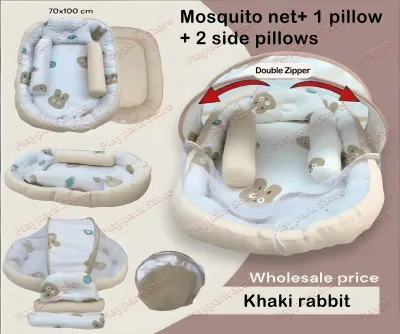
Prices are valid at publication and may change. Please refer to the product page for the latest price.

Suffocation and Entrapment Hazards
Newborns have very limited motor skills and weak neck muscles, meaning they cannot easily lift or turn their heads if their breathing is compromised. If a baby rolls slightly to the side or wiggles during sleep, their face can easily become pressed against the soft, padded bumper of the crib nest. Because these borders are made of plush, non-breathable fabrics, they can quickly block the baby’s nose and mouth, leading to rapid suffocation.
Another critical risk is positional asphyxiation. A newborn’s airway is highly flexible and about the width of a drinking straw. If the baby’s head chin-tucks forward because of the semi-reclined or uneven positioning caused by a soft mattress base, their trachea can bend and close off, stopping airflow entirely. This type of suffocation is completely silent; a baby experiencing positional asphyxiation cannot cry out or struggle, making unmonitored use of these nests incredibly dangerous.
Furthermore, the small, enclosed space of a nest increases the risk of entrapment. If a baby managed to turn or slide downward, they could get wedged between the mattress pad and the raised side bumper. Once trapped in this tight crevice, the infant is unable to extricate themselves, creating a high-risk situation that requires immediate, active intervention to prevent injury or death.
Carbon Dioxide Rebreathing and Overheating
Beyond the visible physical hazards, crib nests introduce invisible environmental risks. The tall, heavily padded sides of a baby nest restrict natural airflow around the infant’s face. When a baby breathes in an enclosed, recessed space, the carbon dioxide they exhale can become trapped within the borders of the nest. Instead of drawing in fresh oxygen, the baby repeatedly inhales their own exhaled carbon dioxide, a phenomenon known as rebreathing, which can lead to hypoxia and silent oxygen deprivation.
In tropical and humid climates, such as in the Philippines, this lack of airflow is compounded by the risk of overheating. Many commercial crib nests are filled with synthetic polyester fibers or dense foam that retains body heat. When a baby is nestled deeply inside these materials, their body temperature can rise rapidly, especially during warm afternoons or humid nights.
Overheating is a major, well-documented risk factor for SIDS. Infants cannot regulate their body temperature as efficiently as adults, and a baby who is too warm will fall into an unnaturally deep sleep, making it harder for their brain to wake them up if they experience a drop in oxygen. Parents must carefully monitor the nursery’s thermal conditions and avoid any bedding accessories that trap heat around the child.
What Safe Sleep Guidelines Recommend for Infant Beds
To keep your newborn safe, it is essential to contrast the design of plush baby nests with universally recognized safe sleep principles. Pediatric health experts worldwide agree on a simple, foundational approach to infant bedding: a baby should sleep alone, on their back, and in a certified crib, bassinet, or play yard. This approach is designed to eliminate every unnecessary variable from the sleep surface, ensuring the baby’s airway remains clear and unobstructed throughout the night.
A safe sleep surface must be firm, flat, and completely level. A mattress is considered sufficiently firm if it does not conform to the shape of the baby’s head or body when they are placed on it. The sleep area must be entirely free of loose blankets, pillows, stuffed toys, bumper pads, and sleep positioners. Any product that claims to keep a baby positioned in one place, or that adds soft cushioning to the bed, fundamentally violates these guidelines.
When setting up your nursery, remember that infants do not require soft surfaces to sleep comfortably. Their skeletal systems are highly flexible, and they sleep most soundly and safely on a firm surface. Before purchasing any sleep product, parents should verify its safety certifications and check for recent product recalls. If a manufacturer’s label indicates that a product is not intended for sleep, or requires constant adult supervision, it should never be used as a primary sleep space.
Safe and Cozy Alternatives to Crib Nests
It is completely natural for parents to want their newborns to feel secure, warm, and comforted while sleeping. Fortunately, you do not have to compromise on safety to provide a cozy environment. There are several highly effective, pediatrician-approved alternatives that mimic the snug feeling of a nest without introducing suffocation or overheating hazards.
Wearable Blankets and Sleep Sacks
Wearable blankets, commonly known as sleep sacks, are one of the safest alternatives to loose bedding and padded loungers. These garments are designed to fit snugly around the baby’s chest while allowing room for healthy hip development. They provide a continuous layer of warmth that cannot be kicked off, eliminating the risk of loose fabric shifting to cover the baby’s face during the night.
In warm, tropical climates, selecting the right material is crucial to prevent heat stress. Look for lightweight, breathable fabrics such as organic cotton, bamboo, or muslin with a low Thermal Overall Grade (TOG) rating, typically around 0.5 TOG or lower. These thin, breathable layers keep the baby comfortable in warm weather or under a ceiling fan without trapping excess body heat.
When purchasing a sleep sack, always check the manufacturer’s documentation to verify the appropriate age, weight, and size range for your child. The neck opening must fit securely so that the baby’s head cannot slip down inside the sack, while the armholes should be snug but comfortable. Stop swaddling or using restrictive sleep sacks as soon as your baby shows any signs of attempting to roll over, and transition them to a sleeveless wearable blanket that allows their arms to move freely.
Firm Mattresses with Fitted Sheets
The absolute safest foundation for your baby’s sleep is a high-quality, firm mattress designed specifically for their crib or bassinet. This mattress must fit tightly inside the crib frame, leaving no gaps wider than two fingers between the edge of the mattress and the crib rails. The mattress should be covered only by a tightly fitted sheet that wraps securely around the corners and does not bunch or pull loose.
Adding extra cushions, foam toppers, or folded blankets underneath the sheet to make the bed “softer” is highly dangerous and should be avoided entirely. A bare, flat mattress might seem sparse to adult eyes, but it provides the essential resistance a baby needs to push up, turn their head, and keep their airway completely open. For high-quality infant mattresses in the local market, prices generally range from ₱2,500 to ₱8,000 depending on the materials and breathability features. Investing in a certified, firm mattress is the single most important step in securing your baby’s sleep space.
Building a Safe Nursery Sleep Environment
Creating a secure nursery goes beyond choosing the right mattress; it involves managing the entire room environment to minimize sleep risks. By establishing a consistent, minimal sleep setup, you can ensure your baby remains safe during both daytime naps and overnight sleep sessions. Use this practical checklist to audit your baby’s sleeping area:
- Always Place Baby on Their Back: For every sleep session, place your baby flat on their back. This position keeps the trachea open and naturally reduces the risk of SIDS.
- Keep the Crib Bare: Remove all toys, stuffed animals, pillows, quilts, and bumper pads. The only items in the crib should be a firm mattress, a fitted sheet, and your baby in a safe sleep garment.
- Manage Room Temperature: Keep the nursery at a comfortable, cool temperature. In warm regions, use air conditioning or a well-positioned electric fan to circulate the air. Ensure the fan does not blow directly onto the baby, but rather keeps the room's ambient air moving to prevent heat pockets.
- Share a Room, Not a Bed: Keep the baby's crib or bassinet in your bedroom close to your bed for at least the first six months. This allows you to monitor them easily while avoiding the high risks associated with adult bed-sharing.
- Check Manufacturer Labels: Before assembly, read all product manuals and warnings. Verify the weight limits, age limits, and intended use of every piece of nursery furniture.
Every baby is unique, and developmental milestones can change their sleep needs rapidly. If your baby has specific health conditions, such as severe gastroesophageal reflux, or if you have questions about their physical development, consult your pediatrician. A qualified medical professional can provide personalized guidance tailored to your child’s health, helping you make informed decisions about their sleep environment.
Frequently Asked Questions (FAQ)
Can I use a crib nest for supervised, awake tummy time?
Yes, you can use a crib nest or infant lounger for supervised, awake tummy time, but only under strict and continuous caregiver supervision. The baby must be fully awake, active, and monitored by an adult who is looking directly at them the entire time. The nest should always be placed on a flat, low surface, such as the floor, and never on elevated surfaces like sofas, tables, or beds, where the baby could roll off.
However, you must stop using the nest and move the baby immediately if they show any signs of drowsiness, such as rubbing their eyes, yawning, or drifting off to sleep. The moment the infant falls asleep, they must be transferred to a firm, flat, safe sleep surface like a crib or bassinet. Because sleep can happen quickly and quietly, never leave a baby unattended in a crib nest, even for a moment.
Community discussion
Share your experience or ask a question. Comments are reviewed before publication.