
Direct Answer: Are Corner Protectors Safe for Teething Babies?
When your baby starts crawling and pulling themselves up, sharp furniture corners become immediate hazards. Installing a corner edge protector seems like the perfect solution to prevent painful bumps and bruises. However, if your little one is currently teething, those soft, rubbery corners quickly turn into tempting chewing surfaces.
The short answer is that corner edge protectors are not designed, tested, or approved to be used as teething toys. While many manufacturers market these items as baby-safe or non-toxic for impact protection, their primary function is shock absorption, not oral play. Whether a corner protector is safe for a chewing baby depends entirely on its specific material composition, the type of adhesive holding it in place, and its physical durability under pressure.
Leaving a teething baby unsupervised around these protectors introduces serious risks. If a baby manages to bite off a piece of foam or ingest toxic chemical residues from the adhesive, the consequences can be severe. Caregivers must understand that active supervision is always the first line of defense, and any protector showing signs of wear, peeling, or bite marks must be removed immediately.
Products mentioned in this guide
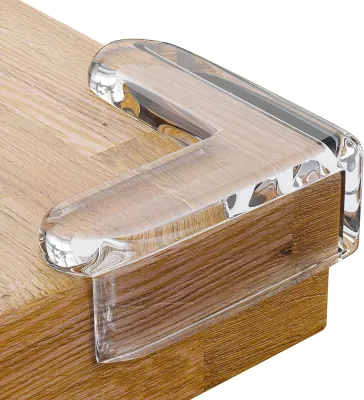
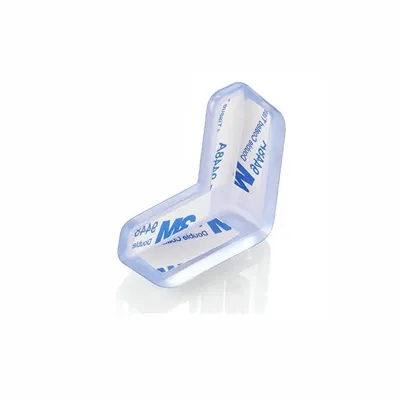
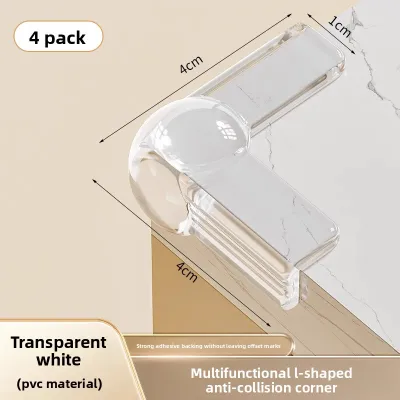
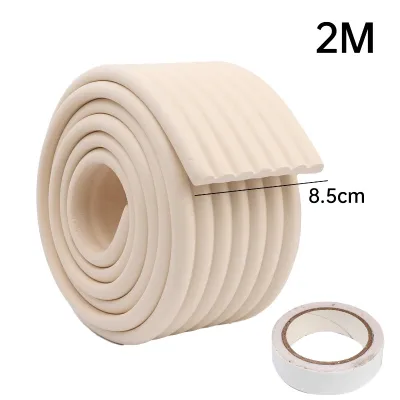
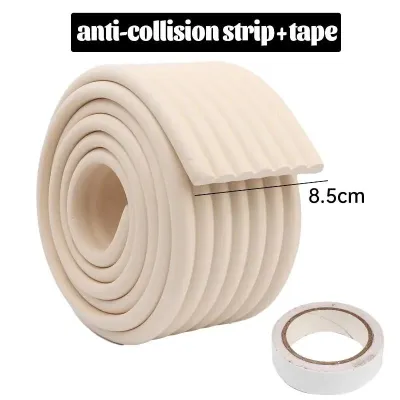
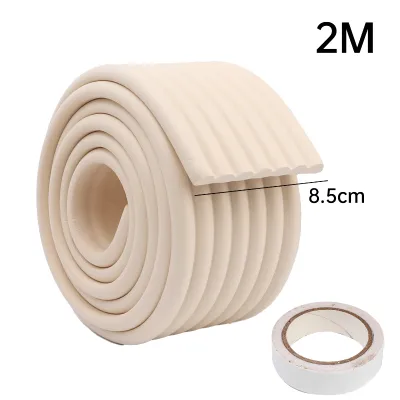
Prices are valid at publication and may change. Please refer to the product page for the latest price.
Evaluating Material Toxicity: Silicone, PVC, and Foam
To evaluate whether a corner edge protector poses a chemical risk, you must look closely at what it is made of. Manufacturers use a variety of plastics, rubbers, and foams to achieve the cushioning needed to soften an impact. When these materials are subjected to warm saliva and constant friction from baby teeth, their chemical stability is put to the test.

Silicone and Natural Rubber Protectors
If your baby tends to mouth everything in sight, 100% food-grade or medical-grade silicone is generally the safest material choice for corner guards. High-quality silicone is chemically inert, highly stable, and naturally resistant to extreme temperatures and moisture. Because it does not require plasticizers to remain flexible, pure silicone is free from bisphenol A (BPA), phthalates, lead, and other heavy metals.
However, not all silicone products on the market are created equal. Cheap, unbranded corner protectors sold on online marketplaces often contain chemical fillers to cut production costs. These fillers can degrade quickly when exposed to saliva, potentially releasing unknown compounds.
To ensure your child’s safety, always verify the product specifications rather than relying on generic product titles. Look for explicit manufacturer declarations of “100% food-grade silicone” or compliance with international food-contact standards. If a product has a strong chemical smell or turns white when twisted or stretched, it likely contains low-quality fillers and should be kept away from your baby.
PVC, EVA Foam, and Plastic Blends
Many budget-friendly corner protectors are made of polyvinyl chloride (PVC) or ethylene-vinyl acetate (EVA) foam. While these materials offer excellent cushioning against sharp edges, they present a much higher chemical risk for teething babies. PVC is inherently rigid and requires the addition of chemical plasticizers, commonly known as phthalates, to make it soft and pliable.
Over time, prolonged chewing and exposure to warm saliva can cause these plasticizers to leach out of the material. Phthalates are known endocrine disruptors that can interfere with a child’s hormonal development. Additionally, some foam manufacturing processes use blowing agents like formamide to create a soft, spongy texture, leaving behind chemical residues that are harmful if ingested or inhaled.
If you choose to use foam protectors, you must strictly verify that they are certified phthalate-free and formamide-free. In hot and humid tropical climates, such as in the Philippines, high ambient temperatures can accelerate the degradation of low-quality plastics and foams, making the risk of chemical leaching even more pronounced. If a manufacturer cannot provide clear documentation of these safety standards, it is best to avoid foam or PVC options entirely.
Adhesive Hazards: Toxicity and Peeling Risks
The material of the corner protector is only half of the safety equation; the adhesive used to secure it to your furniture is equally important. Most corner guards rely on double-sided tape or liquid adhesives to stay in place. Unfortunately, standard industrial adhesives and heavy-duty mounting tapes are not formulated for oral contact.
Many common adhesives contain acrylics, solvents, and volatile organic compounds (VOCs) that can be toxic if ingested or licked. When a baby chews on a corner protector, their saliva can seep underneath the edges, gradually breaking down the adhesive bond. This moisture, combined with the baby’s persistent pulling and picking, often causes the protector to peel away, exposing sticky, toxic residue directly to the baby’s tongue and fingers.
In highly humid environments, such as typical Philippine households, adhesive degradation happens much faster. The constant moisture in the air prevents weak glues from maintaining a secure bond, leading to premature peeling. A baby who spots a loose edge will naturally be drawn to pick at it, creating a double hazard of adhesive ingestion and a loose object in the mouth.
To mitigate this risk, select corner protectors that use certified baby-safe, non-toxic, or water-based adhesives. Before installing the guards, clean the furniture surface thoroughly to remove any oils or dust that could compromise the bond. Once applied, allow the adhesive to cure completely for the manufacturer-recommended timeframe—usually 24 hours—before allowing your baby near the furniture. Ensure the adhesive backing is fully aligned and completely hidden beneath the protector’s base so there are no exposed sticky edges.
Choking and Physical Hazards: Tears, Breakage, and Detachment
Beyond chemical toxicity, the physical structure of a corner edge protector presents significant mechanical hazards. A teething baby’s front teeth are surprisingly sharp and capable of exerting concentrated pressure. When applied to soft, low-density materials, this biting force can easily compromise the structural integrity of the guard.
Foam corner protectors are particularly vulnerable to tearing. With repeated biting and pulling, a baby can easily bite off small chunks of foam. These small, detached pieces pose an immediate and severe choking hazard, as they can easily block a baby’s narrow airway. Because foam is highly absorbent, it can also swell slightly when exposed to saliva, potentially worsening a blockage if swallowed.
Silicone protectors, while much tougher, are not immune to physical damage. If a silicone guard is not securely bonded to the furniture, a determined baby can pull the entire unit free. A detached silicone corner guard is small enough to fit completely inside an infant’s mouth, presenting a major choking risk.
To prevent these dangerous scenarios, caregivers must establish a routine of daily inspections. Check every corner protector in your home for signs of loose edges, deep teeth marks, structural cracks, or material thinning. If you notice any damage, do not attempt to patch it up with household glue or tape. Remove the compromised protector immediately and replace it with a new one, ensuring the surface is thoroughly cleaned before reapplication.
A Caregiver’s Checklist for Choosing and Verifying Safe Protectors
Navigating the vast array of baby-proofing products can be overwhelming, especially when online listings are flooded with unverified safety claims. To protect your teething baby, you must look past marketing buzzwords and perform a systematic verification of any product you bring into your home. Use the following structured checklist to guide your purchasing decisions:
- Material Composition: Prioritize 100% food-grade or medical-grade silicone. Avoid PVC and unverified EVA foam products, particularly if your baby is in an active teething phase.
- Adhesive Safety: Verify that the adhesive backing is non-toxic, lead-free, and free from harmful solvents. Look for reputable adhesive brands that specify high-temperature and humidity resistance.
- Independent Certifications: Do not rely on self-declared "eco-friendly" labels. Look for products that have undergone independent safety testing, such as compliance with European Toy Safety Standards (EN71) or American Society for Testing and Materials (ASTM F963) standards.
- Physical Design: Choose low-profile, rounded designs that are difficult for tiny fingers to grip and peel. Avoid oversized or highly detailed cartoon-shaped protectors that offer extra leverage for pulling.
- Manufacturer Transparency: Only buy from brands that provide clear contact information, detailed material safety data sheets (MSDS), and explicit age recommendations. If a seller cannot explain what materials or adhesives are used, do not buy the product.
Emergency Response: Ingestion and Choking First Aid
Even with the most meticulous baby-proofing and constant vigilance, accidents can happen. If your baby manages to bite off a piece of a corner protector or pull a guard loose, you must be prepared to act quickly and calmly. Your immediate response depends on whether the baby is actively choking or has simply swallowed a piece of the material.
If your baby is actively choking—meaning they cannot cry, cough, or breathe, or their skin is turning blue—you must immediately perform age-appropriate infant first aid. For infants under one year old, this involves alternating between five firm back blows and five quick chest thrusts. Have someone call emergency services immediately while you administer first aid. Never attempt a blind finger sweep of the mouth, as this can push the object deeper into the airway.
If your baby has swallowed a small piece of silicone, foam, or adhesive but is breathing normally, crying, and showing no signs of distress, the object has likely entered their digestive tract. Monitor your baby closely over the next 24 to 48 hours for any warning signs, including vomiting, difficulty swallowing, excessive drooling, abdominal pain, or changes in bowel movements.
In any case of ingestion, it is highly recommended to contact your pediatrician or a specialized medical authority, such as the National Poison Management and Control Center in the Philippines, for professional guidance. Keep the product packaging or a remaining piece of the protector on hand so you can provide the medical team with the exact material composition and dimensions. Do not attempt to induce vomiting or administer home remedies unless explicitly instructed to do so by a qualified healthcare professional.
Frequently Asked Questions (FAQ)
Can I use regular double-sided tape to reattach a loose corner protector?
No, you should never use standard household, craft, or industrial double-sided tapes to reattach a loose corner protector. These everyday tapes are not formulated or tested for oral safety and often contain toxic chemical solvents, acrylics, and heavy metals that can leach out when exposed to baby saliva. Furthermore, standard household adhesives lack the specialized bonding strength required to withstand a baby’s constant pulling and biting, leading to rapid detachment and an increased choking hazard. If a corner protector loses its stickiness, clean the furniture surface thoroughly and replace the entire unit, or use a manufacturer-approved, baby-safe replacement adhesive tape designed specifically for childproofing products.
Are transparent hard plastic corner guards safer than foam for teething babies?
Transparent hard plastic corner guards (typically made of acrylic or polycarbonate) offer some advantages over foam, but they are not entirely safe for teething babies. Because hard plastic is rigid, it cannot be easily chewed or torn into soft, swallowable pieces like foam, which reduces the risk of minor choking incidents from bitten-off chunks. However, if a baby bites down on hard plastic with enough force—or if the plastic degrades over time—it can crack or shatter into sharp, jagged shards that can cut the baby’s mouth or cause internal injuries if swallowed. Additionally, hard plastic lacks the shock-absorbing cushion of softer materials, making it less effective at preventing impact injuries. If your baby is an active chewer, high-quality, food-grade silicone remains the safest choice, as it combines excellent impact protection with superior durability and non-toxic properties.
Community discussion
Share your experience or ask a question. Comments are reviewed before publication.