
Quick Answer: Are Corner Edge Protectors Safe for Chewing?
When baby-proofing a home, a corner edge protector guard is often one of the first safety measures parents install on sharp wooden dining tables, TV consoles, and low shelves. However, because infants and toddlers naturally explore their environment using their mouths, these protective bumpers frequently become targets for chewing and teething. The short answer is that the safety of these guards depends entirely on their specific material composition, manufacturing standards, and independent testing certifications.
While almost all corner guards are designed to absorb physical impacts and prevent bumps, many budget-friendly options are not intended for prolonged oral exposure. Cheap plastics, low-grade foams, and uncertified rubbers can contain harmful chemical additives or tear easily under sharp baby teeth, posing both chemical and physical hazards. In a tropical climate like the Philippines, where high ambient heat and humidity can accelerate the degradation of low-quality polymers and adhesives, selecting a high-quality, non-toxic option is essential for your child’s safety.
Always verify the manufacturer’s recommended age range, development stage, and specific safety warnings on the packaging before installation. No baby-proofing device can replace active adult supervision, so caregivers must remain vigilant and regularly inspect the condition of any installed guards.
Products mentioned in this guide
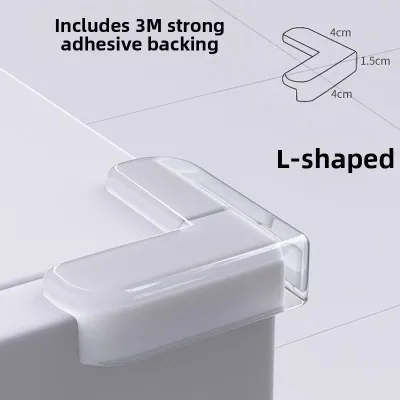
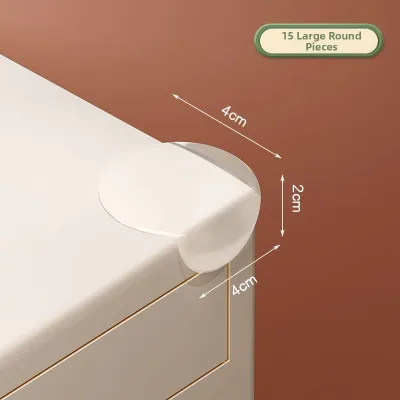
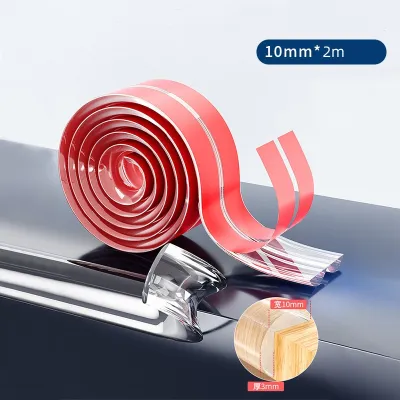
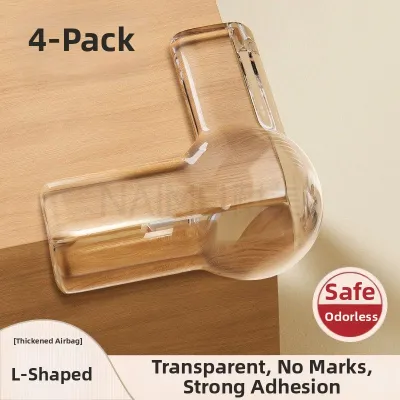
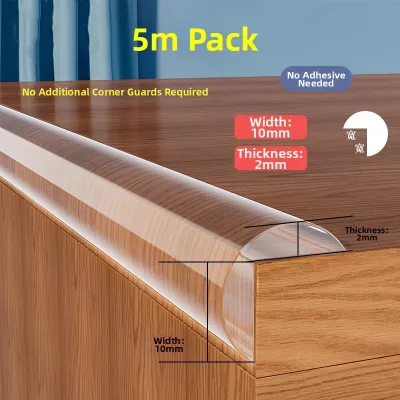
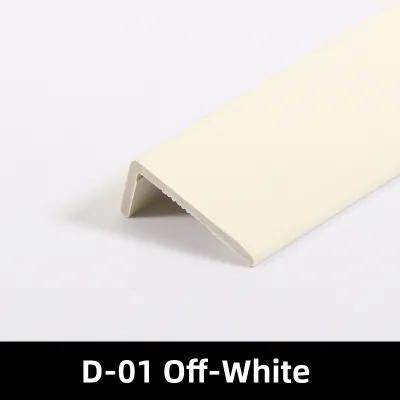
Prices are valid at publication and may change. Please refer to the product page for the latest price.
Common Materials Used in Corner Edge Protector Guards
Navigating the baby-proofing market requires a clear understanding of the materials used to manufacture these safety products. Different materials offer varying levels of impact resistance, durability, and chemical safety, which directly affects how they perform when subjected to constant chewing.

Silicone and Rubber Options
Food-grade silicone has become a highly recommended material for households with active teething babies. This synthetic polymer is exceptionally stable, highly resistant to temperature fluctuations, and naturally flexible without the addition of chemical plasticizers. Because it does not degrade easily when exposed to moisture and saliva, food-grade silicone is an excellent choice for high-humidity environments.
However, you must carefully verify that the product packaging explicitly states “100% food-grade silicone” or “medical-grade silicone.” General-purpose or industrial silicone can contain chemical fillers, curing agents, and colorants that are not safe for oral contact. Natural rubber is another flexible alternative, but caregivers should verify that it is free from impurities and be aware of potential latex allergies in sensitive infants.
PVC, Foam, and Plastic Alternatives
Many affordable edge protectors are made from Polyvinyl Chloride (PVC) or soft foams such as Nitrile Butadiene Rubber (NBR) and Ethylene-Vinyl Acetate (EVA). PVC is naturally a rigid plastic, meaning manufacturers must add chemical plasticizers—often phthalates—to make it soft, flexible, and cushiony. Because some phthalates are linked to developmental concerns, standard PVC options should generally be avoided unless they are certified phthalate-free.
Foam protectors provide excellent impact cushioning, but their soft, porous texture makes them highly vulnerable to tearing. When shopping for foam or plastic alternatives, look for clear labels indicating the product is “BPA-free,” “phthalate-free,” and “non-toxic.” These claims should always be treated as items to verify through independent testing standards rather than accepting them as absolute marketing facts.
Potential Chemical and Physical Risks of Chewing
Understanding the specific hazards associated with low-quality materials helps caregivers make informed decisions and establish safer home environments.
Chemical Exposure Concerns
When a baby chews on a low-quality plastic or foam guard, the mechanical action of biting combined with the enzymes present in human saliva can accelerate the breakdown of the material. This process can cause trace amounts of harmful chemicals to leach directly into the baby’s mouth. The primary chemicals of concern include phthalates, Bisphenol A (BPA), lead, and other heavy metals sometimes used in cheap colorants or stabilizers.
To minimize chemical exposure, avoid purchasing any corner guards that exhibit a strong, pungent chemical or plastic odor right out of the packaging, which is a common sign of chemical off-gassing. If the manufacturer’s instructions allow, wash the protectors thoroughly with mild baby-safe soap and warm water before installing them to remove any residual manufacturing oils or dust.
Choking and Tearing Hazards
While chemical exposure is a long-term concern, physical hazards present an immediate safety risk. Soft foam protectors (such as NBR) are highly susceptible to the sharp incisors of a teething baby. A determined toddler can easily bite off small chunks of soft foam or poorly cured rubber.
Once a piece of the protector is severed, it becomes an immediate choking hazard or can cause an intestinal blockage if swallowed. Caregivers must regularly perform physical inspections of all installed edge guards. If you observe any bite marks, deep indentations, or crumbling edges, stop using the product immediately and replace it with a more durable material, or consult a professional baby-proofing service for alternative solutions.
How to Choose Non-Toxic and Safe Protectors
When selecting a corner edge protector guard, look beyond appealing designs and focus on verifiable safety specifications and material integrity.
- Verify Independent Certifications: Look for products that have been tested against recognized international safety standards for toys and childcare articles. Common certifications include ASTM F963 (United States) and EN71 (Europe). In the local market, check if the product complies with the safety guidelines regulated by the Department of Trade and Industry (DTI) or the Food and Drug Administration (FDA) for children's products.
- Evaluate the Adhesive: The adhesive tape used to secure the guard is a frequent source of chemical exposure, as babies often chew on the edges where the tape is exposed. Opt for guards that utilize non-toxic, acrylic-based pressure-sensitive adhesives rather than solvent-based glues.
- Choose Safe Colors and Finishes: Select transparent or solid-color guards that do not feature painted designs, decals, or decorative topcoats. Painted surfaces can easily chip or peel off when exposed to continuous moisture and friction, leading to the ingestion of paint flakes.
- Consider Price as a Quality Indicator: High-quality, certified food-grade silicone protectors generally fall into a higher price band (typically ranging from ₱300 to ₱800 per pack), whereas uncertified foam options are often sold in budget price bands (under ₱100). Investing in certified options provides documented assurance of material safety.
Safe Cleaning and When to Replace
Maintaining the cleanliness and structural integrity of corner guards is essential to prevent the buildup of bacteria and ensure the material does not degrade prematurely.
To clean the protectors safely, wipe them down regularly with a clean microfiber cloth dampened with mild baby soap and water. Avoid using harsh household disinfectants, bleach, or isopropyl alcohol. These strong chemical agents can break down the polymer chains in plastics, rubbers, and foams, causing the material to become brittle, sticky, or release microplastics, while also leaving behind toxic chemical residues that a baby could later ingest.
In the warm, humid climate of the Philippines, adhesives can lose their grip more rapidly, and moisture can become trapped beneath the guard, promoting mold growth. You should immediately replace any corner protector if you observe any of the following conditions:
- Visible teeth marks, deep scratches, or missing chunks of material.
- The material feels sticky, brittle, or shows signs of discoloration.
- The adhesive begins to peel, lift, or fail, allowing the guard to be easily pulled off by a child.
- Mold or mildew growth is visible beneath transparent guards or along the edges.
Frequently Asked Questions (FAQ)
Can I use regular double-sided tape for edge protectors?
No, you should avoid using standard household or industrial double-sided tape. Regular utility tapes are not formulated for oral exposure and often contain volatile organic compounds (VOCs), chemical solvents, and strong adhesives that are toxic if ingested. Furthermore, standard adhesives tend to degrade rapidly when exposed to saliva and high humidity, causing the protector to detach easily. Always use the non-toxic, heavy-duty adhesive strips supplied by the manufacturer or source replacement tapes specifically certified as safe for baby products.
What should I do if my baby swallows a piece of the edge guard?
If you suspect or witness your baby biting off and swallowing a piece of an edge guard, immediately check their mouth and airway to remove any remaining loose pieces. If your child exhibits any signs of breathing difficulty, persistent coughing, gagging, wheezing, high-pitched breathing sounds, or severe physical distress, seek emergency medical help immediately. Do not attempt to induce vomiting or administer any home remedies. If the child is not showing immediate distress but you are concerned about potential toxicity or intestinal blockage, stop using the product and consult a qualified healthcare professional or pediatrician for guidance.
Community discussion
Share your experience or ask a question. Comments are reviewed before publication.