
Protecting your baby from mosquito bites is a top priority, especially during the humid, rainy months in the Philippines when dengue cases tend to rise. Many parents turn to natural alternatives like citronella-based products, including the popular Tiny Buds range, hoping for a gentle yet effective shield. While citronella is a widely recognized plant-based insect repellent, determining whether these products are entirely safe for your baby requires looking closely at the specific product format, your child’s age, and how you apply it.
Natural ingredients are often equated with absolute safety, but infant skin and respiratory systems are incredibly delicate. A product that is perfectly safe for a toddler might cause skin irritation or breathing discomfort in a newborn. Understanding the boundaries of natural repellents helps you make informed choices to keep your little one comfortable and secure.
Evaluating the Safety of Citronella Tiny Buds for Babies
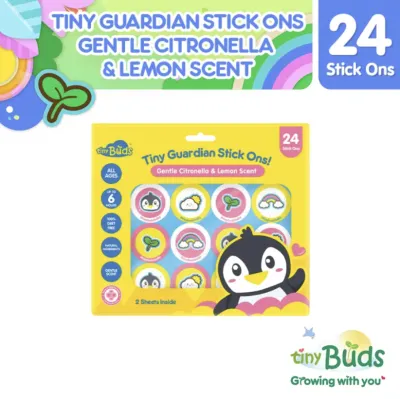
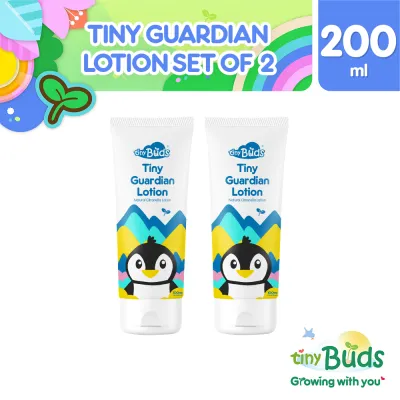
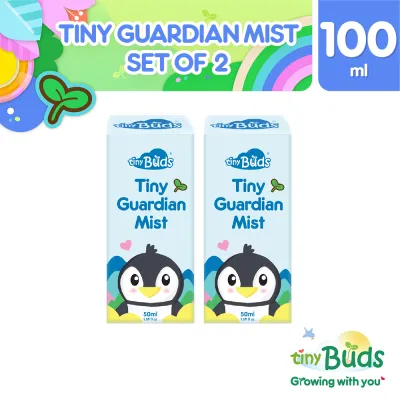
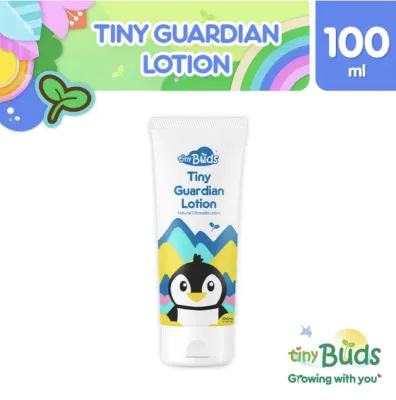
When parents search for citronella tiny buds, they are typically referring to citronella-infused baby care products, such as patches, sprays, lotions, or oils designed for infants and toddlers. These products leverage the natural aromatic properties of citronella oil to mask the scents that attract mosquitoes. However, the safety of these formulations is not universal; it depends heavily on the concentration of essential oils, the carrier ingredients, and the developmental stage of your baby.
Products mentioned in this guide
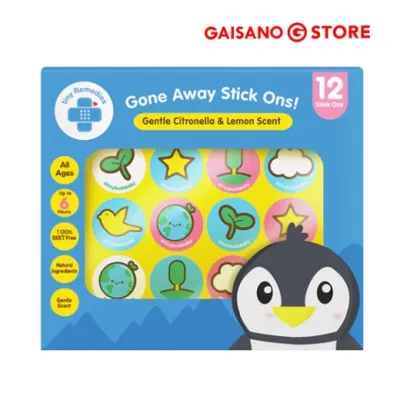
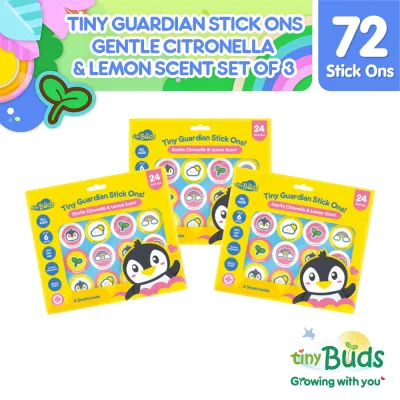
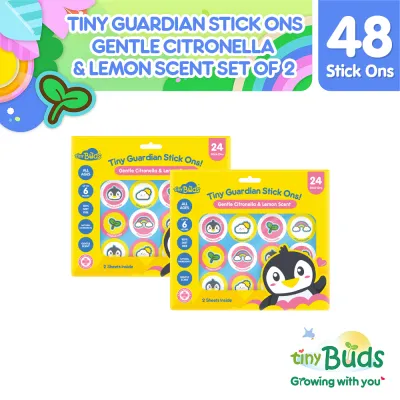
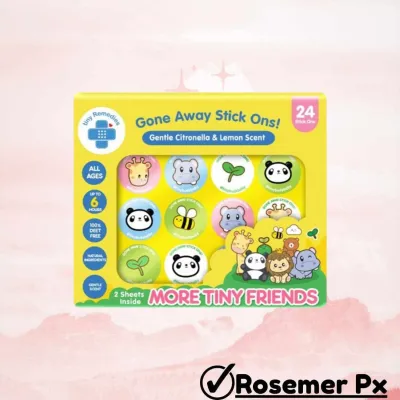
Prices are valid at publication and may change. Please refer to the product page for the latest price.
Although citronella is a plant-derived oil, it contains active organic compounds that can be highly potent. For a newborn or young infant, whose skin barrier is still developing and much thinner than an adult’s, direct exposure to these concentrated compounds can trigger adverse reactions. Additionally, their developing lungs are highly sensitive to strong fragrances, even those derived from natural sources.
Before introducing any citronella-based repellent to your baby’s routine, it is crucial to inspect the manufacturer’s packaging for specific age recommendations and a complete ingredient list. Never assume a product is safe for a newborn simply because it features “baby” or “natural” on the label. Different formulations within the same brand may have distinct age limits, requiring careful verification before purchase.
Potential Risks and Side Effects to Monitor
While citronella is a popular choice for pest protection, caregivers must remain vigilant for potential side effects. The most common issue is skin irritation, which can manifest as redness, localized rashes, or allergic contact dermatitis. This typically occurs when essential oils are applied directly to sensitive skin without sufficient dilution or when a baby has an individual sensitivity to the plant compounds.

Respiratory sensitivity is another critical factor to consider, particularly in enclosed or poorly ventilated spaces. The strong, distinct scent of citronella, while pleasant to many adults, can overwhelm an infant’s sensitive airways. Inhaling concentrated vapors or aerosolized spray particles can lead to coughing, sneezing, wheezing, or general breathing discomfort, especially in babies prone to infant asthma or allergies.
Ingestion hazards present a significant risk as babies explore their world by putting hands, toys, and fabrics into their mouths. If a citronella lotion or spray is applied to a baby’s hands, they may easily ingest the product while sucking on their fingers. Similarly, wearable citronella patches or stickers can pose a choking and toxicity hazard if a baby manages to peel them off and chew on them.
Age Restrictions and Safe Application Rules
To minimize these risks, parents must strictly adhere to the age limits specified on the product packaging. Pediatric guidelines generally advise against applying any essential oil-based repellents, including citronella, directly to the skin of infants under six months of age. For these very young babies, physical protection remains the safest and most reliable defense against mosquitoes.
When applying citronella products to older babies who meet the age requirements, always practice safe application zones. Avoid the baby’s hands, face, eyes, and any areas with cuts or irritated skin. A reliable method is to apply the product to your own hands first, then gently pat it onto the baby’s exposed limbs, ensuring you do not leave excess residue that the baby could easily wipe off and ingest.
Never spray citronella products directly onto a baby’s face or near their head, as this increases the risk of inhalation and eye irritation. If you are using a spray format, apply it in a well-ventilated area or outdoors before bringing the baby into the space. Avoid using strong aromatic repellents in unventilated nurseries or enclosed bedrooms where the baby sleeps, as the concentrated scent can linger and irritate their airways overnight.
Safer Alternatives for Infant Mosquito Protection
For parents seeking to protect young infants without relying on chemical or essential oil applications, physical barriers offer excellent, risk-free defense. Installing tightly fitted mosquito nets over cribs, playpens, and strollers is highly effective in keeping pests away during naps and outdoor walks. Dressing your baby in loose, light-colored, long-sleeved clothing and long pants also provides a physical shield while keeping them cool in tropical humidity.
Managing the household environment is another powerful way to reduce mosquito exposure without chemical intervention. Regularly inspect your home and yard for any standing water, such as in flowerpot saucers, uncovered buckets, or clogged gutters, which serve as breeding grounds for dengue-carrying mosquitoes. Ensuring that window and door screens are intact and keeping indoor spaces well-ventilated can significantly lower the risk of pests entering your living areas.
If you live in or are traveling to an area in the Philippines with high mosquito activity, consult your pediatrician before introducing new repellents. A qualified professional can recommend age-appropriate, clinically evaluated options and guide you on the safest protective measures tailored to your baby’s health profile and developmental stage.
When to Stop Use and Seek Medical Help
Caregivers must monitor their baby closely after applying any new product. Stop using the citronella product immediately if you notice any signs of an adverse reaction, such as sudden skin redness, hives, persistent coughing, watery eyes, or unusual fussiness. Promptly wash the treated skin gently with mild baby soap and cool water to remove any remaining residue.
While mild skin irritation can often be managed by discontinuing the product, certain symptoms require immediate professional medical attention. Seek emergency care if your baby exhibits signs of a severe allergic reaction, such as swelling of the face, lips, or tongue, or if they experience difficulty breathing, rapid respiration, or extreme lethargy. Accidental ingestion of citronella oils or patches also warrants an immediate visit to a healthcare facility or contact with a poison control center.
Frequently Asked Questions (FAQ)
Can I apply citronella tiny buds to my baby's clothes instead of skin?
Applying citronella-based repellents to your baby’s clothing rather than directly to their skin is a practical way to reduce the risk of dermal irritation. However, this method does not completely eliminate all risks, as the baby can still inhale the strong vapors or chew on the treated fabric. Always check the specific product label to ensure the formulation is safe for fabrics and will not cause staining, and ensure the treated clothing is kept away from the baby’s mouth.
Are citronella patches safer than sprays for infants?
Citronella patches and stickers are often considered a convenient alternative because they avoid direct skin contact entirely. However, they introduce a different set of safety concerns, primarily the risk of choking or ingestion if the baby peels the patch off and places it in their mouth. If you choose to use patches, place them on areas the baby cannot easily reach, such as the upper back of their clothing, and maintain constant supervision while they are worn.
How often should I reapply natural mosquito repellents?
Natural insect repellents, including citronella oil, tend to evaporate much faster than synthetic alternatives, meaning their protective effects may wear off more quickly. You should consult the manufacturer’s instructions on the packaging for specific reapplication intervals, taking care not to exceed the recommended daily limits. If you find yourself needing constant reapplication, consider combining the repellent with physical barriers like mosquito nets for more sustainable protection.
Community discussion
Share your experience or ask a question. Comments are reviewed before publication.