
As a parent in the Philippines, protecting your little one from mosquito bites is a top priority, especially during the humid rainy season when dengue cases tend to rise. While searching for gentle alternatives to chemical insect repellents, you have likely come across the citronella patch. These colorful stickers are often marketed as a natural, plant-based way to keep bugs at bay. However, before you stick one on your baby’s gear or clothing, it is essential to understand that “natural” does not automatically mean safe for a developing infant.
The Short Answer: Are Citronella Patches Safe for Infants?
While citronella patches are often marketed as a gentle alternative to chemical repellents like DEET, they are not entirely risk-free. Their safety heavily depends on your baby’s exact age, individual skin sensitivity, and how the patch is applied. Because essential oils contain highly concentrated active compounds, “natural” or “plant-based” ingredients can still trigger adverse physical reactions in small bodies.
Before introducing any essential oil-based product to your baby’s environment, you must always read the specific product label for age restrictions and consult your pediatrician. While these patches can be a useful tool when used correctly, they must be treated with the same caution as any other health or protective product.
Products mentioned in this guide
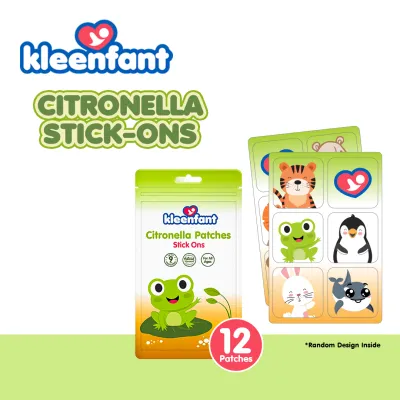
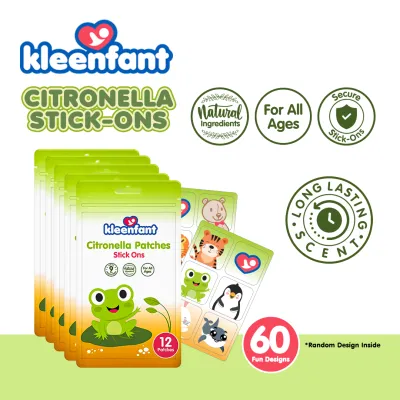
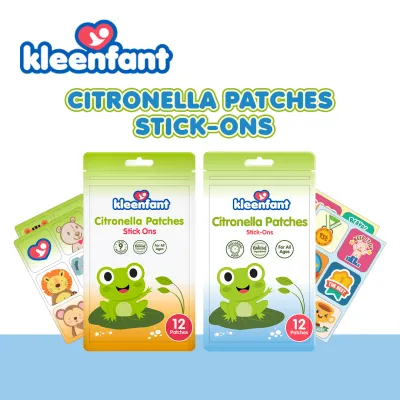
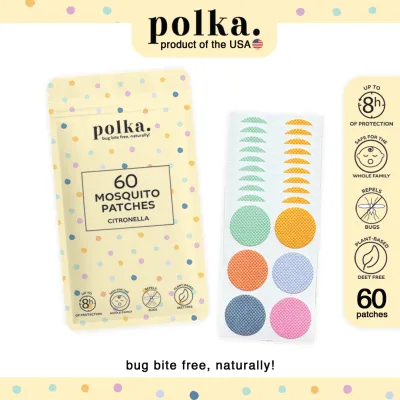
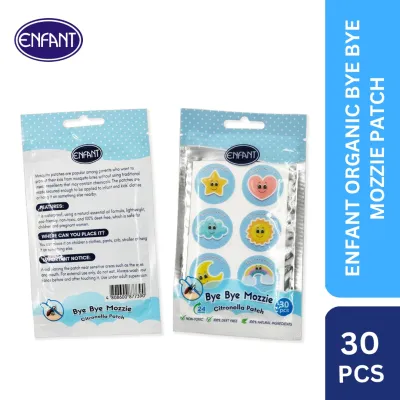
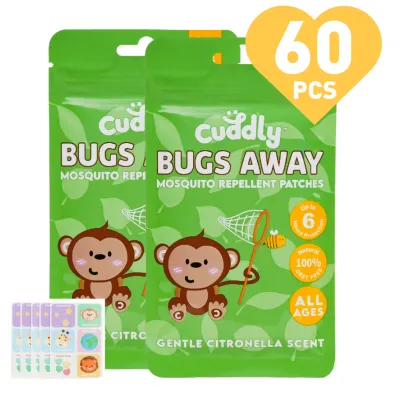
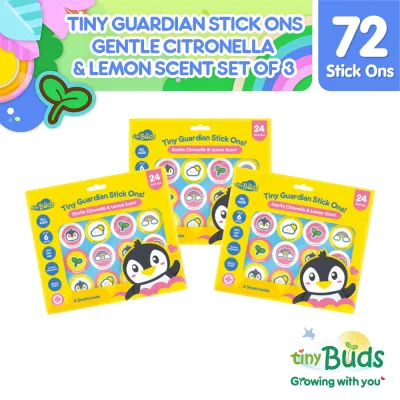
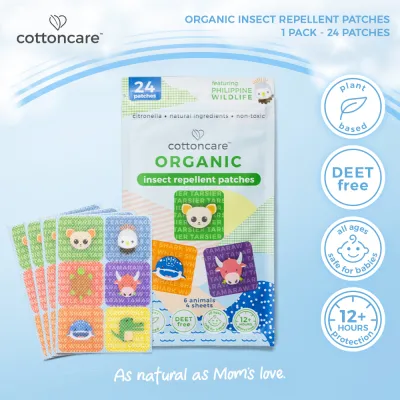
Prices are valid at publication and may change. Please refer to the product page for the latest price.
Potential Risks: Skin Sensitivity and Respiratory Concerns
An infant’s body is still developing, which makes them far more vulnerable to external substances than adults. Baby skin is significantly thinner, more permeable, and more reactive to concentrated essential oils. Additionally, their respiratory pathways are highly sensitive to strong, volatile scents.

Contact Dermatitis and Skin Irritation
If the adhesive backing or the concentrated citronella oil itself comes into direct contact with your baby’s skin, it can trigger contact dermatitis. This localized allergic reaction typically manifests as redness, swelling, itching, or small bumps. If your baby already has a compromised skin barrier—such as areas affected by eczema, diaper rash, or tropical heat rash—direct or even indirect exposure to concentrated essential oils can exacerbate these conditions, causing severe chemical irritation or painful inflammation.
Inhalation Risks for Developing Lungs
Citronella oil works by releasing volatile organic compounds (VOCs) into the air to mask the scents that attract mosquitoes. While this strong aroma is what deters pests, it can easily overwhelm an infant’s highly sensitive, developing respiratory system. Placing a patch too close to your baby’s face, such as on their collar or the upper chest of their clothing, can cause them to inhale a high concentration of these vapors. This can lead to immediate respiratory discomfort, including coughing, sneezing, watery eyes, or runny noses. For babies with reactive airways or underlying respiratory sensitivities, these strong botanical vapors can trigger more pronounced breathing difficulties.
Age Restrictions: When Can Babies Use Citronella?
Pediatric guidelines generally advise extreme caution or complete avoidance of essential oil-based repellents on newborns and very young infants. Many health organizations recommend keeping essential oils away from babies under six months of age entirely due to their highly sensitive skin and respiratory systems.
Because formulation strengths, concentrations, and adhesive materials vary significantly across different brands, you must strictly follow the manufacturer’s minimum age requirement printed on the product packaging. Do not rely on generic online advice or broad marketing claims like “safe for all ages.”
Certain high-risk groups of infants should avoid citronella patches entirely unless you have received explicit clearance from a pediatrician:
- Premature infants, whose respiratory systems and skin barriers are even more delicate than full-term babies.
- Babies with active eczema, broken skin, or severe skin allergies.
- Infants diagnosed with asthma, reactive airway disease, or other chronic respiratory conditions.
If your baby is near the borderline of the product’s recommended age limit, always err on the side of caution and consult your healthcare provider before use.
Essential Precautions for Safe Application
If you and your pediatrician decide that citronella patches are appropriate for your baby, taking specific precautions can significantly minimize the risk of adverse reactions.
Proper Placement and Clothing Barriers
The golden rule of using a citronella patch is to never apply it directly to your baby’s bare skin. Instead, utilize clothing or external gear as a physical barrier. Safe zones for application include:
- The lower pant legs of their clothes
- The outer layers of a jacket or sweater
- External baby gear such as the stroller canopy, the outer frame of a car seat, or the underside of a high chair
Avoid “no-go” zones entirely. Never place a patch on the collar, upper chest, sleeves near the hands, or any area within your baby’s reach. Babies are naturally curious and constantly put their hands and objects into their mouths; placing a patch where they can easily peel it off poses a severe risk.
Duration, Ventilation, and Supervision
Limit the duration of patch use to when it is actively needed, such as during outdoor afternoon strolls. Once you bring your baby back indoors or into a well-ventilated, air-conditioned room, immediately peel off and safely discard the patch. Never leave a patch on a sleeping baby unsupervised.
Constant caregiver supervision is critical when a patch is in use. You must monitor your baby to ensure they do not pull the sticker off. Apart from skin and respiratory risks, a loose patch is a major choking hazard and can cause dangerous chemical ingestion if swallowed.
Recognizing Adverse Reactions and Next Steps
As a parent, you must remain vigilant for any signs that your baby is reacting poorly to a citronella patch. Keep a close eye on their behavior and physical appearance during and immediately after use.
Observable signs of an adverse reaction include:
- Skin issues: Localized redness, hives, swelling, or a rash near where the patch was placed.
- Respiratory distress: Frequent coughing, sudden sneezing fits, wheezing, or labored breathing.
- General discomfort: Excessive, unexplained crying, rubbing of the eyes, or watery, bloodshot eyes.
If you notice any of these signs, take immediate, low-risk steps to alleviate the discomfort:
- Remove the citronella patch immediately and discard it safely out of the baby's reach.
- Take off any clothing that was in contact with the patch or may have absorbed the concentrated oil.
- Gently wash the affected skin area with mild baby soap and cool water to remove any residual oils or adhesive residue.
- Move your baby to a well-ventilated area with fresh, clean air or an air-conditioned room to help clear their airways.
If your baby exhibits spreading rashes, persistent coughing, difficulty breathing, swelling of the face or throat, or if you suspect they have placed a patch in their mouth or swallowed any part of it, stop use immediately and seek professional medical help or visit the nearest emergency care facility.
Frequently Asked Questions (FAQ)
Can I put a citronella patch directly on my baby's skin?
No, you should never apply a citronella patch directly to your baby’s skin. The adhesive backing can cause painful skin peeling or allergic contact dermatitis, while the highly concentrated citronella oil can cause chemical burns, redness, and severe irritation on delicate infant skin. Always stick the patch onto clothing or external baby gear like strollers and car seats.
Are citronella patches effective against dengue-carrying mosquitoes?
Citronella patches offer limited protection because essential oils evaporate quickly, creating only a small, temporary zone of protection around the patch itself. In tropical, high-humidity climates like the Philippines, where dengue-carrying mosquitoes are highly active, relying solely on patches is not enough. Pediatricians and health authorities recommend prioritizing physical barriers as your primary defense. This includes installing window screens, using fine-mesh mosquito nets over cribs and strollers, and dressing your baby in light-colored, long-sleeved clothing and long pants.
What should I do if my baby puts a citronella patch in their mouth?
If your baby puts a patch in their mouth, remain calm but act quickly. Immediately and gently remove the patch from their mouth. Use a clean, damp cloth to wipe the inside of their mouth, tongue, and lips to remove any remaining oil or adhesive. Do not attempt to induce vomiting, as this can cause the baby to inhale the volatile oils into their lungs, which is extremely dangerous. Monitor your baby closely for any signs of coughing, choking, drooling, or vomiting, and contact your pediatrician or a local poison control center immediately for professional guidance.
Community discussion
Share your experience or ask a question. Comments are reviewed before publication.