
Quick Answer: Assessing Buds and Blooms for Pregnancy Safety
Determining whether Buds and Blooms products are safe to use during pregnancy requires looking closely at the specific ingredient list of each individual product rather than relying solely on the brand name. While this brand is highly popular in the Philippines for its natural and plant-based formulations, there is no universal safety guarantee for an entire product line. Formulations can change, new ingredients can be introduced, and individual skin sensitivities often fluctuate during pregnancy.
Expecting mothers must verify the International Nomenclature of Cosmetic Ingredients (INCI) list on every packaging label. A common misconception is that botanical or organic products are automatically safe for prenatal use. In reality, some natural extracts and essential oils can be highly active or irritating. To ensure the safety of both mother and baby, you should evaluate each product on a case-by-case basis and consult your obstetrician before introducing new items to your daily routine.
Ingredients to Avoid When Checking Your Skincare Labels
Navigating the beauty aisle while expecting can feel overwhelming, especially with the physiological changes that occur during these nine months. Knowing exactly which chemical compounds to avoid helps you filter out unsuitable products quickly, whether you are browsing local boutiques in Manila or shopping online.
Products mentioned in this guide
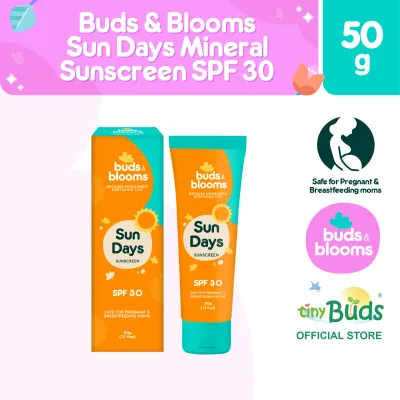
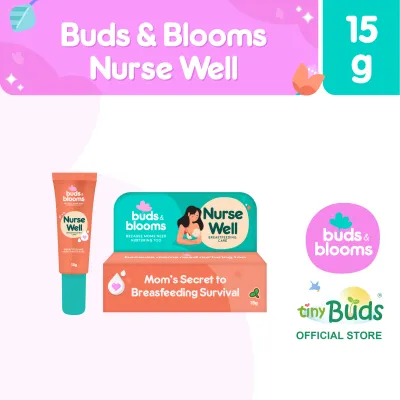
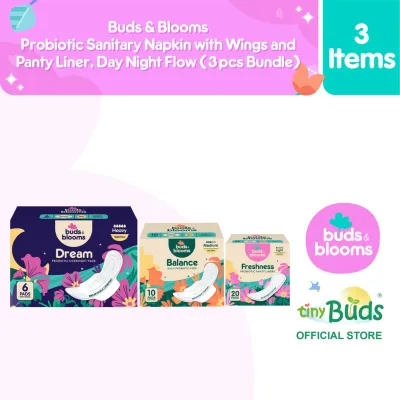
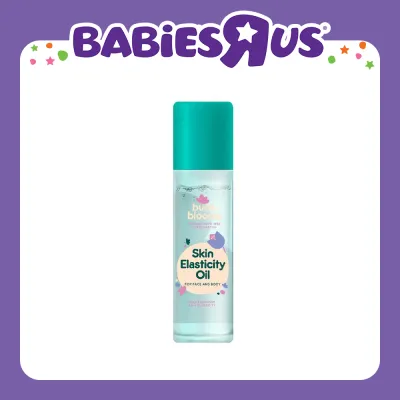
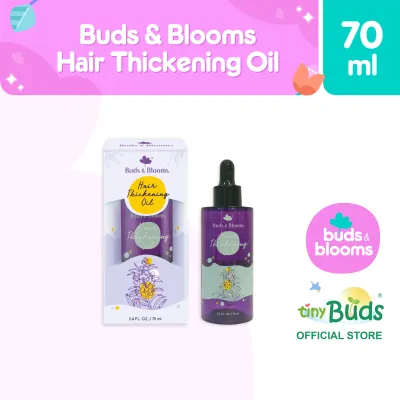
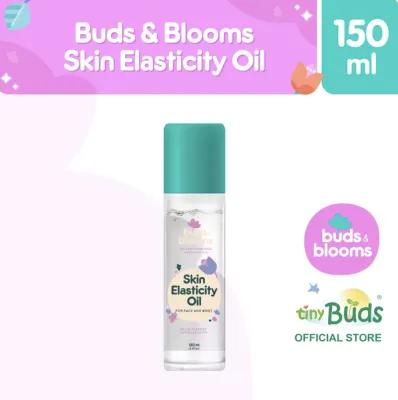
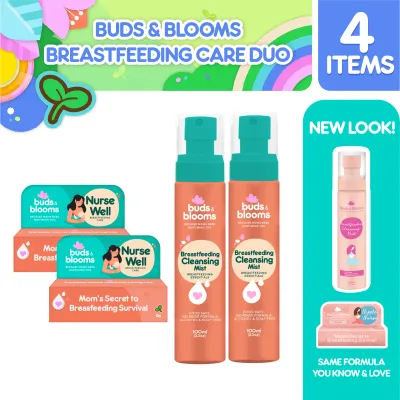
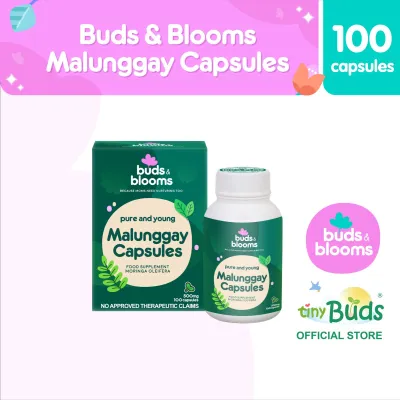
Prices are valid at publication and may change. Please refer to the product page for the latest price.

Retinoids, Hydroquinone, and Strong Exfoliating Acids
Vitamin A derivatives, collectively known as retinoids, are the gold standard for anti-aging and acne control, but they are widely advised against during pregnancy. This category includes retinol, retinyl palmitate, retinaldehyde, tazarotene, and adapalene. While topical absorption is generally low, clinical consensus recommends complete avoidance due to the established risks of systemic retinoids causing developmental issues in the fetus.
Hydroquinone, a powerful skin-lightening agent often used to treat hyperpigmentation, is another ingredient to cross off your list. It has an unusually high systemic absorption rate—estimated between 35% and 45%—meaning a significant amount of the topically applied chemical can enter your bloodstream and reach the placenta. Because of this high absorption rate, dermatologists advise pausing any hydroquinone treatments until after delivery and breastfeeding.
Strong exfoliating acids, particularly salicylic acid (a beta-hydroxy acid or BHA), require careful monitoring. High-concentration salicylic acid peels and leave-on serums can penetrate deep into the skin and should be avoided. However, low-dose wash-off cleansers containing 2% or less of salicylic acid are generally considered acceptable by medical professionals, provided they are used sparingly and under professional guidance.
High-Risk Essential Oils and Botanical Extracts
Many consumers assume that plant-derived ingredients are inherently gentle, but concentrated botanical extracts are biologically active chemical mixtures. Certain essential oils contain compounds that can cross the placental barrier or, in high doses, stimulate uterine activity. Oils such as clary sage, rosemary, jasmine, juniper, and pennyroyal should be avoided entirely during pregnancy due to these potential risks.
Even widely accepted botanicals like lavender or tea tree oil can cause contact dermatitis or skin sensitization, which often intensifies due to pregnancy hormones. When selecting maternity skincare, prioritizing fragrance-free formulations over heavily scented botanical products is a safer approach. This minimizes the risk of allergic reactions and helps prevent the nausea often triggered by strong scents during the first trimester.
How to Evaluate Buds and Blooms Product Labels
Reading a skincare label can feel like deciphering a foreign language, but mastering a few basic principles allows you to make informed decisions about your personal care products.
To begin, locate the INCI list on the back of your Buds and Blooms product. Ingredients are always listed in descending order of concentration. The first five to ten ingredients typically make up over 80% of the formulation, meaning they will have the most significant impact on your skin. If an active ingredient you wish to avoid is listed near the top, the product should be set aside.
Be vigilant about identifying hidden or chemical names for ingredients you want to avoid. For example, Vitamin A might be listed as retinyl palmitate or retinyl acetate rather than “retinol.” Similarly, salicylic acid might appear as willow bark extract, a natural source of salicin that behaves similarly to synthetic BHAs on the skin.
If you encounter an unfamiliar ingredient, cross-reference it with reputable pregnancy safety databases or consult a local pharmacist. While many Buds and Blooms products feature packaging claims such as “pregnancy-safe,” “obstetrician-tested,” or “hypoallergenic,” these marketing terms are not strictly regulated. Use these claims as helpful starting points, but always verify the actual ingredient list yourself or show it to your doctor during your next prenatal checkup.
The "Natural" Skincare Myth: Why Organic Is Not Always Safe
The marketing of “clean,” “organic,” and “all-natural” skincare has created a false sense of security among expecting mothers. It is critical to understand that nature produces some of the most potent toxins and allergens known, and plant-derived does not automatically mean risk-free.
Phytoestrogens are a prime example of natural compounds that require caution. Found in certain plant extracts like soy, red clover, and some seed oils, these compounds can mimic the hormone estrogen in the human body. During pregnancy, your endocrine system is already undergoing delicate and massive hormonal shifts. Introducing external phytoestrogens can sometimes trigger or worsen melasma, often referred to as the “mask of pregnancy,” which is particularly common in tropical climates like the Philippines due to intense sun exposure.
Another significant risk associated with organic skincare is the preservation system. Water-based products require robust preservatives to prevent the growth of harmful bacteria, mold, and yeast. Some ultra-natural brands avoid synthetic preservatives, which can lead to rapid spoilage. In the warm, high-humidity environment of the Philippines, preservative-free skincare can become a breeding ground for pathogens within weeks. Applying contaminated products to sensitized skin poses a direct infection risk to the mother, whose immune system is naturally suppressed during pregnancy.
Pregnancy-Safe Ingredients to Look For
While the list of ingredients to avoid may seem long, there are many safe, highly effective alternatives that can address common pregnancy skin concerns without posing risks to your baby.
For hydration and barrier repair, look for products containing hyaluronic acid, glycerin, ceramides, and squalane. These ingredients are naturally occurring substances in the skin or highly stable lipids that provide deep hydration without clogging pores. In humid tropical weather, lightweight gel-moisturizers containing these ingredients offer excellent hydration without feeling heavy or greasy on the skin.
If you are dealing with pregnancy-induced acne or melasma, safe active ingredients include azelaic acid, low-concentration lactic acid, and Vitamin C. Azelaic acid is highly recommended by dermatologists for its dual ability to clear acne-causing bacteria and gently fade hyperpigmentation. Vitamin C provides excellent antioxidant protection, which helps shield your skin from environmental damage and boosts the efficacy of your daily sunscreen.
To address stretching skin on the abdomen, thighs, and breasts, look for rich, simple emollients. Ingredients like pure cocoa butter, shea butter, sunflower seed oil, and cold-pressed virgin coconut oil are excellent choices. These natural fats deeply nourish the skin barrier, improve elasticity, and soothe the itching associated with expanding skin, all while maintaining an excellent safety profile for your developing baby.
When to Stop Use and Consult Your Doctor
Your skin undergoes significant physiological changes during pregnancy, including increased blood volume, stretching, and heightened sensitivity. Consequently, your skin may react negatively to products you used for years prior to conceiving.
Immediately stop using any skincare product if you experience signs of irritation or allergic reactions. These signs include persistent redness, burning, itching, hives, swelling, or sudden flaking. Wash the area thoroughly with cool water and avoid applying any other active products until the skin has completely healed.
Always consult your obstetrician or a board-certified dermatologist before starting a new skincare regimen, especially if you have a history of sensitive skin, eczema, or high-risk pregnancy conditions. Your healthcare provider can review the specific ingredient lists of your Buds and Blooms products to provide personalized advice tailored to your medical history, ensuring a safe and comfortable pregnancy journey.
Frequently Asked Questions (FAQ)
Are Buds and Blooms stretch mark products safe for the first trimester?
The first trimester is the most critical phase of fetal organ development, making strict ingredient scrutiny highly important. Before using any Buds and Blooms stretch mark creams or oils during this period, carefully check the label for high-risk essential oils or synthetic additives. If the complete ingredient list is unavailable or difficult to verify, it is safest to stick to plain, single-ingredient emollients like pure virgin coconut oil or high-quality cocoa butter until you can consult your obstetrician.
Do I need to switch my entire skincare routine when I find out I am pregnant?
You rarely need to discard your entire skincare collection upon learning you are pregnant. Most basic, gentle cleansers and simple moisturizers are perfectly safe to continue using. Instead of a complete overhaul, conduct a targeted review of your current products, including any Buds and Blooms items. Identify and temporarily pause only those products containing high-risk actives like retinoids, hydroquinone, or high-dose chemical exfoliants, replacing them with pregnancy-safe alternatives as needed.
Community discussion
Share your experience or ask a question. Comments are reviewed before publication.