
Bringing home a newborn comes with a steep learning curve, especially when trying to balance household chores with comforting a restless infant. A bouncy chair for baby care often seems like the perfect solution to give your arms a temporary break. However, many new parents wonder if these popular infant seats are truly safe for a fragile newborn.
The short answer is yes, a bouncy chair can be safe for a newborn, but this safety is entirely conditional. It depends on strict adherence to age and weight limits, correct seat positioning, and constant adult supervision. A bouncy chair must never be used as a substitute for a safe, flat sleeping environment like a crib or bassinet, nor should a baby be left in one for extended periods.
Are Bouncy Chairs Safe for Newborns?
When evaluating baby gear, safety is never a generic guarantee. For newborns, who are in a highly delicate stage of physical development, a bouncy chair is designed as an interactive or soothing station rather than a passive holding area. Before placing your little one in any seat, you must verify the manufacturer’s specific guidelines, as suitability is determined by physical milestones and weight rather than age alone.
Products mentioned in this guide
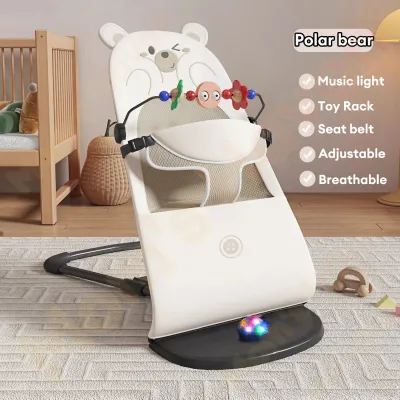
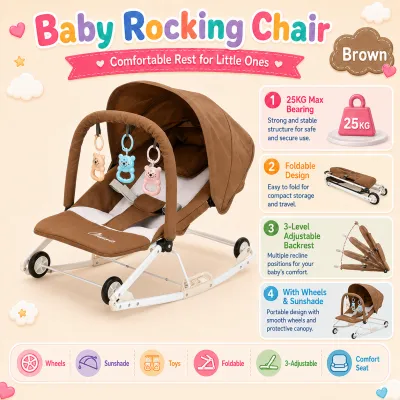
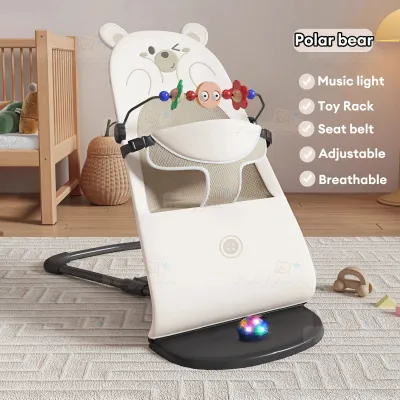
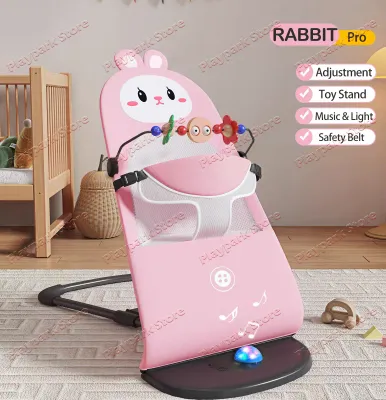
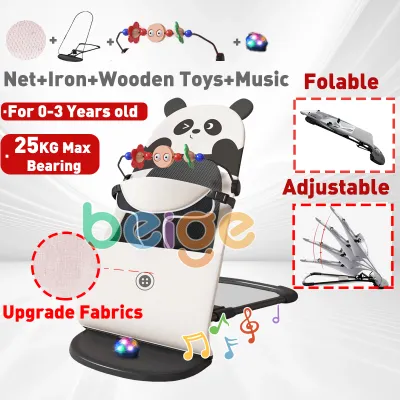
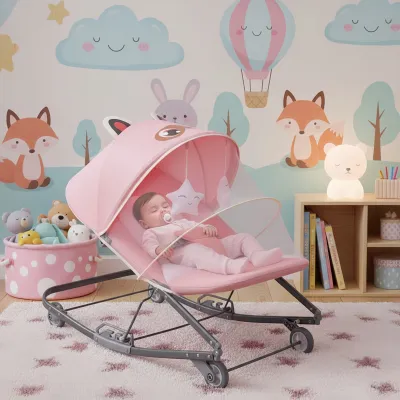
Prices are valid at publication and may change. Please refer to the product page for the latest price.
Newborns lack the neck strength to support their relatively heavy heads. Because of this physiological vulnerability, a bouncy chair must feature a deep, supportive recline that prevents the infant’s head from falling forward. It is vital to check the product documentation to ensure the model is explicitly rated for newborns, as some chairs are designed only for older infants who have achieved partial head control.
Additionally, caregivers must understand the primary purpose of a bouncy chair. It is an activity and soothing device meant to keep your baby calm and engaged while you are nearby. It is not designed for sleep. If your newborn begins to doze off, they must be transferred to a firm, flat surface to protect their developing airway.
Before using any bouncer, parents should also consider their infant’s medical history. If your baby was born prematurely, had a low birth weight, or has respiratory or muscular conditions, consult your pediatrician before using any semi-upright baby gear. A professional medical assessment ensures that your baby’s physical development is ready for the mild incline of a bouncy seat.
Primary Safety Risks to Understand
To use a bouncy chair safely, parents must first understand the specific physical risks associated with semi-upright infant seating. Recognizing these hazards allows you to take proactive measures to keep your baby out of harm’s way.

Positional Asphyxia
The most critical risk associated with semi-upright baby gear is positional asphyxia. A newborn’s airway is highly flexible and about the width of a drinking straw, with very little cartilage rigidity. Because young infants have weak neck muscles, their heavy heads can easily droop forward, pressing the chin against the chest. This position can crimp the trachea, silently restricting their oxygen supply without the baby crying, struggling, or showing obvious signs of distress.
Fall Hazards
Even though newborns cannot crawl or roll, they are still at risk of falls. A baby’s natural startle reflex or sudden kicking can cause a lightweight bouncy chair to shift or slide. If the chair is placed on an elevated surface—such as a kitchen countertop, dining table, sofa, or bed—the movement can cause the chair to tip over or fall to the floor. Furthermore, an unbuckled or improperly buckled baby can slip down and fall out of the seat.
Overuse and Developmental Restrictions
Leaving an infant in a bouncy chair or other seating devices for prolonged periods can lead to “container baby syndrome.” This term describes a range of developmental and physical issues caused by keeping a baby restrained in gear that limits natural movement. Overuse can delay essential motor milestones like rolling, sitting, and crawling. It also increases the risk of plagiocephaly, commonly known as flat head syndrome, because of the constant pressure on the soft bones of the baby’s skull. In warm, humid environments like the Philippines, prolonged contact with synthetic seat fabrics can also trap heat and sweat, leading to uncomfortable skin irritation or heat rash.
Essential Safety Features to Check Before Buying
Selecting the right bouncy chair for baby safety requires a close inspection of the product’s physical design and structural integrity. Do not rely on attractive patterns or marketing claims; instead, look for these concrete safety features.
Secure Harness System
A robust harness system is non-negotiable for preventing falls and keeping your newborn securely positioned. Look for a three-point or five-point restraint system made of durable, adjustable straps. The straps should fit snugly over your baby’s shoulders and around their hips, preventing them from sliding downward or slumping to one side. The buckle should be secure enough that it cannot be accidentally released by a sibling or the baby’s own movements.
Sturdy Frame and Wide Base
The stability of the chair relies entirely on its frame design. Choose a bouncy chair with a wide, low-profile base that distributes weight evenly. This prevents the chair from tipping over when the baby kicks or wiggles. The bottom of the frame should feature non-slip rubber grips or feet to prevent the chair from sliding across smooth flooring, such as the ceramic tiles or polished wood common in Philippine homes.
Recline Options
Newborns require a deep, supportive recline to keep their airways open. Look for a bouncy chair that offers multiple recline options, including a near-flat setting specifically designed for the first few weeks of life. Avoid chairs that keep the baby in a highly upright position, as these do not provide adequate head and neck support for a newborn.
Weight and Age Limits
Always physically check the product label, packaging, or instruction manual for the manufacturer’s exact weight and age specifications. Some bouncy chairs are designed for babies weighing at least 5.5 pounds (about 2.5 kg), while others have higher starting thresholds. Never assume a chair is suitable for a newborn just because it is labeled as a “baby bouncer.”
Breathable and Washable Fabrics
In tropical climates, comfort and hygiene are closely linked to safety. Look for bouncy chairs made with breathable, moisture-wicking fabrics or mesh panels. These materials help regulate your baby’s temperature and prevent overheating. Additionally, ensure the fabric cover is easily removable and machine-washable, allowing you to clean up spit-up, sweat, and diaper leaks promptly to maintain a hygienic environment.
Verification of Safety Standards
When purchasing a bouncy chair, ensure the product complies with recognized international safety standards, such as those set by ASTM International or European safety regulations (EN standards). Look for official certification marks on the packaging or the manufacturer’s website. If you are browsing online marketplaces, exercise extreme caution with unbranded, low-cost imports that lack verifiable safety testing and clear manufacturing origins.
Safe Usage Guidelines and When to Stop
Even the safest bouncy chair can become hazardous if used incorrectly. Establishing strict daily habits ensures that your baby remains comfortable and secure while using their seat.
Time Limits
Limit your baby’s time in the bouncy chair to short intervals of no more than 15 to 20 minutes per session, and ideally no more than twice a day. This restriction minimizes the risk of positional asphyxia and ensures your baby has plenty of time to play on a flat surface. Prioritize floor play and supervised tummy time to support healthy muscle and motor development.
Placement Rules
Only place the bouncy chair on a flat, stable, and level floor. Never place the chair on elevated surfaces like tables, countertops, beds, or sofas, as the baby’s movements can cause the chair to slide or tip over. Additionally, keep the chair away from potential hazards, including electrical cords, window blind cords, wall outlets, and pets.
Constant Supervision
Never leave your newborn unattended in a bouncy chair. A caregiver must remain in the same room, keeping the baby in clear line of sight and within arm’s reach at all times. Because positional asphyxia is silent, you cannot rely on hearing your baby cry if they are in distress; you must be able to see them.
Transition Signs
Pay close attention to your baby’s developmental milestones, as they dictate when it is time to retire the bouncy chair. You must permanently stop using the chair as soon as your baby reaches the manufacturer’s maximum weight limit, begins attempting to sit up unassisted, or starts trying to roll over. At this stage, the baby’s increased mobility and strength can easily cause the chair to tip, creating a severe fall hazard.
Frequently Asked Questions (FAQ)
Can a newborn sleep in a bouncy chair?
No, a newborn should never sleep in a bouncy chair. The semi-upright angle of the seat poses a severe risk of positional asphyxia, where the baby’s head can tilt forward and block their airway. If your baby falls asleep while in the bouncer, gently transition them immediately to a safe, flat, and firm sleeping surface, such as a crib, bassinet, or playpen, to ensure safe sleep.
At what age can a baby start using a bouncy chair?
There is no universal age for starting to use a bouncy chair. It depends entirely on the specific manufacturer’s weight minimums and developmental guidelines. Always consult the product manual before first use. If your newborn was born prematurely, has a low birth weight, or has any underlying health conditions, consult your pediatrician before introducing any seating or bouncing devices.

Community discussion
Share your experience or ask a question. Comments are reviewed before publication.