
Bed slides for kids can transform a standard bedroom into an exciting indoor playground, offering a fun way for children to burn off energy. However, their safety is not guaranteed by default. Because these accessories turn a stationary sleeping area into an active play zone, they introduce specific physical risks that require careful management. A bed slide’s safety depends heavily on its structural design, the child’s developmental stage, and consistent adult supervision. By treating a bed slide as active play equipment rather than standard furniture, parents can make informed decisions that keep playtime both thrilling and secure.
Understanding the Safety Risks of Bed Slides
Before installing a bed slide for kids, parents must understand the primary physical hazards associated with indoor sliding. The most obvious hazard is the risk of falling. Children can easily lose their balance at the top platform, slip while transitioning to the slide, or fall off the sides if the guardrails are insufficient. Additionally, children often attempt to climb back up the slick sliding surface, which frequently leads to slips and backward falls.
Impact injuries represent another significant concern. In many homes, especially in warm climates like the Philippines, bedrooms often feature hard flooring such as ceramic tiles, polished concrete, or hardwood. If the slide exit lacks a proper landing zone, a child exiting at high speed can suffer painful impacts to their tailbone, knees, or ankles. Nearby furniture, walls, or toys also pose collision hazards if the slide is positioned too close to them.
Products mentioned in this guide


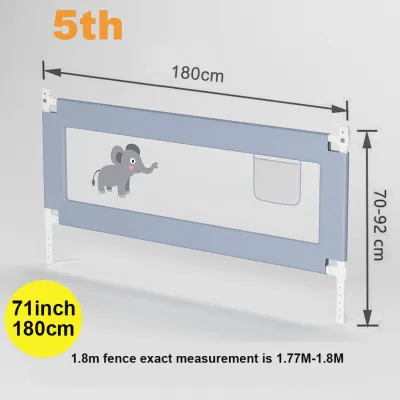
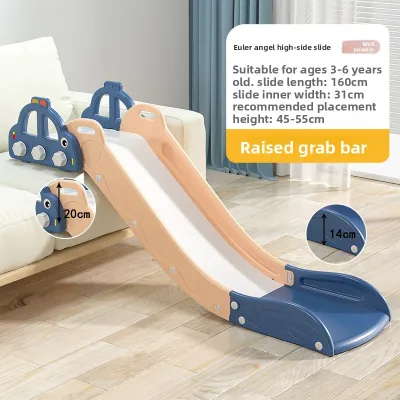
Prices are valid at publication and may change. Please refer to the product page for the latest price.
Entrapment and pinching hazards are often overlooked during the buying process. Slides with folding mechanisms, adjustable joints, or gaps between the slide and the bed frame can trap small fingers, hands, or even limbs. If a child’s clothing or a loose thread gets caught in a gap at the top of the slide, it can create a dangerous snagging hazard during descent.
Finally, tip-over and detachment risks can lead to severe structural failures. If a slide is not securely anchored to the bed frame, the repetitive force of a child sliding down can cause the attachment points to shift, loosen, or completely detach. Exceeding the manufacturer’s weight limit or allowing multiple children on the slide at once increases the likelihood of the entire structure tipping over or collapsing.
Critical Safety Features to Check Before Buying
Selecting a safe bed slide requires looking beyond aesthetics and vibrant colors. Parents must carefully inspect the structural integrity, attachment mechanisms, and surface finishes of any model before bringing it into the home.

Structural Stability and Attachment Mechanisms
The connection between the slide and the bed frame is the most critical point of failure. Look for models that feature heavy-duty brackets, secure attachment straps, or robust locking pins designed to clamp tightly onto the bed rails. Avoid slides that rely solely on gravity or simple hooks without a secondary locking mechanism, as these can easily slide off-center during active play.
Always verify the manufacturer’s stated weight capacity, which should be clearly printed on the product label or packaging. This weight limit must comfortably exceed your child’s current weight to account for growth and the dynamic forces exerted during play. If you are considering a freestanding slide model that sits adjacent to the bed, ensure it features a wide, flared base and non-slip rubber feet to prevent sliding or tipping on smooth floors.
Slide Surface, Edges, and Landing Zone Design
A safe sliding surface must be completely smooth and free of manufacturing defects. Inspect the slide for protruding screws, sharp plastic seams, or rough wooden splinters that could cause cuts or friction burns. The transition from the flat top platform to the incline should be gradual rather than a sudden, steep drop-off.
Examine the sides of the slide to ensure they feature raised, rounded guardrails that prevent a child from slipping off the edge mid-descent. Any handholds or grab bars at the top of the slide should be smooth, easy for small hands to grip, and free of tight gaps that could pinch fingers. Additionally, check if the manufacturer specifies a required landing mat thickness or includes a dedicated padded landing zone to cushion the exit.
Age, Development, and Supervision Guidelines
Even the most securely built bed slide can become hazardous if a child is not developmentally ready to use it. Parents must consult the manufacturer’s guidelines to verify the recommended age, height, and weight ranges. These limits are established based on average physical capabilities and structural testing, so ignoring them increases the risk of accidents.
Beyond chronological age, assess your child’s individual motor skills and coordination. A child must be able to climb confidently, maintain their balance on elevated surfaces, and understand basic safety instructions. They should demonstrate the ability to stop at the edge of the slide, wait their turn, and slide down in the correct position.
Establish strict household rules for using the bed slide. Children must always slide down feet first and on their bottoms, never head first or standing up. Only one child should be on the slide at any given time to prevent mid-air collisions.
Active adult supervision is non-negotiable, particularly for toddlers and preschoolers. An adult should remain within arm’s reach to assist with balance and ensure rules are followed. Never allow children to use the bed slide as a climbing wall or a launching pad for jumping onto other furniture.
How to Set Up and Maintain a Safe Play Environment
Creating a safe environment around the bed slide is just as important as choosing the right product. Start by clearing a wide buffer zone around the entire slide, especially at the exit. Remove hard furniture, sharp-edged bedside tables, toys, and electrical cords that could cause injury if a child exits the slide with too much momentum.
To protect against impact injuries on hard floors, place high-density foam play mats at the bottom of the slide. Ensure these mats feature a reliable non-slip backing so they do not slide away when a child lands on them. In humid tropical environments, check under the mats regularly to ensure no moisture is trapped, which could cause mold growth or make the floor underneath slippery.
Regular maintenance is essential to keep the slide safe over time. Perform weekly inspections of all attachment points, screws, and plastic joints. Tighten any hardware that has loosened from repetitive use, and check wooden components for splinters or warping caused by humidity. While a budget-friendly slide might save a few pesos ₱, compromising on structural thickness or attachment security can lead to costly accidents.
When to Stop Using the Bed Slide
Knowing when to retire or remove a bed slide is crucial for preventing injuries. Parents must immediately discontinue use if their child exceeds the manufacturer’s maximum weight, height, or age limits. As children grow, their center of gravity shifts, making the slide less stable and increasing the risk of tip-overs.
You should also remove the slide if your child repeatedly refuses to follow safety rules. If a child insists on climbing up the sliding surface, jumping from the top platform, or engaging in rough play despite warnings, the slide should be dismantled to prevent a predictable accident.
Finally, inspect the slide for physical wear and tear. If you observe irreversible structural damage, such as cracked plastic, bent metal brackets, or loose joints that can no longer be tightened securely, it is time to retire the product. Do not attempt temporary DIY fixes on load-bearing parts, as these can fail unexpectedly during play.
Frequently Asked Questions (FAQ)
Can I use a bed slide on a bunk bed or loft bed?
Using a slide on an elevated bunk or loft bed is only safe if the bed manufacturer has explicitly approved the slide accessory for that specific model. Standard aftermarket slides are rarely designed to handle the extreme heights of top bunks. The increased fall height significantly raises the risk of severe injury, requiring much thicker landing mats and constant, direct adult supervision. Always verify that the bed frame itself is stable enough to handle the lateral forces of a sliding child without swaying or tipping.
Do indoor bed slides require specific safety certifications?
When shopping for an indoor bed slide for kids, look for recognized toy safety standard labels on the packaging, such as ASTM (American Society for Testing and Materials), EN71 (European Standard for Toy Safety), or local regulatory marks. These certifications indicate that the product has undergone baseline testing for material toxicity, structural strength, and flammability. However, a certification label is not a guarantee of absolute safety; parents must still perform a physical inspection of the product and maintain active supervision during use.
Community discussion
Share your experience or ask a question. Comments are reviewed before publication.