
Bed rail guards are not safe for infants and should never be used for babies under two years of age. While these products are often marketed as a convenient way to keep a child from rolling off a bed, they present severe hazards—including entrapment, suffocation, and strangulation—for young infants who lack the developmental strength and motor skills to extricate themselves if they get stuck. For older toddlers transitioning from a crib to a standard bed, bed rails can serve as a helpful temporary barrier, but only when selected, installed, and monitored with meticulous care.
In tropical climates like the Philippines, where families often share beds or use customized sleeping arrangements to stay cool, the temptation to use a bed rail for a young baby is high. However, understanding the physical limitations of these safety devices is crucial for preventing tragic accidents. By learning how to identify potential hazards and implement proper installation practices, you can create a secure sleeping environment that supports your child’s growth without compromising safety.
Understanding the Purpose and Age Appropriateness of Bed Rails
Understanding when and how to use a bed rail guard is the first step in keeping your child safe during sleep. Many parents confuse bed rails with crib bumpers, but these two products serve entirely different purposes and carry different safety profiles. Crib bumpers, which line the inside of a baby’s crib, are widely recognized by pediatric health organizations as unsafe for infants of any age due to suffocation risks. Bed rails, on the other hand, are designed specifically for older toddlers transitioning out of a crib and into a larger toddler or twin bed.
Products mentioned in this guide
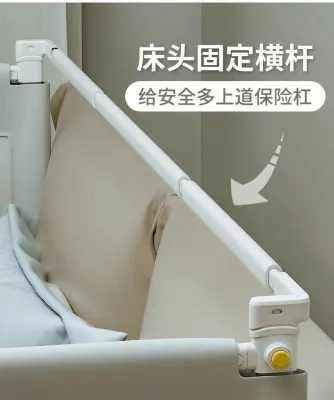
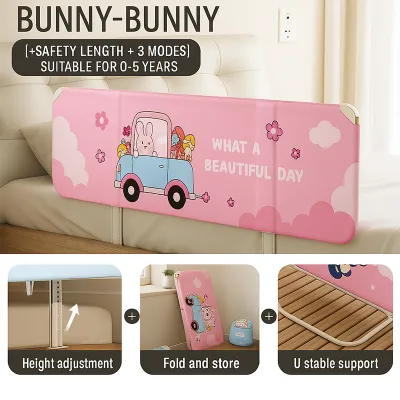
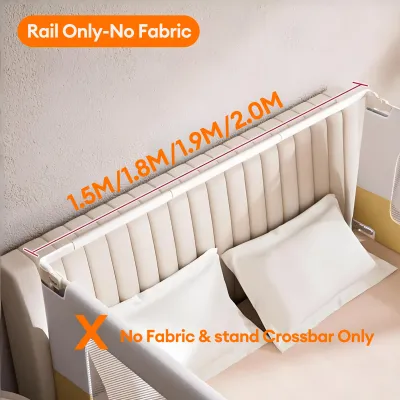
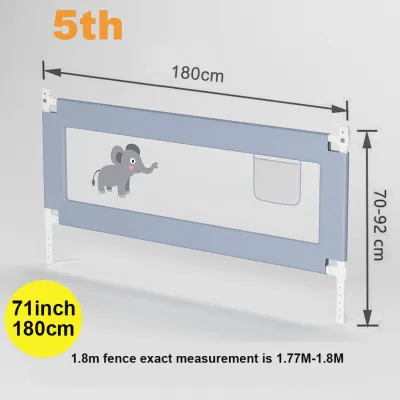
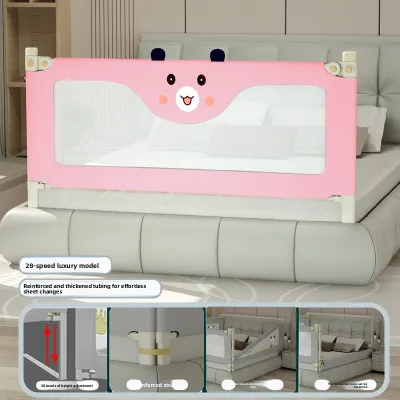
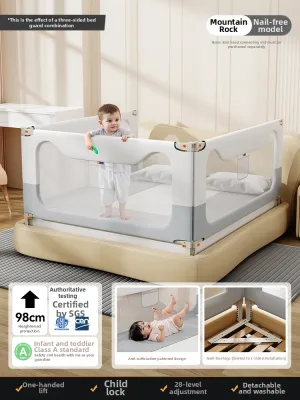
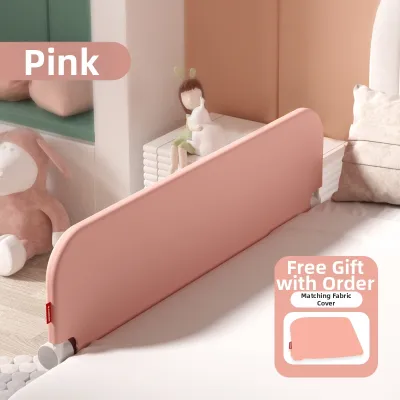

Prices are valid at publication and may change. Please refer to the product page for the latest price.
The transition from a crib to a bed typically occurs when a child reaches certain physical and developmental milestones, usually between the ages of two and three. At this stage, toddlers are more agile, have stronger neck and upper-body control, and can easily roll or reposition themselves if they encounter an obstacle. If your child is still under two years old, they should remain in a safe, bare crib rather than a standard bed fitted with guard rails.
Knowing when to remove bed rails is just as important as knowing when to install them. Once your child has the physical ability to climb over the rail, or if they are heavy and strong enough to push the rail down, the guard ceases to be a safety feature and becomes a climbing hazard. A child attempting to climb over a rail can fall from a much greater height than if they simply rolled out of a low bed, increasing the risk of serious injury.
Identifying Key Safety Risks and Entrapment Hazards
The primary danger associated with bed rail guards is gap entrapment, which occurs when a space opens up between the mattress edge and the base of the rail. Because mattresses are flexible and bed rails can shift over time, a small gap can easily form. If a child rolls into this space, their head, neck, or torso can become wedged between the mattress and the rail. In a tropical climate, where lightweight mattresses or foam mats are common, the flexibility of the mattress can exacerbate this risk, as the foam may compress easily under a child’s weight and widen the gap.

Another significant risk is the danger of falls. If a toddler attempts to climb over the rail during the night or upon waking, they can lose their balance and fall onto the floor. This risk is particularly high if the bed frame is elevated or if the floor is a hard surface like tile or polished hardwood, which are common in many homes. Additionally, if the rail’s locking mechanism fails or if the structure collapses under the child’s weight, the child can fall along with the rail, potentially sustaining impact injuries.
Suffocation is a critical hazard that can occur if a child rolls face-first into a soft, poorly fitted, or damaged rail cover. Many bed rails feature fabric or mesh covers designed to provide a soft barrier. However, if the fabric is loose, torn, or lacks proper breathability, it can block a child’s airway. High humidity levels can also affect the tension and integrity of fabric covers over time, making regular inspections essential to ensure the material remains taut and secure.
Essential Precautions for Selecting a Safe Bed Rail Guard
When shopping for a bed rail guard, parents must look beyond aesthetic appeal and focus on structural specifications and safety features. A secure locking mechanism is non-negotiable; the rail must lock firmly into place so that it cannot fold down or swing open unexpectedly when a child leans or rolls against it. Look for anchoring systems that secure the rail directly to the bed frame or the opposite side of the mattress, rather than relying solely on the weight of the mattress to hold the rail in place.
A snug fit against the mattress is critical to prevent the dangerous gaps that lead to entrapment. When evaluating a bed rail, consider the thickness and firmness of your specific mattress. Some rails are designed only for standard twin mattresses and may not fit securely on thinner foam mattresses or thicker pillow-top models. The rail must press firmly against the side of the mattress, leaving absolutely no space where a small hand, foot, or head could slip through.
While shopping on an online marketplace or at a local baby boutique, always look for recognized safety certifications or compliance labels on the product packaging and manual. These labels indicate that the product has undergone testing for structural integrity, material safety, and gap prevention. Avoid purchasing secondhand rails or unbranded products that lack clear manufacturing details, as they may have worn-out parts, missing hardware, or outdated designs that do not meet modern safety guidelines.
Step-by-Step Installation and Daily Safety Checks
Proper installation is just as important as choosing the right product. Always follow the manufacturer’s specific installation instructions to the letter, rather than relying on generic online tutorials or improvised setup methods. Never use makeshift ties, ropes, or extra pillows to secure a loose rail, as these temporary fixes can quickly fail and create new hazards. If the instructions require screwing the anchor straps into the wooden slats of your bed frame, do not skip this step, even if it requires extra tools.
Performing a daily visual and physical inspection of the bed rail is a simple habit that can prevent accidents. Before putting your child to bed each night, check for loose screws, bent metal bars, or torn mesh fabric. Give the rail a firm tug to ensure it has not shifted during the day or during bed-making. In humid environments, wooden bed frames and metal connectors can expand, contract, or rust, which may loosen the connection over time, making these daily checks even more vital.
Ensure that your bed frame and mattress combination is fully compatible with the chosen rail type. For example, fold-down models require sufficient clearance beside the bed to swing downward, while fixed models must be securely wedged. Some rails are incompatible with platform beds, bunk beds, or beds with recessed frames where the mattress sits inside a wooden lip. If the rail does not sit perfectly flush against the mattress due to the frame’s design, do not use it.
When to Stop Using Bed Rails and Transition to a Free Bed
As your child grows, their physical abilities and behavioral patterns will signal when it is time to retire the bed rail. Pay close attention to behavioral cues, such as your toddler repeatedly attempting to climb over the rail or using it as a ladder to pull themselves up. If your child views the rail as a play structure or a climbing challenge rather than a protective barrier, the risk of a serious fall increases dramatically, and the rail should be removed immediately.
Physical growth milestones also play a major role in determining when a bed rail is no longer safe. As a child grows taller and heavier, their center of gravity shifts, and their weight can easily compromise the stability of the rail. If the child’s chest height exceeds the top of the rail when they are standing next to it, the rail can no longer prevent a fall and may actually cause them to tumble over headfirst.
When you decide to remove the bed rail, you can transition your child to a free bed or a low-profile floor bed. A floor bed is an excellent, low-risk alternative that eliminates fall hazards entirely, especially when paired with soft safety rugs or play mats placed around the sleeping area. If you are using a standard-height bed, placing a soft, cushioned mat on the floor next to the bed can provide peace of mind during the initial weeks of sleeping without a barrier.
Frequently Asked Questions (FAQ)
Can I use a bed rail guard on a baby's crib?
No, you should never use an add-on bed rail guard on a baby’s crib. Cribs are designed to be self-contained, safe sleeping environments with specific slat spacing and height requirements to prevent falls and entrapment. Adding an aftermarket rail to a crib can create dangerous gaps between the crib mattress and the rail, leading to a high risk of suffocation or strangulation. If your baby is climbing out of their crib, it is time to transition them to a toddler bed or a floor bed rather than trying to modify the crib with external rails.
Are mesh bed rails safer than wooden or plastic ones?
Neither material is universally safer than the other, as safety depends entirely on proper fit, structural integrity, and correct installation. Mesh bed rails offer excellent breathability and visibility, which can reduce suffocation risks if a child rolls against them, but the mesh must remain taut and free of tears. Wooden or plastic rails provide a sturdier, rigid barrier that is less likely to bend, but they must be padded or designed in a way that prevents a child’s limbs from getting wedged. Regardless of the material, the most critical factor is ensuring there are no gaps between the rail and the mattress.
What should I do if my baby gets stuck between the mattress and the rail?
If your child becomes trapped between the mattress and the bed rail, remain calm and gently but quickly free them from the gap, checking immediately for normal breathing and any signs of injury. Once your child is safe, stop using the bed rail immediately and do not place them back in that bed until the issue is resolved. Inspect the setup to determine why the gap formed—whether due to a loose anchor strap, an incompatible mattress, or a faulty locking mechanism. If the gap cannot be permanently and securely eliminated according to the manufacturer’s instructions, discard the rail and seek alternative safety solutions.
Community discussion
Share your experience or ask a question. Comments are reviewed before publication.