
Many parents looking to secure their sleeping child naturally consider purchasing a bed guard, often searched for locally as a pangharang sa kama for baby. While these barriers seem like a straightforward way to prevent falls from an adult bed, they can introduce serious, hidden hazards if used incorrectly or at the wrong developmental stage. For infants and young babies, portable bed guards are generally not safe and can pose life-threatening risks.
In the Philippines, where family co-sleeping is a widespread cultural practice and tropical heat influences bedding choices, the desire to secure an open bed is highly common. However, standard adult beds are not designed with infant safety in mind, and adding an aftermarket rail does not automatically make them secure. Understanding the specific physical risks, developmental milestones, and alternative sleeping arrangements is essential for keeping your child protected during sleep.
Before buying or installing any bed barrier, caregivers must recognize that these products are not universal safety solutions. Their safe application depends entirely on the child’s age, the specific design of the bed, and strict adherence to manufacturer guidelines. By learning what to look for and when to avoid these products, you can create a sleep environment that truly supports your child’s well-being.
Products mentioned in this guide


Prices are valid at publication and may change. Please refer to the product page for the latest price.
Understanding the Main Safety Risks of Bed Guards
The primary danger associated with portable bed guards is entrapment. When a barrier is installed on an adult bed, a gap can easily form between the mattress and the guard rail, especially when a child’s body weight presses against the edge. If a baby rolls into this space, they can become wedged or trapped. Because infants lack the physical strength and coordination to extricate themselves, this entrapment can quickly lead to positional asphyxia.
Suffocation is another critical hazard linked to the materials used in bed guards. Many barriers feature fabric or mesh panels designed to provide a soft boundary. However, if an infant rolls over and presses their face directly against these materials, their airway can easily become blocked. In warm, humid tropical climates, parents sometimes add extra pillows or rolled-up blankets near the rail to cushion the area, which inadvertently increases the risk of suffocation and limits essential airflow.
Fall risks also change dramatically when a bed guard is introduced. While the rail is meant to prevent a child from rolling off the bed, it can create a false sense of security. If a toddler attempts to climb over the barrier, the height of the guard increases the distance of a potential fall, making an injury more severe than rolling off a low mattress. Furthermore, if the guard is not securely anchored, the entire structure can collapse under the child’s shifting weight, causing them to fall to the floor along with the heavy frame.
Finally, mattress compatibility plays a major role in these safety risks. Many households in the Philippines use thin foam mattresses or traditional sleeping mats on raised frames. Portable bed guards are typically designed for thick, heavy spring mattresses that help weigh down the under-mattress anchor straps. When installed on a lightweight or thin mattress, the guard can easily tilt outward, creating a dangerous, invisible void that invites entrapment.
Age and Developmental Readiness: When to Use and Stop
Portable bed guards are strictly unsafe for infants. Most international safety guidelines and manufacturer specifications state that these products should never be used for children under two years of age. Infants do not possess the developmental milestones, such as strong neck control and the ability to push themselves away from obstacles, necessary to survive an entrapment or suffocation event. For babies in this younger age bracket, a standard-compliant crib remains the only recommended elevated sleeping space.

Transitioning to a toddler bed with a guard rail should only occur when a child meets specific physical and developmental conditions. The child must be old enough to climb in and out of bed independently. Additionally, their weight and height must fall strictly within the limits specified in the product documentation. Introducing a bed guard too early, before the child has transitioned out of a crib naturally, bypasses crucial safety designs built into infant-specific furniture.
Caregivers must also monitor behavioral signals that indicate it is time to stop using a bed guard immediately. If your child begins to stand up in bed, shake the rail, or use the mesh and frame as a step to climb over, the barrier must be removed. At this stage of development, the guard no longer functions as a protective boundary; instead, it becomes a hazardous climbing obstacle that increases the risk of a high-altitude fall.
Supervision requirements do not disappear when a bed guard is installed. Even if a child is within the appropriate age range, parents must remain vigilant. A bed guard is designed to prevent accidental rolling during sleep, not to contain an active, awake toddler who is playing or trying to exit the bed. If your child’s behavior suggests they are frustrated by the barrier or are actively trying to bypass it, it is time to transition to a low floor bed or a fully baby-proofed room.
How to Verify Safety Standards and Product Labels
When shopping for a pangharang sa kama for baby, parents must look beyond aesthetic designs and marketing claims. It is vital to verify official safety standard marks printed on the product packaging, tags, or within the instruction manual. Look for certifications from recognized standards organizations, such as ASTM International or European standards (EN), which indicate the product has undergone rigorous testing for structural integrity, gap prevention, and material safety.
Always check the product label for explicit limitations regarding age, weight, and mattress compatibility. A reputable manufacturer will clearly print these specifications directly on the warning labels sewn into the fabric or stamped on the frame. If a product lacks clear, printed guidelines on minimum and maximum age or weight limits, or if it claims to be a “one-size-fits-all” solution for newborns and toddlers alike, avoid using it entirely.
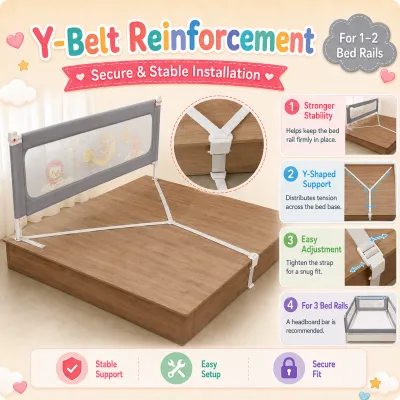
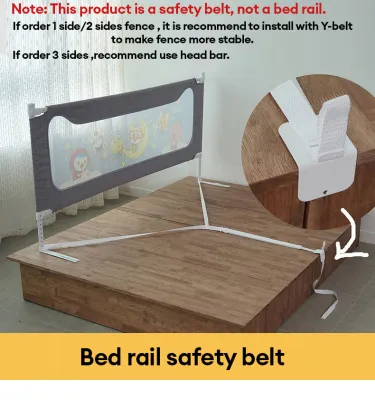
Ensure the product includes complete, detailed installation instructions and all necessary hardware. Safe bed guards do not simply slide under the mattress; they require an anchoring system, such as straps that attach to the opposite side of the bed frame or heavy-duty clamps that secure to the slats. If you open a package and find missing parts, vague photocopied instructions, or no anchoring hardware, do not attempt to install the guard using DIY methods like ropes or tape.
Additionally, inspect the warning labels for language clarity. Legitimate safety labels will clearly outline the specific hazards of entrapment and suffocation, detailing exactly how the guard must be positioned relative to the headboard and footboard. If these warnings are absent, or if the translation is incomprehensible, it is a strong indicator that the product has not met standard quality control measures and should not be trusted in your child’s sleep space.
Safe Installation and Daily Inspection Checklist
Proper installation is the single most critical factor in preventing bed guard accidents. When setting up the barrier, you must test the fit to ensure absolutely no gaps exist between the guard and the side of the mattress. Press your hand firmly against the inside of the rail; if the mattress compresses easily and leaves a space wider than a few centimeters, the setup is unsafe. The guard must fit snugly and securely against the mattress edge under constant pressure.
To maintain a secure sleep environment, establish a routine daily inspection checklist before putting your child to bed. Check that the anchoring straps under the mattress have not loosened or shifted due to daily movement. Inspect the locking mechanisms and hinges to ensure they are fully engaged and have not suffered wear or cracking. In humid tropical environments, pay close attention to any metal parts that might rust or plastic joints that could become brittle over time.
Examine the fabric and mesh panels regularly for signs of wear. Any tears, loose threads, or frayed edges can compromise the tension of the barrier, making it easier for a child’s head to press through and become trapped. If the mesh fabric becomes saggy or loses its elasticity, it can no longer provide a safe boundary and must be replaced or repaired according to the manufacturer’s official guidelines.
If you discover any compromised structural integrity, missing parts, or loose fittings during your daily check, discontinue use immediately. Do not wait until the weekend to fix a loose strap or a sticky lock. Remove the guard from the bed entirely and find an alternative safe sleeping arrangement until you can obtain genuine replacement parts or a new, certified safety barrier.
Safe Sleep Alternatives for Babies and Toddlers
For infants and younger babies, the safest sleeping arrangement is a standard-compliant crib or cot. A safe crib features a firm, tight-fitting mattress covered only by a fitted sheet, with no loose blankets, pillows, bumper pads, or stuffed toys. Keeping the sleep space minimalist and firm eliminates the primary sources of suffocation and entrapment, providing a secure environment where your baby can sleep unsupervised.
For families who practice co-sleeping or are transitioning a toddler out of a crib, a floor bed is an excellent, low-risk alternative to bed guards. By placing a firm mattress directly on a clean, dry floor, you eliminate the hazard of falling from a height. If you choose this setup, you must thoroughly baby-proof the entire bedroom. This includes anchoring heavy furniture like wardrobes and drawers to the wall, covering all electrical outlets, and removing any small objects or cords that could pose choking or strangulation hazards.
To keep your child warm without the use of loose bedding, utilize wearable blankets or sleep sacks. These garments are designed to fit securely around the child’s body, keeping their face clear while providing comfortable warmth. In tropical climates, choose lightweight, breathable cotton or muslin sleep sacks to prevent overheating while ensuring your baby remains cozy throughout the night.
Ultimately, creating a safe sleep environment requires matching the setup to your child’s specific developmental stage. If a bed guard cannot be installed with a perfect, gap-free fit, or if your child is still too young, do not hesitate to choose a crib or a floor bed instead. Prioritizing these proven alternatives ensures peace of mind for you and a secure, healthy night of rest for your little one.
Frequently Asked Questions (FAQ)
Can I use a bed guard on a bunk bed or a crib?
No, you should never use a portable bed guard on a bunk bed or a crib. Bunk beds require specific, integrated guardrails designed to withstand the unique structural pressures of an elevated bed; aftermarket portable guards are not built for this and can easily fail or create deadly entrapment gaps. Similarly, cribs are highly regulated safety structures that must never be modified with aftermarket rails. Adding a non-approved guard to a crib violates its safety design and can lead to severe injury or suffocation.
What should I do if my baby gets stuck between the mattress and the bed guard?
If your child becomes trapped, immediately and gently free them from the gap while remaining calm to avoid causing further panic or injury. Once the child is safe, remove the bed guard from the bed immediately and do not reinstall it. Carefully inspect your child for any signs of physical injury, breathing difficulty, or distress. If they show any signs of trauma, lethargy, or difficulty breathing, consult a pediatrician or seek emergency medical attention immediately. Do not use the guard again until you have identified the cause of the failure and verified that the mattress and bed frame meet the manufacturer’s strict compatibility requirements.
Community discussion
Share your experience or ask a question. Comments are reviewed before publication.