
Determining whether Bean Baby wipes are safe and effective for your baby’s sensitive skin requires looking beyond attractive packaging and diving into ingredient transparency, formulation standards, and systematic home testing. In tropical climates like the Philippines, where high humidity and heat can exacerbate diaper rash and skin friction, choosing the right wipe is crucial for maintaining your infant’s delicate skin barrier. While many brands market themselves as gentle, no single wipe is universally perfect for every infant, making a structured evaluation process essential before integrating any new product into your daily diapering routine.
By learning how to read ingredient labels, identify potential irritants, and conduct a safe patch test, you can make an informed decision that protects your baby’s skin comfort. This guide provides a practical framework to help you evaluate Bean Baby wipes and determine if they are the right fit for your little one’s unique skin needs.
Understanding Sensitive Skin Needs in Baby Wipes
An infant’s skin is structurally different from adult skin, making it far more vulnerable to external irritants. It is approximately thirty percent thinner, which means it loses moisture more rapidly and absorbs topical substances much more easily. The outer layer of the skin, known as the stratum corneum, is still developing during the first few years of life, leaving the natural skin barrier fragile and easily compromised by harsh chemicals, friction, and environmental factors.
Products mentioned in this guide
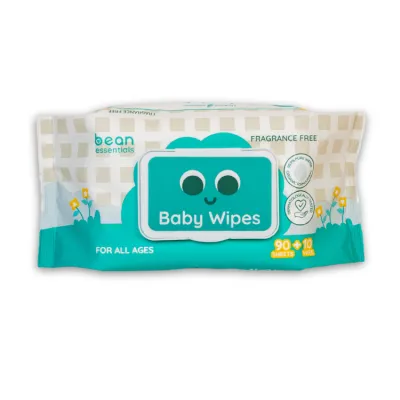
![[Bundle of 3] bean Baby Wipes Fragrance Free 3 x 100 sheets](https://img.lazcdn.com/g/p/0df082d8704ed30cfe08889b11cff732.png_400x400q80.png_.webp)
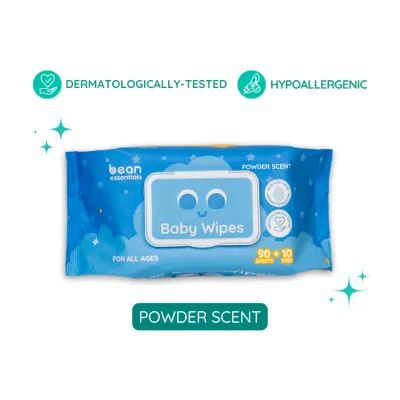
![[Bundle of 3] bean Baby Wipes Powder Scent 3 x 100 sheets](https://img.lazcdn.com/g/p/fe1b7d846dfb7767bab0dc16ebfc2da4.png_400x400q80.png_.webp)
Prices are valid at publication and may change. Please refer to the product page for the latest price.
In warm, humid climates, sweat and friction from diapers create a microclimate that can quickly lead to skin breakdown. When a baby’s skin is constantly exposed to moisture, urine, and fecal enzymes, its natural pH rises from its ideal, slightly acidic state of around 5.5 to a more alkaline level. This pH shift weakens the skin’s defense mechanisms, making it highly susceptible to contact dermatitis, heat rash, and painful diaper rashes.
To protect this fragile barrier, sensitive-skin-friendly wipes must meet specific formulation criteria. They should consist primarily of high-purity water to gently cleanse without stripping away natural lipids. Additionally, the formulation should be pH-balanced to match the skin’s natural acidity, helping to preserve the protective acid mantle. Minimalist ingredient lists are highly preferred, as fewer components mean a lower statistical probability of triggering an allergic reaction.
Parents must also understand that terms like “hypoallergenic” or “dermatologically tested” are not standardized legal guarantees. While these labels indicate that a manufacturer has taken steps to minimize common allergens, they do not guarantee that a specific baby will not experience a reaction. Individual skin sensitivities vary widely, and a botanical extract that is soothing to one infant might cause contact dermatitis in another, making individual vigilance necessary.
How to Evaluate Bean Baby Wipes for Your Baby
When considering Bean Baby wipes, the evaluation process begins with a close inspection of the physical packaging and product variants. Baby wipe brands often produce multiple product lines, ranging from heavily scented options to specialized sensitive or newborn variants. It is a common mistake to assume all wipes under a single brand share the same formulation, so parents should actively look for variants specifically designated for sensitive skin, as these are typically formulated with fewer additives.

The next step is to verify key safety claims directly on the label rather than relying solely on online product descriptions or promotional banners on ecommerce platforms. Inspect the physical pack for explicit “fragrance-free,” “alcohol-free,” and “paraben-free” designations. Fragrances and drying alcohols are among the most common culprits behind contact allergies and skin dryness in infants, so their absence is a non-negotiable baseline for sensitive skin care.
Furthermore, look for verifiable certification logos rather than vague marketing claims. Independent dermatological institutes or pediatric associations often provide seals of approval after reviewing clinical safety data. If the packaging claims the wipes are “pediatrician-approved” or “dermatologist-tested,” check for the specific testing body or certification standard printed on the back. If no independent certification is visible, treat the claim as a general marketing statement that requires closer ingredient scrutiny.
Additionally, consider the physical characteristics of the wipe itself. For sensitive skin, the texture and thickness of the fabric matter as much as the liquid formulation. A wipe that is too thin or rough can cause mechanical irritation through repeated wiping, especially during stubborn diaper changes. Look for wipes made from soft, embossed, or thick biodegradable fibers that can cleanse effectively with minimal friction, reducing the physical stress placed on the baby’s skin.
While saving a few ₱ on bulk diapering supplies is tempting for many families, prioritizing skin health prevents costly medical consultations and specialized treatments later. Investing time in verifying these packaging details ensures you are paying for actual formulation quality rather than clever marketing.
Key Ingredients to Check on the Label
Reading the ingredient list on the back of the pack is the most reliable way to assess safety. Parents should actively scan for known irritants that frequently trigger skin flare-ups. Preservatives like methylisothiazolinone (MI) and methylchloroisothiazolinone (MCI) are notorious contact allergens and should be avoided entirely in leave-on products like baby wipes. Similarly, avoid formaldehyde-releasing preservatives such as DMDM hydantoin, as well as synthetic dyes and parabens.
Fragrance is another critical category to scrutinize. Even if a product is labeled “unscented,” it may contain masking fragrances to cover the chemical smell of other ingredients. True “fragrance-free” products contain no added perfume or aromatic compounds. Be cautious of essential oils, such as lavender, citrus, or tea tree oil; while marketed as natural, these oils contain volatile organic compounds that can easily sensitize delicate baby skin, particularly in areas already irritated by diaper friction.
Conversely, look for beneficial, soothing ingredients that support skin barrier health. Ingredients like aloe vera (Aloe barbadensis leaf extract), chamomile (Anthemis nobilis flower extract), and vitamin E (tocopherol) are frequently added to soothe irritation and provide a protective moisture barrier. However, parents must remain cautious: even natural botanical extracts can occasionally cause localized allergic reactions. The presence of these ingredients is beneficial only if the baby does not have an underlying sensitivity to that specific plant family.
To ensure maximum safety, cross-reference the ingredient list of the wipes with any skincare products your baby has previously reacted to. If your baby has experienced redness or a rash after using a specific lotion or shampoo, check if the wipes share any common preservatives, emulsifiers, or botanical extracts. Keeping a running log of ingredients that cause adverse reactions can help you quickly filter out unsuitable products before they ever touch your baby’s skin.
Safe Usage and Patch Testing Before Full Use
Before using any new brand of wipes, including Bean Baby, for a full diaper change, performing an at-home patch test is a highly recommended safety protocol. This simple step allows you to observe how your baby’s skin reacts to the formulation on a small, controlled area, minimizing the risk of a widespread rash. To conduct the test, select a clean, dry, and discreet area of skin, such as the inner forearm or the upper thigh, where the skin is relatively sensitive but easily monitored.
Gently swipe the wipe across the selected area a few times, ensuring the liquid formulation makes direct contact with the skin. Allow the area to air dry naturally without rinsing it off. For the next 24 to 48 hours, monitor this specific spot closely for any signs of localized irritation. Look for subtle changes in skin texture or color, including redness, small raised bumps, dry or flaky patches, or signs of itching, such as the baby scratching the area.
If any sign of irritation develops during this observation period, discontinue use immediately and wash the area with plain, cool water. If the skin remains completely clear and healthy after 48 hours, you can proceed to use the wipes for regular diaper changes, though you should still monitor the diaper area closely during the first few days of full use.
For babies with a documented history of severe eczema, atopic dermatitis, or chronic skin conditions, skip the home trial and consult a pediatrician or pediatric dermatologist before introducing any new skincare product. A qualified professional can review the specific ingredient list and provide personalized guidance based on your baby’s unique skin profile, ensuring you do not inadvertently trigger a painful eczema flare-up.
When to Consider Alternative Wipes
Even with careful selection and patch testing, some babies may eventually develop sensitivity to a wipe over time. It is important to establish clear stopping conditions. If your baby experiences persistent diaper rash, worsening eczema, or localized redness that does not resolve with standard diaper cream application, the wipes may be contributing to the irritation. In such cases, temporarily halting the use of all commercial wet wipes is the safest course of action.
When standard wipes prove too irritating, consider transitioning to ultra-minimalist alternatives. Wipes formulated with 99% or more purified water and a single, food-grade preservative are excellent options for highly reactive skin. Alternatively, sterile saline wipes or dry cotton pads moistened with plain, cooled boiled water can be used to cleanse the diaper area without exposing the skin to any synthetic chemicals or preservatives.
In tropical climates, where sweat and heat can trap moisture under diaper elastic, keeping the skin dry is just as important as keeping it clean. After cleansing with a water-based wipe or alternative, always allow the baby’s skin to air dry completely before putting on a fresh diaper. Applying a thin layer of a zinc oxide-based barrier cream can also help shield the skin from moisture and friction.
If you decide to transition to an alternative brand of wipes, remember to apply the exact same evaluation and testing standards outlined in this guide. Do not assume a different brand is safer simply because of its marketing; always read the ingredient list, verify the safety claims, and perform a localized patch test before committing to full-time use.
Frequently Asked Questions (FAQ)
Can I use Bean Baby wipes on my baby's face and hands?
The skin on a baby’s face is significantly thinner and more sensitive than the skin on their diaper area or limbs. Additionally, the skin around the mouth and eyes is highly prone to irritation from food residue, saliva, and environmental exposure. While some gentle wipes are formulated for multi-purpose use, you should always check the manufacturer’s packaging for specific guidelines regarding facial application. If your baby has highly reactive skin or is prone to drool rash, it is generally safer to use a soft washcloth dampened with plain water or a dedicated, rinse-off facial cleanser designed for infants rather than a standard diaper wipe.
Do water-based wipes need preservatives?
Yes, any wet wipe formulation that contains water absolutely requires a preservative system to ensure safety. Water is a breeding ground for bacteria, mold, and yeast, especially when stored in warm, humid environments like a tropical bathroom or a diaper bag. Without an effective preservative, a pack of water-based wipes would quickly become contaminated with harmful microorganisms, posing a severe infection risk to your baby’s skin. The key is to look for mild, food-grade, or skin-safe preservatives on the label, such as sodium benzoate or citric acid, rather than harsh chemical preservatives that are known to cause skin sensitization.

Community discussion
Share your experience or ask a question. Comments are reviewed before publication.