
When transitioning your little one from a crib to a larger bed, preventing falls is a top priority for every parent. A popular solution many families consider is installing a baby bed rail, often searched for locally as a pangharang sa bed for baby. While these barriers are designed to keep active sleepers from rolling off the mattress, they are not without significant risks. Understanding the physical hazards, developmental readiness, and correct installation methods is essential to ensuring your child’s sleep environment remains secure.
Understanding the Safety Risks of Baby Bed Rails
To make an informed decision about baby-proofing your home, you must first understand the specific physical hazards associated with bed rails. The most critical danger is the creation of a “V-shaped” gap between the side of the mattress and the vertical barrier of the rail. This gap typically occurs when a child’s body weight presses against the rail, causing the barrier to flex outward while the mattress compresses inward. If a child rolls into this space, they can easily slide down into the wedge. Because their body weight pulls them deeper into the gap, they can become trapped, leading to a high risk of positional asphyxiation.
Another major hazard is end-gap entrapment. This occurs when the bed rail does not extend along the entire length of the mattress, leaving open spaces near the headboard or footboard. If the rail is not positioned flush against these wooden or padded structures, a curious toddler or a rolling baby can crawl or slide into the remaining space. If their head or torso becomes wedged between the end of the rail and the bed frame, they may lack the strength or coordination to extricate themselves.
Products mentioned in this guide
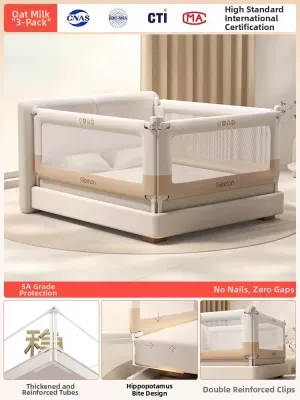
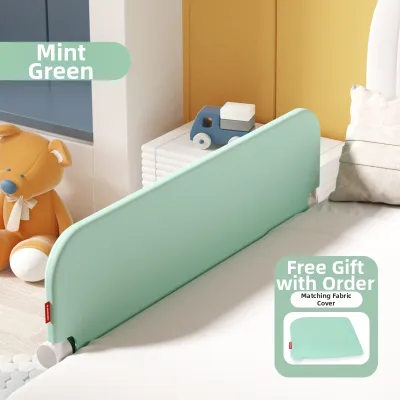
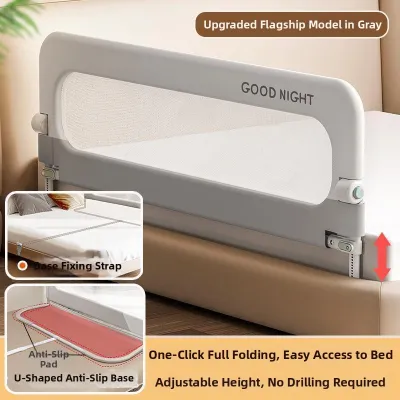
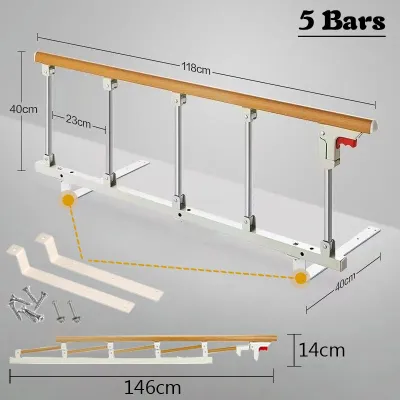
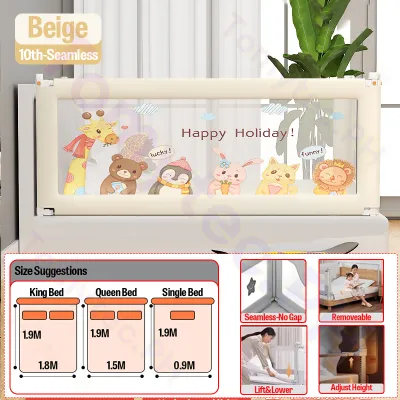
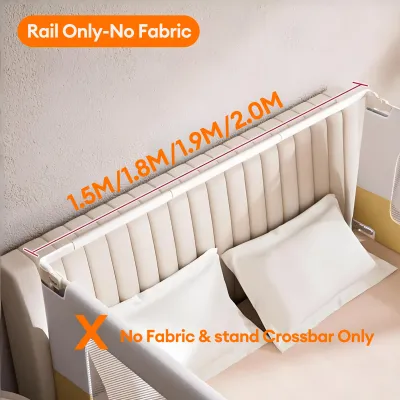
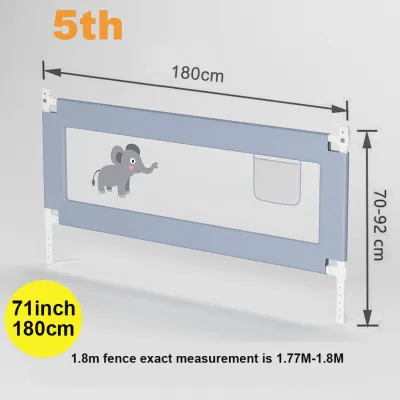
Prices are valid at publication and may change. Please refer to the product page for the latest price.
Furthermore, bed rails pose an extreme danger to young infants who lack the motor skills to roll over, lift their heads, or push their bodies away from a soft or rigid barrier. If an infant rolls face-first against a mesh or fabric rail, they can easily suffocate, even if the rail is installed correctly. Their respiratory systems are highly vulnerable, and any soft surface that conforms to their face can restrict their breathing. For this reason, bed rails should never be viewed as a universal safety device for babies of all ages.
Age and Developmental Readiness for Bed Rails
Determining when a child is physically and developmentally ready for a bed rail requires careful evaluation rather than relying solely on product marketing. Parents must always check the specific manufacturer labels and product documentation for minimum age, weight, and height limits. Many commercially available bed rails are strictly rated for children who are at least two years old and are capable of getting in and out of an adult-sized bed entirely unassisted. Using these products for younger babies who cannot yet walk or climb safely increases the risk of severe injury.

The transition phase from a crib to a toddler bed is a major milestone, but it must not be rushed. Young infants do not have the muscle strength or cognitive awareness to navigate the hazards of an open bed. If your child is still under two years old or frequently rolls unpredictably during sleep, keeping them in a safety-certified crib is generally the most secure option. A crib provides a fully enclosed, flat, and firm environment designed specifically to prevent falls without the risk of external entrapment zones.
If your child has outgrown their crib but is not yet developmentally ready for an elevated adult bed with rails, alternative sleep setups should be considered. A floor bed—where a firm mattress is placed directly on the floor—is an increasingly popular choice in many households. This setup completely eliminates the danger of falling from a height, removing the need for a physical barrier altogether. If you choose a floor bed, you must thoroughly baby-proof the entire bedroom, securing all furniture to the walls, covering electrical outlets, and ensuring there are no small hazards within the child’s reach.
Key Safety Features to Look for When Buying
When shopping for a pangharang sa bed for baby on online marketplaces or at local baby specialty stores, evaluating the structural design of the product is vital. Look for bed rails that feature robust anchoring systems rather than those that simply slip under the mattress without any securing mechanism. High-quality models utilize heavy-duty under-mattress straps or metal anchor plates that attach firmly to the opposite side of the bed frame. This structural anchor prevents the rail from sliding outward when a child leans or rolls against it, directly minimizing the risk of a dangerous gap forming.
Another critical feature to inspect is the locking and hinge mechanism. If you select a fold-down bed rail, ensure that the hinges feature dual-action or secure locking systems that require a specific, multi-step physical action to release. This prevents the rail from accidentally collapsing if a child plays with the buttons or bumps into the frame. Additionally, the barrier itself must consist of tight, breathable mesh or solid, durable materials without any large openings, loose seams, or sagging fabric where a child’s limbs or fingers could get caught.
Finally, you must verify that the length and height of the rail are compatible with your specific mattress size. A rail that is too short for a large mattress can leave dangerous gaps at either end, while a rail designed for a thin mattress may not stand high enough above a thick, premium mattress to prevent a child from rolling over the top. Measure your mattress thickness and length carefully before purchasing, and cross-reference these measurements with the manufacturer’s specifications to ensure a snug, appropriate fit.
How to Install Bed Rails to Prevent Gaps and Entrapment
Proper installation is just as important as choosing the right product; even the highest-rated bed rail can become a hazard if it is installed incorrectly. Begin the installation process by clearing the bed and exposing the bed frame or box spring. Position the base of the bed rail under the mattress according to the manufacturer’s instructions. If the product includes anchor straps, thread them completely under the mattress to the opposite side of the bed. Secure the anchor plates or straps tightly against the opposite frame, pulling them until there is absolutely no slack. The tension must be tight enough to hold the rail firmly against the side of the mattress.
Next, carefully evaluate the alignment of the rail against the headboard and footboard. Depending on the manufacturer’s guidelines, the rail must either be positioned completely flush against these structures—leaving zero space for a child’s head to enter—or it must maintain a specific, wide clearance distance (often specified in the manual) to prevent a child’s body from becoming wedged. If your bed frame design prevents a flush fit, you may need to adjust the position of the mattress or use a different style of barrier. Never leave a small, compressible gap between the end of the rail and the bed frame.
Once the rail is secured, perform a physical “push and pull” test. Grab the top of the rail and shake it firmly in multiple directions to simulate the weight and movement of an active toddler. Observe the connection point between the rail and the mattress. If the rail shifts outward, sags, or creates a gap wider than two fingers, the installation is unsafe. You must re-tighten the anchor straps, adjust the base, or verify if your mattress is too light or too thick for the rail’s design. If you cannot achieve a completely secure, gap-free fit, stop the installation immediately and consult the manufacturer.
Daily Safety Checks and Maintenance Routine
Maintaining a safe sleep environment requires ongoing vigilance, as daily use, active play, and environmental factors can compromise the stability of a bed rail over time. Caregivers should establish a quick visual and physical inspection routine before every nap and bedtime. Check that the mattress has not shifted away from the rail, which can happen easily when children climb in and out of bed or when sheets are changed. Ensure that all folding hinges are fully locked and that the anchor straps under the bed remain tight and free of slack.
In tropical climates like the Philippines, high humidity levels can affect both the materials and the overall hygiene of the bed setup. Regularly inspect the fabric and mesh cover of the rail for signs of wear, loose threads, or fraying seams that could catch on a child’s fingers or buttons. Humidity can also lead to the accumulation of moisture, so check the under-mattress straps and fabric barriers for mold or mildew, which can weaken the structural integrity of the fibers and pose respiratory health risks. If you notice any structural damage, bent metal frames, or torn mesh, stop using the rail immediately.
Do not attempt to repair a broken bed rail with tape, ropes, or makeshift ties, as these temporary fixes cannot withstand the force of a rolling child and may introduce new hazards. If the locking mechanism fails to engage securely or if the straps can no longer be tightened to eliminate gaps, the unit must be replaced. Always prioritize your child’s safety by contacting the manufacturer for authorized replacement parts or consulting a qualified childproofing professional if you are unsure about the ongoing safety of your setup.
Frequently Asked Questions (FAQ)
Can I use a bed rail on a bunk bed or a bed without a box spring?
Using standard baby bed rails on bunk beds is highly dangerous and generally prohibited by manufacturers. Bunk beds present elevated fall risks and unique structural designs that standard rails cannot accommodate, increasing the likelihood of a fall from a significant height or severe entrapment. For platform beds or beds with slatted bases that do not use a box spring, you must verify that the rail is specifically designed for these configurations. Some rails require a heavy box spring to weigh down the anchor straps, and installing them on a slatted base can allow the straps to slip between the slats, creating dangerous gaps. Always consult the product manual to verify compatibility before installation.
Are foam bed bumpers a safer alternative to traditional bed rails?
Foam bed bumpers, which are placed directly on the mattress under a tight fitted sheet, offer a different safety profile compared to traditional metal or mesh rails. Because they sit beneath the sheet, they eliminate the mechanical gap and entrapment hazards associated with external rails. They provide a gentle, sloping barrier that helps remind active sleepers of the bed’s edge. However, foam bumpers are typically much lower than traditional rails and may not prevent a highly active child from rolling completely over them. Parents should weigh these factors based on their child’s age, developmental stage, and sleep habits, and consult a pediatric professional if they have concerns about transition safety.
Community discussion
Share your experience or ask a question. Comments are reviewed before publication.