
Anti-mosquito patches can be a helpful tool for protecting babies, but they are not universally safe for all ages or under all conditions. Their safety depends entirely on the active ingredients, the baby’s age, and how carefully parents apply and monitor them. In tropical climates like the Philippines, where high humidity and rainy seasons bring a surge in mosquito activity, finding safe pest protection is a top priority for parents. However, because an infant’s respiratory system and skin are incredibly delicate, understanding the mechanics and risks of these patches is essential before sticking one on your baby’s gear.
Many parents turn to patches as a seemingly gentler alternative to heavy sprays and lotions. While they do offer a hands-off application method, they are not entirely risk-free. To keep your little one safe from both itchy bites and potential chemical irritations, you must know what ingredients to look for, where to place the patches, and how to spot early signs of an adverse reaction.
How Anti-Mosquito Patches Work and Differ from Skin Repellents
Anti-mosquito patches operate on a volatile release mechanism. Instead of being absorbed by the skin, these patches are infused with concentrated essential oils—such as citronella, eucalyptus, peppermint, or lemongrass. Once exposed to the air, these oils gradually evaporate, creating a localized scent bubble around the baby. This strong aroma masks the carbon dioxide, heat, and lactic acid that human bodies naturally emit, making it much harder for mosquitoes to locate and bite your baby.
Products mentioned in this guide
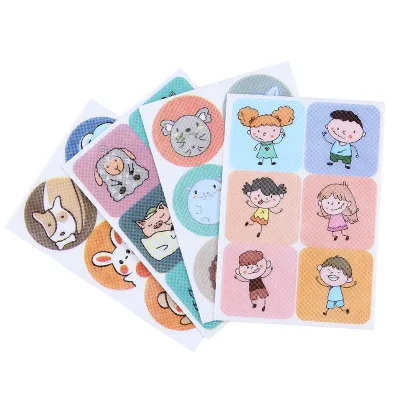
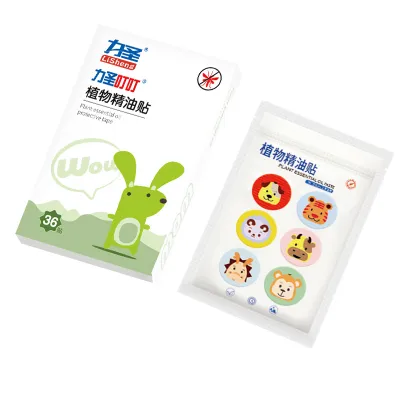

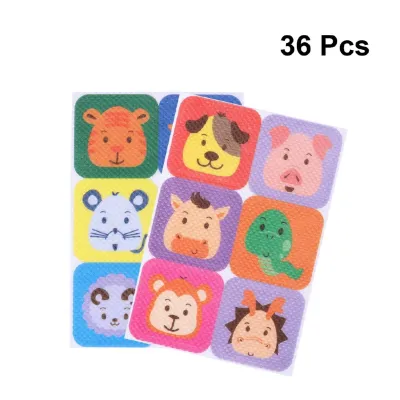
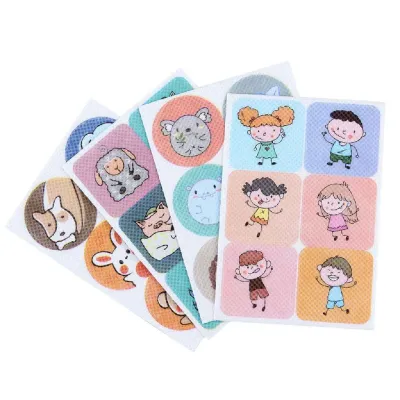
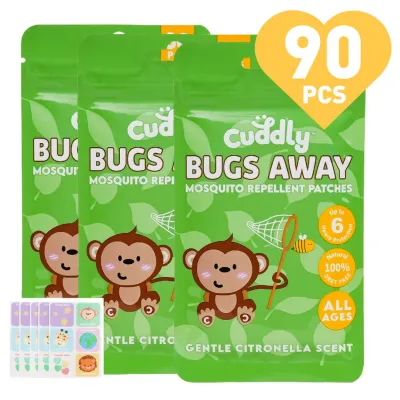
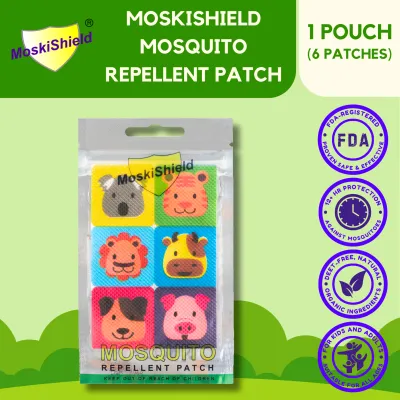
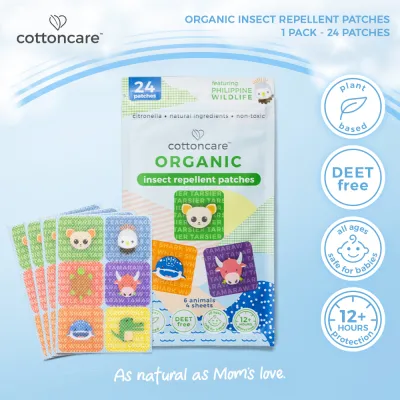
Prices are valid at publication and may change. Please refer to the product page for the latest price.
This mechanism differs significantly from traditional skin-applied repellents. Topical lotions and sprays containing active ingredients like DEET or picaridin work by blocking the insect’s receptors directly on the skin surface. While highly effective, topical repellents are absorbed into the skin to some degree. Because of this absorption risk, pediatric guidelines generally advise against applying strong chemical repellents directly to the skin of newborns and very young infants.
This limitation makes patches highly appealing to parents looking for a non-invasive solution. However, the “natural” or “plant-based” labels commonly found on these products can be misleading. Essential oils are highly concentrated chemical compounds. When volatilized in a small space, these strong scents can still irritate a baby’s sensitive airways or trigger localized skin reactions if they come into direct contact with the skin. Understanding this distinction is the first step in using them responsibly.
Key Safety Checks Before Purchasing and Applying
Before buying any anti-mosquito patch from an online marketplace or local baby store, parents should perform a series of safety checks to ensure the product is appropriate for their infant.

First, verify the active ingredients listed on the packaging. Look for clear, transparent labeling that specifies the exact oils used. Avoid products that list vague proprietary blends or contain synthetic fragrances, which are common triggers for childhood allergies and respiratory distress. Be particularly cautious with ingredients like oil of lemon eucalyptus (OLE) or synthetic PMD; major public health agencies advise against using pure OLE on children under three years of age due to lack of safety data for very young infants.
Second, strictly adhere to the manufacturer’s age restrictions. Infant respiratory systems are highly sensitive and still developing. A scent concentration that seems mild to an adult can be overwhelming and irritating to a baby. If a product packaging does not explicitly state a minimum age, or if it is labeled generally “for the whole family” without pediatric clearance, it is safest to avoid using it on infants under six months old.
Third, evaluate the physical risk of choking and ingestion. Anti-mosquito patches are essentially colorful stickers, often decorated with cute cartoon characters to appeal to children. This design makes them highly attractive to curious babies who explore their environment by grabbing and mouthing objects. If a baby manages to peel off a patch, they can easily swallow it, leading to a severe choking hazard or accidental poisoning from the concentrated essential oils.
Finally, always conduct an allergy observation test in a controlled environment. When introducing a new patch, do not place it in a small, enclosed space like a car or a sealed bedroom. Use it in a well-ventilated area first and monitor your baby closely for the first hour. Watch for any immediate changes in breathing, sneezing, or skin redness to ensure your baby can tolerate the scent.
Proper Application and Supervision Guidelines
To minimize the risks associated with volatile oils and physical hazards, parents must follow strict application and supervision guidelines.
The most critical rule is to never apply an anti-mosquito patch directly to your baby’s skin. The concentrated essential oils in the adhesive and fabric can easily cause contact dermatitis, redness, or chemical burns on delicate infant skin. Instead, always attach the patch to external surfaces. Safe placement options include the outer layers of your baby’s clothing, the frame or canopy of their stroller, or the outer fabric of a playpen or crib where they cannot directly touch it.
When choosing a spot on your baby’s clothing, keep the patch out of their line of sight and reach. The upper back or the lower hem of a shirt are ideal locations. Avoid placing patches near the collar, chest, or sleeves, as this positions the concentrated vapors too close to the baby’s face, increasing the risk of inhalation irritation. It also makes it much easier for the baby to pull the patch off and put it in their mouth.
Active supervision is essential throughout the entire time the patch is in use. In warm, humid tropical climates, active babies sweat, and this moisture can quickly weaken the patch’s adhesive. A loose patch can easily fall off onto the stroller seat or play mat, where a baby can easily find and grab it. Regularly check the patch to ensure it remains firmly secured to the designated surface.
Once you return indoors or the patch’s active hours have expired, remove and dispose of it immediately. Peel the patch off, fold it in half so the sticky side and active ingredients are sealed inside, and discard it in a secure, closed trash bin that is completely out of your child’s reach. Never leave used patches lying around on tables, changing mats, or floors, as they still contain residual oils and remain a choking hazard.
Recognizing Adverse Reactions and When to Stop
Even when you follow all safety guidelines, some babies may still experience sensitivity to the volatile compounds in anti-mosquito patches. Parents must be able to recognize the early signs of irritation and know exactly what actions to take.
Respiratory irritation is the most common reaction to strong essential oil vapors. Watch for sudden coughing, sneezing, wheezing, rapid breathing, or watery eyes shortly after applying the patch. If your baby seems fussy, congested, or is rubbing their nose and eyes frequently, they may be reacting to the concentrated scent bubble.
Skin reactions can occur if the patch accidentally comes into contact with the baby’s skin, or if the baby touches the patch and then rubs their face, eyes, or arms. Look for localized redness, raised bumps, hives, or swelling. If your baby shows signs of itching or discomfort on the skin area near where the patch was placed, treat it as a potential contact allergy.
If you observe any of these signs, initiate immediate stop protocols. Remove the patch from the clothing or gear right away and place it in an outdoor bin. Move your baby to a well-ventilated area with fresh, clean air. If there was direct skin contact, gently wash the affected skin with mild baby soap and lukewarm water to remove any residual oils, taking care not to scrub or irritate the skin further.
While most mild reactions resolve quickly once the source is removed, some situations require professional medical help. Seek immediate medical attention if your baby experiences persistent coughing, difficulty breathing, a spreading rash, swelling of the face or lips, or if you suspect they have put the patch in their mouth or swallowed any part of it.
Safer Alternatives for Infant Mosquito Protection
If you decide that anti-mosquito patches are not suitable for your baby’s age or sensitivity, there are several highly effective, chemical-free backup strategies to keep them safe from bites.
Physical barriers are the safest and most reliable defense against mosquitoes. A fine-mesh mosquito net designed specifically for cribs, bassinets, and strollers physically blocks insects without introducing any chemical vapors or skin irritants. When using a net, ensure it is pulled taut and securely fastened so it cannot sag into the sleeping area and pose a suffocation risk.
Dressing your baby in protective clothing is another simple and effective strategy. Choose lightweight, breathable, light-colored fabrics that cover their arms and legs. Mosquitoes are naturally attracted to dark colors, and loose-fitting clothing makes it much harder for them to bite through the fabric while keeping your baby cool in warm, humid weather.
Finally, focus on environmental controls around your home. Mosquitoes breed in standing water, which can accumulate quickly during rainy seasons. Regularly empty flowerpot saucers, buckets, and gutters, and ensure that window and door screens are intact and free of tears. These simple steps significantly reduce the local mosquito population, protecting your baby naturally without the need for chemical products.
Frequently Asked Questions (FAQ)
Can I put an anti-mosquito patch directly on my baby's skin?
No, you should never apply an anti-mosquito patch directly to your baby’s skin. The concentrated essential oils infused into the patch are designed to volatilize into the air, not to be absorbed by the skin. Direct contact can easily cause localized irritation, redness, chemical burns, or allergic contact dermatitis on an infant’s delicate skin barrier. Always attach the patch to clothing, strollers, or other external gear.
Are plant-based essential oil patches completely safe for newborns?
No, plant-based essential oil patches are not automatically safe for newborns. A newborn’s respiratory system and skin barrier are exceptionally fragile and still developing. Strong volatile organic compounds from essential oils can easily irritate their airways, leading to coughing or breathing discomfort. Always check the manufacturer’s minimum age limit on the product label and consult your pediatrician before introducing any scented products around a newborn.
What should I do if my baby accidentally swallows a mosquito patch?
If your baby swallows or mouths an anti-mosquito patch, treat it as an emergency. Do not induce vomiting, as this can cause the baby to inhale the concentrated essential oils into their lungs, which is highly dangerous. Keep the baby calm, immediately contact a poison control center or seek emergency medical attention, and bring the product packaging with you so the medical professionals know exactly what ingredients were on the patch.
Community discussion
Share your experience or ask a question. Comments are reviewed before publication.