
While a bracelet anti mosquito product seems like a convenient way to protect your baby from insect bites in a tropical climate, these wearable bands are generally not recommended for direct wear on infants. In warm, humid environments where mosquitoes are a constant presence, parents naturally seek every possible layer of defense. However, a baby’s delicate skin, developing respiratory system, and natural tendency to put objects in their mouth make direct contact with these bracelets highly problematic.
Understanding the specific hazards associated with these products allows you to make an informed decision. By evaluating the physical design, chemical ingredients, and safer alternative methods, you can keep your little one protected without introducing unnecessary health risks.
Physical and Chemical Risks of Mosquito Bracelets for Babies
Many mosquito bracelets feature small parts, detachable decorative charms, or adjustable plastic clasps. For an infant, these small components represent an immediate choking hazard if they become loose or are chewed on. Additionally, any cord, band, or strap placed around a baby’s wrist or ankle carries a risk of strangulation or circulation restriction if it catches on bedding, toys, or clothing.
Products mentioned in this guide
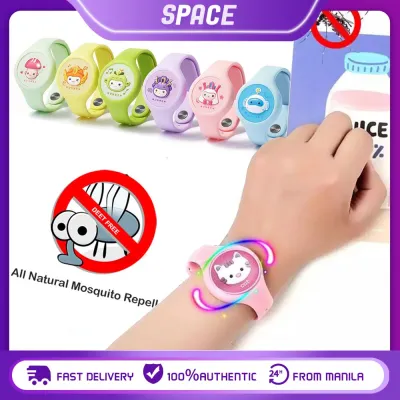
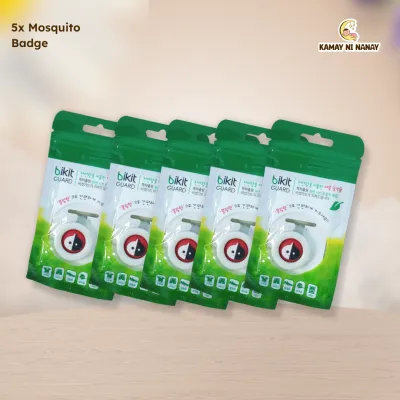
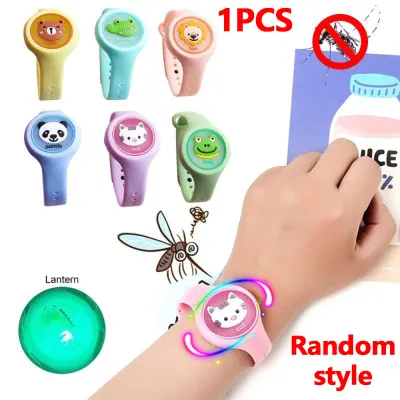
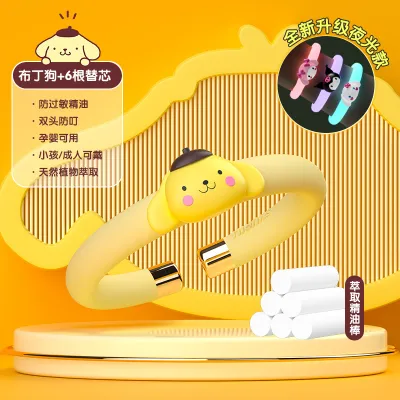
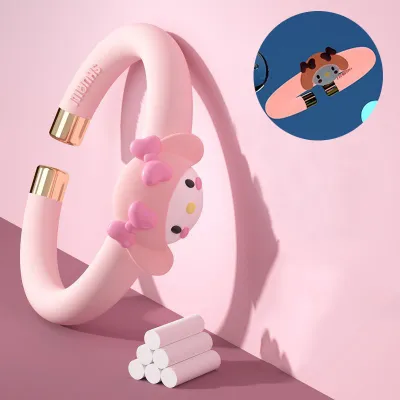
Prices are valid at publication and may change. Please refer to the product page for the latest price.
The active ingredients in repellent bands are highly concentrated to allow the scent to diffuse into the air. When these concentrated oils or chemicals sit directly against a baby’s sensitive skin, they can easily cause contact dermatitis. This often manifests as localized redness, swelling, itching, or even small blisters where the band touches the skin.
Babies explore their world primarily through their mouths. If a bracelet is worn on the wrist, it is highly likely to end up in the baby’s mouth during normal hand-to-mouth play. This leads to the direct ingestion of concentrated repellent chemicals or essential oils, which can cause severe gastrointestinal distress or chemical irritation to the sensitive mucous membranes of the mouth and throat.
The strong vapors emitted by these bracelets are designed to repel insects, but they can also irritate a baby’s developing respiratory tract. In enclosed spaces, such as a car or a small bedroom, the concentrated scent of essential oils can trigger coughing, sneezing, or breathing difficulties in sensitive infants.
Evaluating Ingredients: Essential Oils and Skin Sensitivities
Many commercial mosquito bands rely on plant-derived essential oils like citronella, lemongrass, peppermint, and eucalyptus. While these ingredients are often marketed as safe alternatives to synthetic chemicals, they are still highly concentrated organic compounds. In infants, these oils can trigger allergic reactions and skin sensitivities just as easily as synthetic additives.

It is common to see products labeled as “100% natural,” “organic,” or “chemical-free” on online marketplaces. However, these marketing terms do not guarantee safety for infant skin. Natural substances can still be highly irritating, and the lack of regulatory oversight on these claims means parents must remain cautious and skeptical of universal safety promises.
Before purchasing any repellent product, carefully inspect the packaging for a complete list of active and inactive ingredients. Avoid products that use vague terms like “natural fragrance” or “essential oil blend” without specifying the exact plants used. If a product lacks a clear, legible ingredient list or does not provide manufacturer contact information, it is best to avoid using it entirely.
Some bracelets contain synthetic fragrances or chemical carriers designed to prolong the release of the scent. These undisclosed chemicals can cause adverse skin reactions. Always verify that the product documentation explicitly states the ingredients are suitable for use around young children.
Age Limits and Developmental Risks: When to Avoid Bracelets
Most reputable manufacturers of mosquito repellents and wearable bands explicitly state that their products are not suitable for infants under a certain age, often restricting use to children over two or three years old. These age limits are established because older children have less sensitive skin, more developed respiratory systems, and a lower likelihood of putting the band in their mouth.
Between the ages of three and twelve months, babies develop the hand-to-mouth reflex as a primary way to explore their environment. They also learn to grasp, pull, and unfasten objects. A baby can easily pull a flexible silicone or fabric bracelet off their wrist or ankle, leading to immediate ingestion or choking risks that a caregiver might not notice right away.
If you choose to use a wearable repellent near your baby, you must monitor them constantly for any behavioral changes or physical symptoms. Signs of distress include persistent rubbing of the eyes, coughing, sneezing, unusual fussiness, or attempts to pull at the band. If you notice any redness, warmth, or bumps on the skin near the product, remove it immediately.
How to Choose and Use a Bracelet Anti Mosquito Product Safely
If you decide to purchase a mosquito bracelet, look for products that offer complete ingredient transparency and clear safety certifications. Choose designs that do not have small, detachable parts or delicate charms. Opt for bands made from medical-grade silicone or durable fabric that cannot be easily torn or chewed apart by a curious baby.
To minimize the risks of skin irritation and ingestion, never place the bracelet directly on your baby’s skin, wrist, or ankle. Instead, attach the band to the frame of your stroller, the canopy of a carrier, or the outside of a playpen where the baby cannot reach it. This allows the repellent vapors to create a protective barrier around the baby without physical contact.
Wearable repellents should only be used under direct adult supervision. Never leave a baby unattended with a mosquito bracelet, and always remove the product before putting your baby down for a nap or nighttime sleep. During sleep, a baby may roll over onto the band, pressing the concentrated ingredients against their face or skin for an extended period.
When not in use, store mosquito bracelets in their original airtight packaging out of reach of children. Dispose of used bands responsibly in a secure trash bin to prevent accidental exposure.
Safer Mosquito Protection Alternatives for Infants
The safest and most effective way to protect infants from mosquito bites is to prevent physical contact entirely. Use fine-mesh mosquito nets designed specifically for strollers, infant car seats, and cribs. These nets allow for excellent airflow while keeping mosquitoes, flies, and other insects at bay without the use of chemicals.
Dress your baby in lightweight, loose-fitting, long-sleeved shirts and long pants when spending time outdoors. Light-colored clothing is less attractive to mosquitoes and makes it easier to spot any insects that land on your baby. Ensure the fabric is breathable to prevent overheating in hot, humid tropical climates.
Reduce the mosquito population around your home by eliminating standing water in flower pots and outdoor containers. Indoors, use window screens or plug-in repellents in well-ventilated rooms, ensuring devices are placed far away from the baby’s sleeping area.
If you are traveling to areas in the Philippines with a high risk of mosquito-borne illnesses like dengue, consult your pediatrician before applying any topical repellents. A qualified healthcare professional can recommend age-appropriate, doctor-approved insect repellents and provide specific instructions on safe application methods for your baby’s age and weight.
Frequently Asked Questions (FAQ)
Can I put a mosquito bracelet on my newborn?
No, you should never put a mosquito bracelet on a newborn. Newborns have extremely thin, permeable skin and highly sensitive respiratory systems that cannot tolerate concentrated essential oils or synthetic repellent chemicals. Direct skin contact can lead to severe chemical burns, systemic absorption of ingredients, or respiratory distress. Instead, protect your newborn by using physical barriers such as stroller nets, dressing them in protective clothing, and keeping them in well-ventilated, screened indoor environments.
What should I do if my baby gets a rash from the bracelet?
If your baby develops a rash, redness, or irritation from a mosquito bracelet, remove the product immediately. Gently wash the affected skin with mild, fragrance-free baby soap and cool water to remove any remaining chemical residues or essential oils. Pat the skin dry with a clean, soft towel; do not rub. Monitor the area closely and avoid applying any over-the-counter creams or ointments without consulting a healthcare professional. If the rash spreads, blisters, causes significant discomfort, or is accompanied by a fever, seek medical attention from a pediatrician right away.
Community discussion
Share your experience or ask a question. Comments are reviewed before publication.