
Anti-mosquito bracelets are generally not recommended for direct wear on babies and infants due to potential skin sensitivities, respiratory risks from concentrated essential oils, and physical hazards like choking or strangulation. During peak dengue season, relying solely on these wearable bands can leave infants vulnerable to mosquito bites, as their protective radius is highly localized and often insufficient to cover an entire body. Parents must carefully evaluate active ingredients, check manufacturer age limits, and prioritize physical barriers and pediatrician-approved methods to keep their little ones safe.
Understanding the Ingredients in Anti-Mosquito Bracelets
Many wearable repellents on the market rely on volatile plant-based essential oils to deter insects. Common ingredients include citronella, lemongrass, peppermint, rosemary, and eucalyptus oils. These natural extracts work by releasing strong scents into the air, which mask the carbon dioxide and lactic acid cues that mosquitoes use to locate human hosts.
While these botanical ingredients are often marketed as gentle, their volatile nature means they must evaporate continuously to be effective. This constant release of concentrated aromatic compounds can easily overwhelm an infant’s developing respiratory system. Unlike adults, babies have highly sensitive airways that can react strongly to intense, localized scents.
Products mentioned in this guide
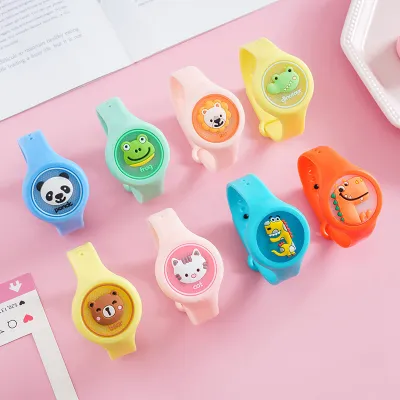
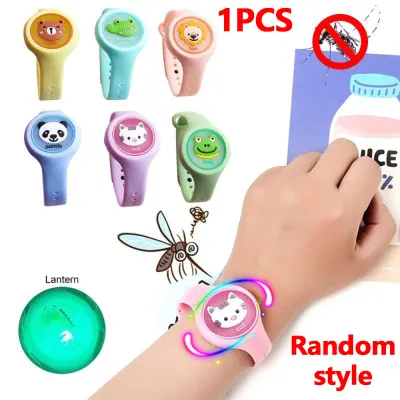
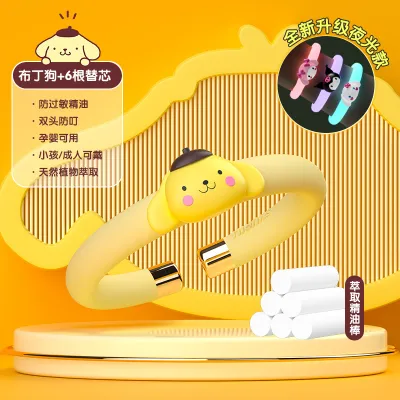
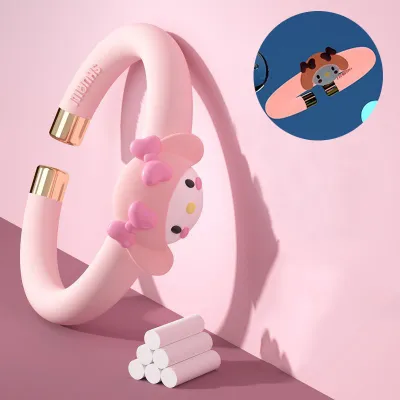
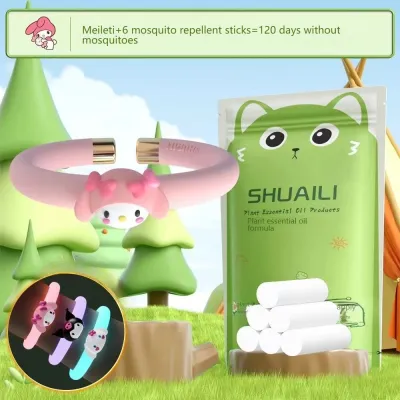
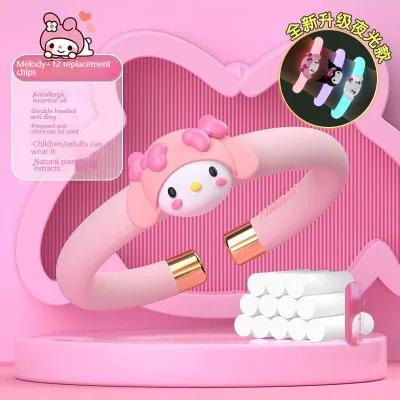
Prices are valid at publication and may change. Please refer to the product page for the latest price.
Some bracelets may contain synthetic chemical repellents, though these are less common in wearable bands designed for children. It is vital to distinguish between topical repellents applied directly to the skin and those infused into plastic, silicone, or fabric bands. The concentration of active ingredients in a wearable band can be surprisingly high to compensate for the lack of direct skin application.
Parents should never assume a product is safe simply because the packaging features words like “natural,” “organic,” or “chemical-free.” These marketing terms are not strictly regulated for infant accessories. Carefully inspect the back of the packaging for the complete ingredient list, looking out for potential allergens or synthetic carriers that might not be highlighted on the front label.
Potential Health and Skin Risks for Infants and Toddlers
Direct contact with concentrated essential oils can trigger adverse skin reactions in babies. An infant’s skin barrier is significantly thinner and more permeable than an adult’s, making it highly susceptible to contact dermatitis. Prolonged contact with an oil-infused band can cause localized redness, itching, dry patches, or even mild chemical burns if the oils leak or sweat causes them to transfer directly to the skin.

Respiratory tract irritation is another significant concern when using scented wearables around young children. The continuous inhalation of strong essential oil vapors in enclosed spaces, such as a nursery or a covered stroller, can trigger coughing fits, sneezing, or watery eyes. For babies with underlying respiratory sensitivities or a family history of asthma, these concentrated scents can cause airway constriction.
Beyond chemical and respiratory risks, wearable bands present serious physical hazards for infants and toddlers. Babies naturally explore their environment by putting objects in their mouths. A flexible silicone or fabric bracelet can easily be pulled off the wrist or ankle, posing an immediate choking hazard if chewed on or swallowed.
Strangulation and circulation risks must also be considered, especially during unsupervised times like naps or overnight sleep. If a bracelet catches on a crib slat, toy, or bedding, it can trap the baby’s limb or neck. Additionally, if a band is fastened too tightly to prevent it from falling off, it can restrict blood flow to the baby’s delicate hands or feet.
Age Restrictions and Manufacturer Guidelines
Before purchasing any anti-mosquito accessory, parents must locate and carefully read the manufacturer’s age guidelines. Many popular brands explicitly state that their products are not suitable for children under three years of age. These age limits are established not only because of ingredient concentrations but also due to the physical hazards associated with small, removable parts.
When reviewing the packaging, look for specific instructions on how the product should be worn. Some manufacturers recommend attaching the band to clothing, backpacks, or strollers rather than directly onto the skin. Following these application instructions is crucial for minimizing direct dermal exposure to active repellent chemicals.
It is important to recognize that the absence of a clear age warning on a label does not guarantee that a product is safe for newborns or infants. Regulatory standards for cosmetic and lifestyle accessories can vary, and some imported products may lack comprehensive safety labeling. If a product does not clearly state it is safe for infants, it is best to err on the side of caution and avoid using it on a baby.
Caregivers should also check for weight limits or sizing adjustments on adjustable bands. While some imported bands are highly affordable, costing less than ₱150 on an online marketplace, a low price tag should never override safety considerations. Always cross-reference the product’s official documentation or website for updated safety advisories and recall notices before use.
Safer Alternatives and Dengue Season Precautions
Protecting babies during peak dengue season requires a multi-layered approach that prioritizes physical barriers over chemical wearables. Dressing your baby in lightweight, loose-fitting, long-sleeved shirts and long pants provides an effective physical shield against mosquito bites. Choosing light-colored clothing is also beneficial, as mosquitoes are naturally attracted to darker colors.
For infants who spend time in strollers, infant carriers, or cribs, high-quality mosquito netting is an invaluable tool. Ensure the netting has a fine mesh size to block tiny insects and is draped securely so it cannot fall onto the baby’s face. Installing secure window and door screens in your home further prevents mosquitoes from entering living and sleeping areas.
Environmental control is equally critical in reducing the risk of dengue transmission around the home. Regularly inspect your surroundings and eliminate any sources of standing water, such as flowerpot saucers, empty buckets, clogged gutters, or discarded containers. Since dengue-carrying mosquitoes breed in clean, stagnant water, keeping your immediate environment dry and clean is a highly effective preventive measure.
When physical barriers are not enough, consult a pediatrician to discuss age-appropriate, clinically tested topical repellents. Medical professionals can recommend specific formulations, such as low-concentration DEET or Picaridin, that are approved for older infants and toddlers. Always follow a doctor’s guidance regarding application methods, frequency, and safe washing procedures to ensure maximum protection with minimal risk.
When to Stop Use and Seek Medical Help
Parents must remain vigilant for any signs of discomfort or adverse reactions while a baby is near any repellent product. If you notice localized skin redness, swelling, hives, or if your baby begins rubbing their skin persistently, remove the product immediately. Other warning signs include sudden coughing, wheezing, sneezing, watery eyes, or unusual fussiness that suggests physical discomfort.
If an adverse reaction occurs, take immediate action by removing the bracelet and moving the baby to a well-ventilated area with fresh air. Wash any skin areas that were in contact with the band thoroughly using mild baby soap and cool water to remove residual oils or chemicals. Avoid applying self-prescribed creams or ointments to the irritated area without professional advice.
Seek professional medical evaluation immediately if your baby exhibits signs of respiratory distress, such as rapid breathing, chest retractions, or blue-tinted lips. Severe allergic reactions, widespread hives, or persistent vomiting also require urgent medical attention. Always bring the product packaging with you to the clinic or emergency room so the healthcare provider can identify the active ingredients and administer the correct treatment.
Frequently Asked Questions (FAQ)
Can I attach the bracelet to a stroller or crib instead of the baby's wrist?
Attaching an anti-mosquito bracelet to a stroller canopy, diaper bag, or crib frame is a safer alternative to placing it directly on your baby’s skin. This indirect method significantly reduces the risk of contact dermatitis and prevents the baby from chewing on the band. However, keep in mind that moving the repellent further away from the baby’s body can reduce its overall effectiveness, as the protective scent barrier becomes more diluted in open air.
If you choose to use this indirect method, you must ensure the bracelet is fastened completely out of your baby’s reach. Secure it tightly to a part of the stroller or crib that the baby cannot pull down, untie, or put in their mouth. Never leave loose bands inside the crib or playpen where a sleeping or playing baby could accidentally wrap them around their neck or limbs.
Do natural essential oil bracelets guarantee protection against dengue-carrying mosquitoes?
No, natural essential oil bracelets do not guarantee complete protection against dengue-carrying mosquitoes. These wearables rely on localized scent evaporation, which typically only protects the immediate area around the band, such as the wrist or ankle, leaving the rest of the body vulnerable to bites. Mosquitoes can easily bite exposed skin on the shoulders, back, or face even if a bracelet is worn.
Furthermore, the evaporation rate of essential oils can be highly unpredictable, especially in hot and humid tropical climates. Sweat, wind, and high temperatures can cause the active scents to dissipate rapidly, drastically shortening the product’s effective lifespan. Relying solely on a bracelet during peak dengue season is risky; it should only be used as a minor supplement to more reliable methods like physical netting, protective clothing, and pediatrician-approved topical repellents.
Community discussion
Share your experience or ask a question. Comments are reviewed before publication.