
When you welcome a new baby into your home, their safety and comfort become your absolute priorities. In your search for nursery essentials, you have likely encountered a variety of specialized bedding products, including the anti flathead pillow for baby. Often marketed as ergonomic, orthopedic, or designed to prevent flat head syndrome, these small, contoured pillows with a hollow center are widely available on online marketplaces in the Philippines. However, major pediatric and health organizations worldwide, including the American Academy of Pediatrics and local pediatric societies, strongly advise against using any pillows, including anti-flathead pillows, in a baby’s sleep space.
While parents buy these products with the best intentions to protect their baby’s head shape, the safety risks during unsupervised sleep far outweigh any cosmetic benefits. Medical experts agree that for the first year of life, a baby should sleep on their back on a firm, flat mattress with nothing else in the crib. Introducing any pillow into this environment increases the risk of serious sleep-related accidents. Understanding the physiological reasons behind these medical warnings can help you make informed decisions to keep your little one safe while addressing head shape concerns naturally.
Why Pediatricians Warn Against Pillows in the Crib
To understand why pediatricians warn against using an anti flathead pillow for baby during sleep, it is essential to look at the anatomy of an infant. Young babies have very weak neck muscles and limited motor control. During the first few months of life, a baby cannot easily lift or turn their head if their face becomes pressed against a soft, raised, or indented surface. If a baby rolls slightly or if their head slips into the contour of a pillow, they can easily become trapped, leading to accidental suffocation or airway obstruction.
Products mentioned in this guide
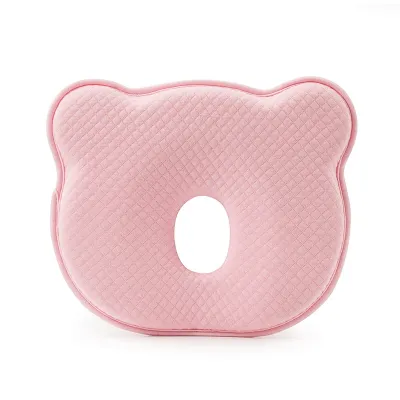



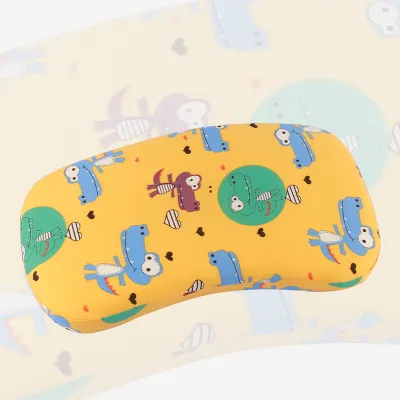
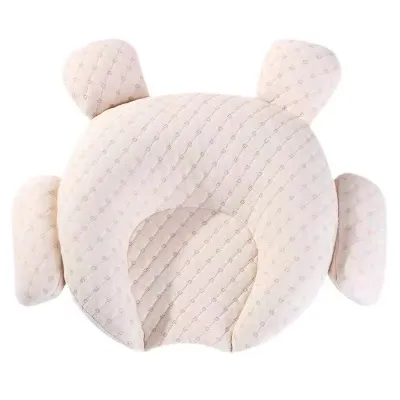

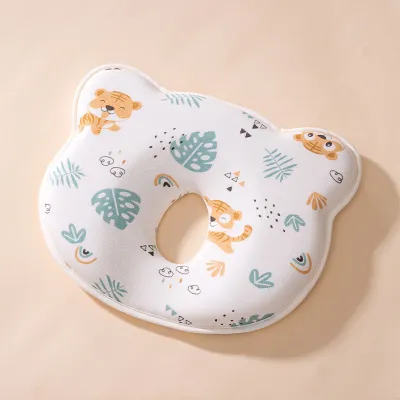
Prices are valid at publication and may change. Please refer to the product page for the latest price.
Another critical hazard is positional asphyxia, which occurs when a baby’s airway is physically blocked due to the position of their body. An infant’s trachea, or windpipe, is highly flexible and about the width of a drinking straw. When a baby’s head is propped up on a pillow, even a slightly elevated one, it can force their chin down toward their chest. This chin-to-chest position can kink the airway like a garden hose, silently cutting off their oxygen supply without the baby being able to cry out or struggle.
Furthermore, using pillows in the crib significantly increases the risk of Sudden Infant Death Syndrome (SIDS). A safe sleep environment must remain completely bare to minimize these hazards. The gold standard for infant sleep safety is a firm, flat mattress covered only by a tight, well-fitted sheet. Loose blankets, bumpers, stuffed toys, and pillows of any kind should be completely excluded from the sleep space.
Many manufacturers of anti-flathead pillows attempt to reassure parents by labeling their products as “breathable,” “organic,” or “ergonomically approved.” However, these marketing claims are not standardized safety certifications for unsupervised sleep. Even if a fabric is technically breathable, the physical shape and softness of the pillow still pose a significant risk of airway obstruction and positional asphyxia. Parents must verify safety standards independently and remember that no marketing claim overrides the fundamental medical recommendation to keep the crib completely empty.
In tropical climates like the Philippines, where high humidity and warm temperatures are common, placing extra padding or synthetic pillows under a baby’s head can also contribute to overheating. Overheating is a recognized risk factor for SIDS. Keeping the sleeping area cool, using a simple fitted cotton sheet, and dressing your baby in lightweight, breathable cotton clothing is much safer than adding specialized pillows that trap heat around the baby’s head and neck.
Understanding Flat Head Syndrome and Why It Happens
To address the root of the issue, it is helpful to understand what flat head syndrome is and why it occurs. Known medically as positional plagiocephaly, this condition refers to the flattening of one side or the back of a baby’s skull. A newborn’s skull is composed of several soft, malleable bony plates connected by flexible joints called sutures. This natural pliability is essential because it allows the baby’s head to pass through the birth canal and accommodates the rapid growth of their brain during the first year of life.

Because the skull is so soft, prolonged pressure on one specific area can cause it to flatten. This pressure most commonly occurs when a baby lies in the same position for extended periods. Since the launch of global safe sleep campaigns advocating that babies always be placed on their backs to sleep, the incidence of SIDS has dropped dramatically. However, as a side effect of babies spending more time sleeping on their backs, the occurrence of positional plagiocephaly has naturally risen.
It is incredibly reassuring for parents to know that in the vast majority of cases, positional flat spots are a purely cosmetic concern. Plagiocephaly does not affect a baby’s brain development, intelligence, or neurological health. The soft bones of the skull gradually harden as the baby grows, and once they begin to sit up, crawl, and spend less time lying down, the flat spots typically resolve on their own. Understanding that this is a temporary, non-harmful phase can relieve a great deal of parental anxiety and eliminate the perceived need for risky sleep accessories.
Safe, Doctor-Recommended Alternatives to Prevent Flat Spots
Fortunately, you do not need to rely on unsafe pillows to protect your baby’s head shape. There are several highly effective, zero-risk, doctor-recommended practices you can incorporate into your daily routine to prevent and improve flat spots during waking hours.
Supervised Tummy Time
One of the most effective ways to relieve pressure on the back of your baby’s head is to prioritize supervised tummy time. Tummy time should only occur when your baby is fully awake and under your direct, constant supervision. This practice serves a dual purpose: it completely removes pressure from the skull and helps build the crucial neck, shoulder, and core muscles your baby needs for rolling, sitting, and crawling.
- Start Early: You can begin tummy time as soon as you bring your baby home from the hospital. Start with short sessions of just 1 to 2 minutes, two to three times a day.
- Gradual Build-up: As your baby grows stronger and becomes more comfortable, gradually increase the duration to a total of 30 minutes spread throughout the day.
- Make It Comfortable: If your baby resists lying on the floor, try placing them chest-to-chest on your body while you recline slightly. You can also place a colorful toy or a small mirror in front of them to keep them engaged and encourage them to lift their head.
Alternating Head Position
Babies naturally turn their heads toward interesting sights, sounds, or light sources. You can use this natural curiosity to encourage them to rotate their head and distribute pressure evenly across their skull.
- The Crib Rotation Method: Change the direction you place your baby to sleep in their crib each night. If they always turn their head to the right to look toward the door or a window, placing their head at the opposite end of the crib the next night will encourage them to turn to the left to see the same view.
- Feeding Adjustments: Whether you are breastfeeding or bottle-feeding, make a conscious effort to alternate the side you hold your baby on during feedings. This naturally changes the point of contact on their head.
- Visual Stimuli: Position toys, crib mobiles, or interesting patterns on alternating sides of the play area or changing table to prompt your baby to look in different directions.
Limiting Time in Restrictive Gear
In modern daily life, babies often spend significant periods in travel and soothing gear, such as car seats, bouncers, swings, and strollers. While these items are convenient, they feature hard, upright backs that apply continuous, localized pressure to the back of your baby’s soft skull.
To minimize this pressure, limit the time your baby spends in these devices to when they are actively traveling or when you need a brief, safe place to soothe them. In the Philippines, traditional baby hammocks, known locally as duyan, are also popular for soothing. However, like car seats and swings, they place the baby in a curved position that can press on the back of the head and pose airway safety risks if the baby’s chin drops. Instead, when your baby is awake, encourage free movement by placing them on a flat, clean play mat on the floor, or carry them in your arms or a structured baby carrier that supports their body while keeping their head free from resting against a flat surface.
When to Consult a Pediatrician About Your Baby's Head Shape
While most flat spots improve naturally with simple repositioning and tummy time, there are times when a professional medical evaluation is necessary. It is important to differentiate common positional flattening from rarer medical conditions that require specialized intervention.
One such condition is craniosynostosis, a rare congenital defect where the joints between the baby’s skull bones fuse together prematurely, before the brain is fully formed. This premature fusion prevents the skull from expanding normally, which can lead to an unusual head shape and, in severe cases, pressure on the developing brain. Unlike positional plagiocephaly, craniosynostosis cannot be corrected with simple repositioning or tummy time and requires medical diagnosis and treatment, which may include surgery.
Parents should monitor their baby’s head shape and consult a pediatrician if they observe any of the following red flags:
- Hard, raised ridges along the joints of the skull.
- Uneven positioning of the ears, eyes, or forehead, where one side of the face appears pushed forward.
- A flat spot that continues to worsen or does not show any improvement after several weeks of consistent repositioning and tummy time.
- Asymmetrical facial features or a noticeable tilt in the baby's neck (which could indicate torticollis, a condition where tight neck muscles limit head movement).
If your pediatrician determines that your baby has a moderate to severe flat spot, they may refer you to a specialist for physical therapy or, in some cases, prescribe a custom corrective helmet or cranial band. These medical devices are carefully engineered to guide skull growth safely. Parents should never attempt to purchase or use corrective helmets, bands, or specialized shaping devices from online marketplaces without a direct prescription, custom fitting, and ongoing supervision from a qualified pediatric specialist. In the Philippines, these specialized pediatric consultations and custom cranial orthoses can represent a significant financial investment, ranging from tens of thousands of pesos, which underscores the value of early, safe prevention through daily repositioning.
Frequently Asked Questions (FAQ)
Can I use an anti-flathead pillow when my baby is awake and supervised?
While using an anti flathead pillow for baby when they are fully awake and under your direct, constant supervision reduces the immediate risk of silent suffocation, pediatricians still generally advise against them. Laying your baby on a flat, firm play mat or holding them in your arms is far more beneficial for their motor development. If you do choose to use one of these pillows for a brief, awake moment, you must maintain active, continuous eye contact. The very moment your baby shows any signs of sleepiness, or if you must look away even for a second, you must immediately remove the pillow and place your baby on a safe, flat, and bare sleep surface.
At what age is it safe to introduce a regular pillow to my baby's bed?
Medical experts and pediatric associations recommend waiting until your child is at least 1 to 2 years old, or until they have fully transitioned from a crib to a toddler bed, before introducing a pillow. Before this milestone, their airway remains highly vulnerable to obstruction. When you do decide to introduce a pillow, avoid using standard, fluffy adult pillows. Instead, choose a small, very firm, and flat pillow specifically designed for toddlers. This keeps their head and neck in a natural, safe alignment and minimizes any residual suffocation risks as they continue to grow.
Community discussion
Share your experience or ask a question. Comments are reviewed before publication.