
Quick Answer: Can You Use Adult Mosquito Patches on Young Children?
No, using an adult mosquito patch on babies and toddlers is generally not recommended by pediatricians and safety experts. The delicate physiology of infants and young children makes them highly susceptible to the concentrated ingredients found in adult-strength formulations. While these patches are highly convenient, their active ingredients—whether synthetic chemicals or highly concentrated plant-derived essential oils—can easily overwhelm a child’s sensitive skin and developing respiratory system.
Before applying any protective patch to your child or their immediate surroundings, it is vital to read the product packaging carefully. Always verify the manufacturer’s explicit age recommendations and inspect the full list of active ingredients. Do not assume a product is safe for a baby simply because it is marketed as “natural” or comes in a convenient sticker format. Keeping your child safe during peak dengue seasons requires choosing products formulated specifically for their developmental stage.
Why an Adult Mosquito Patch Differs from Baby Formulations
To understand why an adult mosquito patch is unsuitable for young children, we must look closely at how these products are formulated. Adult repellents are designed to withstand outdoor conditions, heavy sweating, and high mosquito density. Consequently, they feature significantly higher concentrations of active ingredients to ensure long-lasting efficacy.
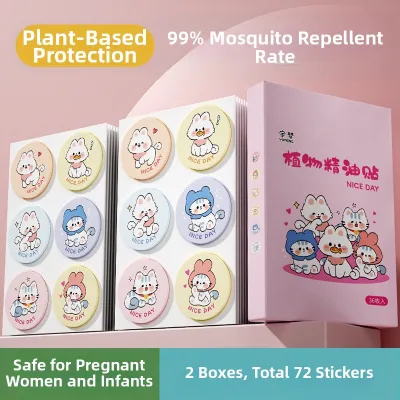
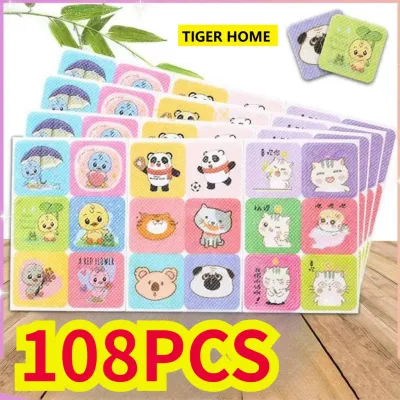
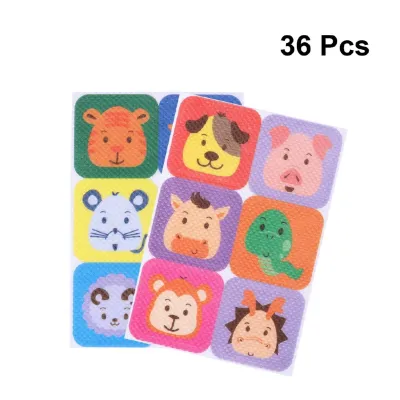
Products mentioned in this guide
![[10 boxes + FREE 1 box] MoskiShield Mosquito Repellent Stick On Patch 10 Boxes Plus 1 FREE Box Dengue Protection](https://img.lazcdn.com/g/p/4c3d74e85da703f42633155990d096f0.png_400x400q80.png_.webp)
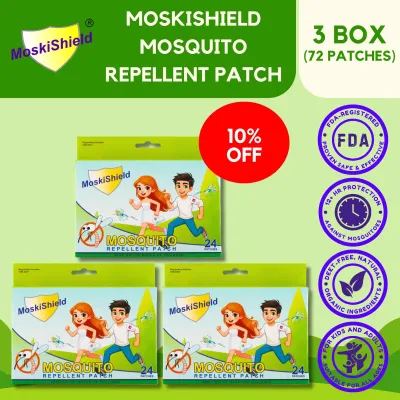
![[10 box + 10 pouch] MoskiShield Mosquito Repellent Stick On Patches Buy 10 Get 10 Anti Dengue](https://img.lazcdn.com/g/p/df25b2061bc9a830ec93ed64184549ac.png_400x400q80.png_.webp)
Prices are valid at publication and may change. Please refer to the product page for the latest price.

In many adult patches, the primary active ingredients are concentrated essential oils like citronella, eucalyptus, peppermint, and lemongrass, or synthetic chemical repellents. While these substances are effective at masking human scents and deterring mosquitoes, their concentration levels in adult patches are far too potent for a young child’s body. For instance, high concentrations of citronella oil can cause severe dermal irritation in young children, whereas baby-specific patches use highly diluted, milder botanical blends or rely entirely on physical barriers.
A common misconception among parents is that “natural” or “plant-based” labels automatically equate to safety. In reality, concentrated plant extracts are active chemical compounds. Essential oils contain volatile organic compounds (VOCs) that can be highly irritating when used in close proximity to an infant. While an adult’s mature skin and respiratory tract can easily handle these strong vapors, a baby’s system cannot.
When selecting pest protection, parents must learn to carefully inspect product labels. Look for clear pediatric testing claims and verify the specific age brackets listed by the manufacturer. If a package does not explicitly state that it is safe for infants or toddlers under a specific age (such as under two years old), it should be treated as an adult-strength product and kept away from young children.
Potential Risks and Side Effects for Infants and Toddlers
Babies and toddlers are not just small adults; their physiological systems are still developing. They possess thinner skin, a higher skin surface-area-to-body-weight ratio, and highly sensitive respiratory tracts. These physiological differences mean that any chemical or concentrated substance placed near them is absorbed or inhaled at a much higher relative dose than it would be by an adult, significantly increasing the risk of adverse reactions.
Skin Irritation and Allergic Reactions
The outermost layer of an infant’s skin is incredibly thin and lacks the full protective barrier function of adult skin. When exposed to the high concentrations of active ingredients in an adult mosquito patch, babies can easily develop contact dermatitis. This condition manifests as intense redness, localized swelling, itching, or even painful chemical burns. Furthermore, indirect exposure is a major concern. Toddlers frequently touch their surroundings, and if they touch a highly concentrated patch and then rub their eyes or mouth, they can transfer these irritating oils directly to highly sensitive mucosal membranes, causing severe burning and distress.
Respiratory Sensitivity
The strong, volatile scents emitted by adult patches are designed to create a wide protective vapor barrier. However, these strong aromas and volatile organic compounds (VOCs) can easily overwhelm a toddler’s sensitive airway. Inhaling these concentrated vapors can trigger immediate respiratory irritation, leading to coughing fits, wheezing, or sudden shortness of breath. For children with an underlying history of respiratory sensitivities, reactive airway disease, or childhood asthma, exposure to these potent essential oils can even precipitate a severe asthma-like attack.
Choking and Ingestion Hazards
Beyond chemical and respiratory risks, physical safety is a paramount concern during the developmental stages of infancy and toddlerhood. Young children naturally explore their environment by placing objects in their mouths. A colorful mosquito patch can easily look like a toy or a sticker to a curious toddler. If a patch is applied within the child’s reach, or if it loses its adhesive strength and falls off onto bedding or play mats, a child may peel it off and swallow it. This presents an immediate, life-threatening choking hazard. Furthermore, if a child successfully ingests a patch, the concentrated active ingredients can cause acute gastrointestinal irritation, vomiting, or systemic toxicity.
Safe Mosquito Protection Alternatives for Young Children
Protecting your little ones from mosquito-borne diseases like dengue is a top priority, especially in tropical climates like the Philippines where high humidity and frequent rainfall create ideal breeding grounds for mosquitoes. Fortunately, you do not need to rely on adult-strength chemical patches to keep your child safe. There are several highly effective, baby-safe strategies and physical barriers you can implement.
Baby-Specific Patches and Proper Application
If you choose to use repellent patches, look specifically for products that are explicitly formulated, tested, and labeled for babies and toddlers. These baby-specific patches utilize much lower concentrations of active ingredients and rely on gentler, pediatric-approved botanical formulations. Always check the packaging to verify that the product has undergone pediatric testing and is approved for your child’s specific age group.
Even when using baby-safe patches, proper application is critical to safety. Never apply any mosquito patch directly to your child’s skin. Instead, adhere the patch to the outside of their clothing, preferably on the upper back or shoulders where it is completely out of their sight and reach. You can also apply patches to the exterior frame of a stroller, the canopy of a baby carrier, or the outer rails of a crib. Always supervise your child to ensure they do not peel the patch off, and dispose of used patches safely in a closed trash bin immediately after use.
Physical Barriers and Environmental Control
Pediatricians widely agree that physical barriers are the safest and most effective primary defense against mosquitoes for infants and toddlers. When outdoors or in high-risk areas, dress your child in lightweight, long-sleeved shirts and long pants made of breathable fabrics to prevent bites without causing overheating in humid weather. Use fine-mesh mosquito nets specifically designed to drape securely over cribs, playpens, and strollers.
Additionally, environmental control around your home is essential for long-term protection. Regularly inspect your living space and eliminate any sources of stagnant water—such as empty flower pots, buckets, or clogged gutters—where dengue-carrying mosquitoes breed. If you use indoor plug-in mosquito repellents, ensure they are placed in well-ventilated areas, strictly out of your child’s reach, and never leave them running continuously in an enclosed room where a baby is sleeping.
What to Do If Your Child Reacts to a Mosquito Patch
If you suspect your child is having an adverse reaction to a mosquito patch, quick and calm action is essential. Immediately peel off the patch and remove any clothing that may have come into contact with the product’s active ingredients or oils. Gently wash the affected skin area with mild baby soap and cool water to remove any remaining chemical residue, taking care not to scrub or irritate the skin further. If the reaction involves respiratory symptoms, immediately move your child into a well-ventilated area with fresh air.
Monitor your child closely for any signs of escalating distress. You should seek immediate professional medical care or visit the nearest emergency department if you observe any of the following warning signs:
- Difficulty breathing, rapid breathing, or persistent wheezing and coughing.
- Severe skin swelling, widespread hives, or blistering at the patch site.
- Persistent, inconsolable crying or signs of extreme discomfort.
- Lethargy, unusual drowsiness, or unresponsiveness.
- Any suspicion of ingestion, such as if your child has put a patch in their mouth or swallowed any portion of it.
Do not attempt to apply over-the-counter steroid creams, antihistamines, or alternative home remedies to the irritated skin without first consulting a pediatrician or qualified healthcare professional.
Frequently Asked Questions (FAQ)
Can I put an adult mosquito patch on my baby's stroller instead of their skin?
While sticking an adult mosquito patch to a stroller frame avoids direct contact with your baby’s delicate skin, it still carries significant risks. The strong, concentrated volatile organic compounds (VOCs) and essential oils emitted by adult-strength patches are designed to disperse into the surrounding air. In the semi-enclosed space of a stroller canopy, these potent vapors can quickly concentrate, leading to respiratory irritation, coughing, or wheezing for your baby. Additionally, babies are highly curious and active; if the patch is placed within their reach, they may pull it off, leading to skin contact, eye irritation, or a severe choking hazard. For stroller protection, it is much safer to use a physical, fine-mesh stroller net or a patch specifically formulated and age-approved for infants.
At what age can children safely use adult mosquito patches?
There is no single universal age at which children can safely transition to adult mosquito patches, as chemical formulations, active ingredients, and concentrations vary widely by brand. Many adult-strength patches containing high concentrations of essential oils or synthetic chemical repellents are not recommended for children under two years of age, and some specify safety limits only for children aged six or older. You must always read the product packaging and follow the manufacturer’s explicit age guidelines. Before introducing any new repellent product or adult-strength patch to your child’s routine, consult your pediatrician to verify its safety based on your child’s specific age, weight, and health history.
Community discussion
Share your experience or ask a question. Comments are reviewed before publication.