
Choosing between Aquaphor Baby Cream and other baby moisturizers depends on your baby’s specific skin condition, the local tropical climate, and how you plan to use the product. Aquaphor Baby Cream is a thick, barrier-supporting formula designed to lock in moisture and protect targeted areas of dry, irritated, or chafed skin. In contrast, lighter daily lotions or standard creams are often more suitable for full-body hydration, especially in warm, humid environments where heavy products might feel uncomfortable or trap heat. By understanding your baby’s skin barrier needs and comparing different formulation types, you can make an informed decision that keeps their skin comfortable and healthy.
Identifying Your Baby's Specific Skin Needs
Normal baby skin is naturally soft, smooth, and resilient, requiring only basic daily maintenance to preserve its natural moisture balance. A compromised skin barrier, however, presents visible signals that demand more targeted care. These signals include rough patches, flakiness, persistent dry spots, or mild redness, particularly in areas prone to friction or moisture buildup, such as the cheeks, diaper area, and skin folds.
Routine daily maintenance typically involves applying a lightweight, easily absorbed moisturizer after bath time to keep the skin hydrated. Targeted treatment, on the other hand, is necessary when specific areas become dry, cracked, or irritated. These localized patches require a thicker, more protective barrier cream or ointment to shield the skin from external irritants like drool, wet diapers, or rough fabrics.
Products mentioned in this guide
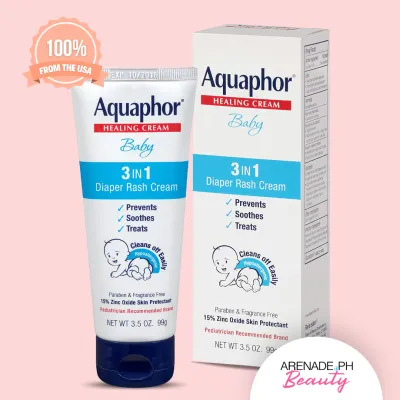
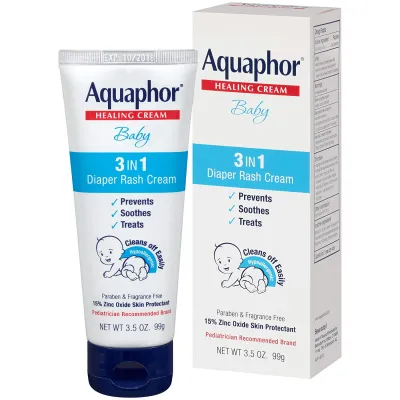
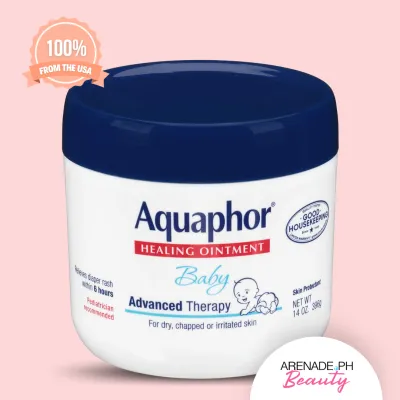
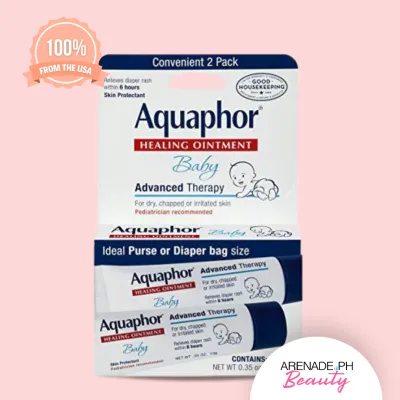
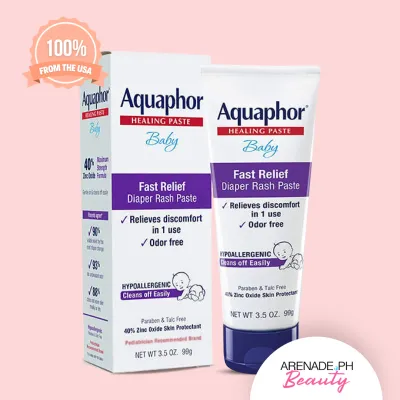
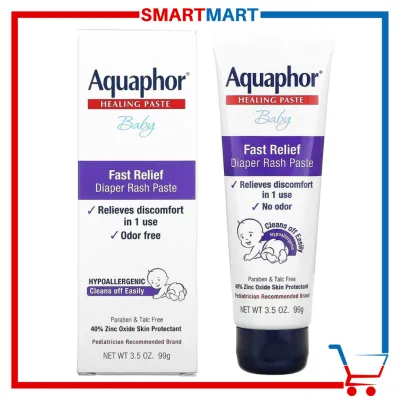
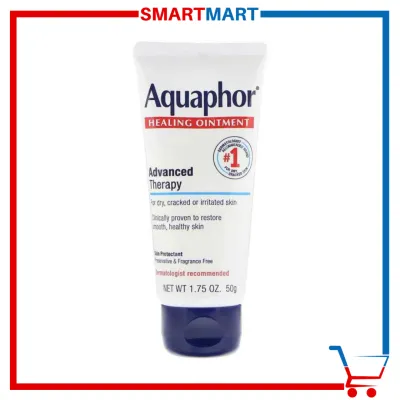
Prices are valid at publication and may change. Please refer to the product page for the latest price.
While over-the-counter moisturizers are highly effective for everyday care, parents must recognize when to stop self-treatment. If your baby’s skin shows signs of severe irritation, oozing, cracking, bleeding, or if the dryness does not improve after several days of consistent application, it is time to consult a pediatrician or pediatric dermatologist. Additionally, if your baby exhibits signs of discomfort, such as persistent scratching or fussiness due to skin irritation, professional medical advice is essential to rule out underlying conditions like eczema or infections that require prescription treatments.
Evaluating Aquaphor Baby Cream: Formulation and Ideal Uses
Aquaphor Baby Cream is formulated to provide intensive care for dry, compromised skin. Its ingredient profile often includes key components like panthenol and glycerin, which are known for their skin-conditioning and moisture-binding properties. Glycerin acts as a humectant, drawing moisture into the outer layers of the skin to keep it hydrated. Panthenol, a derivative of vitamin B5, helps soothe the skin and supports the natural barrier repair process, making it highly beneficial for irritated or chafed areas.

Unlike standard daily lotions that have a high water content and absorb almost instantly, Aquaphor Baby Cream has a much thicker, richer texture. It is designed to be semi-occlusive, meaning it forms a physical protective barrier over the skin’s surface. This occlusive barrier slows down transepidermal water loss, keeping moisture locked in for extended periods. Because of this thick consistency, it does not absorb immediately into the skin, leaving a protective layer that feels heavier than a typical lotion.
This unique texture makes it ideal for targeted application rather than full-body use. For example, it is highly effective for protecting a baby’s cheeks from drool rash, which occurs when constant moisture from saliva irritates the delicate facial skin. It is also excellent for managing severe dry patches on the elbows or knees, where friction from crawling can cause roughness. Additionally, applying a protective layer in the diaper area can help shield the skin from the irritating effects of wetness and friction, supporting overall skin comfort.
Aquaphor vs. Other Moisturizer Categories: Lotions, Creams, and Ointments
To choose the right product, it is helpful to understand how different moisturizer categories behave on your baby’s skin, especially under varying environmental conditions. Baby lotions are formulated with a high water content, making them lightweight and quick to absorb. They are excellent for full-body application, particularly in warm and humid tropical climates like the Philippines, where heavy creams might feel sticky or trap sweat. Lotions provide immediate, lightweight hydration without leaving a greasy residue, making them ideal for daily maintenance of normal baby skin.
Standard baby creams offer a balanced oil-to-water ratio. They are thicker than lotions but lighter than ointments, providing moderate dryness relief and everyday barrier support. Creams are easy to spread over larger areas of the body while offering more lasting hydration than a simple lotion, making them a versatile choice for babies with slightly dry or sensitive skin.
Ointments and balms are highly occlusive formulations with little to no water content. They are extremely thick, greasy, and designed to sit on top of the skin to provide maximum protection against moisture loss and external irritants. While Aquaphor Baby Cream shares some of these protective, barrier-building qualities, it is formulated to be slightly more spreadable than a traditional pure petroleum jelly ointment, though it remains significantly thicker than a standard daily lotion.
When deciding which category to use, consider this simple framework:
- Choose lightweight baby lotions for quick, full-body hydration and daily maintenance, especially during hot, humid days.
- Choose Aquaphor Baby Cream or similar rich creams for targeted repair of dry patches, drool rash, and areas prone to friction.
- Choose heavy ointments or barrier balms for extreme protection, such as overnight diaper area shielding or severe, localized cracking.
Essential Safety and Ingredient Checks Before Buying
Before purchasing any baby skincare product, it is crucial to carefully inspect the packaging and ingredient list to ensure it is safe for your baby’s delicate skin. Look for labels that explicitly state “fragrance-free,” “hypoallergenic,” and “dye-free.” It is important to note the difference between “unscented” and “fragrance-free” products. “Unscented” products may still contain masking fragrances to neutralize the natural smell of the ingredients, which can still irritate sensitive skin. “Fragrance-free” means the product contains absolutely no added fragrance chemicals, making it the safer choice for babies.
You should also verify any claims of pediatrician or dermatologist testing. Look for specific wording on the packaging, such as “pediatrician recommended” or “dermatologist tested,” and check the manufacturer’s official documentation or website to understand the basis of these claims.
Even when a product is labeled as gentle or hypoallergenic, you should always perform a standard patch test before applying it to a large area of your baby’s body. This simple step helps identify potential allergic reactions or sensitivities in a controlled manner. To perform a patch test, apply a tiny amount of the moisturizer to a small, clean, and discreet area of your baby’s skin, such as the inner forearm or behind the ear. Leave the product on for 24 to 48 hours, monitoring the spot closely for any signs of redness, swelling, tiny bumps, or irritation. If the skin remains clear, the product is generally safe for wider use.
Application Strategies for Optimal Skin Barrier Protection
How you apply a moisturizer is just as important as the product you choose. To maximize the benefits of any baby cream or lotion, practicing effective application strategies is key. One of the most effective techniques is the “soak and seal” method. After giving your baby a warm bath, gently pat their skin with a soft towel, leaving it slightly damp. Within three minutes of stepping out of the bath, apply the moisturizer over their entire body. This timing is critical because it locks in the moisture from the bathwater before it has a chance to evaporate, significantly boosting skin hydration.
In the Philippines, the tropical climate requires parents to be flexible with their skincare routines. During the hot, rainy, or highly humid seasons, heavy creams applied all over the body can trap sweat and lead to heat rash or clogged pores. During these times, it is often best to use a lightweight lotion for the body and reserve thicker products like Aquaphor Baby Cream for targeted areas that need extra protection, such as the cheeks or diaper area. During cooler months or in air-conditioned environments where the air is dry, you may need to increase the frequency of application or switch to a slightly richer cream.
Always monitor how your baby’s skin responds to a product. Signs that a moisturizer may not be working or is causing an adverse reaction include increased redness, persistent dryness, rough texture that does not improve, or the appearance of tiny red bumps. If you notice these signs, discontinue use of that specific product. If the skin condition worsens or does not improve after switching to a different category of moisturizer, consult a healthcare professional for guidance.
Frequently Asked Questions (FAQ)
Can I use Aquaphor Baby Cream on my newborn's face?
While Aquaphor Baby Cream is formulated to be gentle and is often suitable for dry patches on a baby’s face, its thick, rich texture can sometimes trap heat or clog delicate pores, especially on a newborn. Before applying any thick cream to your newborn’s face, check the specific product label for age recommendations and facial use instructions. It is highly recommended to consult your pediatrician before introducing any new skincare product to a newborn’s delicate facial skin, particularly around sensitive areas like the eyes or mouth.
How do I know if my baby is allergic to a new moisturizer?
Signs of an allergic reaction or contact dermatitis in babies include sudden redness, swelling, hives, tiny raised bumps, or increased fussiness and scratching, which indicate itching or discomfort. To prevent a widespread reaction, always perform a 24-to-48-hour patch test on a small, discreet area of skin before applying any new moisturizer to your baby’s entire body. If you observe any signs of irritation or an allergic reaction, wash the product off immediately, discontinue its use, and contact your pediatrician or a dermatologist for professional advice.

Community discussion
Share your experience or ask a question. Comments are reviewed before publication.