
Choosing the right baby wipe for sensitive skin, such as evaluating Aplaz baby wipes against other popular options in the Philippines, depends on careful ingredient verification, checking for common irritants, and assessing individual skin tolerance rather than relying solely on marketing claims. In a tropical climate where heat and humidity can exacerbate diaper rash and skin friction, parents must look beyond the packaging. By comparing formulation transparency, physical design, and cost-effectiveness, caregivers can establish a reliable framework to determine whether Aplaz or a mainstream alternative is the safest and most practical choice for their baby’s daily care.
Key Criteria for Sensitive Skin Wipes
The infant skin barrier is significantly thinner and more permeable than adult skin, making it highly susceptible to chemical irritants and mechanical friction. When evaluating any wipe brand, the first line of defense is a thorough inspection of the ingredient list on the back of the packaging.
Parents should prioritize “free-from” formulations that explicitly omit drying alcohols (such as isopropyl alcohol or ethanol), parabens, phthalates, and synthetic fragrances. Fragrances, even those labeled as “mild” or “fresh,” are among the most common triggers for contact dermatitis in infants.
Products mentioned in this guide
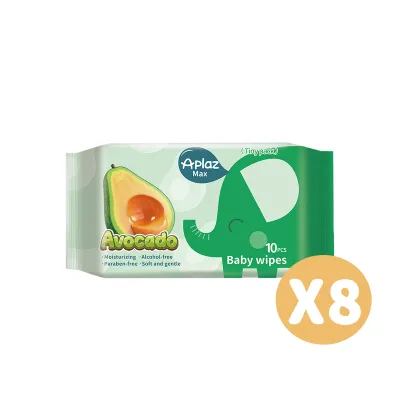
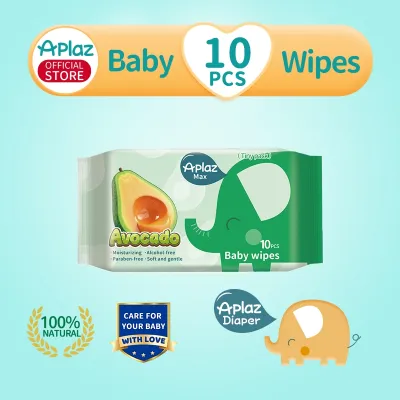
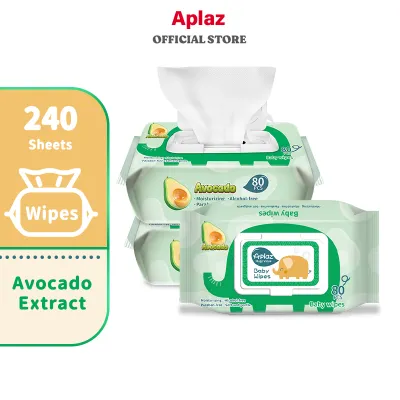
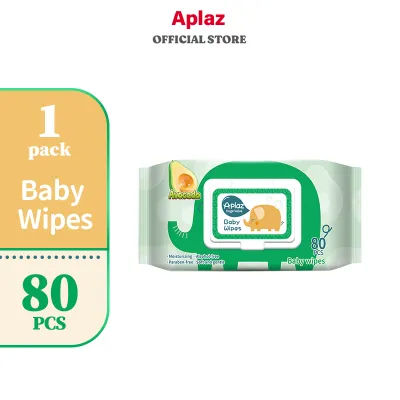
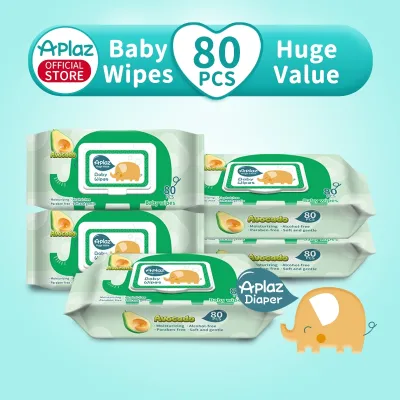
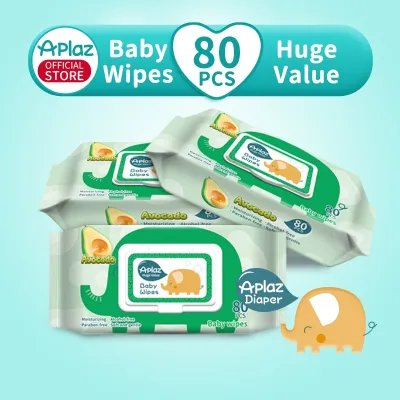
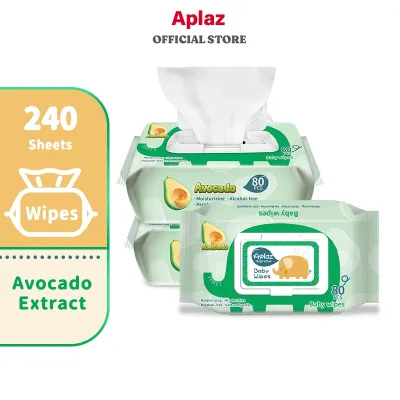
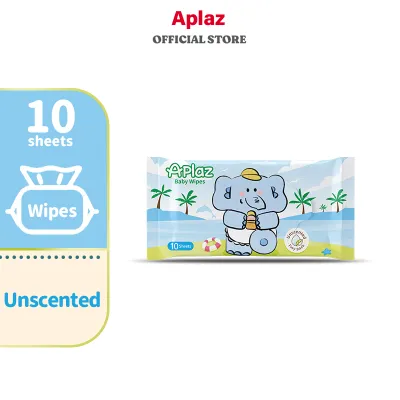
Prices are valid at publication and may change. Please refer to the product page for the latest price.
Preservatives are necessary in wet wipes to prevent bacterial and fungal growth in a moist environment, but some are gentler than others. Caregivers should look for mild, food-grade, or skin-friendly preservation systems and avoid formaldehyde-releasing agents or harsh chemicals like methylisothiazolinone (MIT).
Beyond the liquid formulation, the physical characteristics of the wipe sheet play a critical role in skin health. A high-quality sensitive wipe features a soft, non-abrasive material—often a blend of cotton, viscose, or polyester—with a textured weave that lifts messes efficiently without requiring aggressive rubbing.
Thickness and moisture retention are equally vital; thin wipes tend to tear or dry out quickly, leading to increased friction and the need to use multiple sheets per change. A thicker, well-saturated wipe cushions the skin and minimizes the physical swipes needed to clean the diaper area.
Finally, while terms like “hypoallergenic” or “dermatologically tested” are helpful indicators, they are not standardized medical guarantees. Parents must verify these claims by checking if the packaging references specific testing standards, independent dermatological seals, or pediatric clearance.
Evaluating Aplaz Baby Wipes for Sensitive Skin
To determine if Aplaz baby wipes are suitable for a baby with sensitive skin, caregivers must start by analyzing the ingredient panel on the specific pack they intend to purchase. Because formulations can change across different product lines or manufacturing batches, verifying the exact list of ingredients is more reliable than relying on general brand reputation.

Look closely at the label to see if Aplaz includes soothing botanical extracts, such as aloe vera or chamomile, which can help calm irritated skin, or if it relies on basic synthetic emollients. Ensure that these additives do not come accompanied by hidden essential oils or botanical fragrances that might trigger allergic reactions in highly reactive skin.
The physical construction of Aplaz wipes should also be assessed firsthand. Parents can pull a single wipe from the pack to examine its thickness, stretch, and surface texture; a gentle wipe should feel soft to the touch and retain its moisture from the top of the pack down to the very last sheet.
Observe how the wipe behaves during use: does it leave a sticky residue, or does it clean cleanly while leaving a light, non-greasy protective moisture barrier? A wipe that leaves a heavy residue may trap sweat and bacteria against the skin, which is particularly problematic in hot and humid tropical conditions.
Additionally, always review the manufacturer’s packaging for specific age recommendations, skin-type designations, and safety warnings. Some wipes are formulated specifically for newborns, while others are intended for older babies with more resilient skin barriers, making it crucial to match the product to your child’s developmental stage.
Comparing Aplaz Against Mainstream Alternatives
When comparing Aplaz baby wipes to other mainstream brands available in the Philippines, ingredient transparency serves as the primary point of comparison. Some premium sensitive wipes feature extremely minimalist formulas containing over 99% water and a single fruit extract, whereas budget-friendly alternatives may utilize more complex chemical formulations to maintain shelf life and scent.
Caregivers should compare the presence of active soothing agents across brands. While some leading brands incorporate skin-identical lipids or ceramides to actively support the skin barrier, others focus purely on basic cleansing, requiring parents to decide if their baby needs active skin therapy or simply a clean, non-irritating wipe.
Cost-effectiveness is another major factor for Filipino households, where diapering supplies represent a recurring daily expense. To make an accurate financial comparison, do not look only at the retail price of the pack; instead, calculate the unit price per wipe by dividing the total cost in ₱ by the number of sheets in the package.
For example, a pack costing ₱120 containing 80 wipes yields a unit price of ₱1.50 per wipe, which can then be compared directly against Aplaz’s unit price to determine the true value. Keep in mind that a slightly more expensive, thicker wipe can sometimes be more economical if you only need one sheet per change compared to two or three thin, cheap wipes.
Availability and convenience also dictate which brand is more practical for long-term use. Evaluate how easily you can source Aplaz wipes compared to mainstream competitors in local physical supermarkets, neighborhood drugstores, or authorized online marketplaces.
A brand that is constantly out of stock or only available through specialized online channels can cause disruptions in your baby’s skincare routine, potentially forcing sudden brand switches that might irritate sensitive skin. Choosing a brand with a stable, accessible supply chain ensures consistent care.
How to Safely Test a New Wipe Brand
Introducing any new skincare product, including a new brand of baby wipes, to an infant with sensitive skin requires a cautious, systematic approach. Even wipes labeled as completely natural or hypoallergenic can contain specific ingredients that trigger an individual sensitivity or allergic contact dermatitis.
Before using a new wipe brand like Aplaz for full-body cleansing or diaper changes, caregivers should perform a localized patch test. Select a small, healthy, and non-sensitive area of the baby’s skin, such as the inner forearm or the upper thigh, where the skin barrier is intact.
Gently swipe the new wipe over this small area once or twice, allowing the liquid residue to dry naturally without rinsing it off. Avoid testing on areas that already have active diaper rash, eczema flare-ups, or broken skin, as this can cause unnecessary discomfort and skew the results.
Monitor the test area closely over a 24-to-48-hour observation period, looking for any visible signs of localized skin reactions. Watch for the development of redness, tiny raised bumps, dry or flaky patches, swelling, or signs of itching, such as the baby scratching the area.
If any of these adverse reactions occur during the observation window, stop using the wipes immediately and wash the area gently with clean, lukewarm water. For mild redness that does not resolve quickly, or if the reaction spreads, consult a pediatrician or a pediatric dermatologist for guidance.
If the patch test area remains completely clear and free of irritation after 48 hours, you can gradually introduce the wipes into your daily diapering routine. Continue to monitor the diaper area during the first few days of full use, as repeated exposure over several days can sometimes reveal sensitivities that a single patch test might miss.
Decision Framework: Which Wipe Should You Choose?
Selecting between Aplaz baby wipes and other mainstream alternatives comes down to a balance of ingredient safety, household budget, and your baby’s unique skin tolerance. Parents should choose Aplaz if the ingredient list aligns with their “free-from” standards, the price per wipe fits comfortably within their monthly budget, and the product successfully passes a localized patch test.
Conversely, opting for a mainstream alternative is highly recommended if Aplaz lacks specific soothing ingredients—such as colloidal oatmeal or specific skin protectants—that your baby’s skin has previously responded well to. A mainstream brand may also be the better choice if you reside in an area where Aplaz is difficult to source consistently, as consistency is key to managing sensitive skin.
For babies with diagnosed dermatological conditions, such as atopic dermatitis or severe eczema, the decision-making process must always involve a healthcare professional. Before switching to any new wipe brand, consult your pediatrician or pediatric dermatologist to ensure the ingredients will not interfere with prescribed topical treatments or compromise an already weakened skin barrier.
Frequently Asked Questions (FAQ)
Can I use regular baby wipes if my baby does not currently have a rash?
Yes, using sensitive-skin wipes proactively is highly beneficial even when your baby’s skin appears perfectly healthy. The infant skin barrier is constantly developing, and repeated exposure to harsh cleansing agents, alcohol, or synthetic fragrances in regular wipes can gradually weaken this barrier over time. By consistently using mild, fragrance-free wipes, you help maintain the skin’s natural pH balance and moisture levels, which actively prevents diaper rash and irritation from developing in the first place.
Do water wipes replace the need for formulated sensitive skin baby wipes?
Water-based wipes and formulated sensitive wipes serve slightly different purposes, and one does not completely replace the other. High-water-content wipes are excellent for newborns and highly reactive skin because they minimize chemical exposure, but they may lack the mild cleansing agents or emollients needed to break down and lift stubborn, oily messes effectively. Formulated sensitive wipes often contain gentle surfactants and skin-conditioning agents that clean thoroughly with fewer physical wipes, making them highly practical as your baby transitions to solid foods and messier diapers.

Community discussion
Share your experience or ask a question. Comments are reviewed before publication.