
The most effective anti-startle (anti-gulat) products for newborns in the Philippines are those that safely mimic the secure feeling of the womb while accommodating the country’s warm, humid climate. Parents can choose between traditional or modern swaddles, wearable sleep sacks, and firm fitted mattress sheets. The ideal choice depends on your baby’s developmental stage, weight, and rolling milestones. Rather than looking for a single universal winner, caregivers should focus on lightweight, breathable fabrics like cotton or bamboo blends, verify proper hip-healthy sizing, and strictly follow safe sleep guidelines to ensure a secure rest.
Because every infant has unique sleep preferences, understanding how these products function is key to making an informed purchase. By evaluating the design, fabric weight, and safety features of each option, you can create a sleep environment that minimizes disruptions and supports healthy development.
Understanding the Newborn Startle Reflex
The Moro reflex, commonly referred to as the startle reflex or gulat by Filipino parents, is an involuntary neurological response present in healthy newborns. When triggered by a sudden sound, a change in light, or the sensation of falling, the baby suddenly splays their arms and legs outward before pulling them back toward their body. This reflex is a normal sign of a developing nervous system, but it frequently wakes a sleeping baby, leading to overtiredness for both the infant and the parents.
Products mentioned in this guide
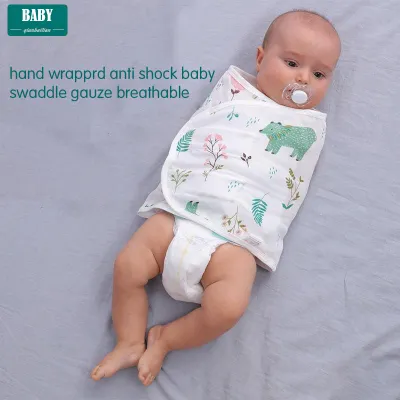



Prices are valid at publication and may change. Please refer to the product page for the latest price.
Anti-startle products are designed to manage the physical disruption caused by this reflex rather than altering the baby’s neurological development. By providing gentle, secure compression around the baby’s torso and limbs, these products mimic the snug, confined environment of the womb. This physical boundary dampens the sudden movement of the limbs, allowing the baby to drift back to sleep without fully waking.
While the startle reflex is prominent at birth, it typically peaks during the first month and gradually subsides by the time the baby reaches three to six months of age. Understanding this timeline helps parents plan their bedding purchases, as newborns will quickly outgrow the need for full-body restriction and transition to more open sleep garments.
Essential Safety and Fit Checks for Newborn Bedding
Before purchasing any anti-startle product, caregivers must prioritize safety and developmental health over aesthetics. The first critical check is ensuring a hip-healthy design. Swaddles and sleep sacks must allow the baby’s legs to bend and flare outward naturally in a “frog-leg” position. Tight wrapping that forces the legs straight down and presses the knees together can lead to hip dysplasia, a condition where the hip joint does not develop properly.

Temperature regulation is another vital consideration in the tropical climate of the Philippines. Overheating is a known risk factor for Sudden Infant Death Syndrome (SIDS). Caregivers should look for lightweight, single-layer fabrics and monitor the nursery’s temperature. If the room is not air-conditioned, a very thin muslin or bamboo swaddle is appropriate; if using air conditioning, a slightly thicker cotton wrap may be suitable, provided the baby is not overdressed underneath.
Strict adherence to safe sleep guidelines is non-negotiable when setting up a newborn’s bed. The sleep surface must be flat, firm, and completely free of loose blankets, pillows, bumpers, or soft toys. Any anti-startle garment must fit snugly around the neck and chest so that it cannot slide upward and cover the baby’s nose or mouth during sleep.
Finally, caregivers must select products based on the baby’s current weight and height rather than relying solely on age recommendations. An oversized swaddle or sleep sack poses a serious safety hazard, as excess fabric can easily bunch up around the face. Always consult the manufacturer’s specific sizing chart before making a purchase.
Comparing Anti-Startle Solutions by Type
Navigating the market for newborn bedding reveals three primary categories of anti-startle solutions: swaddles and wrap systems, wearable sleep sacks, and fitted mattress solutions. Each category serves a distinct purpose and aligns with specific stages of early infancy.
Choosing the right type depends on your baby’s age, how strongly they react to the startle reflex, and how easily they adapt to changes in their sleep environment. Comparing these categories side-by-side allows you to build a practical sleep system that grows with your child.
Swaddles and Wrap Systems
Traditional swaddle blankets and modern wrap systems are highly effective for early newborns who require full arm restriction to prevent waking. Traditional swaddles consist of large, square sheets of muslin or cotton that caregivers wrap manually around the baby. Modern wrap systems feature built-in fasteners, such as Velcro, zippers, or snaps, which simplify the process and reduce the likelihood of the swaddle unraveling.
When evaluating modern wraps, check the quality and placement of the fasteners. Velcro should be strong enough to resist the baby’s nudges but soft enough not to scratch delicate skin. Zippers should have protective fabric covers at the top to prevent irritation to the baby’s chin and neck. Caregivers must ensure that the wrap remains secure throughout the sleep period to prevent loose fabric from covering the airway.
It is critical to stop using arm-restricted swaddles at the first sign of the baby attempting to roll over. Once a baby can roll, they need their arms free to push themselves up and keep their airway clear. Continuing to swaddle an infant who can roll poses a severe suffocation risk.
Wearable Sleep Sacks
Wearable sleep sacks serve as an excellent alternative to traditional swaddles or as a transitional garment when your baby begins to outgrow the startle reflex. These garments are essentially wearable blankets that zip over the baby’s shoulders, leaving the arms free or semi-restricted depending on the design. They provide the comforting weight of a blanket without the safety hazards associated with loose bedding.
When shopping for sleep sacks in the Philippines, pay close attention to the Tog (Thermal Overall Grade) rating, which measures the thermal resistance of the fabric. For local tropical conditions, a Tog rating of 0.2 to 0.5 is ideal for non-air-conditioned rooms, while a Tog of 1.0 may be suitable for air-conditioned nurseries. Always adjust the baby’s undergarments to match the room temperature and the sleep sack’s thickness.
Safety checks for sleep sacks include verifying that the neck opening is small enough to prevent the baby’s head from slipping inside the sack, yet loose enough to avoid choking. Look for two-way zippers that make nighttime diaper changes easier, and ensure there is a fabric chin guard to protect the baby’s skin from the zipper pull.
Fitted Mattress Solutions and Sleep Environments
While wearable garments are highly popular, the foundation of a safe, anti-startle sleep environment is the mattress and its fitted sheet. A firm, flat mattress provides the necessary resistance to support the baby’s developing spine and keeps their airway open. Soft mattresses or memory foam toppers that contour to the baby’s head are unsafe for newborns.
Caregivers must avoid inclined sleepers, nest positioners, or loose anti-startle pads that claim to help babies sleep. Pediatric health organizations warn that these products can cause positional asphyxiation if the baby’s head chin-tucks or if they roll into the soft side bolsters. The safest sleep surface is a completely empty crib or bassinet.
To verify that your mattress setup is safe, press your hand firmly onto the surface; it should snap back immediately without leaving an indentation. Ensure that the fitted sheet is specifically designed for the mattress dimensions so that it remains taut and cannot bunch up or pull loose when the baby moves.
Building Your Shortlist: Key Features to Evaluate
When compiling a list of potential anti-startle products to purchase from local boutiques or online marketplaces, fabric selection should be your first priority. Cotton is highly durable, widely available, and easy to clean, making it a practical choice for daily use. Bamboo blends offer exceptional softness and moisture-wicking properties, which can help keep babies cool in humid weather, though they often require gentler washing cycles to prevent pilling.
Ease of use during nighttime diaper changes is another essential feature to evaluate. Look for swaddles and sleep sacks that feature two-way zippers or bottom-opening snaps. These designs allow you to access the diaper without fully unswaddling the baby’s arms or exposing their chest to the cool air, keeping them calm and making it easier for them to fall back asleep.
Because newborn bedding requires frequent washing due to spit-up and diaper leaks, durability is key. Check the quality of the stitching, the strength of the zippers, and how well the fabric holds up to high-temperature washing. Investing in well-constructed items can save money over time, as they will not lose their shape or elasticity after a few cycles in the washing machine.
Finally, compare prices in ₱ across different retailers, keeping in mind that high-quality, certified safe sleep products are worth the investment. Always verify that the product features clear manufacturer labels detailing the recommended age, weight, and height limits, along with explicit safety instructions. Avoid buying secondhand sleep garments if the safety labels are faded or missing.
When and How to Transition Out of Anti-Startle Products
Transitioning your baby out of anti-startle products is a significant developmental milestone that requires careful timing. The absolute indicator for stopping arm-restricted swaddling is when your baby shows any signs of attempting to roll over. This milestone typically occurs between two and four months of age, but it can happen sooner. Caregivers must monitor their baby closely during floor time to spot these early movements.
To make the transition smoother, you can adopt a gradual step-by-step approach. Start by swaddling your baby with one arm out of the wrap for a few nights, allowing them to get used to having some freedom of movement. Once they adjust, transition to leaving both arms out, utilizing a transitional sleep sack that zips around the torso but leaves the arms completely free.
As your baby outgrows the startle reflex, you can support their sleep by establishing a consistent bedtime routine. Incorporating gentle massage, dimming the lights, and using a white noise machine can help soothe your baby naturally, reducing their reliance on physical restriction to fall asleep.
Frequently Asked Questions (FAQ)
Can I use a weighted sleep sack for my newborn?
No, major pediatric health organizations strongly advise against the use of weighted sleep products, including weighted swaddles, sleep sacks, and blankets, for newborns. The added weight can restrict a newborn’s chest wall movement, potentially compromising their breathing and cardiovascular function. Additionally, weighted products can make it difficult for a baby to roll over or lift their head if they accidentally turn onto their stomach. Always consult your pediatrician before introducing any sleep gear that contains weighted elements.
How do I know if the swaddle is too tight?
You can determine if a swaddle is too tight by applying the two-finger rule. Slide two of your fingers easily between the swaddle fabric and your baby’s chest; if the space is too tight for your fingers, the swaddle is wrapped too snugly and may restrict their breathing. Additionally, observe your baby’s hips and legs. The swaddle should allow their hips to bend and their knees to move freely. If their legs are forced straight or pressed tightly together, loosen the wrap immediately to support healthy joint development.
Are anti-startle mattress positioners safe?
No, anti-startle mattress positioners, sleep nests, and anti-roll pillows are not safe for newborns. Pediatric safe sleep guidelines emphasize that babies should sleep on a flat, firm, and completely empty surface. Positioners pose a high risk of suffocation if the baby’s face presses against the soft bolster, or if they roll and become trapped between the positioner and the side of the crib. To ensure your baby’s safety, avoid these products and stick to a standard firm mattress with a tightly fitted sheet.

Community discussion
Share your experience or ask a question. Comments are reviewed before publication.