
Selecting the right formula milk for your growing child is one of the most significant decisions you will make as a parent. With prominent brands like Anmum, Nido, NAN, and Enfagrow lining the shelves of local supermarkets and online marketplaces, the sheer volume of choices can feel overwhelming. There is no single “best” formula milk brand that universally fits every child; instead, the ideal option depends entirely on your child’s specific age, unique nutritional requirements, digestive tolerance, and your family’s household budget.
To make an informed decision, you must look beyond eye-catching packaging and front-of-pack marketing claims. By learning how to analyze nutrition facts panels, identify age-appropriate stages, and calculate the actual cost per serving, you can select a milk product that aligns with your child’s developmental milestones. This guide provides a structured comparison of these four popular brands to help you navigate your options and choose the most suitable formula for your child’s growth journey.
How to Identify Your Child's Specific Milk Requirements
Before comparing specific brands, you must first establish a clear understanding of your child’s current developmental stage and dietary needs. Children undergo rapid physical and cognitive changes during their early years, and their nutritional requirements shift accordingly. A toddler transitioning from breast milk or infant formula has vastly different dietary needs compared to a preschooler who is already consuming a wide variety of solid foods.
Products mentioned in this guide
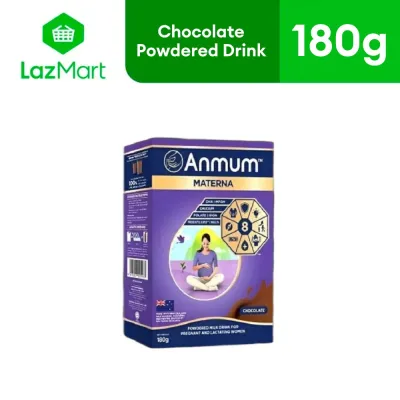
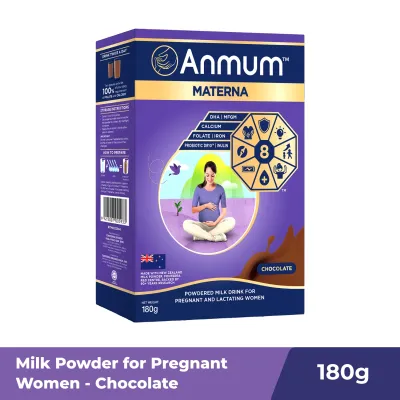
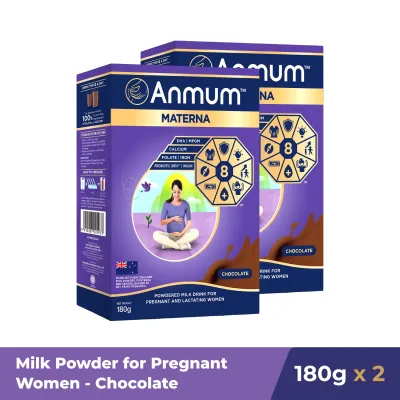
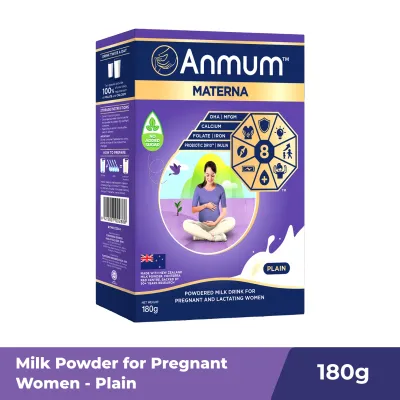
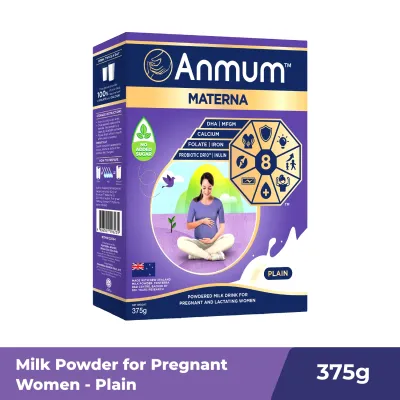
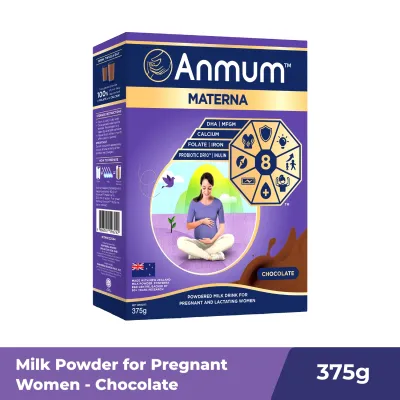
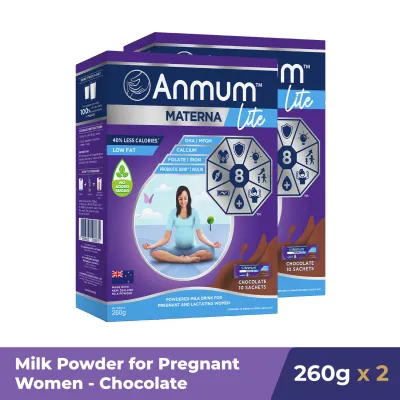
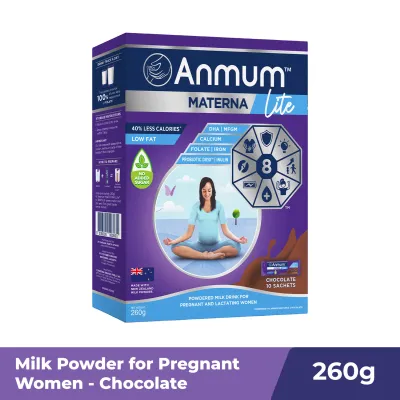
Prices are valid at publication and may change. Please refer to the product page for the latest price.
Begin by identifying your child’s exact age and matching it to the corresponding milk stage designated by manufacturers. You should also take note of any known dietary sensitivities, such as a history of mild digestive discomfort, gassiness, or skin reactions, which may require specialized formulations. Consulting your pediatrician is an essential first step, as they can identify specific nutritional gaps or recommend targeted ingredients based on your child’s growth chart and overall health.
Once you have identified these individual factors, you can establish a baseline checklist of what to look for on a product’s nutrition label. This baseline should include essential macronutrients, vitamins, and minerals that support your child’s daily activities and physical development. Having this personalized checklist ready makes it much easier to filter out unsuitable options when you begin comparing different brands on the shelf.
Brand Overview: Anmum, Nido, NAN, and Enfagrow
Each of the four brands occupies a distinct position in the market, offering specialized product lines designed for different stages of childhood. Understanding these general brand profiles helps you narrow down which options are most relevant to your child’s current age group and your family’s preferences.

Anmum is widely recognized for its focus on maternal and early childhood nutrition. While many parents associate the brand with maternal milk, Anmum also offers milk formulations designed for young children, emphasizing ingredients that support cognitive development and digestive health during crucial early years.
Nido is a household staple in many families, primarily positioned as a brand for growing toddlers and school-aged children. It is highly popular for its accessible, stage-based formulations, such as those tailored for children aged one to three years, and older kids aged three to five years and beyond, focusing on overall growth and immune support.
NAN, produced by Nestlé, is known for its highly structured, stage-based approach to early childhood nutrition. The brand offers a range of formulas, including options designed for infants, toddlers, and young children, often focusing on digestive comfort and easy-to-digest proteins for sensitive tummies.
Enfagrow, a prominent brand under the Mead Johnson portfolio, focuses heavily on the toddler and preschooler stages. Its product lines are widely recognized for incorporating specific nutrient blends aimed at supporting brain development, immune defense, and physical growth during the active preschool years.
Because formulations can vary by region and are subject to periodic updates, you should always verify the specific product availability, age indications, and exact ingredients on the official brand websites or authorized online stores before making a purchase.
Comparing Key Decision Factors Across the Brands
To make a practical and objective comparison, you must evaluate how these brands perform across three critical dimensions: age suitability, nutritional composition, and overall cost-effectiveness.
Age Suitability and Stage Transitions
Formula milk manufacturers use a standardized numbering or staging system on their packaging to guide parents toward the correct product for their child’s age. Typically, Stage 1 and Stage 2 formulas are designed for infants, while Stage 3 is formulated for toddlers aged one to three years, and Stage 4 is intended for preschoolers aged three years and older. You must carefully inspect the front of the packaging to locate these age indicators, as giving a child milk formulated for an older age group can strain their developing digestive system and kidneys.
Transitioning between stages should always be a gradual process to allow your child’s digestive system to adapt to the changing nutrient concentrations. When moving from one stage to the next, or when switching between brands, monitor your child’s stool consistency, appetite, and overall behavior over several days. If you notice persistent digestive upset, it is best to pause the transition and consult your pediatrician.
Never assume that a product is suitable for your child based solely on the brand name. Always verify the specific age range printed on the label, and avoid introducing milk intended for older children to younger toddlers without explicit pediatric approval.
Nutritional Profile and Ingredient Checklist
When comparing the nutritional profiles of Anmum, Nido, NAN, and Enfagrow, you should bypass front-of-pack marketing claims and look directly at the nutrition facts panel and the ingredient list. Focus on key nutrients that support physical and cognitive development, such as calcium for bone strength, iron for healthy blood cells, and docosahexaenoic acid (DHA) for brain development. Compare the exact amounts of these nutrients per 100 grams or per serving to see which brand aligns best with your child’s dietary needs.
Another critical factor to examine is the presence of added sugars and flavorings. Some milk powders designed for older toddlers and preschoolers contain added sucrose, corn syrup solids, or artificial flavorings to make the milk more appealing to picky eaters. If you prefer to limit your child’s intake of added sugars, look for variants that list lactose as the primary carbohydrate source and avoid those with high amounts of added sweeteners.
Relying on the actual ingredient list is the most reliable way to verify what goes into your child’s body. Ingredients are listed in descending order of weight, meaning the first few ingredients make up the majority of the product. Checking this list allows you to identify potential allergens, such as soy or fish oil, and ensure the product meets your standards for clean nutrition.
Price Range and Value Assessment
Managing household expenses is a key consideration for families in the Philippines, where formula milk can represent a significant portion of the monthly budget. To determine the true value of a product, you should calculate the cost per serving rather than simply comparing the retail price of the tin or box. To do this, divide the total retail price in ₱ by the number of servings the package yields, which is typically listed on the preparation instructions.
Standard package sizes vary across these brands, ranging from small 350-gram boxes to large 1.2-kilogram or 1.6-kilogram tins. In the tropical climate of the Philippines, where high humidity can cause opened milk powder to clump quickly, choosing the right packaging size is also a matter of freshness. Smaller boxes or foil refills might be more practical than giant tins if you want to ensure the powder remains fresh and dry. Purchasing larger bulk packs or box refills often provides a lower cost per gram compared to smaller tins, making it a more economical choice for daily consumption. You can find these various packaging options in local supermarkets, drugstores, and authorized online marketplaces.
Keep in mind that retail prices fluctuate due to promotions, store locations, and supply chain factors. It is highly recommended to check current listings at your preferred local retailer or official online store to perform an accurate budget calculation before committing to a specific brand.
Decision Framework: Which Brand Fits Your Child Best?
Choosing the right formula milk involves matching your child’s specific profile with the unique characteristics of each brand. Use the following guidelines to help structure your final decision:
Choose Anmum if your primary focus is on a streamlined formulation that emphasizes cognitive development and digestive health for young toddlers, and you prefer a brand with a strong heritage in maternal and early childhood nutrition.
Choose Nido if you are looking for an accessible, widely available option that caters to growing toddlers and older, active kids, offering a balance of essential vitamins and minerals at a highly competitive price point suitable for long-term family budgeting.
Choose NAN if your child has a sensitive digestive system and you require a highly structured, stage-based formula that prioritizes easy-to-digest proteins and gentle ingredients to minimize gassiness or colic.
Choose Enfagrow if you are looking for a premium formulation specifically tailored for toddlers and preschoolers, with a strong emphasis on high levels of DHA and nutrient blends designed to support active brain development and immune health.
Consult a pediatrician first if your child has a diagnosed medical condition, suspected food allergies, severe lactose intolerance, or is failing to meet their growth milestones. A healthcare professional can recommend specialized hypoallergenic, lactose-free, or high-calorie formulas that are clinically designed to address these specific health concerns.
Frequently Asked Questions (FAQ)
Can I mix two different formula milk brands together?
Mixing two different formula milk brands in the same bottle is generally not recommended unless specifically advised by your pediatrician. Each brand is scientifically formulated with a precise balance of water, proteins, fats, and micronutrients. Mixing them can alter this delicate balance, potentially leading to over-concentration or under-concentration of essential nutrients, which can strain your child’s kidneys and digestive system. Additionally, if your child experiences an allergic reaction or digestive upset, mixing makes it extremely difficult to identify which brand caused the issue. If you are transitioning your child from one brand to another, it is safer to gradually replace entire feeds with the new brand over several days rather than mixing the powders together in a single serving.
How do I know if my child is allergic or intolerant to a specific formula milk?
It is important to monitor your child closely for any adverse reactions when introducing a new formula milk. Common observable signs of a milk intolerance or allergy include skin rashes, hives, persistent vomiting, excessive gassiness, abdominal bloating, and frequent loose stools or diarrhea. While a mild intolerance might cause temporary digestive discomfort or fussiness, a true cow’s milk protein allergy can trigger more severe systemic reactions, such as swelling of the lips or face, wheezing, and difficulty breathing. If you observe any of these severe symptoms, you must stop feeding the milk immediately and seek emergency medical attention or consult your pediatrician. Always consult a healthcare professional to obtain an accurate diagnosis before switching to a specialized hypoallergenic formula.
Community discussion
Share your experience or ask a question. Comments are reviewed before publication.