
Choosing the right milk brand in the Philippines is not about finding a single, universally ideal product, but about matching the formulation to your specific life stage and household needs. A common point of confusion arises when comparing highly specialized options like Anmum Mocha with broad-spectrum family milks like Nido, or developmental formulas like NAN and Enfagrow. Each of these brands serves a distinct demographic, ranging from expectant mothers to growing toddlers and multi-generational households. Selecting the wrong type can lead to nutritional imbalances, digestive discomfort, or unnecessary household expenses.
To make an informed decision, you must look beyond brand popularity and examine the physiological stage of the consumer. Anmum Mocha is formulated specifically for maternal nutrition during pregnancy and lactation, whereas Nido functions as a versatile family milk for older children and adults. Meanwhile, NAN and Enfagrow are engineered for early childhood development, with strict age-based stages. Understanding these distinctions ensures that every family member receives the appropriate nutritional support for their specific growth or physiological demands.
Identifying the Right Life Stage for Each Milk Brand
Anmum Mocha is designed exclusively for maternal nutrition, targeting women who are planning to conceive, currently pregnant, or breastfeeding. During these periods, a woman’s body requires elevated levels of specific micronutrients to support fetal development and milk production. The mocha flavor is specifically crafted to offer a palatable alternative for mothers experiencing taste alterations or pregnancy-related nausea, helping them maintain their daily nutritional intake without flavor fatigue.
Products mentioned in this guide
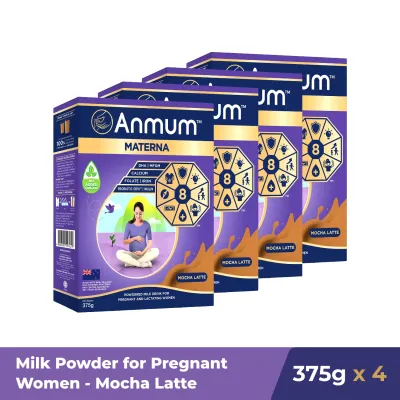
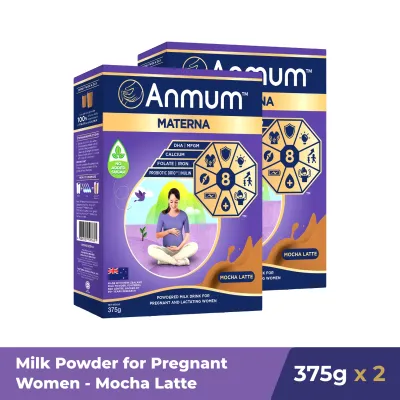
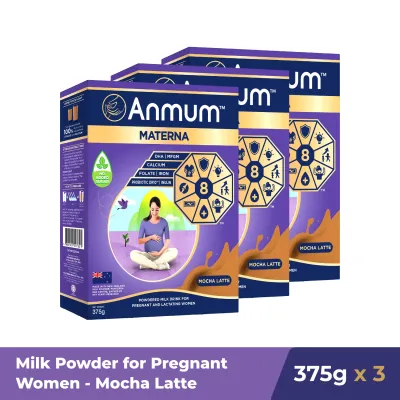
![[B1T1] Anmum Materna Pregnancy Milk Powder Mocha Latte 375G](https://img.lazcdn.com/g/p/7fdd6e323e944df406fa32d903a69d30.png_400x400q80.png_.webp)
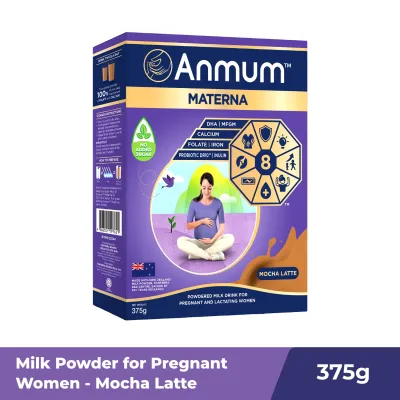
Prices are valid at publication and may change. Please refer to the product page for the latest price.
Nido is positioned as a versatile family milk powder, suitable for children aged one year and older, teenagers, and adults. It is not designed for infants. In many Filipino households, Nido serves as a convenient, multi-purpose pantry staple that provides general nutritional support. Because it is formulated for a broad age range, it focuses on general bone health, immune support, and daily energy needs rather than the highly specialized requirements of pregnancy or infancy.
NAN is a specialized infant and toddler formula range where products are strictly categorized by developmental stages. These stages, typically labeled as Stage 1, Stage 2, and Stage 3, correspond directly to specific age brackets in months and years. The nutritional composition of each stage is carefully calibrated to match the developing digestive systems and metabolic needs of infants and young toddlers, making strict adherence to these age brackets essential for infant safety.
Enfagrow focuses on the transition from late infancy into the toddler and preschool years, typically targeting children aged one to three years and older. This brand emphasizes cognitive development, immune support, and physical growth during active early childhood years. It bridges the gap between highly regulated infant formulas and general family milks, ensuring that toddlers who are transitioning to solid foods still receive targeted nutritional support.
Checking Nutritional Focus and Label Indicators
When evaluating maternal milk like Anmum Mocha, you should carefully inspect the product label for key maternal nutrients. Look for specified levels of folic acid, which supports neural tube development, alongside iron to prevent maternal anemia, and calcium for fetal bone structure. Many maternal formulas also include DHA to support fetal brain development. Because these levels are calibrated for adult women undergoing intense physiological changes, they differ significantly from the nutrient ratios found in childhood formulas.

For early childhood formulas like NAN and Enfagrow, the packaging features prominent stage numbers that you must verify against your child’s exact age. These labels indicate precise protein, fat, and vitamin profiles designed to prevent renal overload in young kidneys while supporting rapid physical growth. You should check the labels for age-appropriate developmental indicators, such as specific lipid blends or prebiotics, which are formulated to support immature digestive tracts.
General family milks like Nido focus on broader nutritional fortification. When reviewing the label of a family milk powder, look for general calcium, vitamin D, and protein content suitable for maintaining bone density in adults and supporting steady growth in school-aged children. These products generally lack the highly concentrated prenatal nutrients found in maternal milk, as well as the specialized, easily digestible protein structures required by infants.
Regardless of the brand you choose, always cross-reference the product label with professional medical advice. If you are pregnant, consult your obstetrician before introducing maternal supplements to ensure they do not conflict with your prenatal vitamins. For infants and toddlers, consult a pediatrician to verify that the chosen formula stage and nutritional profile align with your child’s growth trajectory, digestive tolerance, and any specific dietary restrictions.
Comparing Flavor Profiles and Daily Preparation
Anmum Mocha offers a distinct coffee-and-chocolate flavor profile designed to appeal to adults who enjoy specialty beverages but need to manage their daily nutrient intake. When preparing this milk, it is important to check the packaging for any specific guidelines regarding caffeine or sugar content, especially if you are monitoring your gestational glucose levels. The mocha flavor is intended to make daily nutritional compliance more enjoyable, but it should be prepared exactly as directed to maintain the correct nutrient density.
In contrast, Nido, NAN, and Enfagrow typically feature plain or mild vanilla flavors. Plain flavors are highly recommended for infants and toddlers to prevent the early development of a preference for overly sweet tastes. When preparing these formulas, you must strictly follow the manufacturer’s water-to-powder ratios. Using too much powder can lead to dehydration and constipation, while over-diluting the milk can result in nutritional deficiencies over time.
Daily preparation in a tropical climate like the Philippines requires careful attention to water safety and storage. Always use clean, safe drinking water that has been boiled and cooled to the temperature specified on the product tin. High humidity can cause opened milk powder to clump and spoil quickly. Specialized infant formulas like NAN often recommend shorter consumption windows after opening, typically three to four weeks, compared to larger family-sized tins of Nido, which must still be stored in a cool, dry place and sealed tightly after every use.
Making Your Final Choice Based on Family Needs
To make the right choice, evaluate your household’s current demographic profile and individual health requirements. If you are currently pregnant, planning a pregnancy, or breastfeeding, Anmum Mocha provides a targeted, palatable way to meet your elevated nutritional demands. It should be viewed as a maternal supplement rather than a general beverage, ensuring that your body receives the specific support required during this critical physiological window.
If your purchasing decision is driven by the needs of an infant or a young toddler, your focus should remain strictly on specialized developmental formulas like NAN or Enfagrow. Ensure you select the exact stage that corresponds to your child’s age in months or years. Never substitute maternal milk or general family milk for infant formula, as the digestive systems of babies cannot process the protein structures and nutrient concentrations designed for older individuals.
For households looking for a cost-effective, versatile option that can be shared by school-aged children, teenagers, and adult family members, Nido is the most practical choice. It provides reliable daily nutrition, mixes easily for various family recipes, and fits well into a general household budget. This division of products ensures that you do not pay a premium for specialized formulations when general nutritional support is all that is required.
Finally, always verify if any family member has specific health conditions, such as a cow’s milk protein allergy or lactose intolerance, before finalizing your purchase. Standard formulations of Anmum, Nido, NAN, and Enfagrow contain lactose and cow’s milk proteins. If digestive issues, skin rashes, or other adverse reactions occur, stop use immediately and consult a healthcare professional to discuss specialized hypoallergenic, soy-based, or lactose-free alternatives.
Frequently Asked Questions (FAQ)
Can I drink Anmum Mocha if I am not pregnant or breastfeeding?
While drinking Anmum Mocha if you are not pregnant or breastfeeding is generally not harmful, it is not the most appropriate choice for daily adult nutrition. Maternal formulas are specifically fortified with high levels of nutrients like folic acid and iron calibrated for pregnancy. For non-pregnant adults, a standard family milk powder like Nido is more nutritionally balanced for daily maintenance, more cost-effective, and better suited to general adult dietary guidelines without delivering unnecessary excesses of specific prenatal vitamins.
Is it safe to mix different milk brands or stages in one bottle?
It is not recommended to mix different milk brands or different developmental stages in a single bottle. Each formula is scientifically calibrated with a specific ratio of powder to water to ensure proper osmolarity and nutrient absorption. Mixing different products can disrupt this delicate balance, potentially leading to digestive distress, constipation, or renal strain, particularly in infants and young toddlers. Always prepare each milk product separately and strictly according to the manufacturer’s instructions on the packaging.
Community discussion
Share your experience or ask a question. Comments are reviewed before publication.