
Choosing the right maternal milk in the Philippines is a vital step in supporting both maternal well-being and fetal development. During pregnancy, a mother’s nutritional requirements rise significantly to support tissue growth, blood volume expansion, and fetal skeletal development. While anmum milk for pregnant mothers (Anmum Materna) is a household name across the country, many expectant mothers find themselves comparing it with other prominent dairy brands like Nido, NAN, and Enfagrow.
Navigating these options requires understanding that not all milk brands on supermarket shelves are formulated for pregnancy. Some of these familiar names are actually designed for toddlers or general family use rather than prenatal care. To make an informed decision, you must compare the correct maternal-specific formulations, analyze their nutritional profiles, evaluate how they accommodate morning sickness, and calculate their long-term impact on your household budget.
Quick Answer: The Short Verdict on Maternal Milks
Before diving into a detailed comparison, it is crucial to clarify a common product line misconception: while Anmum Materna, NAN Mom, and Nido Mom are formulated specifically for pregnancy and lactation, Enfagrow is a toddler milk designed for children aged one year and older. The correct maternal equivalent from the same manufacturer is Enfamama A+. Comparing Enfagrow to maternal milks is an unequal comparison because toddler formulas do not contain the elevated folic acid, iron, and prenatal vitamins required by pregnant women.
Products mentioned in this guide
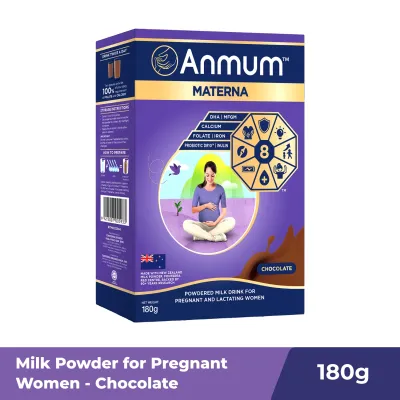
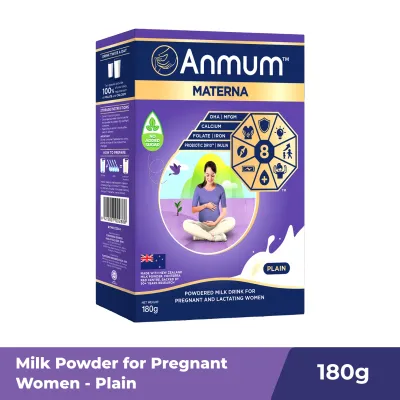
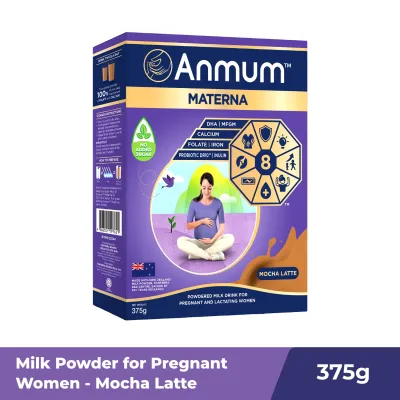
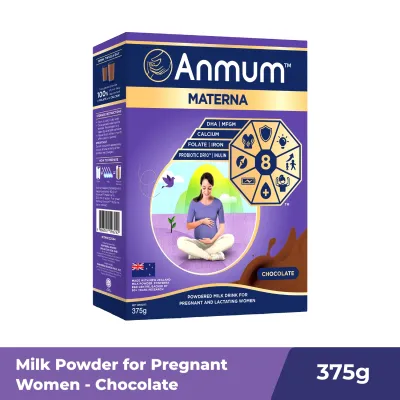
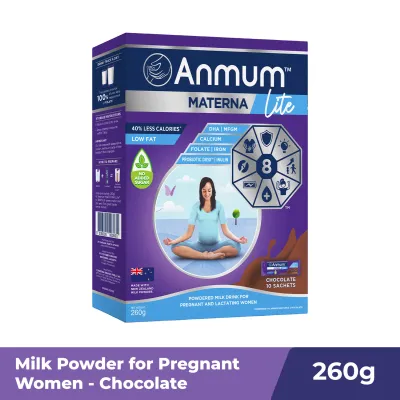
![[B3G2] Anmum Materna Pregnancy Milk Powder Mocha Latte 375G [Mommy Care+ Pack]](https://img.lazcdn.com/g/p/0d02657d0aae4e6cf20c3f6b875cd17d.jpg_400x400q80.jpg_.webp)
![[B3G2] Anmum Materna Milk Powder Plain 375G [Mommy Care+ Pack]](https://img.lazcdn.com/g/p/23086940f9cba0a16954c18a93e5412c.jpg_400x400q80.jpg_.webp)
![[B2G1] Anmum Materna Pregnancy Milk Powder Chocolate 800G](https://img.lazcdn.com/g/p/4a2647fe09320205ed1aa7e010e6deb7.png_400x400q80.png_.webp)
Prices are valid at publication and may change. Please refer to the product page for the latest price.
To help you make a quick, conditional decision, the ideal maternal milk depends heavily on your specific physical needs, sensory preferences, and budget:
- Anmum Materna is the most suitable option if you want a highly accessible, comprehensive maternal formula with a long-standing reputation, a strong focus on folic acid, and multiple flavor choices to combat morning sickness.
- NAN Mom is the preferred choice if you experience frequent pregnancy-related digestive issues, bloating, or constipation, as it is formulated with active probiotics to support maternal gut health.
- Nido Mom is the best option for budget-conscious families who want reliable calcium and essential prenatal fortification from a familiar, trusted dairy brand without a premium price tag.
- Enfamama A+ is highly suitable if your healthcare provider recommends prioritizing high DHA levels for fetal brain development and you prefer a rich, sweet flavor profile.
Ultimately, the “best” maternal milk is the one that aligns with your OB-GYN’s nutritional recommendations, fits your daily budget, and is easy for you to digest without triggering nausea during your first trimester.
Clarifying the Contenders: Are These the Right Milks for Pregnancy?
When shopping in local supermarkets or browsing online marketplaces in the Philippines, the sheer volume of milk cans and boxes can easily cause confusion. It is common for expectant mothers to mistake popular toddler or family milk brands for maternal supplements. To protect your health and ensure your baby receives the correct prenatal nutrients, you must distinguish between these product lines.

The Enfagrow Misconception
Enfagrow is a highly visible brand in the pediatric nutrition aisle, often associated with brain development due to its DHA content. However, Enfagrow is strictly formulated for toddlers and young children. Its nutrient ratios are calibrated for growing kids, meaning it lacks the high concentrations of folic acid and iron that a pregnant woman needs to prevent birth defects and maternal anemia. If you prefer the nutritional science of this manufacturer, you must look for Enfamama A+, which is their dedicated maternal milk powder formulated specifically for pregnant and lactating mothers.
Nido Variants and Nido Mom
Nido is a staple brand in Filipino households, primarily known for Nido Fortigrow (for school-aged children) and Nido 3+ or 5+ (for toddlers). Drinking regular Nido during pregnancy will provide basic calcium and protein, but it will not supply the targeted prenatal vitamins required during gestation. For expectant mothers, Nestlé produces Nido Mom, a specialized formulation fortified with folic acid, iron, zinc, and enhanced calcium levels to meet the specific daily value requirements of pregnancy.
Anmum Materna and NAN Mom
Anmum Materna is explicitly labeled and formulated as a prenatal and postnatal milk supplement. It is widely recognized across the Philippines as a dedicated maternal milk. Similarly, NAN Mom (often labeled as NAN Optipro HW Maternal) is Nestlé’s premium maternal milk line, designed to provide targeted prenatal nutrition with an emphasis on specialized proteins and digestive comfort.
By ensuring you are comparing Anmum Materna, Enfamama A+, NAN Mom, and Nido Mom, you can make an accurate, safe, and nutritionally sound comparison of actual prenatal milk supplements.
Nutritional Profile: Comparing Folic Acid, DHA, and Calcium
The primary reason to consume maternal milk is to fill nutritional gaps that regular meals might not entirely cover. During pregnancy, your body requires elevated levels of micronutrients to support rapid cell division, skeletal growth, and oxygen transport. Comparing how these four maternal milks approach key nutrients will help you choose the formulation that best supports your body.
Folic Acid and Iron
Folic acid (folate) is critical during the first trimester to support the healthy development of the fetal neural tube, which forms the brain and spinal cord. Iron is equally vital as your blood volume expands to supply oxygen to the placenta.
Anmum Materna and Enfamama A+ are heavily fortified with folic acid, often designed to meet a substantial portion of the daily Recommended Energy and Nutrient Intake (RENI) for pregnant Filipino women when consumed twice daily. Anmum Materna is particularly well-known for its emphasis on folate absorption, while Enfamama A+ pairs its folate levels with high iron content to help prevent maternal gestational anemia.
DHA and Brain Development
Docosahexaenoic acid (DHA) is an omega-3 fatty acid crucial for the development of the fetus’s brain and eyes. Because the human body does not produce large amounts of DHA, pregnant women must obtain it through diet or supplementation.
Enfamama A+ positions itself as a leader in prenatal brain nutrition, featuring a highly concentrated DHA formulation. Anmum Materna also contains significant levels of DHA, which it pairs with Gangliosides (GA), a lipid compound that supports brain cell connections. NAN Mom includes DHA alongside structured lipids to support cognitive development, while Nido Mom provides a baseline level of essential fatty acids suitable for general fetal growth.
Calcium and Bone Health
If a pregnant woman does not consume enough calcium, her body will draw this mineral from her own bones to support the skeletal development of the fetus, increasing her risk of bone density loss.
Nido Mom leverages its classic dairy heritage to focus heavily on bone health, offering robust calcium levels paired with Vitamin D to facilitate optimal absorption. Anmum Materna, NAN Mom, and Enfamama A+ also provide high calcium concentrations, generally delivering around 50% to 60% of your daily calcium requirements in two servings, helping to preserve maternal bone strength and support fetal skeletal mineralization.
Added Sugars and Carbohydrates
Gestational diabetes is a significant concern for many pregnant women in the Philippines. Some flavored maternal milks contain added sugars, such as sucrose, liquid glucose, or corn syrup solids, to enhance their taste.
When choosing a maternal milk, always inspect the ingredient list and the nutrition facts panel on the physical packaging. Plain or unsweetened variants generally contain less added sugar than chocolate or mocha-flavored options. If you are monitoring your blood glucose levels, prioritizing a plain maternal milk with low added sugar is a safer approach for gestational weight management.
Nutritional Comparison Checklist
To help you verify packaging labels during your next grocery trip, use this checklist to identify what to look for on each brand’s nutrition facts panel:
| Nutrient to Verify | Target Role in Pregnancy | What to Look for on the Label |
|---|---|---|
| Folic Acid / Folate | Prevents neural tube defects | High % RENI per serving (ideally 30-50% per glass) |
| DHA (Docosahexaenoic Acid) | Supports fetal brain and eye development | Milligrams (mg) of DHA per serving size |
| Calcium & Vitamin D | Protects maternal bones; builds fetal skeleton | High calcium content paired with Vitamin D for absorption |
| Iron | Prevents maternal anemia and supports blood volume | Iron content listed in milligrams (mg) or % RENI |
| Probiotics / Prebiotics | Eases digestion and reduces constipation | Active cultures (e.g., B. lactis) or dietary fiber (Inulin) |
| Sugar Content | Manages gestational weight and blood glucose | Low grams (g) of sucrose or added sugars per serving |
Taste and Palatability: Navigating Morning Sickness and Cravings
No matter how nutritious a maternal milk is, it will not benefit you if you cannot keep it down. Morning sickness, heightened olfactory sensitivity, and altered taste buds (dysgeusia) are common challenges during the first trimester, especially in hot and humid tropical conditions. The smell and texture of milk can sometimes trigger nausea, making flavor variety and palatability crucial selection factors.
Flavor Profiles and Variety
Anmum Materna offers the widest range of flavors in the Philippine market, including Plain (often preferred by those who dislike sweet drinks), Chocolate, and Mocha Latte. The Mocha Latte flavor is popular among mothers missing their morning coffee, as it is formulated to be pregnancy-safe and caffeine-free.
Enfamama A+ is typically available in Vanilla and Chocolate flavors, which are rich and creamy but tend to be sweeter than other brands. NAN Mom and Nido Mom generally focus on mild, clean, dairy-forward plain or light vanilla profiles, which are less intense and easier to tolerate if you are highly sensitive to strong aromas.
Sweetness and Texture
If you are experiencing severe nausea, highly sweetened or heavily flavored milks can sometimes feel too rich or cloying. Plain variants are usually the easiest to tolerate because they taste like standard, clean milk without lingering artificial sweet notes.
Texture also plays a role; some powders dissolve more smoothly than others. To prevent clumping in humid weather, always follow the manufacturer’s instructions on water temperature—most maternal milks dissolve best in lukewarm or cool water rather than boiling water, which can also damage sensitive vitamins and probiotics.
Digestibility and Gut Comfort
Pregnancy hormones like progesterone slow down the digestive system, which frequently leads to bloating, acid reflux, and constipation. NAN Mom addresses this by incorporating active probiotics, specifically Bifidobacterium lactis, which help maintain a healthy gut flora and ease bowel movements.
Anmum Materna also contains prebiotics (Inulin) and dietary fiber to aid digestion. If you already have a highly sensitive stomach, choosing a maternal milk that emphasizes digestive enzymes or active probiotics can significantly reduce daily discomfort.
The Trial Strategy
Before purchasing a large 800-gram tin of any maternal milk, it is highly recommended to buy smaller boxes, single-serve sachets, or trial packs. Your taste preferences can change drastically from week to week during the first trimester. Testing a small volume first ensures you do not waste money on a large container of milk that you cannot tolerate drinking.
Price and Value: Budgeting for Maternal Milk in the Philippines
Incorporating maternal milk into your daily diet is a continuous financial commitment that spans nine months of pregnancy and often extends into several months of breastfeeding. Because most brands recommend drinking two glasses of maternal milk per day to achieve the full nutritional benefits, these costs can add up quickly. Understanding the price tiers and learning how to calculate the actual cost per serving will help you manage your household budget effectively.
Understanding Price Tiers
Maternal milks in the Philippines generally fall into three distinct price categories:
- Premium Tier (NAN Mom and Enfamama A+): These brands sit at the higher end of the price spectrum. Their pricing reflects specialized ingredients such as high concentrations of DHA, advanced protein processing, and premium active probiotics.
- Mid-Range Tier (Anmum Materna): Anmum sits comfortably in the middle, offering a highly competitive balance of comprehensive prenatal fortification, multiple flavor options, and widespread availability.
- Value Tier (Nido Mom): Nido Mom is typically the most budget-friendly option, designed to provide essential pregnancy nutrients like calcium, iron, and folic acid at a lower price point, making daily consumption highly sustainable for budget-conscious families.
How to Calculate Cost per Serving
Do not evaluate the price of maternal milk solely by the retail price of the container. A cheaper tin may actually cost more in the long run if it requires larger scoop sizes or more frequent servings. To find the true value, use this simple calculation:
- Check the net weight of the package (e.g., 350g, 400g, or 800g).
- Look at the nutrition facts label for the recommended serving size (usually expressed in grams per glass, such as 35g or 40g per serving).
- Divide the total net weight of the package by the serving size to find the total number of servings per container.
- Divide the retail price of the package by the total number of servings to determine the cost per serving (or cost per glass).
By comparing the cost per glass rather than the upfront price of the box, you can accurately determine which brand offers the best long-term value for your daily budget.
Sourcing and Buying Safely
These maternal milks are widely available across the Philippines in major supermarkets, leading drugstores, and official online flagship stores. To ensure the safety of your pregnancy, always purchase your milk from authorized, reputable retailers.
Avoid buying heavily discounted milk powder from unverified third-party sellers on online marketplaces. Counterfeit or improperly stored milk powders can expose you to contaminants, expired products, or compromised nutritional value, posing a direct risk to you and your baby.
Final Decision Framework: Which Brand Fits Your Pregnancy Needs?
To make your final decision, you must weigh your physical symptoms, dietary requirements, and budget against the unique strengths of each maternal milk brand. Use this structured decision framework to identify which product aligns best with your current pregnancy stage:
- Choose Anmum Materna if: You want a highly reliable, widely available maternal milk with a balanced nutritional profile, excellent folic acid levels, and multiple flavor options (like chocolate or mocha) to help you manage taste sensitivities and morning sickness.
- Choose NAN Mom if: You suffer from frequent pregnancy-related digestive discomfort, such as bloating, gas, or constipation, and you prefer a premium, low-allergen protein formulation fortified with active probiotics to support your gut health.
- Choose Nido Mom if: You are looking for a highly cost-effective, budget-friendly prenatal milk that focuses heavily on calcium and essential vitamins to protect your bone density without placing a heavy strain on your monthly household expenses.
- Choose Enfamama A+ if: Your OB-GYN or maternal dietitian recommends prioritizing high DHA levels to support fetal brain development, and you prefer a rich, creamy, and sweet milk flavor profile.
Safety and Medical Boundaries
While maternal milk is an excellent dietary supplement, it is not a replacement for a balanced, whole-food diet or prenatal vitamins prescribed by your doctor. Always consult your OB-GYN or a registered dietitian before introducing any maternal milk into your daily routine. This consultation is especially critical if you have been diagnosed with gestational diabetes, suffer from lactose intolerance, or have a high-risk pregnancy condition.
If you experience any adverse reactions—such as persistent diarrhea, severe bloating, skin rashes, or worsening nausea—after consuming a specific brand, stop drinking it immediately and consult your healthcare provider for an alternative nutritional plan.
Frequently Asked Questions (FAQ)
Can I drink regular fresh milk instead of maternal milk during pregnancy?
Yes, you can drink regular pasteurized fresh cow’s milk during pregnancy, as it is an excellent source of high-quality protein, calcium, and phosphorus. However, regular fresh milk is not fortified with the high levels of folic acid, iron, and DHA that are specifically required to support a healthy pregnancy and prevent fetal developmental issues. If you choose to drink regular fresh milk, you must ensure that you are obtaining these critical prenatal nutrients through other dietary sources or prenatal vitamin supplements as prescribed by your OB-GYN.
Is it safe to drink maternal milk if I have gestational diabetes?
If you have been diagnosed with gestational diabetes mellitus (GDM), you must exercise extreme caution when consuming maternal milks. Many maternal milk powders contain carbohydrates and added sugars (such as sucrose or maltodextrin) that can cause rapid spikes in your blood glucose levels. You must consult your endocrinologist or OB-GYN before drinking any maternal milk; they may recommend specific low-glycemic, unsweetened formulas, strict portion control, or advise you to rely solely on prenatal vitamin tablets and a customized, carbohydrate-controlled meal plan instead.
When should I start drinking maternal milk during pregnancy?
You can start drinking maternal milk as soon as you plan to conceive or as soon as your pregnancy is confirmed. Folic acid, one of the primary nutrients in maternal milk, is most critical during the first few weeks of pregnancy when the baby’s neural tube is forming. However, maternal milk can be introduced at any stage of your pregnancy or even during the postpartum lactation period to help meet the elevated nutritional demands of breastfeeding and support your body’s recovery.
Community discussion
Share your experience or ask a question. Comments are reviewed before publication.