
Selecting the right baby food storage containers for on-the-go feeding in the Philippines requires balancing material safety, leak-proof reliability, and practical durability under tropical conditions. Because Anko—the popular house brand of Kmart Australia—is widely sourced through independent resellers and online marketplaces in the Philippines, parents must know how to evaluate these products effectively. By focusing on verified material safety, secure sealing mechanisms, and realistic cleaning routines, you can ensure your baby’s meals remain fresh, safe, and mess-free during any outing.
Whether you are planning a quick trip to a local shopping mall or preparing for an all-day family road trip, the way you store and transport homemade purees or solid snacks matters. High humidity and warm ambient temperatures accelerate food spoilage, making the choice of container a critical decision for your child’s health. This guide provides actionable frameworks to help you select, verify, and maintain Anko baby food containers for seamless outdoor feeding.
Quick Guide: Selecting Anko Containers for On-the-Go Feeding
When planning outdoor feeding, your choice of container should match the specific duration and environment of your trip. Short outings, such as a two-hour doctor’s visit or a quick stroll in the park, allow for lightweight, compact containers that fit easily into a small diaper bag. For these brief trips, simple plastic portion pots are highly convenient because they add minimal weight to your gear and are easy to handle while holding a baby.
Products mentioned in this guide
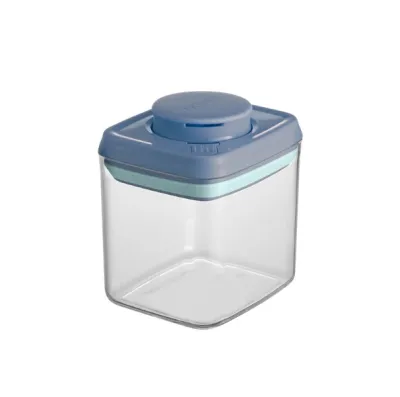
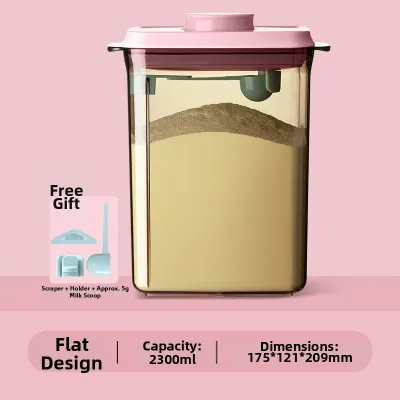
Prices are valid at publication and may change. Please refer to the product page for the latest price.
Conversely, all-day travel or long road trips demand a more robust storage strategy. When you are away from home for several hours, you must rely on insulated cooler bags and ice packs to keep perishable purees at safe temperatures. In these scenarios, containers that stack securely without sliding are essential to maximize the limited space inside your cooler bag. You should also consider whether you will have access to a microwave or hot water bath at your destination, as this will influence whether glass or heat-resistant plastic is more appropriate.
Before purchasing any Anko container from a local reseller, you must perform several non-negotiable safety and usability checks on the product packaging or listing specifications. Always verify that the product is explicitly labeled as BPA-free to prevent harmful chemicals from leaching into your baby’s food. Look closely at the lid design; a high-quality silicone gasket paired with secure locking clips is essential for preventing liquid purees from spilling under the pressure changes of travel.
Because Anko products are imported into the Philippines through third-party channels, local availability can be highly unpredictable. A specific container set that is popular online today might be out of stock tomorrow. Therefore, it is wise to focus on the underlying design features—such as capacity, seal type, and material safety—rather than searching for a single, specific model number. Always cross-reference the reseller’s product descriptions with official manufacturer guidelines to ensure the item meets your exact needs.
Essential Features for Travel-Friendly Baby Food Storage
Leak-Proof and Spill-Resistant Designs
There is nothing more frustrating than opening a diaper bag to find that a container of sweet potato puree has leaked all over your spare baby clothes. To avoid this, prioritize containers that feature a robust locking mechanism, such as four-sided snap locks that clamp the lid firmly onto the container base. These physical latches provide a mechanical hold that simple press-on lids cannot match, especially when your bag is jostled during transit.

Equally important is the presence of a thick, flexible silicone seal inside the lid. This gasket creates an airtight barrier that prevents liquids from escaping and keeps outside air from entering, which helps preserve the freshness of the food. When evaluating a container, check if the silicone seal is seated deeply in its groove and remains in place when the lid is opened and closed. A loose or poorly fitted seal will eventually fail, leading to leaks.
Portability and Stackability
Space is always at a premium when traveling with an infant. Modular container designs that are engineered to stack neatly on top of one another are incredibly valuable for organizing your diaper bag or cooler. Look for containers with recessed lids that allow the base of another container to sit securely inside, preventing them from tipping over while you are on the move.
Weight is another critical factor to consider when carrying baby gear for extended periods. Lightweight plastic containers reduce the physical strain on your shoulders, making them highly practical for active parents. However, if you prefer glass, look for compact, single-serving sizes that minimize unnecessary bulk while still providing the hygienic benefits of non-porous materials.
Temperature Retention and Material Safety
In the tropical climate of the Philippines, keeping baby food at a safe temperature is a constant challenge. While standard plastic and glass containers do not possess active insulation properties, their material composition dictates how they interact with heat. Glass containers tend to hold temperature slightly longer than thin plastic, but they must still be stored inside an insulated bag with ice packs if you are carrying perishable items like meat or dairy purees.
When checking material safety, look for clear symbols molded into the bottom of the container. These symbols indicate whether the material is safe for the freezer, dishwasher, and microwave. For plastic containers, ensure they are rated to withstand the temperatures of warm food without warping or releasing odors. If you plan to warm the food directly in the container, verifying these temperature limits is essential for preventing material degradation.
Ease of Cleaning on the Go
Cleaning baby gear while away from home requires containers with simple, streamlined designs. Avoid containers with intricate lid patterns, deep crevices, or non-removable parts, as these areas easily trap food residue and moisture. In a warm, humid environment, trapped food particles can quickly become breeding grounds for bacteria and mold.
Instead, opt for containers with wide openings and rounded interior corners that can be easily wiped clean or rinsed. Lids with fully removable silicone gaskets are highly recommended, as they allow you to clean the groove where food particles frequently accumulate. Being able to quickly rinse and dry the container components using bottled water while at a restaurant or mall makes on-the-go maintenance significantly safer and less stressful.
Finding and Verifying Authentic Anko Products in the Philippines
Understanding the Brand Landscape
To shop smartly, it is important to understand that Anko is the primary house brand of Kmart Australia. Because of this, there are no official, brand-exclusive physical retail stores operated by Anko in the Philippines. Instead, the products enter the local market through independent importers, personal shoppers, and surplus liquidators who purchase the items overseas and bring them into the country for resale.
This decentralized distribution network means that you will find Anko products scattered across various independent boutiques and online storefronts. While this makes the brand highly accessible, it also means that product selection, packaging condition, and stock consistency will vary greatly from one seller to another. Recognizing this landscape helps you approach purchases with a healthy level of consumer awareness.
Evaluating Online Channels
When shopping on local ecommerce platforms or social media marketplaces, take time to carefully evaluate the seller’s profile. Look for merchants who specialize in baby gear or Australian imports, as they are more likely to understand proper storage and handling practices. Read customer reviews specifically looking for feedback on packaging quality, shipping speed, and product condition upon arrival.
Do not hesitate to message the seller directly to ask for real-time photos of the actual product in its packaging, rather than relying solely on stock images. Reliable sellers are usually willing to provide close-up photos of the product labels, batch codes, and safety symbols. If a seller is evasive or cannot provide clear details about the product’s origin, it is best to look elsewhere.
Price and Shipping Realities
Because Anko containers must be imported, local prices in the Philippines will naturally reflect shipping costs, customs duties, and reseller markups. A basic set of small plastic portion containers may range from ₱150 to ₱400, while larger glass sets or specialized multi-packs can cost ₱500 to ₱900 or more. Be skeptical of prices that seem unusually low, as they may indicate damaged surplus stock or counterfeit goods.
Additionally, consider the shipping location and estimated delivery times. Items shipped directly from international warehouses may take several weeks to arrive and could incur higher shipping fees. If you need the containers for an upcoming trip, sourcing them from a local reseller with immediate stock is often the more practical, albeit slightly more expensive, choice.
Authenticity Checks
When your order arrives, perform a thorough physical inspection before using the containers. Authentic Anko baby products feature clean, professional packaging with clear English text, accurate safety warnings, and official branding. Check the plastic or glass carefully; authentic items will have crisp, legible safety symbols (such as the food-safe fork-and-glass icon) molded directly into the material.
Inspect the overall build quality of the container. The plastic should feel sturdy and free of sharp edges or rough seams, and the lids should snap shut with a firm, positive click. There should be no strong, unpleasant chemical odors emanating from the plastic or silicone seals. If you notice any defects, warping, or suspicious packaging details, contact the seller immediately to discuss a return or replacement.
Safe Handling and Maintenance While Traveling
Time and Temperature Limits
Food safety is paramount when feeding a baby outdoors, especially in a tropical climate where temperatures frequently exceed 30°C. Prepared baby food, particularly purees containing meat, poultry, fish, or dairy, should never be left at room temperature for more than two hours. If the outdoor temperature is exceptionally hot, this safe window shrinks to just one hour.
To extend this timeline, always pack your baby food containers inside an insulated cooler bag packed with frozen gel packs. Keep the cooler bag out of direct sunlight, and avoid opening it unnecessarily to preserve the cold air inside. If you are traveling to a destination without refrigeration, plan to feed your baby shortly after leaving home, or use shelf-stable commercial baby food jars that only require refrigeration after opening.
Pre-Trip Preparation
Proper preparation at home is the foundation of safe on-the-go feeding. Before packing your containers, wash them thoroughly in warm, soapy water, rinse them completely, and sterilize them if your baby is under twelve months old. Ensure that every component, especially the silicone seals and lid grooves, is completely dry before assembly, as trapped moisture can quickly encourage mold growth.
When preparing the food, allow it to cool slightly before sealing it in the containers, unless you are placing it directly into a thermal container designed for hot food. Sealing hot food in standard plastic containers can create a vacuum that makes the lid difficult to open later, and it can also cause condensation to form inside, which may alter the texture of the puree.
On-the-Go Cleaning Hacks
When you are away from a proper kitchen, cleaning dirty containers immediately after use is essential to prevent food from drying and sticking. Carry a small bottle of clean, potable drinking water specifically for rinsing out containers. After your baby finishes eating, pour a small amount of water into the container, secure the lid, shake it vigorously, and discard the rinse water.
For a more thorough temporary clean, use unscented, food-grade baby wipes to wipe down the interior surfaces of the container and lid. This removes the bulk of the food residue and prevents odors from setting into the material. Once wiped, store the dirty container in a designated wet bag inside your diaper bag, and perform a complete wash and sterilization as soon as you return home.
When to Discard
Baby food containers do not last indefinitely, and regular inspections are necessary to ensure they remain safe for use. Examine plastic containers frequently for signs of wear, such as deep scratches, cloudiness, warping, or a sticky texture. Scratches are particularly concerning because they can harbor bacteria that standard washing cannot easily remove.
For glass containers, carefully run your finger along the rims and threads to check for tiny chips, cracks, or sharp edges that could pose a safety hazard. Additionally, inspect the silicone gaskets for loss of elasticity, cracking, or persistent black spots that indicate mold. If you observe any of these signs of degradation, stop using the container immediately and replace it to protect your baby’s health.
Frequently Asked Questions (FAQ)
Can I microwave Anko plastic containers to reheat baby food while out?
You must strictly check the bottom of your specific Anko plastic container for the microwave-safe symbol before heating. Even if a container is labeled microwave-safe, avoid heating highly acidic or fatty foods, such as tomato-based purees or meat blends, directly in plastic. These ingredients can reach extremely high temperatures quickly, causing the plastic to pit, warp, or degrade.
For a safer and more even heating process, consider transferring the baby food to a verified heat-safe glass or ceramic bowl before microwaving. Alternatively, you can warm the sealed container in a bowl of hot water for a few minutes. Always stir the food thoroughly after heating and test the temperature on the inside of your wrist before feeding your baby to prevent accidental burns.
Are glass or plastic Anko containers better for traveling with a baby?
Both materials offer distinct advantages, and the best choice depends on your travel environment and your baby’s developmental stage. Glass containers are highly hygienic, resistant to scratching, and do not retain food odors or stains, making them excellent for purees. However, they are heavy and carry a risk of shattering if dropped on hard surfaces like mall floors or pavements.
Plastic containers are lightweight, highly durable, and virtually shatterproof, making them incredibly practical for active toddlers who may try to feed themselves. If your travel involves a lot of movement, walking, or public transport, plastic is generally the more convenient option. If you prioritize easy sterilization and stain resistance, glass is highly suitable, provided you handle it with care.
How do I remove lingering food smells from the silicone seals?
Silicone is a porous material that naturally absorbs strong food odors over time, especially from savory purees containing garlic, onions, or fish. To safely deodorize the seals, remove the silicone gasket from the lid and soak it in a mixture of equal parts warm water and white vinegar for about thirty minutes. Alternatively, you can apply a paste made of baking soda and water directly to the seal and let it sit before rinsing.
Never use harsh chemical bleach, strong dishwashing detergents, or abrasive scrubbing pads to clean the seals, as these can degrade the silicone material and leave harmful chemical residues. Always rinse the seals thoroughly with clean water after deodorizing, and allow them to air-dry completely in a well-ventilated area before reassembling the lid.
Community discussion
Share your experience or ask a question. Comments are reviewed before publication.