
Finding the right diaper for your baby in a warm, humid climate is a highly individual journey. There is no single universal diaper brand among Amreta, Pampers, Huggies, and Equator; instead, the ideal choice depends entirely on your baby’s current body shape, skin sensitivity, and your family’s monthly budget. Because babies grow rapidly and react differently to various materials, a diaper that works perfectly for one infant might cause leaks or irritation for another. By understanding how to evaluate diaper construction and match features to your daily routine, you can make an informed decision that keeps your baby dry and comfortable.
Core Evaluation Criteria for Disposable Diapers
To navigate the diaper market effectively, parents must look past branding and focus on core structural elements. The primary function of any disposable diaper is moisture management, which relies heavily on the absorbent core. Modern diapers typically use a blend of Super Absorbent Polymer (SAP) and wood pulp to lock away wetness. When shopping, check the product packaging to verify the presence of a wetness indicator—a convenient exterior strip that changes color when wet—and confirm how clearly it shows through the outer cover.
Leak prevention is equally dependent on the physical fit around your baby’s legs and waist. Double-layered leg cuffs, often called leak guards, act as barriers to contain liquid and solid waste during sudden movements. You should inspect the elasticity of these guards and the waistband to ensure they stretch comfortably without digging into your baby’s skin. A diaper with poor elasticity is highly prone to sagging and gaping, especially when your baby begins to roll, crawl, or stand.
Products mentioned in this guide
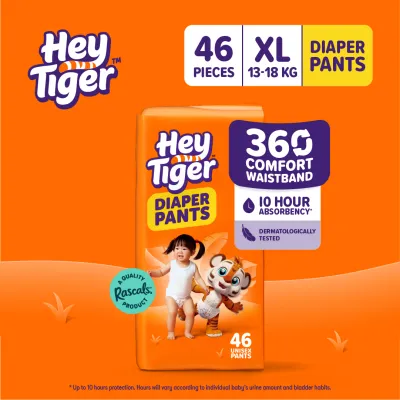
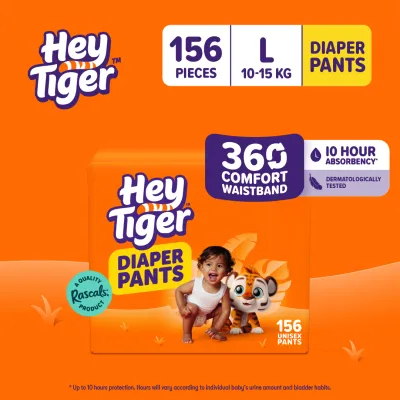
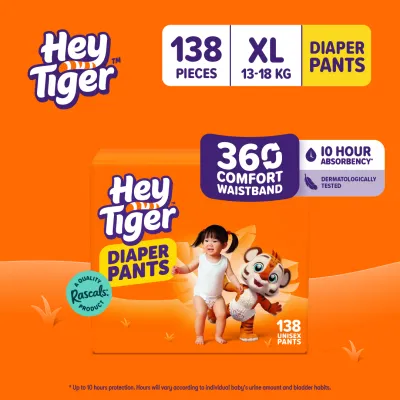
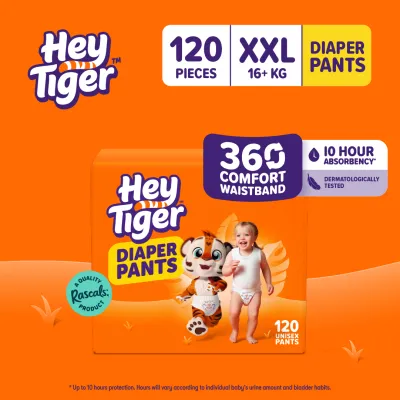
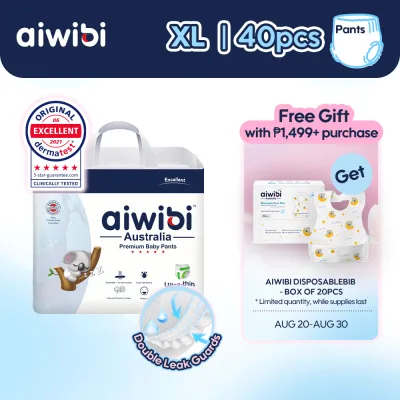
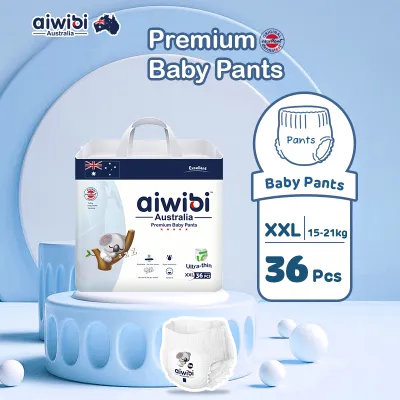
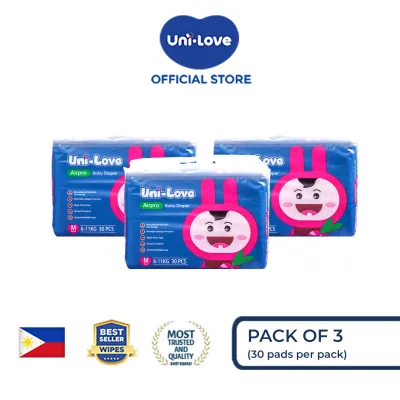
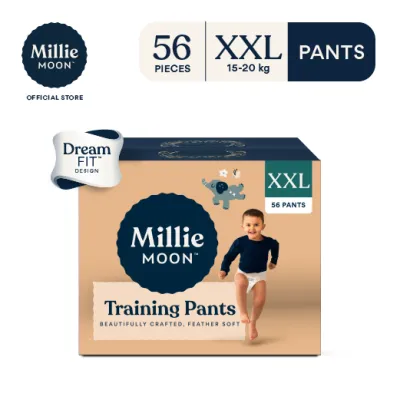
Prices are valid at publication and may change. Please refer to the product page for the latest price.
In tropical climates where heat and humidity are constant challenges, material breathability is crucial for preventing diaper rash. Look for manufacturer material labels that specify microporous outer sheets, which allow hot air to escape while keeping moisture contained. The texture of the inner liner, which sits directly against your baby’s delicate skin, should be verified by checking for embossed patterns designed to minimize skin contact with wetness.
Feature Comparison Framework: Amreta, Pampers, Huggies, and Equator
When comparing Amreta, Pampers, Huggies, and Equator, it is important to recognize that each brand offers multiple product lines, ranging from budget-friendly standard tiers to premium, feature-rich options. Consequently, a single brand’s performance can vary significantly depending on the specific line you purchase. Instead of relying on generalized brand reputations, you should use a structured verification framework to evaluate each package before buying.

The following framework outlines the key design focuses typically associated with these brands and highlights the specific features you should verify on the actual product packaging:
| Brand | Typical Design Focus | Key Verification Points on Packaging |
|---|---|---|
| Amreta | Focuses on slim profiles and lightweight construction, often marketed for daytime comfort. | Check for specific daytime breathability claims and verify the thickness of the absorbent core. |
| Pampers | Known for wide availability and various tiers emphasizing wetness distribution channels. | Verify the specific product line (e.g., standard vs. premium) and check for wetness indicator presence. |
| Huggies | Often emphasizes secure waistbands and pocketed back designs to prevent blowouts. | Check for waistband stretch type and verify if the size includes a pocketed back waistband. |
| Equator | Frequently positioned as a budget-conscious option focusing on reliable basic protection. | Verify the diaper's weight capacity limits and check the material composition of the outer cover. |
By using this comparison framework, you can avoid the trap of assuming one brand is universally superior. Instead, you can match the specific product specifications printed on the box to your baby’s immediate physical needs and your household’s financial preferences.
Matching the Diaper to Your Baby's Daily Needs
Every baby has a unique daily routine and physical profile, meaning your choice of diaper should adapt to their changing needs. If your baby has highly sensitive skin or is prone to redness, prioritize diapers that emphasize hypoallergenic properties and gentle materials. Always check the packaging for dermatological testing labels or certifications indicating the absence of added fragrances, parabens, and elemental chlorine, which can irritate delicate skin barriers in warm weather.
For long, uninterrupted overnight sleep, your primary focus should shift to high-capacity absorbent cores and robust leak protection. Overnight diapers need to handle multiple wettings over several hours without leaking or leaving your baby’s skin damp. When selecting a diaper for nighttime use, verify the manufacturer’s maximum weight limits and look for reinforced, double-layered leak guards that provide extra security when your baby rolls over in their sleep.
As your baby transitions to active crawling, pulling up, and walking, the diaper’s fit and flexibility become paramount. Active babies require diapers with highly elastic waistbands and flexible side panels that stretch with their movements. During these developmental stages, verify the elasticity of the leg cuffs and consider transitioning from tape-style diapers to pants-style diapers, which often provide a more secure, underwear-like fit for mobile toddlers.
For daytime use, when diapers are changed frequently to maintain hygiene, choosing a brand that offers reliable basic protection can maximize your budget efficiency. Frequent daytime changes mean you do not always need the ultra-high capacity of a premium overnight diaper. Instead, look for standard lines that provide dependable leak prevention and comfortable waistbands, allowing you to save premium, high-capacity diapers for nighttime or long outings.
Calculating True Cost and Sizing Value
To manage your household expenses effectively, it is essential to look beyond the upfront price of a diaper package and calculate the true cost per unit. To find this, divide the total retail price of the pack (in ₱) by the exact number of diaper pieces inside. This simple calculation allows you to compare different brands and package sizes on an equal footing, revealing which option truly offers the best financial value.
While buying bulk packs or “mega packs” often reduces the cost per diaper, you must balance this savings against your baby’s current growth rate. Babies grow rapidly, particularly in their first year, and can quickly outgrow a specific size before you finish a large box. To avoid being left with unused diapers, monitor your baby’s weight closely and opt for smaller packs when they are near the upper weight limit of their current size, transitioning to bulk purchases only when their growth stabilizes.
When shopping on local e-commerce platforms or in physical supermarkets, be cautious of promotional bundles and discount claims. Always verify the piece count of the promotional items, as some bundle deals may actually cost more per diaper than purchasing individual standard packs. Additionally, check for legitimate manufacturer-authorized stores on online marketplaces to ensure you are purchasing authentic products that meet safety standards, rather than counterfeit goods that may compromise your baby’s skin health.
Signs It Is Time to Switch Brands or Sizes
Even if you have found a diaper brand that works well, your baby’s physical development will eventually require you to adjust their size or switch brands entirely. There are several clear, observable warning signs that a diaper no longer fits properly. If you notice deep red marks or indentations around your baby’s thighs or waist, the diaper is too tight and is restricting their circulation or movement.
Frequent leaks or “blowouts”—where waste escapes from the back or sides of the diaper—are another strong indicator that the current size or brand is failing to accommodate your baby’s output. Similarly, if the diaper sags excessively immediately after a single wetting, or if the fastening tapes must be secured at the very edge of the waistband, the diaper is likely too small. When these signs appear, cross-reference your baby’s current weight with the manufacturer’s official size chart printed on the packaging to determine the next logical step.
Persistent skin irritation, such as diaper rash that does not improve with standard barrier creams and frequent changes, may indicate that your baby’s skin is reacting to a specific brand’s materials or fragrances. If you observe ongoing redness, bumps, or signs of discomfort, stop using the current diaper brand immediately and switch to a fragrance-free, hypoallergenic alternative. If the skin irritation persists or worsens, consult a qualified pediatrician or healthcare professional for proper diagnosis and guidance.
Frequently Asked Questions (FAQ)
Can I mix different diaper brands for day and night use?
Yes, mixing different diaper brands for daytime and nighttime use is an excellent, cost-effective strategy for many families. During the day, when you change your baby’s diaper every few hours, you can use a more budget-friendly brand that offers reliable basic protection. For overnight sleep, you can switch to a premium, high-absorbency brand designed to keep your baby dry for up to twelve hours. This dual-brand approach helps balance your household budget while ensuring your baby enjoys comfortable, uninterrupted sleep. When transitioning between brands, ensure both fits are adjusted correctly to prevent friction or gaps.
How do I properly dispose of used disposable diapers?
Proper disposal of disposable diapers is essential for maintaining household hygiene and respecting local sanitation guidelines. First, if the diaper contains solid waste, gently shake or scrape the solids into the toilet before disposing of the diaper itself. Next, roll the diaper tightly inward from the front to the back, keeping the soiled inner lining completely contained. Secure the rolled diaper firmly using the adhesive fastening tapes or the built-in disposal tape found on the back of pants-style diapers. Place the secured diaper in a lined, covered trash bin, and always wash your hands thoroughly with soap and water immediately afterward.
Community discussion
Share your experience or ask a question. Comments are reviewed before publication.