
Choosing the right alcohol-free baby wipes for sensitive skin in the Philippines is a highly individualized process. Because a baby’s skin barrier is thin and still developing, it is particularly vulnerable to environmental triggers, friction, and chemical irritants. In a tropical climate characterized by high humidity and heat, sweat can easily mix with diaper residue, increasing the risk of irritation and diaper dermatitis. Consequently, finding the most suitable wipe requires looking beyond generic marketing labels and understanding how specific ingredients and materials interact with your child’s skin.
There is no single brand that works universally for every infant. A formulation that keeps one baby’s skin clear might cause a flare-up in another due to individual sensitivities or underlying skin conditions like eczema. To make an informed decision, parents must evaluate wipes based on their structural materials, chemical formulations, and packaging integrity. By adopting a systematic approach to comparing products, you can minimize the risk of contact allergies and maintain your baby’s skin health.
Key Ingredients and Materials to Compare for Sensitive Skin
When evaluating alcohol-free baby wipes, the ingredient list is your primary tool for verifying safety. The term “alcohol-free” on a label typically means the product does not contain simple, drying alcohols like ethanol or isopropyl alcohol. However, it does not guarantee the absence of other potential irritants. Parents must carefully inspect the packaging for hidden sensitizers that are often added to preserve the product or enhance its scent.
Products mentioned in this guide
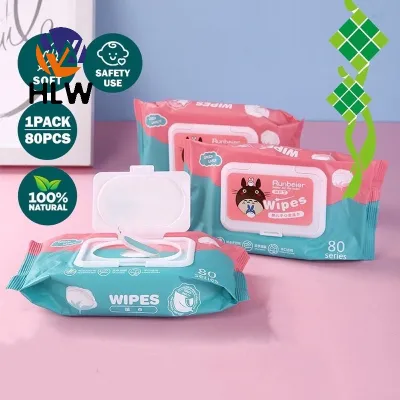
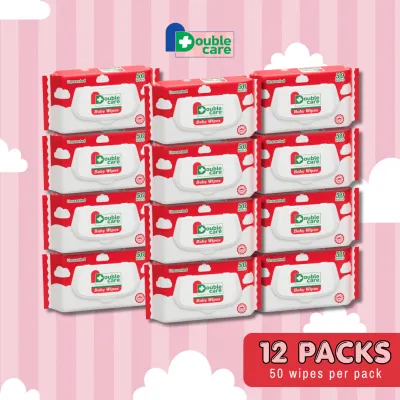
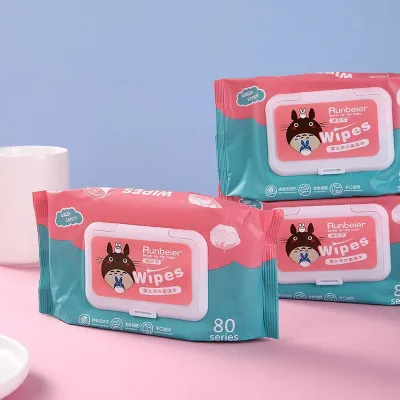
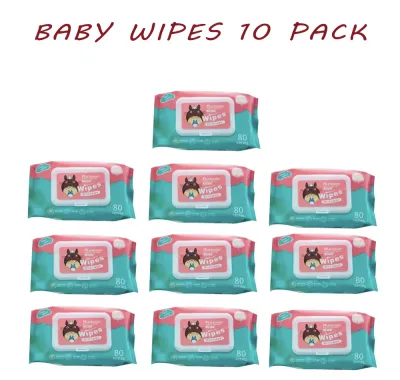
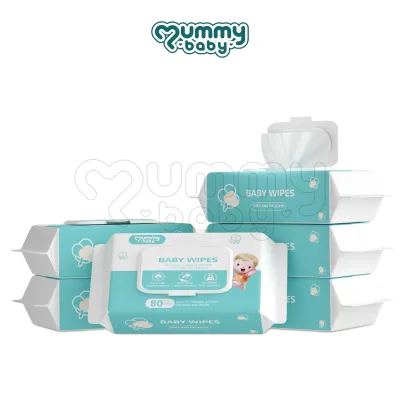
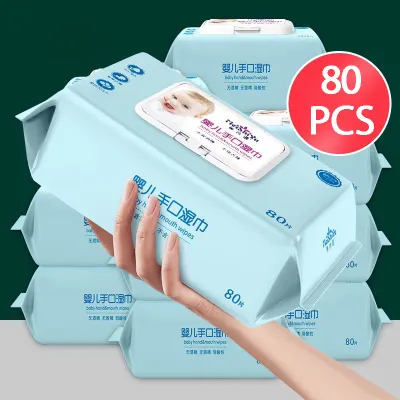
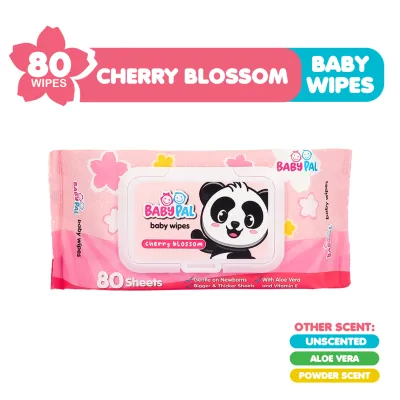
Prices are valid at publication and may change. Please refer to the product page for the latest price.
Synthetic fragrances, often listed simply as “parfum” or “fragrance,” are among the most common triggers for allergic contact dermatitis in infants. Even natural essential oils, such as lavender, tea tree, or citrus extracts, can cause adverse skin reactions when applied repeatedly to delicate areas. Additionally, some alcohol-free formulations utilize strong preservatives to prevent microbial growth in water-based solutions. Avoid products containing harsh preservatives like methylisothiazolinone (MIT) or methylchloroisothiazolinone (CMIT), which have been widely recognized as contact allergens.
The physical material of the wipe is just as important as the liquid formulation it carries. Standard, budget-friendly wipes are frequently made from synthetic non-woven fabrics, such as polyester blends. These materials can feel rough against compromised skin and generate significant friction during wiping, which physically disrupts the skin barrier. For babies with highly sensitive skin, compare these with softer, less abrasive alternatives like organic cotton, viscose, or bamboo-derived fibers. These materials are naturally softer, hold moisture more effectively, and glide smoothly across the skin to minimize mechanical irritation.
Finally, assess the moisture content and pH level of the wipe. The most suitable options for sensitive skin are water-based formulations, often consisting of 99% purified or ultra-pure water. The remaining 1% should consist of mild, food-grade preservatives and skin-conditioning agents. It is also beneficial to verify if the product is explicitly labeled as pH-balanced. A baby’s skin naturally maintains a slightly acidic pH of around 5.5, which acts as a defense mechanism against harmful bacteria. Wipes that match this natural acidity help preserve the skin’s protective acid mantle, preventing dryness and irritation in hot, humid weather.
Decoding Brand Claims and Safety Labels
Navigating the marketing claims on baby wipe packaging requires a critical eye. Terms like “hypoallergenic” and “dermatologist-tested” are frequently used to attract parents, but they do not carry standardized, legally binding definitions across all regions. “Hypoallergenic” simply means the manufacturer has formulated the product to minimize the likelihood of an allergic reaction, but it does not offer a complete guarantee of safety. Similarly, “dermatologist-tested” indicates that the product was evaluated under the supervision of a dermatologist, but it does not reveal the specifics of the test, such as the sample size or the sensitivity levels of the participants.

Another crucial distinction to make is between “fragrance-free” and “unscented” products. A “fragrance-free” label indicates that no fragrance chemicals or masking agents have been added to the formulation to create a specific scent. On the other hand, “unscented” products may contain chemical masking agents designed to neutralize the natural, sometimes unpleasant odors of the raw ingredients. These masking agents can still trigger allergic reactions on sensitive skin, making true fragrance-free wipes the safer choice for reactive skin types.
In the tropical climate of the Philippines, packaging design is a critical factor in maintaining product safety and hygiene. High humidity and warm temperatures create an ideal breeding ground for mold, bacteria, and fungi if a package is not sealed correctly. When comparing brands, look for wipes that feature a sturdy, rigid plastic lid rather than a simple adhesive sticker flap. A hard plastic lid provides a more reliable, airtight seal that prevents the water-based solution from evaporating and protects the remaining wipes from environmental contamination during daily use.
Decision Matrix: Matching Wipe Features to Your Baby's Needs
Selecting the right baby wipe involves matching the product’s specific features to your baby’s current skin condition, age, and the immediate usage scenario. Because skin needs can change rapidly due to weather, teething, or dietary adjustments, having a clear decision framework helps you adapt your choice accordingly.
For newborns, infants with active diaper rash, or babies diagnosed with severe eczema, prioritize ultra-pure, water-only wipes. These formulations typically contain 99% or more purified water and a minimal preservative system, reducing the number of chemical ingredients that come into contact with the skin. By minimizing ingredient exposure, you significantly lower the risk of stinging or worsening an active skin flare-up.
If your baby has normal-to-mildly sensitive skin and does not currently have broken skin, wipes enriched with mild, proven soothing agents can provide extra comfort. Ingredients such as aloe vera, chamomile, or calendula are commonly added to help calm minor redness and moisturize the skin during frequent diaper changes. However, before using these products regularly, ensure your baby does not have a known plant allergy, and always perform a patch test on a small patch of healthy skin first.
The physical texture and thickness of the wipe should also guide your choice based on the task at hand. For cleaning messy, solid diaper changes, thicker wipes with an embossed or textured surface are highly efficient. The textured pattern helps lift and trap residue with fewer passes, reducing the overall friction applied to the skin and saving you from using an excessive number of wipes. For lighter tasks, such as cleaning delicate facial skin, hands, or drool, a thinner, smoother wipe is often sufficient and gentler on the face.
Before introducing any new “sensitive” or vitamin-enriched wipe variant, always check your baby’s skin for open wounds, severe chafing, or broken skin. If the skin barrier is compromised, even beneficial ingredients like vitamin E or botanical extracts can cause a stinging sensation or trigger localized contact allergies. In these situations, it is safest to temporarily suspend the use of all wet wipes and consult a healthcare professional for guidance.
Purchasing Safely and Verifying Authenticity in the Philippines
Ensuring the safety of your baby’s wipes also depends on where and how you purchase them. The local market features a wide variety of distribution channels, but not all of them guarantee genuine, properly stored products. To protect your baby’s sensitive skin, it is essential to source wipes from reputable retailers.
Compare the safety of purchasing from established physical retailers, such as major supermarkets, department stores, and trusted national pharmacies, against online options. Physical stores generally maintain climate-controlled environments and have direct supply chains from official distributors. If you prefer the convenience of online shopping, restrict your purchases to official brand flagship stores on major e-commerce platforms. Avoid buying from unauthorized third-party sellers who offer heavily discounted bulk packs, as these products may be counterfeit or expired.
Before purchasing in-store or immediately upon receiving an online delivery, inspect the physical packaging of the wipes. Verify that the safety seals are completely intact, the plastic lid is securely glued to the pack, and the expiration date and batch numbers are clearly printed and legible. If a package appears bloated, dusty, or has faded printing, it may have been stored improperly.
In a tropical climate, improper storage is a significant hazard for water-based baby products. If wipes are subjected to high heat and direct sunlight in unventilated warehouses, the preservative system can break down prematurely. This degradation allows invisible bacteria and mold to multiply within the moist wipes, which can cause severe skin infections or systemic irritation when applied to a baby’s delicate skin. When calculating the cost-effectiveness of bulk packs, compare the price per wipe in ₱ across authorized channels to ensure you are getting genuine quality at a fair price.
Frequently Asked Questions (FAQ)
Is it safe to use alcohol-free wipes on a newborn's face and umbilical cord area?
While high-quality, fragrance-free, water-based wipes are generally suitable for cleaning a newborn’s face and hands, they should not be used on the umbilical cord area. The umbilical cord stump requires strict dry care to prevent infection and allow it to fall off naturally. For the cord area, use only sterile water and sterile cotton balls or gauze as directed by your pediatrician, keeping the zone completely dry otherwise. For facial cleaning, ensure the wipe is free of any active botanical extracts or potential irritants to protect the delicate skin around the eyes and mouth.
What steps should I take if my baby develops a rash after switching to a new wipe brand?
If your baby develops a rash after you introduce a new wipe brand, immediately stop using that product. Revert to a previously tolerated brand or switch to using plain, lukewarm water with soft, dry cotton squares to cleanse the diaper area. Gently pat the skin dry with a clean towel—never rub—and apply a thick layer of a zinc oxide-based barrier cream to protect the skin. If the rash does not improve within two to three days, begins to blister, oozes fluid, or is accompanied by a fever, seek immediate medical advice from a pediatrician.
Community discussion
Share your experience or ask a question. Comments are reviewed before publication.