
For parents in the Philippines, choosing the right infant formula for a newborn is one of the most critical early decisions. With household names like Alacta, Nido, NAN, and Enfagrow lining the supermarket shelves, the options can feel overwhelming. However, the direct answer to which formula is best depends entirely on verifying age-appropriateness and matching the milk to your baby’s specific digestive needs.
The most crucial fact to understand immediately is that not all of these popular brands actually manufacture a formula designed for babies aged 0 to 6 months (Stage 1). Before you begin comparing ingredients, prices, or brand reputations, your absolute first step must be to inspect the physical packaging for the exact phrases “Infant Formula” and “0-6 months.”
If a brand only offers “Follow-on Formula” or “Growing-up Milk” in your local store, it is completely unsuitable and unsafe for a newborn. Always remember that breast milk is the gold standard for infant nutrition, and any decision to introduce or change formula must be made in consultation with a qualified pediatrician.
Products mentioned in this guide
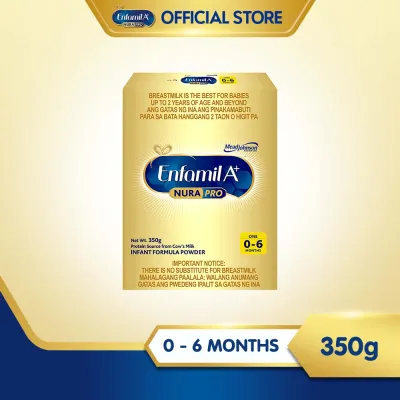
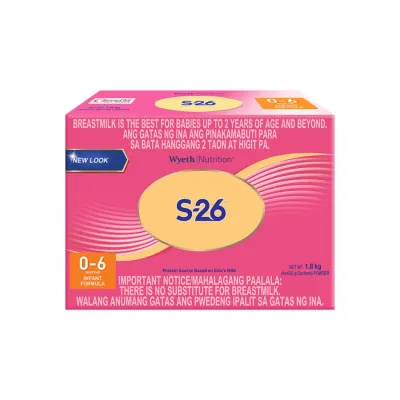
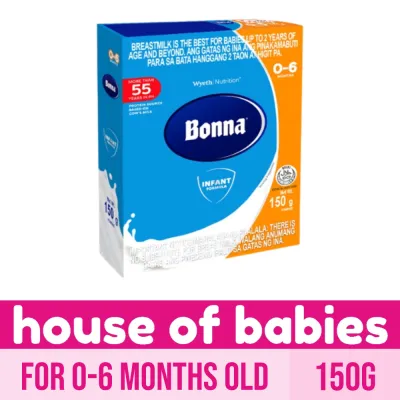
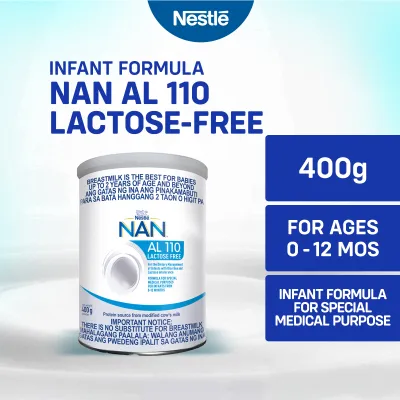
Prices are valid at publication and may change. Please refer to the product page for the latest price.
Verifying Age Appropriateness: Do All Brands Offer Stage 1?
Understanding the distinct stages of formula milk is vital because a newborn’s digestive system and kidneys are highly delicate and still developing. Infant formula designed for the 0 to 6-month stage is formulated to meet the complete nutritional needs of a baby who is not yet consuming solid foods. The protein structures, mineral levels, and vitamin concentrations are carefully balanced to be easily processed by an immature gut.
In contrast, follow-on formula (typically labeled for 6 to 12 months) contains different nutrient ratios, often with higher protein and iron levels, suited for older babies who have started complementary feeding. Growing-up milk (for children aged 1 year and older) is formulated as a supplement to a diverse solid-food diet and is completely inappropriate for a newborn. Feeding a newborn formula meant for older infants or toddlers can lead to severe digestive distress, nutritional deficiencies, or kidney strain.
When examining tins of Alacta, Nido, NAN, or Enfagrow on the shelf, you must look for specific, legally mandated labeling. Safe keywords include “Stage 1,” “Infant Formula,” or “0-6 Months.” For example, while brands like NAN (with variants like NAN Optipro 1) and Alacta (historically known for its infant stage options under its manufacturer) offer Stage 1 options, other household names like Nido are predominantly known in the Philippines for growing-up milks (such as Nido 3+ or Nido 1+) and do not offer a standard Stage 1 infant formula for newborns.
If you prefer the manufacturer of Enfagrow, you must look for their specific infant line, such as Enfamil, rather than the toddler-focused Enfagrow variants. If you are highly loyal to a specific brand but cannot find a clearly labeled “Stage 1 Infant Formula” for that brand in your local licensed pharmacy or supermarket, do not attempt to substitute a Stage 2 or Stage 3 product. In such cases, immediately consult your pediatrician to obtain a safe, age-appropriate recommendation.
Comparing Key Nutrients and Ingredients on the Label
Once you have confirmed that you are looking at a valid Stage 1 infant formula, the next step is to compare the nutrition information panel and ingredient list on the back of the tin. Because breast milk is the gold standard for infant nutrition, manufacturers design infant formulas to mimic its nutritional profile as closely as possible. However, exact formulations vary between brands, and you must verify all claims directly on the physical product label rather than relying on general advertisements.

Key nutrients to look for include Docosahexaenoic Acid (DHA) and Arachidonic Acid (ARA), which are fatty acids. You should also check for the presence of prebiotics (such as GOS and FOS) or probiotics, which are added to support gut health. When comparing Alacta, NAN, or other Stage 1 options, look at the specific milligrams of DHA and ARA per 100 kilocalories or per 100 grams of powder to understand the concentration.
Additionally, pay close attention to the protein ratio, specifically the balance of whey to casein. Breast milk is whey-dominant, especially in early lactation, because whey protein remains liquid in the stomach and is easier for a newborn to digest. Check the ingredient list to see if the formula has a modified whey-to-casein ratio (such as 60:40) to support easier digestion.
Finally, examine the carbohydrate sources; standard infant formulas typically use lactose as the primary carbohydrate, but some specialized variants may use alternative carbohydrates if a baby has specific digestive needs. Always verify these details on the physical packaging of the specific batch you purchase, as formulations can change over time.
Assessing Digestibility and Managing Mild Sensitivities
A newborn’s digestive tract is still maturing, meaning that some degree of adjustment is normal when starting or transitioning between formulas. Standard infant formulas utilize intact cow’s milk protein, which healthy newborns with no sensitivities can typically digest without issue. However, some babies experience mild discomfort, leading parents to look for alternative formulations.
Partially hydrolyzed protein formulas are options where the cow’s milk proteins are broken down into smaller pieces. This pre-digestion process can make the proteins easier for a delicate stomach to process. If you notice your baby experiencing mild, non-emergency signs of digestive adjustment—such as slight changes in stool frequency, minor flatulence, or occasional mild fussiness after feeding—it may simply be a normal part of their development.
However, it is critical to distinguish between mild developmental adjustments and serious medical issues. You must stop using the formula and consult a qualified pediatrician immediately if your baby exhibits signs of a true cow’s milk protein allergy or severe intolerance. These warning signs include persistent projectile vomiting, severe diarrhea, blood or mucus in the stool, a sudden skin rash or hives, excessive and inconsolable crying (colic), or poor weight gain. Never attempt to diagnose a formula allergy or switch to a highly specialized or hypoallergenic formula without direct medical supervision.
Evaluating Cost per Serving and Reliable Purchasing Channels
Feeding an infant formula is a significant, ongoing financial commitment during the first six months of life. To make an accurate financial comparison between brands like Alacta, NAN, or other Stage 1 formulas, you should avoid comparing only the retail price of the tin in Philippine Pesos (₱). Instead, calculate the true cost per serving or cost per 100 grams of powder.
To do this, check the net weight of the packaging (typically ranging from 350g to 900g or more) and the manufacturer’s feeding table, which indicates how many scoops of powder are required per fluid ounce of water. A lower-priced tin might contain less powder or require larger scoop sizes, resulting in a higher cost per feeding than a slightly more expensive, highly concentrated alternative.
Equally important is where you purchase the formula. In the Philippines, the tropical climate, high humidity, and intense heat can degrade formula powder rapidly if it is not stored correctly. Always purchase infant formula from reliable, authorized channels such as official brand flagship stores on reputable ecommerce platforms, major national supermarkets, or licensed physical pharmacies.
Avoid buying from unauthorized third-party online sellers, even if they offer steep discounts. These unauthorized products carry a high risk of being counterfeit, expired, tampered with, or stored in hot, humid warehouses that compromise the safety and nutritional value of the milk.
Final Decision Framework: How to Choose the Right Formula
To help you navigate this important decision, use the following structured framework to match your baby’s specific situation with the right choice:
- Choose Alacta or NAN (Stage 1) if: You have verified with your pediatrician that your newborn has standard nutritional needs, you have confirmed the physical tin is explicitly labeled as "Stage 1 Infant Formula" for ages 0-6 months, and the cost per serving fits comfortably within your family's monthly budget.
- Verify first if considering Nido or Enfagrow: You must carefully check the local retail shelves or official brand stores to see if an actual Stage 1 variant exists for your newborn. Because brands like Nido are predominantly formulated and marketed in the Philippines as growing-up milks for toddlers aged 1 to 3 years and above, they are not suitable for a 0-6 month old. If you prefer the manufacturer of Enfagrow, verify if their specific infant line (such as Enfamil) is the correct, age-appropriate Stage 1 product available to you.
- Neither may fit if: Your baby has been diagnosed by a pediatrician with a specific medical condition, such as a severe cow's milk protein allergy, lactose intolerance, or reflux. In these cases, standard commercial formulas are not suitable, and you must use a specialized, prescription-only formula recommended and monitored by your doctor.
Frequently Asked Questions (FAQ)
Can I mix two different formula brands in one bottle?
No, you should never mix two different formula brands or different stages of formula together in a single bottle. Each brand has a unique, precise balance of nutrients, proteins, and minerals, along with specific scoop sizes and water-to-powder ratios. Mixing them can alter the concentration of the feed, potentially leading to dehydration, kidney strain, or severe digestive upset for your newborn. If you need to transition your baby from one formula brand to another, consult your pediatrician for a safe, gradual transition schedule, which typically involves replacing one full feed per day with the new brand over several days rather than mixing powders in one bottle.
How do I know if my baby needs a different formula?
It is normal for newborns to experience minor digestive adjustments, such as mild gas or slight variations in stool color and frequency, when starting a formula. However, you may need to discuss a formula change with your pediatrician if your baby exhibits persistent, clear signs of discomfort. These include excessive crying or fussiness during or immediately after feeds, severe spit-up or projectile vomiting, chronic diarrhea, hard or painful stools, or an unexplained skin rash. Always consult your pediatrician before making any switch, as they can help rule out underlying health issues and ensure the new formula is safe.
Is it safe to buy formula milk from online marketplaces?
It is only safe to buy formula milk from online marketplaces if you purchase directly from the brand’s official flagship store or an authorized, licensed pharmacy’s official online portal. Avoid buying from unauthorized third-party sellers, as there is no way to verify how the formula was stored or if it is authentic. Improper storage in high tropical temperatures and humidity can spoil the powder and destroy essential nutrients. When your order arrives, always inspect the physical tin for a completely intact safety seal, check that the expiration date is clearly printed and not expired, and ensure there are no dents or punctures in the packaging.
Community discussion
Share your experience or ask a question. Comments are reviewed before publication.