
When your toddler transitions into larger sizes, finding the right diaper becomes a balancing act of comfort, capacity, and cost. If you are considering the aiwibi diaper xxl alongside established global giants like Pampers and Huggies, you are likely looking for a solution that can keep up with an active, growing child. Toddlers wearing extra-extra-large (XXL) sizes are typically highly mobile, consuming larger amounts of liquids, and requiring robust protection that prevents leaks during both daytime play and long overnight stretches.
Choosing between these three brands requires looking closely at how each engineered its diaper core, waistband, and leg cuffs. While Pampers and Huggies have long dominated physical store shelves in the Philippines, newer challengers like Aiwibi have gained a strong following by offering modern, ultra-thin designs at highly competitive price points. This comparison will break down the performance of each brand in the XXL size category to help you determine which diaper best suits your toddler’s specific needs.
Every child has a unique physical build, meaning a diaper that works perfectly for one toddler might cause leaks or red marks on another. By understanding the structural differences in absorbency, fit, and materials, you can make an informed decision that prioritizes your child’s comfort and skin health.
Products mentioned in this guide
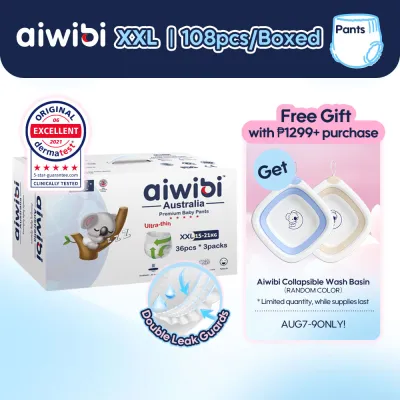
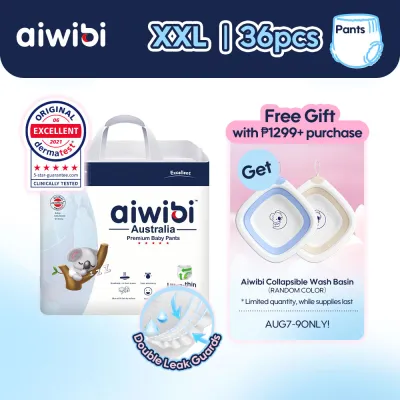
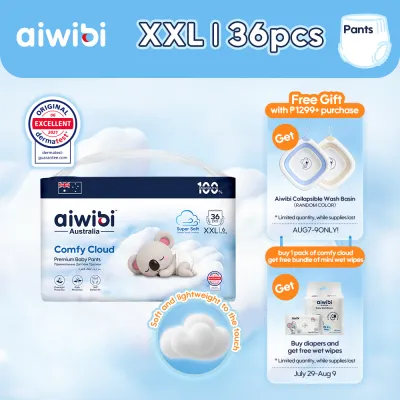
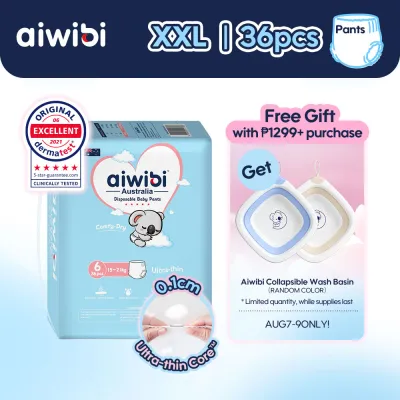
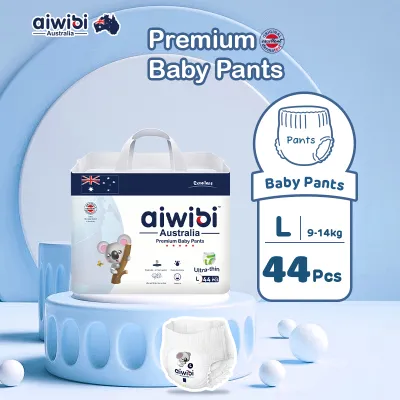
![[Carton Box] Aiwibi Light Feather Baby Pants(M-XXXL)Pants Pull-up diaper pants Soft and breathable](https://img.lazcdn.com/g/p/6dd46e76fc0b5e8e127f1bbde96dcc10.jpg_400x400q80.jpg_.webp)
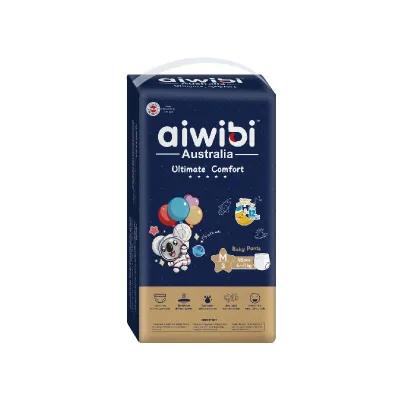
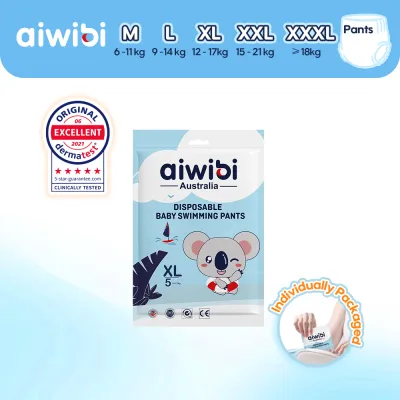
Prices are valid at publication and may change. Please refer to the product page for the latest price.
Quick Answer: Which XXL Diaper Brand is Best for Your Toddler?
There is no single “best” XXL diaper brand that fits every toddler perfectly, as the ideal choice depends on your child’s body shape, skin sensitivity, and wetting patterns. A diaper’s performance is highly subjective and relies on how well its specific cut aligns with your toddler’s physical proportions. Parents should prioritize finding a secure, irritation-free fit over maintaining strict brand loyalty when transitioning to larger sizes.
Generally, Aiwibi is positioned as a modern, budget-friendly option that utilizes a very thin, Super Absorbent Polymer (SAP) core designed to minimize bulk and prevent clumping. This makes it an attractive choice for parents seeking lightweight daytime wear that does not restrict movement. However, because it lacks traditional wood pulp cushioning, the physical feel is distinct from classic diapers.
Pampers focuses heavily on a contoured, thin design featuring specialized dry-channels that distribute liquid evenly along the length of the diaper. This design philosophy aims to prevent sagging and maintain a streamlined profile under clothing, making it highly suitable for lean, active toddlers who benefit from a flexible, snug fit.
Huggies is widely recognized for its robust, heavy-duty construction, featuring highly elastic waistbands and reinforced leg guards. This brand is often preferred by parents of chunkier toddlers who require excellent stay-up power and extra containment for heavy wetting. The materials tend to feel slightly more structured, offering a traditional, cushioned layer of protection.
Absorbency and Overnight Performance: How Aiwibi Diaper XXL Compares to Pampers and Huggies
To evaluate how these three brands manage heavy wetting, it is essential to look at the structural design of their absorbent cores. Modern disposable diapers rely on a mix of Super Absorbent Polymer (SAP) and wood pulp to lock away moisture. The distribution of these materials determines how quickly liquid is absorbed and how well the diaper maintains its shape when saturated.

The aiwibi diaper xxl features a composite core that relies almost entirely on SAP sheets rather than loose wood pulp. This design keeps the diaper remarkably thin when dry and prevents the absorbent material from breaking apart or clumping into heavy lumps after wetting. While this modern core is highly efficient at locking away moisture, some parents find that it can feel slightly stiff once fully saturated.
In contrast, Pampers utilizes proprietary channel technology designed to draw liquid away from the surface and distribute it evenly across three distinct channels. This prevents the liquid from pooling in a single spot, which minimizes diaper sag and helps keep the inner liner dry against your toddler’s skin. The rapid distribution is particularly beneficial for active toddlers who dislike the feeling of a heavy, wet diaper.
Huggies typically employs a more traditional, cushioned core that combines a high volume of SAP with soft wood pulp fibers. This structure is designed to absorb large volumes of liquid quickly, making it a popular choice for overnight use. The thicker core provides a familiar cushion, though it does result in a bulkier silhouette when the diaper is full.
When observing your toddler’s diaper after a long night’s sleep, look closely for signs of surface dryness and core integrity. Gently press a dry tissue against the inner liner of a wet diaper; if the tissue remains dry, the core is successfully keeping moisture away from your child’s skin. Also, check if the core has clumped or sagged excessively, as a sagging diaper can pull away from the waist and cause leaks.
Always verify the manufacturer’s stated weight limits and maximum wear-time recommendations printed on the packaging, as these guidelines vary across brands. It is important to remember that no single diaper can guarantee a full 12 hours of dryness for every child. Parents should adjust diaper change frequencies based on their toddler’s individual fluid intake, especially if they consume a large bottle of water or milk before bedtime.
Fit, Comfort, and Skin Sensitivity for Larger Toddlers
As toddlers grow into XXL sizes, their daily activities involve constant running, climbing, and squatting, which puts significant physical stress on the diaper’s waistband and leg openings. A diaper that fits poorly can restrict movement, cause chafing, or leave painful red marks on your child’s delicate skin.
Waistband elasticity and overall cut vary significantly among the three brands. Aiwibi is designed with a soft, 360-degree elastic waistband that stretches easily to accommodate rounder bellies without applying excessive pressure. This makes it highly comfortable for daytime wear, though parents of highly active toddlers should ensure the waistband does not slide down during vigorous play.
Pampers diapers often feature a more contoured, streamlined cut with highly flexible side panels or stretchy pants-style waistbands. This design conforms closely to the natural curves of leaner toddlers, providing a secure fit that moves with the body. The materials are engineered to feel lightweight and fabric-like to minimize friction against the skin.
Huggies is known for its secure, snug waistband design, which often includes a rear elastic pocket to help contain messy stools. The waistband elastic is robust and offers excellent stay-up power, making it ideal for toddlers with chunkier thighs and rounder bellies. However, the stronger elastic means parents must be careful to choose the correct size to avoid red pressure marks.
In the hot and humid climate of the Philippines, diaper breathability is crucial for preventing heat rash, commonly known as bungang-araw. Aiwibi emphasizes a highly breathable, hot-air-laid backsheet that allows air to circulate, helping to keep your toddler’s skin cool and dry. Both Pampers and Huggies also incorporate micro-porous outer layers and topsheets, with some premium lines featuring mild, skin-safe lotions to help protect against friction.
Parents should regularly inspect their toddler’s waist, hips, and inner thighs for any red marks or deep indentations. These marks are clear indicators that the diaper is either fastened too tightly, the size is too small, or the physical cut is incompatible with your child’s body shape. If a diaper consistently leaves marks, it is time to adjust the fit or try a different brand.
If your toddler develops a persistent diaper rash, severe skin irritation, or an allergic reaction, stop using the diaper immediately. Consult a pediatrician or qualified healthcare professional to identify the underlying cause and obtain appropriate treatment, rather than assuming a specific brand is universally hypoallergenic.
Leak Protection: Waistbands, Leg Cuffs, and Active Movement
Preventing leaks during active daytime play and restless sleep requires a combination of strong elastic barriers and proper diaper application. Even the most absorbent core will fail if the diaper’s physical seals do not remain flush against your toddler’s body as they move.
The design of the back waistband plays a critical role in preventing blowouts, especially when your toddler is sitting or bending over. Huggies diapers often feature a high-rise back waistband with an integrated pocket designed to catch and contain liquid stool before it can escape upward. Pampers and Aiwibi rely on high-stretch back panels that maintain a flat, flush fit against the lower back to minimize gaps.
Around the legs, all three brands utilize double-layered leg cuffs consisting of an inner standing leg guard and an outer elastic ruffle. These barriers are designed to contain sudden rushes of liquid, giving the absorbent core time to pull the moisture inside. The elasticity of these guards must be strong enough to maintain a seal without pinching the skin.
To maximize leak protection, parents should follow these actionable application steps:
- Deploy the Leg Guards: After putting on the diaper, always run your finger along the inside of the leg openings to ensure the standing leg guards are pointing upward and the outer ruffles are pulled completely outward.
- Check the Waistband Snugness: For tape-style diapers, fasten the tabs symmetrically and ensure you can comfortably fit two fingers between the waistband and your toddler's tummy.
- Align the Center: Ensure the diaper is centered front-to-back and side-to-side, with the waistband sitting near the navel to prevent sagging.
- Eliminate Gaps: Observe your toddler as they stand and squat; there should be no visible gaps around the thighs or lower back.
Proper sizing and correct application are the most critical factors in preventing diaper leaks. If you experience persistent leaking despite applying the diaper correctly, the diaper may be too small, or the specific brand’s cut may not align with your toddler’s body shape. In such cases, trying a different brand or sizing up is often the most effective solution.
Price, Availability, and Value in the Philippines
Evaluating the cost-effectiveness of XXL diapers requires looking beyond the initial price tag of a package. Because toddlers wear XXL diapers for a longer developmental period than smaller sizes, the cumulative cost can represent a significant portion of a household’s monthly budget.
Authentic Aiwibi, Pampers, and Huggies XXL diapers can be reliably purchased across the Philippines. They are widely available in major physical supermarkets, such as SM Supermarket, Robinsons Supermarket, and Puregold, as well as in dedicated baby care boutiques. For convenience, official brand stores on major online marketplaces and e-commerce platforms offer direct home delivery.
To determine the true value of a diaper brand, parents should calculate the cost per piece (CPP) rather than comparing pack prices directly. To find the CPP, divide the total price of the package by the number of individual diapers inside. Because diaper counts vary significantly between standard packs, mega packs, and box deals, the cost per piece is the only accurate way to compare prices:
- Aiwibi generally positions itself in the highly competitive mid-to-budget price tier, often offering a lower cost per piece when purchased in bulk boxes or during promotional sales.
- Pampers offers multiple product lines ranging from mid-tier options to premium imported lines, allowing parents to choose a price point that fits their budget.
- Huggies similarly spans several tiers, with its standard lines offering competitive value and its premium soft lines sitting at a higher price point.
Parents can optimize their savings by looking for bulk bundle deals, subscription discounts, and promotional events on major e-commerce platforms. Because exchange rates, local distribution costs, and retail promotions fluctuate, it is always best to check live online listings or physical store shelves for current real-time pricing.
Before committing to a large bulk purchase or a multi-pack box of XXL diapers, always buy a smaller trial pack first. Testing a small quantity allows you to verify that the diaper fits your toddler comfortably, does not cause skin irritation, and handles their wetting patterns effectively before you make a larger financial investment.
Final Verdict: How to Choose the Right XXL Diaper
Selecting the right diaper for your toddler comes down to matching their physical build and your family’s budget with the unique design characteristics of each brand. Use this conditional decision-making framework to guide your choice:
- Choose Aiwibi if: You want an ultra-thin, lightweight diaper that utilizes modern SAP core technology to prevent clumping, and you are looking for a highly competitive cost-per-piece that fits comfortably within a moderate budget.
- Choose Pampers if: Your toddler has a leaner, longer physical build, benefits from a flexible and contoured fit that moves easily during active play, and you prefer a widely available brand focused on even wetness distribution.
- Choose Huggies if: Your toddler is highly active with a rounder tummy or chunkier thighs, requires a robust waistband with excellent stay-up power, or needs a diaper with a traditional, cushioned core and highly secure leg barriers.
Always verify the diaper’s performance by observing how it fits and absorbs over a trial period of three to five days before purchasing in bulk. This trial period will help you catch any minor fit issues or mild skin sensitivities before you are committed to a large quantity of diapers.
Finally, always refer to the manufacturer’s official sizing charts, weight recommendations, and safety warnings printed on the packaging. As your toddler continues to grow and develop, their diaper needs may change, so remaining flexible and open to adjusting sizes or brands will ensure their continued comfort.
Frequently Asked Questions (FAQ)
When should I transition my toddler to XXL diapers?
You should transition your toddler to XXL diapers when they approach or exceed the lower weight limit specified on the manufacturer’s sizing chart, which is typically around 15 kilograms. Physical signs also indicate a need to size up, such as persistent red elastic marks on your child’s waist or thighs, frequent leaks despite correct application, or fastening tabs that struggle to close securely over the hips.
Can I use XXL diapers overnight for heavy wetters?
Standard XXL diapers are designed with larger absorbent capacities to accommodate older toddlers, making them suitable for overnight use for many children. However, exceptionally heavy wetters may still experience leaks during long stretches of sleep. If this occurs, check the packaging to ensure the diaper is rated for overnight use, consider switching to a dedicated overnight-specific diaper variant, or adjust your toddler’s evening fluid intake.
What should I do if the XXL diaper still leaks?
If your toddler’s XXL diaper continues to leak, first verify that it is applied correctly by ensuring the waistband is snug and the double leg cuffs are pulled completely outward. If leaks persist despite correct application, the diaper’s physical cut may not be compatible with your child’s body shape, or they may require a different size. If you notice unusual wetting patterns or if leaks are accompanied by persistent skin irritation, consult a pediatrician for professional guidance.

Community discussion
Share your experience or ask a question. Comments are reviewed before publication.