
Choosing the right reusable diapering system involves understanding exactly what materials will rest against your baby’s delicate skin and how those fabrics manage moisture. Aimerie cloth diapers typically feature a multi-layer construction consisting of a waterproof outer shell (usually made of TPU or PUL), a soft skin-contact inner lining (such as stay-dry suedecloth or microfleece), and highly absorbent inserts (often featuring bamboo, cotton, or microfiber blends). Because fabric compositions can vary depending on the specific diaper model, collection, or insert bundle, parents should always check the physical product tags or official manufacturer documentation to confirm the exact material percentages.
By understanding the science behind these fabric layers, you can make informed decisions that align with your environmental values and your baby’s comfort. This guide breaks down the typical material composition of these diapers, outlines how to evaluate their safety, and explains how to adapt your laundry routine to protect both the fabrics and your baby’s skin.
Decoding the Fabric Layers of Aimerie Cloth Diapers
Modern reusable diapering systems rely on a highly functional three-zone architecture to keep your baby dry, comfortable, and leak-free. Each zone serves a distinct purpose: the outer shell blocks moisture, the inner lining rests against your baby’s skin to manage wetness, and the internal insert stores the liquid. Understanding how these fabrics interact is key to maximizing the performance of your aimerie cloth diaper. To verify the exact material percentages of your specific diaper, look closely at the sewn-in care label or review the official product specifications provided on the manufacturer’s authorized online store before purchasing.
Products mentioned in this guide
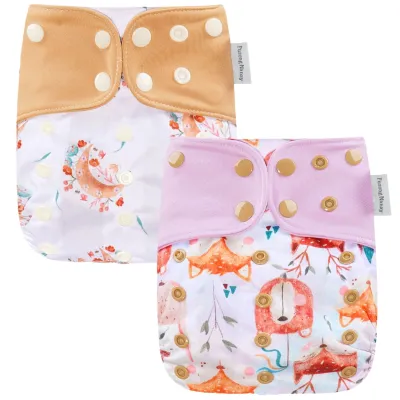
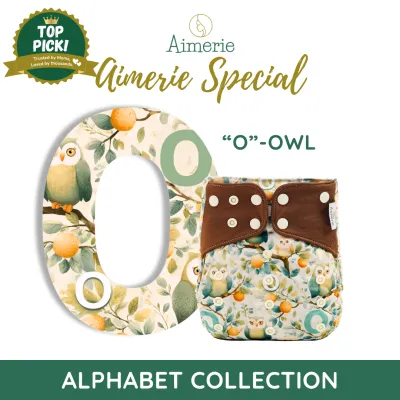
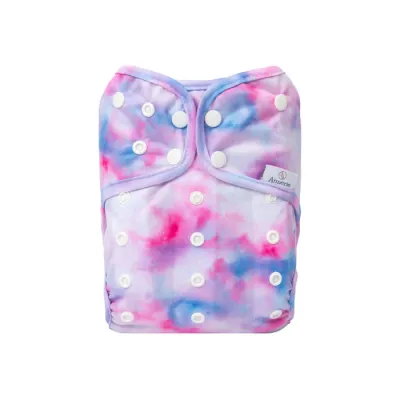
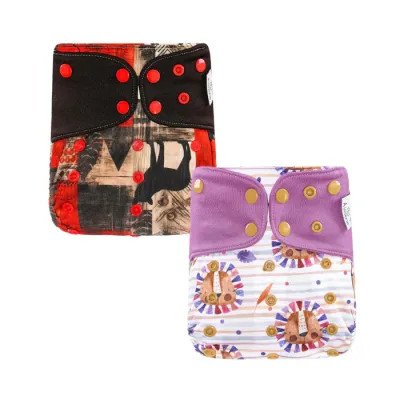
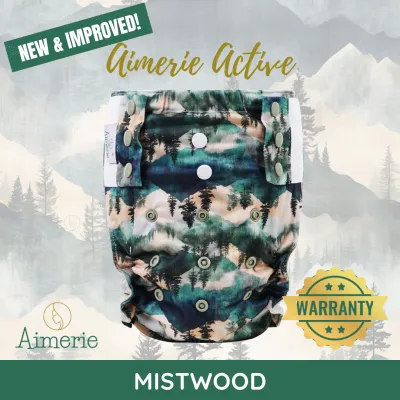
Prices are valid at publication and may change. Please refer to the product page for the latest price.
The Waterproof Outer Shell
The outermost layer of a modern cloth diaper must prevent liquid from escaping while remaining comfortable for a baby to wear. Manufacturers typically achieve this by laminating a fabric backing with a thin, water-resistant plastic layer, resulting in Polyurethane Laminate (PUL) or Thermoplastic Polyurethane (TPU). These materials are chosen for their ability to withstand repeated wash cycles without losing their water-resistant properties, making them the standard choice across the reusable diaper industry.
When evaluating your diaper’s outer shell, examine the interior lamination to ensure it is smooth, flexible, and fully bonded to the fabric. While these synthetic, plastic-based barriers are exceptionally durable and highly effective at stopping leaks, they are not natural fibers. Eco-conscious parents should weigh this synthetic necessity against the overall reduction in single-use waste. It is also important to note that the longevity of this waterproof barrier depends heavily on proper care, as excessive heat or harsh chemicals can cause the laminate to peel or crack over time.
The Skin-Contact Inner Lining
The fabric that directly touches your baby’s skin determines how dry they feel between changes. Common synthetic options like stay-dry suedecloth or microfleece are designed to wick moisture away from the skin rapidly, keeping the surface feeling dry and reducing the likelihood of wetness-induced irritation. These fabrics do not absorb liquid themselves; instead, they act as a one-way highway, directing moisture down into the absorbent insert below.
Conversely, natural fibers like organic cotton or bamboo-derived rayon feel wet once soiled, but they offer a completely natural alternative for babies with highly sensitive skin. Because individual babies react differently to synthetic versus natural fibers, particularly in the warm and humid climate of the Philippines, parents should observe their baby’s skin and select the lining material that best supports their comfort. If your baby is prone to heat rash, experimenting with different lining materials can help you identify the most breathable option for your child’s needs.
The Absorbent Inserts
The insert acts as the engine of the diaper, responsible for trapping and holding liquid. Synthetic microfiber inserts absorb moisture incredibly fast, making them useful for quick-wetting phases, but they are prone to compression leaks when your baby sits down or moves actively. Microfiber acts much like a sponge, releasing liquid under pressure, which can lead to leaks if the diaper is fully saturated.
Natural fibers like bamboo, cotton, or hemp absorb liquid more slowly but offer a much higher overall holding capacity, making them ideal for heavy wetters or overnight use. It is a critical safety rule that microfiber inserts must never be placed directly against your baby’s skin, as their intense moisture-wicking properties can cause severe dryness, chafing, and skin irritation. Always ensure microfiber inserts are safely tucked inside a pocket shell or placed underneath a stay-dry barrier. Mixing and matching different insert materials—such as placing a fast-absorbing microfiber insert on top of a high-capacity hemp insert—is a common strategy used by experienced parents to customize absorbency.
Assessing Skin Safety and Eco-Friendly Values
Transitioning to reusable diapering systems is a powerful way to reduce the volume of single-use plastics entering local landfills. However, a truly eco-conscious approach requires looking at the entire lifecycle of the diaper, including the agricultural footprint of the fibers and the resource consumption of your laundry routine. By evaluating these factors, parents can make choices that support both global sustainability and local environmental health.

Natural fibers like hemp and bamboo are often favored by environmentally conscious parents because these crops typically require less water and fewer pesticides to cultivate than conventional cotton. Despite these advantages, every modern pocket diaper still relies on synthetic components like PUL or polyester-based linings, meaning a balanced evaluation must account for both the natural and synthetic elements of the diaper. Recognizing this balance helps parents set realistic expectations for their eco-friendly journey.
When it comes to skin safety, especially in warm, tropical climates where heat rash and friction are constant concerns, fabric choice plays a vital role. While synthetic stay-dry linings keep moisture off the skin, they can trap heat for some infants, whereas natural cotton or bamboo allows for excellent breathability but requires more frequent changes to prevent prolonged wetness exposure. Monitoring your baby’s skin during seasonal transitions is crucial to ensuring their ongoing comfort.
To ensure the textile components are free from harmful substances, look for recognized independent certifications such as the OEKO-TEX Standard 100 on the packaging or official brand listings. Because certifications can expire or vary by manufacturing batch, you should actively verify these claims by requesting the latest compliance documentation directly from the manufacturer or authorized distributor. This proactive step ensures that the dyes, elastics, and snaps used in the diaper meet strict international safety criteria.
Ultimately, the safety and hygiene of any fabric—natural or synthetic—depend heavily on your washing practices. Leftover detergent residue, mineral buildup from hard water, or incomplete washing can lead to ammonia accumulation, which can cause severe diaper rash and compromise your baby’s skin health regardless of the diaper’s material quality. Establishing a consistent, thorough wash routine is the most effective way to protect your baby’s skin and maintain the integrity of the diaper fabrics.
Verifying Material Claims and Adapting Your Wash Routine
To ensure you are caring for your diapers correctly and protecting your investment, you must first verify the exact fabric composition of the specific models you own. Check the sewn-in care label on each shell and insert, consult the product description on the official website, or reach out directly to customer service if you encounter conflicting information. Knowing exactly what materials you are working with allows you to optimize your laundry routine for maximum hygiene and fabric longevity.
Once you have identified the materials, you can tailor your laundry routine to preserve the integrity of each fabric type.
- PUL and TPU Shells: Wash these waterproof covers in warm water, keeping the temperature within the manufacturer's recommended limits to prevent the laminate from cracking or peeling. Avoid high-heat drying, ironing, and the use of fabric softeners or bleach, as these can permanently degrade the waterproof barrier and void your product warranty.
- Natural Fiber Inserts (Bamboo, Hemp, Cotton): These durable fibers can withstand warmer water temperatures during sanitizing cycles, which helps eliminate deep-seated bacteria. Because natural fibers are prone to holding moisture, ensure they are thoroughly dried—ideally by hanging them in the sun, which leverages natural ultraviolet rays to bleach stains and sanitize the fabric—to prevent mildew from developing in highly humid environments.
- Synthetic Inserts (Microfiber): Wash microfiber inserts in warm water and tumble dry on low heat or line dry. Avoid exposing them to high heat, which can melt or warp the delicate synthetic fibers, reducing their loft and absorbency over time.
Refrain from performing aggressive “stripping” routines or using harsh chemical additives unless you are troubleshooting a specific issue, such as persistent odors or liquid repelling. Always refer to the manufacturer’s official care guidelines before attempting any deep-cleaning procedures to ensure you do not inadvertently damage the fibers or compromise your baby’s safety. If you observe signs of fabric degradation, such as thinning material or failing elastics, consult the manufacturer’s customer support for guidance.
Frequently Asked Questions (FAQ)
Can I use diaper rash creams with Aimerie cloth diapers?
Standard diaper rash creams containing petroleum, mineral oil, or high concentrations of zinc oxide can create a waterproof barrier on synthetic linings like fleece or suedecloth. This barrier prevents the diaper from absorbing liquid, leading to immediate leaks and runoff.
If your baby requires a medicated cream, always use a physical barrier such as a reusable fleece liner or a disposable bamboo liner to protect the diaper fabric. Alternatively, choose a cream that is explicitly labeled as cloth-diaper-safe, and verify its compatibility with your diaper’s specific lining material.
Do Aimerie cloth diapers contain PFAS or harmful chemicals?
Parents concerned about potential chemical exposure from water-resistant coatings or synthetic dyes should not rely on general assumptions or marketing claims. While quality polyurethane laminates are designed to be stable, the presence of specific chemical additives can vary across manufacturing batches and suppliers.
To verify the chemical safety of your diapers, contact the manufacturer directly to request their latest independent laboratory testing reports or textile safety certifications. If you cannot obtain verified proof of chemical safety, or if your baby shows signs of persistent skin irritation that does not resolve with a proper wash routine, stop using the diapers and consult a qualified healthcare professional.
Community discussion
Share your experience or ask a question. Comments are reviewed before publication.