
Choosing the right diaper pants for your baby is a balancing act between comfort, performance, and household budget. With options ranging from established global household names to emerging budget-friendly alternatives, finding the perfect fit requires understanding how different brands perform under real-world conditions. The ideal choice is highly individual, depending on your baby’s unique body shape, skin sensitivity, and daily activity levels.
Pampers and Huggies represent the traditional, widely available market leaders known for their extensive research and product tiers. On the other hand, Aikerrsu and Equator have gained popularity on e-commerce platforms as highly economical alternatives designed to reduce daily diapering expenses. Because no single diaper brand works perfectly for every infant, parents are encouraged to start with small trial packs to observe skin compatibility and fit before purchasing in bulk.
Brand Positioning and What to Check on the Label
Understanding where each brand sits in the market helps clarify what you are paying for and what features to expect. Pampers and Huggies are global giants with decades of manufacturing history, offering both standard and premium product lines. These brands invest heavily in proprietary absorption technologies, breathable materials, and ergonomic designs. They are easily accessible in physical supermarkets, department stores, and official online flagship stores across the Philippines.
Products mentioned in this guide
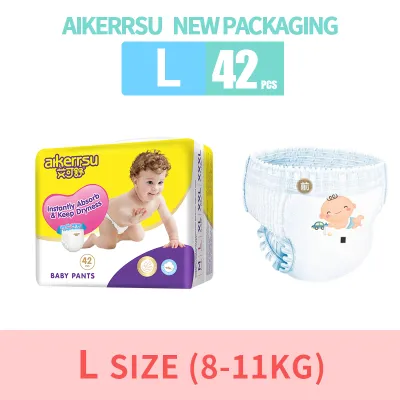
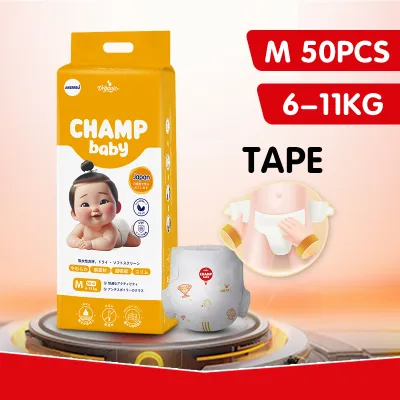
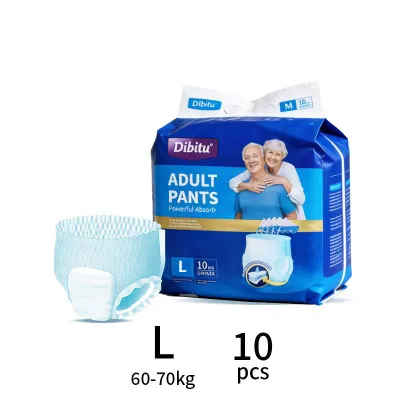
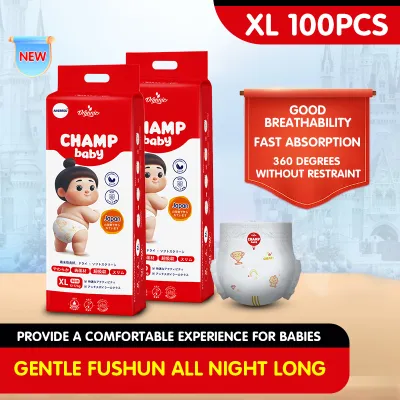
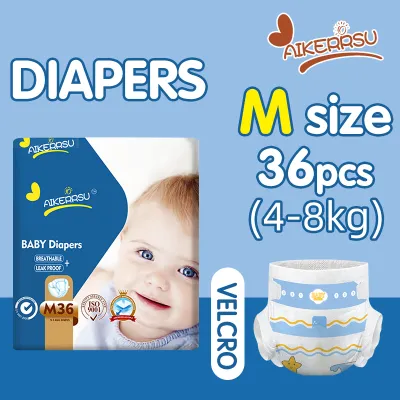
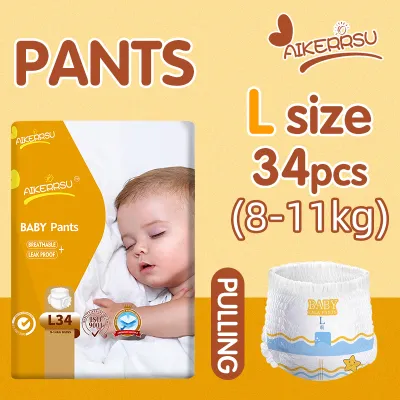
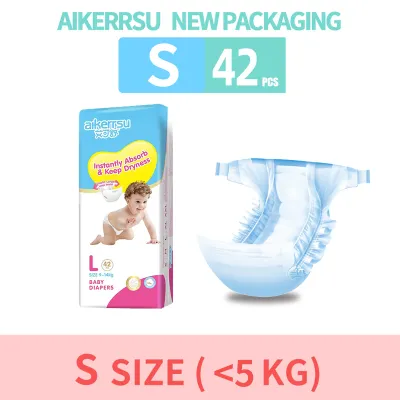
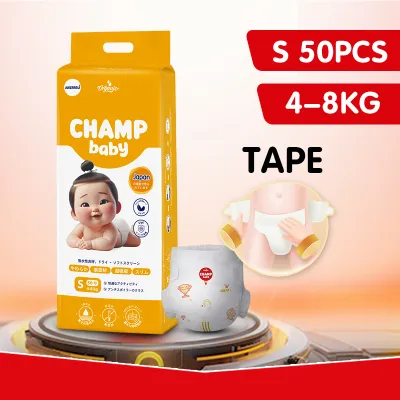
Prices are valid at publication and may change. Please refer to the product page for the latest price.
In contrast, Aikerrsu and Equator are positioned as value-first alternatives. These brands focus on providing functional diaper pants at a fraction of the cost of premium brands, making them highly attractive for families managing tight budgets. They are primarily distributed through online marketplaces and local importers, meaning their physical retail presence may be limited compared to their global competitors.
When evaluating any of these brands, always inspect the physical packaging to verify critical manufacturer specifications. Do not rely solely on generic size labels like Medium or Large, as dimensions vary significantly between brands. Instead, locate the printed weight range on the pack and compare it to your baby’s current weight. Additionally, check the label for material listings, manufacturing dates, and the presence of features like wetness indicators or disposal tape, which can greatly affect daily convenience.
Evaluating Absorbency, Fit, and Skin Comfort
To determine if a diaper brand is suitable for your baby, you must evaluate its performance through direct observation during daily use. Absorbency is the primary defense against leaks and skin irritation. When testing a brand, observe how the core handles wetness over a few hours. A high-performing diaper should distribute liquid evenly without clumping or sagging excessively, keeping the surface layer dry to the touch. For overnight use, check if the diaper can withstand long sleep stretches without leaking or leaving your baby’s skin feeling damp.

Fit and elasticity are equally critical, especially as babies become more active and begin to crawl or walk. Diaper pants rely on a flexible waistband and secure leg cuffs to contain messes. When putting the pants on, ensure the waistband is snug but comfortable; you should be able to slide two fingers easily between the elastic and your baby’s skin. Check for red marks or deep indentations around the thighs and waist after a few hours of wear, as these indicate that the diaper is too tight or the cut is incompatible with your baby’s body shape. Always pull the outer leg cuffs outward to ensure the leak guards are fully deployed.
Skin comfort is a paramount concern in the hot, humid tropical climate of the Philippines. High humidity can trap moisture inside the diaper, creating an environment ripe for diaper rash and bacterial growth. Monitor your baby’s skin closely during every diaper change for signs of redness, chafing, or localized irritation. If you observe persistent diaper rash or allergic reactions, stop using the brand immediately, keep the area clean and dry, and consult a pediatrician or qualified healthcare professional for guidance.
Calculating Price and Sourcing Safely
Comparing diaper prices requires looking beyond the retail price of a single pack. Because pack sizes and diaper counts vary widely across brands and retailers, the most accurate comparison method is calculating the cost per piece. To do this, divide the total price of the diaper pack by the number of individual diaper pants inside. This simple calculation reveals the true unit cost, allowing you to see exactly how much you save by choosing budget-friendly options like Aikerrsu or Equator over premium tiers of Pampers or Huggies.
While buying in bulk or purchasing large promotional boxes online can lower the cost per piece, it is wise to balance savings against practical risks. Babies grow rapidly, and their sizing needs can change within a matter of weeks. Furthermore, buying a massive quantity of an untested brand can lead to significant waste if your baby develops a sudden skin sensitivity or if the diaper’s shape causes frequent leaks. Restrict bulk purchases to brands you have thoroughly tested, and stick to small packs when experimenting with new options.
Sourcing your diapers safely is essential to protect your baby from counterfeit products or damaged goods. Diapers stored in damp, unventilated warehouses can absorb ambient moisture, reducing their effectiveness and potentially harboring mold. Always purchase your diaper pants from official brand stores, authorized physical supermarkets, or reputable e-commerce platforms with verified seller badges. Inspect every package upon delivery to ensure the outer plastic seal is completely intact, dry, and free from punctures.
Decision Framework: Matching the Brand to Your Baby
Making a final decision involves matching each brand’s characteristics to your family’s daily routine and financial priorities. If your primary goals are maximum overnight leak protection, consistent manufacturing quality, and the convenience of buying diapers during regular grocery runs, Pampers or Huggies are highly reliable choices. Their premium lines are specifically engineered to handle heavy wetness, making them excellent for long outings, travel, or uninterrupted nighttime sleep.
If you are looking to optimize your daily household budget and prefer to perform frequent diaper changes, Aikerrsu or Equator are practical options. These brands are highly suitable for daytime wear when your baby is active at home, allowing you to maintain hygiene through regular changes without incurring high costs. They serve as excellent utility diapers that keep your baby clean during their waking hours.
Regardless of the brand you choose, always prioritize your baby’s physical comfort and skin health. Carefully check the ingredient and material labels on the packaging to verify if the diapers are free from fragrances, latex, or elemental chlorine, especially if your baby has a history of sensitive skin. By combining careful label verification with home observation, you can find the ideal diapering setup that keeps both your baby comfortable and your budget intact.
Frequently Asked Questions (FAQ)
Is it safe to mix different diaper brands during the day and night?
Yes, mixing diaper brands is a safe and highly practical strategy, provided your baby’s skin tolerates both materials without any adverse reactions. Many parents use premium, high-absorbency diaper pants from brands like Pampers or Huggies for overnight sleep to prevent leaks and ensure comfort, while using more economical options like Aikerrsu or Equator for frequent daytime changes. This hybrid approach allows you to manage diapering costs effectively while still ensuring maximum protection when it matters most.
How do I know if I need to size up in a specific brand?
You should consider transitioning to a larger size when you notice physical signs of a tight fit, even if your baby’s weight is still within the range printed on the current pack. Common indicators include deep red marks or elastic indentations around the waist or thighs, frequent leaks despite the diaper not being fully saturated, or difficulty pulling the waistband up comfortably over your baby’s hips. Always rely on your baby’s actual weight and the manufacturer’s specific weight chart rather than age guidelines, as sizing standards vary between brands.

Community discussion
Share your experience or ask a question. Comments are reviewed before publication.