
Finding a first birthday gift that balances a premium aesthetic with a budget-friendly price tag can be a rewarding challenge. Sensory toys are highly valued by parents for their developmental benefits, making a creative modeling kit an appealing option. However, choosing a clay set for kids that is safe for a one-year-old while still looking like an elegant, curated present requires careful attention to safety standards, material properties, and packaging design.
At one year of age, children are undergoing rapid sensory and motor development, but they also explore their world primarily through their mouths. This means that standard arts-and-crafts supplies designed for older children are not suitable. By focusing on certified non-toxic modeling doughs, checking for age-appropriate tool designs, and utilizing smart presentation strategies, you can gift a beautiful, high-end sensory set that respects both your budget and the child’s safety.
This guide outlines how to evaluate safety certifications, identify packaging that punches far above its weight class, and choose the right features for a toddler. You will also learn practical ways to elevate the presentation of your gift using simple, low-cost styling techniques suitable for the local climate and gifting culture.
Products mentioned in this guide
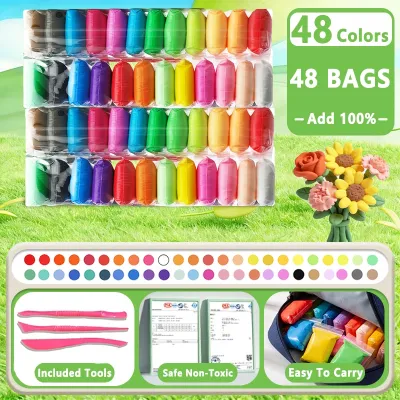
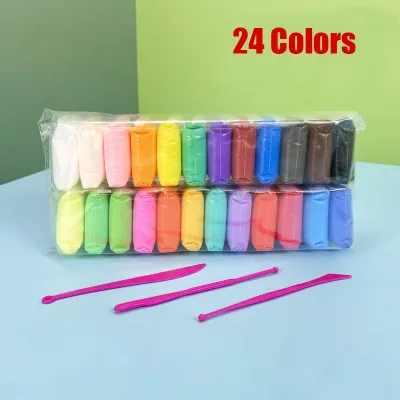
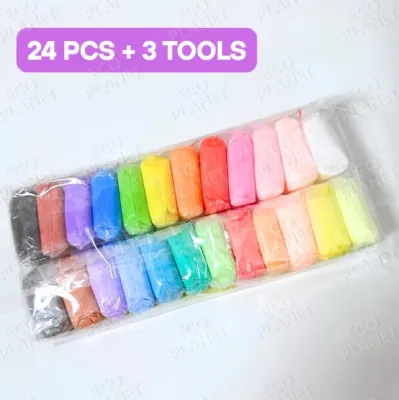
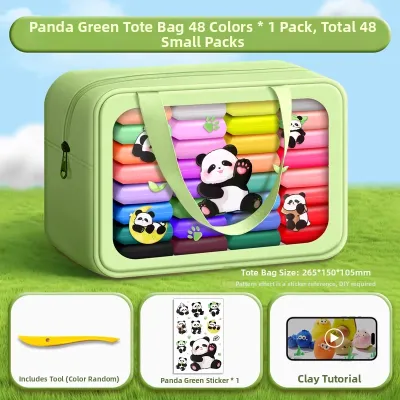
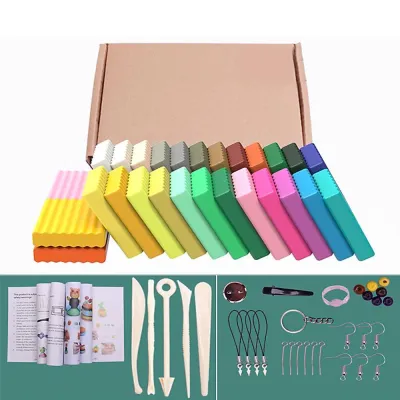
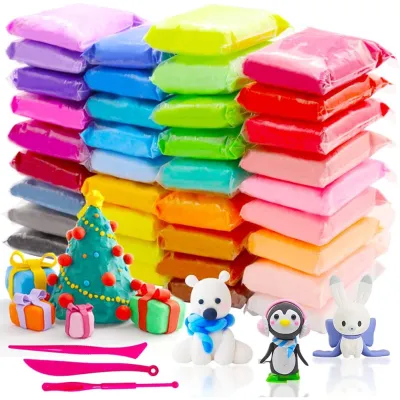
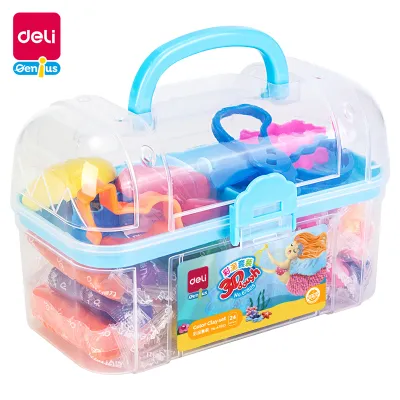
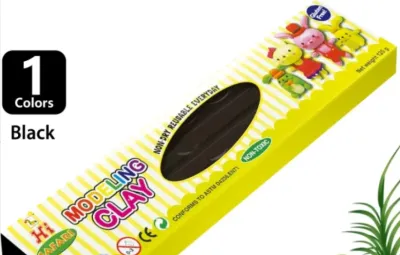
Prices are valid at publication and may change. Please refer to the product page for the latest price.
The Safety Catch: Navigating Clay Toys for One-Year-Olds
When shopping for a first birthday gift, safety is the absolute priority, overriding any aesthetic or financial considerations. One-year-old toddlers are in the peak of their oral exploration stage, meaning anything placed in their hands will inevitably end up in their mouths. Traditional modeling clays, polymer clays, and epoxy-based clays are entirely unsuitable for this age group due to their chemical compositions and physical properties.
To verify the safety of a clay set for kids, you must look beyond the marketing claims on the front of the box and inspect the manufacturer’s official safety labels. Look for recognized non-toxic certifications such as the Art and Creative Materials Institute’s AP (Approved Product) seal, or compliance with international toy safety standards like EN71 (Europe) or ASTM D-4236 (United States). In the Philippines, reputable products should also comply with local food and drug administration notifications or consumer safety regulations. Do not rely on generic phrases like “safe for children” without these official seals.
Age grading is another critical factor that you cannot ignore. Many popular clay kits are explicitly labeled “Ages 3+” because they contain small parts, accessories, or formulations that present choking hazards. Gifting a 3+ toy to a one-year-old forces the parents to store the toy away for years, defeating the purpose of a first birthday celebration. Seek out modeling doughs specifically graded for ages “1+” or “12 months+” which are formulated to be softer, chunkier, and safer for accidental ingestion.
Choking hazards are not limited to the clay itself; they also extend to the included accessories. Flimsy plastic molds, tiny sculpting knives, and small decorative gems can easily break or be swallowed. When evaluating a budget set, ensure that any accompanying tools are large, solid, and free of sharp edges or detachable components. If the manufacturer’s packaging lacks transparent ingredient lists or clear age warnings, treat this as a signal to choose a different product.
Selecting a Premium Clay Set for Kids on a Budget: Packaging Secrets
To make a budget-friendly gift feel luxurious, you must pay close attention to the visual and tactile quality of the packaging. A product priced between ₱300 and ₱600 can easily look like a ₱1,500 boutique find if the exterior design is sophisticated. The key is to avoid cheap, crinkly plastic blister packs that warp, scratch, and tear easily during transport.

Instead, look for sets housed in sturdy cardboard boxes, reusable metal tins, or minimalist kraft paper tubes. Cardboard with a matte finish always looks more premium than high-gloss, reflective coatings. Reusable containers not only elevate the initial presentation but also offer practical value to parents, who can use them to store the dough and tools neatly on their playroom shelves.
Internal organization is another hallmark of a premium product. When the parents open the box, the contents should not look like a chaotic jumble of loose plastic bags. Look for sets that feature molded internal trays—ideally made from eco-friendly paper pulp or sturdy cardboard inserts—that keep each tub of dough and tool securely in its designated place. This structured layout creates a satisfying, high-end unboxing experience.
Graphic design plays a massive role in perceived value. Premium brands tend to favor clean, minimalist typography, cohesive pastel or earthy color palettes, and simple illustrations. Avoid packaging dominated by chaotic neon colors, cluttered cartoon graphics, or poorly translated instructional text, as these visual cues instantly scream budget quality.
Before purchasing online, always scroll down to the user review section of the ecommerce platform to view real-life unboxing photos. Sellers often use highly polished digital renders that hide packaging flaws. Real customer photos will reveal whether the box arrived dented, if the colors are as sophisticated as advertised, and how well the packaging holds up to shipping and handling.
Must-Have vs. Nice-to-Have: Prioritizing Your Budget
When working with a modest budget, you can maximize the value of your gift by focusing your money on essential, high-quality features while skipping unnecessary extras. For a one-year-old, the physical characteristics of the dough itself are far more important than a mountain of plastic accessories.
Essential Features for Toddlers
- Ultra-Soft Texture: One-year-olds have limited hand strength. The dough must be incredibly soft, pliable, and easy to squish right out of the tub.
- Washable and Non-Staining Formulas: Toddlers play messily. Ensure the formula is water-soluble and does not leave permanent pigment stains on clothes, wooden tables, or tiled floors.
- Ergonomic, Chunky Tools: If the set includes tools, they should be large, rounded, and designed for a toddler's palmar grasp, such as thick wooden rollers or wide stampers.
- Airtight Tubs: The containers must feature high-quality, easy-to-seal lids to prevent the dough from drying out in tropical climates.
Features to Skip to Save Money
- High Volume of Dough: A one-year-old does not need kilograms of compound. Two to four small, high-quality tubs are more than enough for sensory exploration.
- Intricate Molds and Extruders: Complex plastic injection machines, noodle makers, and detailed animal molds require advanced fine motor skills that a one-year-old has not yet developed.
- Air-Dry or Baking Features: Toddlers want to squish, roll, and destroy their creations repeatedly. Gifting air-dry clay is counterproductive, as it hardens permanently and cannot be reused.
By prioritizing a small, beautifully crafted set of basic dough and a few solid wooden tools over a massive, low-quality plastic mega-kit, you ensure your gift is both developmentally appropriate and highly durable. Additionally, remember to factor in local shipping costs when ordering online. In the Philippines, delivery fees from major hubs can fluctuate, so keeping the item weight moderate by avoiding giant plastic kits will help keep your total checkout price within your budget.
Red Flags: What to Avoid in Budget-Friendly Clay Sets
While hunting for affordable options, you must remain vigilant against low-quality manufacturing practices that can compromise safety or ruin the gifting experience. The most immediate warning sign of a sub-par clay set is a strong, unpleasant odor. Low-grade synthetic clays often emit harsh chemical, petroleum, or overly sweet artificial perfume smells used to mask industrial ingredients. High-quality modeling doughs should have a mild, neutral, or slightly salty scent.
Another major red flag is unbranded, generic, or “white-label” packaging. If a set lacks a clear brand name, manufacturer address, customer service contact information, or a complete list of ingredients, do not buy it. A lack of basic labeling indicates that the manufacturer is bypassing safety accountability and quality control standards.
Be cautious of sets that attempt to look premium by using excessive, non-recyclable plastic packaging. Layers of shrink-wrap, individual plastic bags for every single tool, and disposable plastic trays look wasteful and contradict the thoughtful, modern aesthetic of a premium gift. Many conscious parents prefer eco-friendly packaging, and presenting a mountain of single-use plastic can make your gift feel cheap and thoughtless.
Finally, check customer reviews for complaints about the dough drying out quickly inside unopened or newly opened containers. In hot, humid climates, poorly formulated doughs can quickly lose their moisture or, conversely, become breeding grounds for mold if they lack proper food-grade preservatives. If multiple reviewers mention that the dough arrived crumbly, hard, or moldy, avoid that product entirely.
Elevating the Gift: Presentation Tips Without the Premium Price Tag
You can transform a simple, budget-friendly clay set into a highly personal, premium gift experience through thoughtful presentation. How you package and present the item can completely change the recipient’s perception of its value, making it stand out among other presents at a first birthday party.
One highly effective strategy is to create a curated sensory play bundle. Instead of gifting the clay set on its own, pair it with a low-cost, high-quality complementary item. For example, you can add a simple, brightly colored board book about colors or shapes, or a small, waterproof toddler art apron. This turns a single toy into a complete, educational activity kit, making your gift feel incredibly thoughtful and well-planned.
+-------------------------------------------------------------+
|                 CURATED SENSORY PLAY BUNDLE                 |
+------------------------------+------------------------------+
|      Primary Gift Item       |     Complementary Add-on     |
|  (e.g., Safe, Soft Dough)    | (e.g., Board Book or Apron)  |
+------------------------------+------------------------------+
|                      Presentation Wrap                      |
|          (e.g., Furoshiki Fabric or Kraft Paper)            |
+-------------------------------------------------------------+
Instead of using cheap, glossy plastic wrapping paper from the local bookstore, opt for sustainable, textured wrapping materials. Wrap the box in clean, heavy kraft paper and tie it with natural jute twine. You can tuck a small sprig of dried leaves, a stem of eucalyptus, or a handwritten gift tag onto the front. Alternatively, use the Japanese furoshiki method by wrapping the box in a reusable cotton or linen cloth, which the parents can repurpose later.
Another practical option is to present the gift inside a small, reusable canvas tote bag rather than a disposable paper gift bag. Parents of one-year-olds are always in need of extra bags to organize diapers, snacks, and toys on the go. A simple, unadorned canvas tote adds immediate utility and matches the minimalist, high-end aesthetic of your gift.
Ultimately, a well-presented, safe, and age-appropriate toy is infinitely more valuable to a family than an expensive, over-engineered play set that poses a safety hazard. By focusing on clean presentation, safety compliance, and genuine utility, your budget-friendly gift will be remembered as one of the most thoughtful offerings at the celebration.
Frequently Asked Questions (FAQ)
Is air-dry clay safe for a one-year-old?
Air-dry clay is generally not safe or recommended for a one-year-old toddler. This type of clay is formulated for older children and adults to create permanent sculptures, meaning it often contains chemical binders, synthetic fibers, or lightweight structural agents that allow it to dry hard without baking. These chemical additives are not safe for oral-stage toddlers who frequently put toys in their mouths.
Furthermore, as air-dry clay cures, it can break into hard, sharp pieces that present severe choking hazards. For a first birthday gift, you should always choose soft, non-toxic modeling doughs that remain pliable, are water-based, and are explicitly certified by the manufacturer for children aged one and up.
What is the best alternative if traditional clay is not age-appropriate?
If you are concerned about the safety of commercial clay sets, the best alternative is food-grade sensory modeling dough. Many boutique brands and local artisans produce premium sensory doughs made entirely from kitchen-safe ingredients, such as flour, water, salt, cream of tartar, vegetable oil, and food-grade coloring or natural scents.
These artisanal doughs are often packaged in beautiful, minimalist glass or PET jars with wooden lids, giving them an incredibly high-end, premium look that is perfect for gifting. Because they are made from food-grade ingredients, they provide peace of mind to parents of oral-stage toddlers while still offering a rich, colorful, and engaging sensory play experience.
Community discussion
Share your experience or ask a question. Comments are reviewed before publication.