
Choosing the right growing-up milk for your child can feel like navigating a maze of scientific terms, nutritional claims, and brand promises. In the Philippines, where parents highly prioritize early childhood development, brands like Acenda, Nido, NAN, and Enfagrow are common fixtures on supermarket shelves. However, there is no single superior milk formula that fits every child perfectly. The ideal choice depends entirely on your child’s unique dietary gaps, digestive tolerance, and overall developmental stage.
Rather than searching for a universal winner, parents should focus on understanding how these formulas differ in their nutritional design. Some brands prioritize physical growth and bone strength, while others focus on brain development or digestive comfort. By learning how to read and compare nutrition facts panels, you can make an informed decision that complements your child’s daily solid food intake and supports their natural growth milestones.
Before making any changes to your child’s diet, it is important to remember that growing-up milks are formulated for children over the age of one. They are designed to supplement, not replace, a balanced diet of solid foods. If your child has specific medical conditions, allergies, or growth delays, consulting a pediatrician or a registered dietitian is always the safest first step.
Products mentioned in this guide
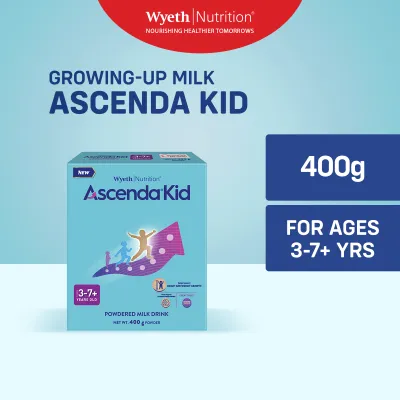
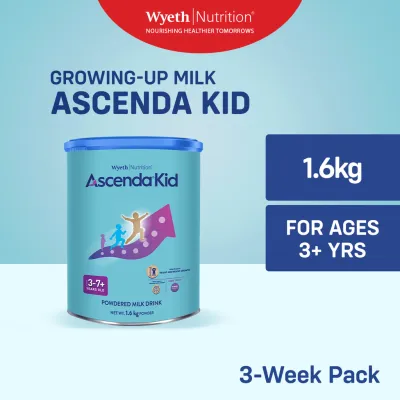
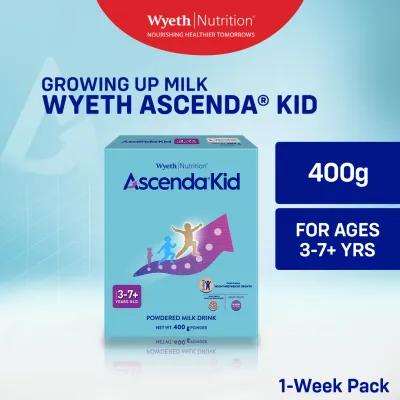
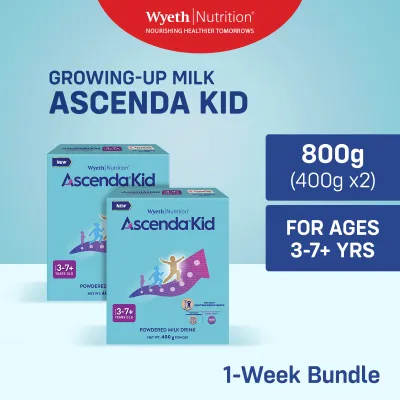
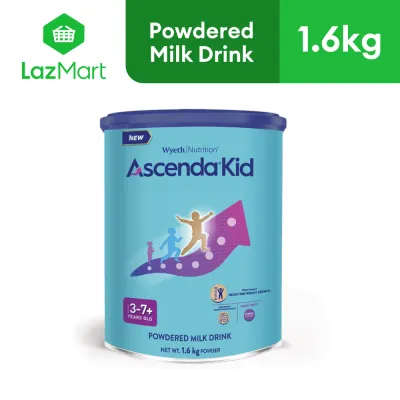
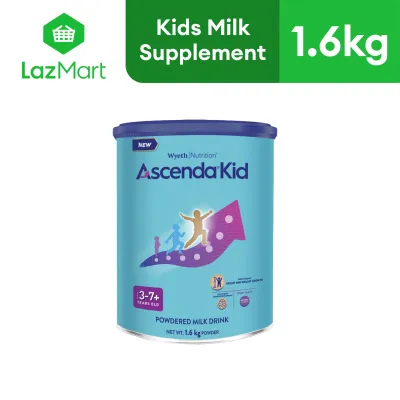
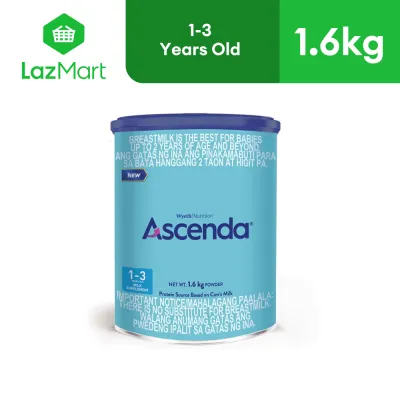
Prices are valid at publication and may change. Please refer to the product page for the latest price.
Understanding the Primary Focus of Each Milk Brand
Every milk brand designs its formula with a specific developmental philosophy in mind. Understanding these core focus areas helps you quickly narrow down which brand aligns best with your child’s current physical and cognitive needs.
Acenda kid milk is positioned as a balanced, everyday nutritional option for growing children. Its formulation philosophy centers on providing a reliable safety net of essential vitamins and minerals. It is designed for parents who want to ensure their children receive a steady baseline of daily nutrients, particularly during phases of picky eating or when transition diets are inconsistent. Acenda focuses on overall nutritional balance rather than heavily emphasizing one specific developmental niche.
Nido has long been recognized for its focus on physical growth, bone development, and immune support. Its formulations are traditionally fortified with high levels of calcium, vitamin D, and zinc to support the rapid skeletal growth of active toddlers. Many Nido variants also include specific fiber blends to support daily digestion, making it a popular choice for parents of highly active children who need robust physical support.
NAN is highly regarded for its focus on digestive comfort and early-stage immunity. Developed with a strong emphasis on nutritional science, NAN formulas often feature optimized protein blends that are easy on a toddler’s developing stomach. Many of its product lines incorporate active probiotic cultures and prebiotic fibers, aiming to build a healthy gut microbiome, which is a critical foundation for a strong immune system.
Enfagrow is widely known for its emphasis on cognitive development and brain support. Its marketing and formulation heavily highlight DHA (docosahexaenoic acid), an omega-3 fatty acid that serves as a primary building block for brain and eye development. Enfagrow also includes a blend of other brain-supporting nutrients, such as iron, iodine, and choline, making it a go-to option for parents who want to prioritize mental focus and cognitive milestones.
While these general brand directions are helpful guides, parents must remember that formulations can vary significantly. A brand’s specific nutritional profile changes depending on the exact product line, the age stage (such as Step 3 or Step 4), and even regional packaging. Always verify the actual nutrition label on the specific tin or pouch you plan to purchase.
Key Nutritional Dimensions to Check on the Label
When comparing Acenda, Nido, NAN, and Enfagrow side-by-side, looking past the front-of-pack marketing and diving into the nutrition facts panel is essential. Focus on three primary dimensions: macronutrients, essential micronutrients, and functional additives.

First, evaluate the macronutrient profile, which includes proteins, fats, and carbohydrates. Look at the source of protein; some formulas use standard cow’s milk protein, while others may use partially hydrolyzed proteins, which are broken down into smaller pieces for easier digestion. For carbohydrates, check whether the formula relies primarily on lactose (the natural sugar found in milk) or if it contains added sugars like sucrose, corn syrup solids, or maltodextrin. Minimizing added sugars is highly beneficial for preventing early childhood tooth decay and establishing healthy taste preferences.
Second, compare the levels of essential micronutrients. In the Philippines, these values are often listed alongside the Recommended Energy and Nutrient Intakes (RENI) percentages. Pay close attention to calcium and vitamin D, which work together to build strong bones and teeth. Check the iron and zinc levels as well; these minerals are crucial for preventing anemia and supporting a healthy immune system, especially during the active toddler years when children are exposed to more environmental pathogens.
Third, look closely at functional additions and additives. If cognitive development is a priority, compare the exact milligrams of DHA per serving across the brands. If your child experiences occasional constipation or gas, check for the presence of prebiotics (such as GOS, FOS, or inulin) and active probiotics (such as Bifidobacterium lactis). Additionally, take note of any artificial flavorings, such as vanilla or chocolate, which are sometimes added to improve palatability but may increase your child’s preference for sweetened beverages.
Matching the Formula to Your Child's Specific Needs
No single formula is perfect for every child, but you can use a conditional framework to match a brand’s specific strengths to your child’s observable health profile and daily habits.
You might choose Acenda if you are looking for a straightforward, balanced nutritional supplement that covers essential daily vitamins and minerals without a heavy focus on specialized cognitive or digestive additives. It is highly suitable for children who already eat a relatively diverse diet of solid foods but need a reliable, budget-friendly daily milk to fill minor nutritional gaps.
Conversely, you might choose Nido, NAN, or Enfagrow based on specific developmental priorities:
- Choose Nido if your child is highly active, growing rapidly, and you want to prioritize bone strength and physical development with a formula rich in calcium and vitamin D.
- Choose NAN if your child has a sensitive stomach, is prone to mild digestive discomfort, or if you want to focus on building gut health and natural immunity through active probiotics and easy-to-digest proteins.
- Choose Enfagrow if you want to maximize your child's intake of DHA and other cognitive-supporting nutrients, especially if your child does not regularly consume DHA-rich foods like fish or eggs.
However, standard growing-up milks may not fit your child’s needs if they have diagnosed medical conditions. If your child has a confirmed cow’s milk protein allergy (CMPA), severe lactose intolerance, or a metabolic disorder, standard formulas can cause serious adverse reactions. In these situations, your child will require specialized, hypoallergenic, amino acid-based, or lactose-free formulas prescribed by a healthcare professional.
Always pause the selection process and consult a pediatrician if you observe signs of food intolerance or allergy. These symptoms include persistent vomiting, chronic diarrhea, blood in the stool, unexplained skin rashes or hives, or a consistent failure to gain weight. A qualified professional can help you identify the root cause and recommend a safe, targeted feeding plan.
What to Verify on the Packaging Before Buying
Before finalizing your purchase at a local supermarket or an online marketplace, take a few moments to carefully inspect the physical packaging. This step ensures the product is safe, authentic, and appropriate for your child’s current developmental stage.
First, confirm that the exact age stage matches your child’s age. Growing-up milks are carefully calibrated for specific age brackets (such as 1 to 3 years, or 3 years and older). Giving a formula designed for older children to a younger toddler can strain their developing kidneys and digestive system, as the protein and mineral concentrations are often higher in advanced stages.
Second, check the packaging for clear allergen warnings and ingredient exclusions. If your child has a known sensitivity to soy, gluten, or fish, read the fine print to ensure there is no risk of cross-contamination. This is also the time to verify the sugar content; look at the ingredient list to see where sucrose or corn syrup solids are positioned. Ingredients are listed in descending order of weight, so if sugars are near the top, the formula is highly sweetened.
Third, review the preparation and storage instructions carefully. In the hot and humid tropical climate of the Philippines, proper storage is critical to prevent spoilage and insect infestation. Ensure the packaging is completely sealed, with no dents, tears, or punctures. Once opened, powder formulas absorb moisture from the air very quickly, which can lead to clumping and bacterial growth. Always store the container in a cool, dry place—never in the refrigerator, as the temperature change when opening the tin can cause condensation to form inside.
Finally, pay close attention to the recommended water-to-powder ratio. Under-diluting the milk (adding too much powder) can lead to dehydration and constipation, while over-diluting (adding too much water) deprives your child of essential calories and nutrients. Always use the scoop provided inside that specific tin, as scoop sizes vary significantly between different brands and even between different stages of the same brand.
Frequently Asked Questions (FAQ)
Is it safe to mix different brands of kid milk?
Mixing different brands of milk powder in a single bottle is generally not recommended. Each brand has a unique formulation, scoop size, and specific water-to-powder ratio designed to deliver a precise concentration of nutrients. Mixing them can easily result in a mixture that is too concentrated or too diluted, which can strain your child’s kidneys or cause digestive upset. If you need to transition your child from one brand to another, it is safer to do so gradually by replacing one full feed at a time over several days, rather than mixing the powders together.
When should a child transition away from growing-up milk?
Most pediatric guidelines suggest that healthy children with a well-rounded diet of solid foods can begin transitioning to pasteurized whole cow’s milk or unsweetened plant-based alternatives around the age of two. Growing-up milks are primarily designed as nutritional safety nets for toddlers who may be picky eaters or have specific dietary gaps. If your child eats a diverse range of fruits, vegetables, proteins, and whole grains, they may not need specialized growing-up milk. Consult your pediatrician to assess whether your child’s solid food intake is sufficient to support a complete transition to regular milk.
Community discussion
Share your experience or ask a question. Comments are reviewed before publication.