
Caring for a baby’s delicate skin in a tropical climate like the Philippines presents a unique set of challenges. The constant interplay between outdoor humidity and indoor air conditioning can easily disrupt a baby’s fragile skin barrier, leading to dryness, irritation, or heat rashes. For parents seeking ethical, plant-based skincare solutions, finding a high-quality vegan lotion is a top priority. However, navigating the baby care aisle requires more than just picking up a bottle with a green leaf on the label. To find the most suitable vegan lotion for your baby, you must learn to decode ingredient lists, verify third-party certifications, and understand how different plant-based formulations behave on infant skin.
A truly effective baby lotion must support the skin’s natural moisture barrier without causing irritation or clogging pores. Because infant skin is significantly thinner and loses moisture more rapidly than adult skin, the choice of moisturizer is critical. By focusing on verified vegan and cruelty-free products, you ensure that your baby’s skincare routine is free from animal-derived ingredients and has not been subjected to animal testing. This guide provides a comprehensive framework to help you evaluate products, identify beneficial plant-based ingredients, avoid common irritants, and safely source authentic lotions in the local market.
Understanding Vegan and Cruelty-Free Labels for Baby Skincare
When searching for ethical baby skincare, it is easy to get lost in a sea of marketing buzzwords. Terms like “vegan,” “cruelty-free,” “natural,” and “organic” are often used interchangeably on product packaging, but they carry distinct meanings that directly impact your purchasing decisions. Understanding these differences is the first step in building a reliable shortlist of potential lotions for your baby.
Products mentioned in this guide
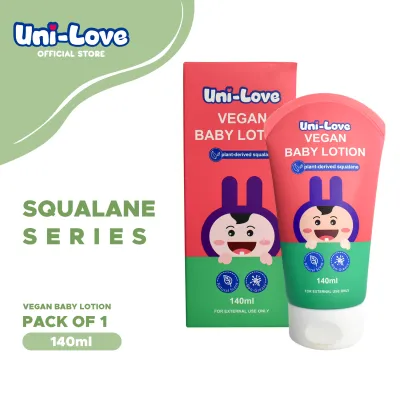
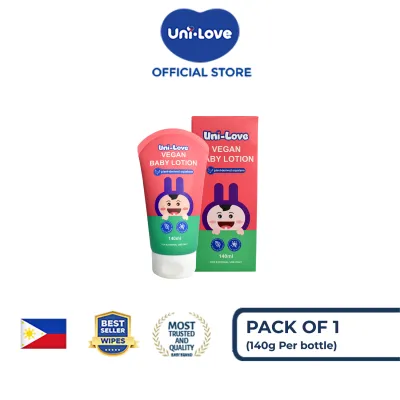
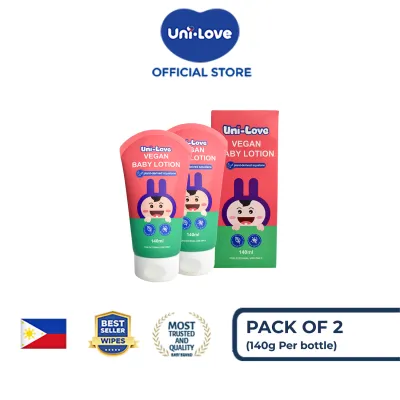
Prices are valid at publication and may change. Please refer to the product page for the latest price.
A “vegan” label signifies that the product contains absolutely no animal-derived ingredients or byproducts. This means the formulation excludes common skincare components like lanolin (derived from sheep’s wool), beeswax, honey, collagen, and animal-derived squalene. However, a product labeled as vegan is not automatically “cruelty-free.” The term “cruelty-free” specifically means that neither the final product nor its individual ingredients were tested on animals at any stage of development. To ensure a baby lotion meets both standards, you should look for products that carry both designations, as a vegan product could theoretically still be tested on animals in certain jurisdictions, and a cruelty-free product might still contain animal ingredients like beeswax.
To navigate these claims confidently, look for recognized third-party certification logos on the packaging. Organizations such as The Vegan Society, Vegan Action, or the Vegetarian Society provide official vegan certifications after verifying the manufacturer’s ingredient sourcing. For cruelty-free verification, look for the Leaping Bunny logo (administered by the Coalition for Consumer Information on Cosmetics) or the PETA Beauty Without Bunnies logo. These independent certifications offer a level of assurance that goes beyond self-declared marketing claims, helping you identify genuine products quickly.
It is also crucial to recognize that “natural” or “organic” labels do not guarantee a product is vegan or safe for sensitive baby skin. A “natural” lotion may still contain animal-derived ingredients like milk proteins or honey, which are natural but not vegan. Furthermore, natural ingredients can still be highly irritating to a baby’s sensitive skin. For instance, certain plant extracts or essential oils can trigger allergic reactions or contact dermatitis. Therefore, while organic and natural ingredients can be beneficial, they must always be cross-referenced with vegan certifications and a thorough check for potential irritants.
Key Ingredients to Seek and Avoid in Baby Lotions
The ingredient list on the back of a baby lotion bottle is your most reliable tool for assessing its safety and efficacy. When evaluating plant-based moisturizers, you want to look for ingredients that mimic the skin’s natural lipids and provide gentle, long-lasting hydration. At the same time, you must actively screen out animal-derived substances and common chemical irritants that could compromise your baby’s skin barrier.

Beneficial plant-derived emollients and humectants are the foundation of a high-quality vegan baby lotion. Emollients work by filling in the micro-gaps between skin cells, smoothing the skin and locking in moisture. Excellent vegan emollients include shea butter, cocoa butter, and high-quality plant oils such as sunflower seed oil, jojoba oil, and sweet almond oil. Humectants, on the other hand, draw moisture from the air into the skin. Plant-derived glycerin, aloe vera, and hyaluronic acid are outstanding humectants that keep baby skin plump and hydrated without feeling heavy or greasy in humid tropical weather.
Conversely, you must learn to spot common non-vegan ingredients that frequently appear in traditional baby lotions. Lanolin, a greasy substance obtained from sheep’s wool, is a popular emollient in baby creams but is not vegan and can occasionally trigger allergies in sensitive individuals. Beeswax (listed as cera alba) is often used to thicken lotions and balms, while animal-derived squalene or collagen may be included for their moisturizing properties. By carefully reading the ingredient list, you can ensure these animal-derived components are absent from your chosen product.
Beyond verifying the vegan status of the ingredients, you must also screen for potential irritants that have no place in a baby’s skincare routine. Synthetic fragrances are a primary cause of skin sensitization and allergic reactions in infants; look for “fragrance-free” labels rather than “unscented,” as unscented products may still contain masking fragrances. Essential oils, such as lavender, eucalyptus, or tea tree oil, are often marketed as natural remedies but can be highly irritating and sensitizing to delicate baby skin. Additionally, avoid harsh preservatives like parabens, formaldehyde releasers (such as DMDM hydantoin), and phenoxyethanol if your baby has extremely sensitive or eczema-prone skin.
How to Evaluate and Build Your Lotion Shortlist
With a clear understanding of labels and ingredients, you can begin constructing a shortlist of vegan baby lotions. This process involves evaluating the physical product, analyzing the transparency of the manufacturer, and establishing a safe protocol for introducing the new lotion to your baby’s skin. Taking a systematic approach minimizes the risk of purchasing unsuitable products and helps you find a formulation that fits your daily routine.
Start by examining the structure and transparency of the ingredient list. Ingredients are listed in descending order of concentration, meaning the first few ingredients make up the bulk of the product. In a high-quality baby lotion, water or aloe vera juice should be followed closely by beneficial plant oils or butters, rather than synthetic fillers or mineral oils. A shorter ingredient list is generally preferable for sensitive baby skin, as it reduces the statistical likelihood of an adverse reaction to an obscure additive or preservative.
Next, look for specific clinical claims and professional endorsements on the packaging. Terms like “dermatologist-tested,” “hypoallergenic,” and “pediatrician-approved” indicate that the manufacturer has subjected the formulation to safety evaluations. While these terms are not strictly regulated, reputable brands will often provide detailed information on their testing methodologies on their official websites. If your baby has a specific skin condition like eczema, look for seals of acceptance from recognized dermatological or pediatric associations, which verify that the product meets strict safety criteria for compromised skin barriers.
The design of the packaging is another practical consideration that affects both hygiene and ease of use. In the Philippines’ warm and humid climate, open-mouth jars are highly susceptible to bacterial contamination, as dipping fingers into the product introduces moisture and microbes. Pump dispensers or squeeze tubes are much more hygienic options, as they limit exposure to air and contaminants. Additionally, pump bottles allow for easy, one-handed dispensing during diaper changes or post-bath routines, making them highly convenient for busy caregivers.
Before applying any new vegan lotion to your baby’s entire body, it is essential to perform a patch test. Apply a small, pea-sized amount of the lotion to a clean area of your baby’s skin, such as the inner forearm or behind the ear. Observe the area closely over a 24-hour period for any signs of redness, swelling, itching, or tiny bumps. If the skin remains clear and calm, you can proceed with full-body application. If any reaction occurs, wash the area gently with cool water and discontinue use immediately.
Where to Buy and How to Verify Authentic Products
Sourcing authentic vegan baby lotions in the Philippines requires careful selection of retail channels. The rise of online shopping has made a wide variety of international and local plant-based brands accessible, but it has also increased the risk of encountering counterfeit, expired, or improperly stored products. Protecting your baby’s skin means ensuring that the product you purchase is genuine and has been handled correctly throughout the supply chain.
To guarantee authenticity, prioritize purchasing directly from authorized brand websites, official flagship stores on major ecommerce platforms, or reputable physical baby boutiques and pharmacies. Many international vegan brands have official distributors in the Philippines who maintain dedicated online storefronts. Buying from these official channels ensures that you are receiving genuine products that have been imported and stored under temperature-controlled conditions, preserving the integrity of the natural preservatives used in vegan formulations.
When browsing general online marketplaces, be vigilant against common red flags that indicate counterfeit or compromised products. Unusually low prices that seem too good to be true are a primary warning sign. Additionally, pay close attention to customer reviews, looking for mentions of unusual consistency, off-putting smells, or damaged packaging. Avoid sellers who cannot provide clear information about the product’s origin or those who list products with blurred or missing batch codes, as these codes are vital for tracking manufacturing dates and potential product recalls.
As soon as your package arrives, perform a physical inspection of the product before opening it. Check the expiration date and the Period After Opening (PAO) symbol, which is typically represented by an open jar icon with a number (e.g., 6M or 12M), indicating how many months the product remains safe to use after opening. Verify that the safety seal is intact and that there are no signs of leakage or tampering. If the lotion has separated, smells rancid, or has an unusual color, do not use it on your baby, as natural and vegan ingredients can degrade quickly if exposed to extreme heat during transit or storage.
Finaly, familiarize yourself with the return and exchange policies of the retailer before making a purchase. Because baby skin is highly unpredictable, even the cleanest vegan formulation can occasionally cause an individual sensitivity. Reputable retailers and official brand stores often have clear policies regarding returns or exchanges for products that cause an adverse skin reaction. Keeping your receipt and documenting any skin reaction with photos can help facilitate a smooth return process if the lotion turns out to be unsuitable for your baby.
Frequently Asked Questions (FAQ)
Can I use adult vegan lotions on my baby?
You should avoid using adult vegan lotions on your baby’s skin. An infant’s skin barrier is up to thirty percent thinner than an adult’s, making it far more permeable and susceptible to absorbing topical chemicals. Adult formulations often contain higher concentrations of active ingredients, anti-aging compounds, and synthetic fragrances that can easily overwhelm and irritate a baby’s delicate skin. Baby-specific vegan lotions are formulated with milder ingredients, lower concentrations, and strict safety margins to ensure they do not disrupt the natural development of your baby’s skin barrier.
How often should I apply lotion to my baby's skin?
The frequency of lotion application depends largely on your baby’s skin type and the local environmental conditions. In the Philippines, where high humidity is common, a single daily application after bath time is often sufficient to lock in moisture. Bathing can strip natural oils from the skin, making the immediate post-bath window the ideal time to apply a thin layer of vegan lotion. However, if your baby spends significant time in air-conditioned rooms, which can dry out the air, or if they have naturally dry or eczema-prone skin, you may need to apply lotion two to three times a day, focusing on dry patches on the elbows, knees, and cheeks.
What should I do if my baby reacts to a new vegan lotion?
If your baby exhibits any signs of a skin reaction, such as redness, hives, swelling, or localized dry patches after applying a new lotion, stop using the product immediately. Gently wash the affected area with lukewarm water and a mild, soap-free cleanser to remove any remaining lotion residue, then pat the skin dry with a clean, soft towel. Avoid applying any other scented products or home remedies to the irritated skin. Monitor the reaction closely; if the redness spreads, if your baby seems in pain or highly uncomfortable, or if you notice signs of infection like oozing or blisters, consult your pediatrician immediately for professional guidance and treatment.

Community discussion
Share your experience or ask a question. Comments are reviewed before publication.