
Starting your baby on solid foods is an exciting milestone, and introducing beloved characters like Hello Kitty, My Melody, or Cinnamoroll can make mealtime highly engaging. To find a suitable Sanrio plate set for babies starting solids in the Philippines, parents must balance playful aesthetics with strict safety standards, reliable suction capabilities, and durable, food-grade materials. While character designs capture a baby’s attention, the physical functionality of the plate determines how smoothly your daily weaning routine will run. A well-designed plate does more than hold food; it serves as a developmental tool that encourages self-feeding, sensory exploration, and motor skill refinement.
Quick Guide to Sanrio Weaning Plates
When selecting a Sanrio-themed plate set for a baby starting solids, the primary goal is to find a balance between engaging character designs and functional weaning needs. Babies are naturally drawn to bright colors and familiar faces, which can help reduce mealtime anxiety and create a positive association with sitting at the highchair. However, visual appeal should never overshadow utility.
The top three non-negotiable checks for any weaning plate are food-grade materials, secure suction bases, and age-appropriate sizing. Food-grade silicone or high-quality, BPA-free plastics ensure that no harmful chemicals leach into warm purees or finger foods. A strong suction base prevents the plate from becoming a flying projectile, saving parents from constant cleanups. Lastly, the plate must fit the physical dimensions of your highchair tray and match your baby’s current portion sizes.
Products mentioned in this guide
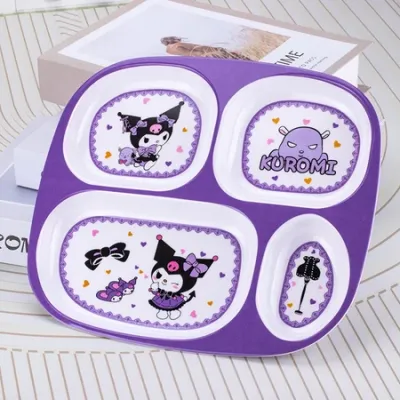
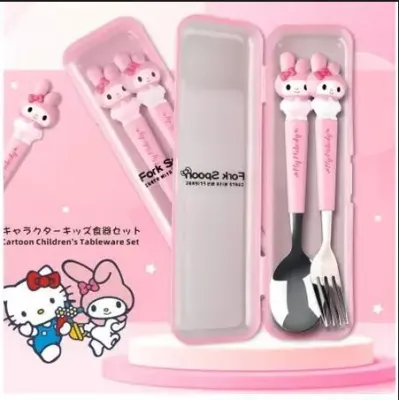
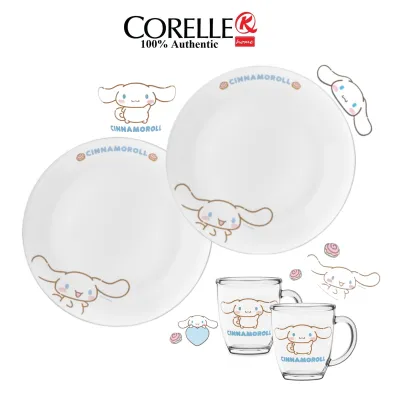
Prices are valid at publication and may change. Please refer to the product page for the latest price.
Given the abundance of character-themed merchandise online, parents must prioritize authentic, safety-certified sets over unverified novelty items. While a cheap, generic plate featuring a printed cartoon character might look appealing, it often lacks the structural integrity, safety certifications, and heat resistance required for daily infant feeding. Investing in a genuine, certified Sanrio set ensures peace of mind and long-lasting durability.
Essential Features for Babies Starting Solids
A successful weaning journey relies heavily on the physical design and functionality of your baby’s tableware. The foremost feature to evaluate is the suction base strength and its corresponding release mechanism. During the early stages of starting solids, babies love to explore gravity by lifting, throwing, and flipping objects. A robust suction base keeps the plate firmly anchored to the highchair tray, allowing your baby to focus on scooping food rather than wrestling with the dish. Look for plates that feature a hidden or recessed suction pad, which prevents curious little fingers from easily finding the edge and peeling it off. A convenient release tab, accessible only from the parent’s side, is essential for quick and mess-free removal once mealtime is over. Keep in mind that suction performance depends heavily on the highchair tray’s material. While smooth plastic or glass surfaces allow for an airtight seal, textured plastic or wooden trays often let air seep under the suction cup, causing it to release easily.

Compartment layouts play a crucial role in how you present food and how your baby learns to eat. Divided sections are highly beneficial for babies starting solids, as they allow parents to separate different food textures and flavors. For instance, you can place a smooth puree of local squash in one section, soft steamed broccoli florets in another, and a small portion of mashed avocado in a third. This separation helps babies identify individual tastes and textures, which is a key step in preventing picky eating habits later on. Conversely, single-bowl designs are excellent for early purees, soupy dishes like rice porridge, or cereal mixtures where separation is not required. Having a mix of both divided plates and simple bowls in your Sanrio collection ensures you are prepared for any meal type.
Ergonomic considerations are equally important for supporting early self-feeding. The plate should feature easy-grip edges or raised rims that allow small hands to stabilize themselves while reaching for food. Additionally, you must verify the compatibility of the plate with standard highchair trays. Many character-themed plates feature wide, whimsical shapes—such as Hello Kitty’s ears or My Melody’s hood—which can make the overall footprint quite large. Measure your highchair tray’s flat surface area before purchasing to ensure the suction base can make full, airtight contact without hanging over the curved edges of the tray. A plate that is too large will sit at an angle, completely compromising the suction seal.
Ease of cleaning is a daily practical concern, especially in the warm, humid climate of the Philippines. Weaning plates must be easy to wash and quick to dry to prevent the buildup of bacteria or mold in hidden crevices. Check if the plate is dishwasher-safe, though handwashing with mild, baby-safe dish soap is often preferred to preserve the integrity of printed designs. In tropical environments, high humidity can slow down drying times, making it crucial to store silicone plates in a well-ventilated area rather than closed cupboards while still damp. Furthermore, look for materials that offer high stain resistance. Highly pigmented local foods, such as squash, carrots, papaya, or tomato-based sauces, can easily discolor light-colored silicone or plastic. High-quality, non-porous silicone is generally more resistant to staining and does not retain food odors after a thorough wash.
Safety Standards and Material Verification
Before any tableware comes into contact with your baby’s food, it must undergo rigorous safety checks and material verification. The most critical step is verifying that the plate is made from food-safe, non-toxic materials. Always check the official packaging for explicit labels indicating that the product is BPA-free, PVC-free, and phthalate-free. Bisphenol A and other plasticizers are known endocrine disruptors that can leach into food, particularly when heated. Authentic Sanrio baby products are manufactured under strict quality control standards, but parents must remain vigilant and read the fine print on the packaging to ensure compliance with international food safety standards. One simple, observable check for silicone quality is the pinch test: pinch and twist a flat section of the plate. If white shows through the material, it likely contains cheap chemical fillers, whereas pure food-grade silicone will retain its solid color throughout the pinch.
Understanding temperature limits is another vital safety aspect, particularly when preparing and sterilizing baby dishes. Do not assume that all silicone or plastic plates are universally heat-proof. You must verify microwave, oven, and sterilizer compatibility directly from the manufacturer’s instructions. In many Filipino households, steam sterilizers, UV sterilizers, or boiling water are standard methods for sanitizing baby gear. If a plate is not rated for high temperatures, exposing it to these sterilization methods can cause warping, material degradation, or the release of harmful chemical fumes. Always check the maximum temperature limit, usually embossed on the bottom of the plate or detailed in the user manual, before heating or sterilizing.
Choking hazards must be carefully evaluated, especially with character-themed merchandise that may feature decorative elements. Inspect the plate thoroughly for any detachable 3D character parts, loose accessories, or peeling prints. Some novelty plates have small, glued-on plastic figures or decorative plugs that can easily break off if the plate is dropped or chewed on by a teething baby. Additionally, avoid plates with cheap, painted-on graphics that can flake or peel over time, as these paint chips can be ingested. Genuine Sanrio baby plates typically use food-grade silicone with molded-in details or high-quality, food-safe inks that are sealed beneath a protective layer to prevent peeling.
Finally, always match the manufacturer’s recommended age and developmental stage to your baby’s current weaning phase. Some plate sets are designed for older toddlers who have already mastered self-feeding and do not require strong suction bases or soft, flexible rims. For a baby just starting solids (typically around six months of age), you need a plate specifically designed for early weaning. These plates feature softer materials that are gentle on sensitive gums, shallower compartments for easy scooping, and highly secure suction bases to manage the initial, messy phase of food exploration. Using a plate designed for an older child too early can lead to unnecessary frustration and spills.
Building Your Shortlist: Types of Sets to Consider
To build a practical shortlist of Sanrio plate sets, parents should use a conditional framework that aligns with their specific weaning approach and daily routine. Rather than searching for a single, elusive ideal model, categorize your options based on their functional designs to find the best fit for your household.
Suction plate and bowl combos are generally the best choice for active babies who are in the early, exploratory phase of starting solids. If your baby has a tendency to grab, lift, and throw objects, a dedicated suction plate or a deep suction bowl is indispensable. These individual pieces are highly focused on stability, ensuring that the food stays on the table while your baby practices using a spoon or picking up finger foods. They are ideal for daily purees, mashed fruits, and simple finger foods where a full multi-piece set is not yet necessary.
Multi-piece sets that include matching cups, bowls, plates, and utensils are ideal for parents who want a coordinated, all-in-one transition system. These comprehensive sets are highly practical as your baby progresses from simple purees to more complex, multi-component meals. They often feature matching training cups with easy-grip handles and soft-tipped spoons that are gentle on developing gums. A coordinated Sanrio set not only looks beautiful on the dining table but also ensures that all your feeding tools share the same high safety standards and material compatibility.
Snack catchers and mini-plates represent another category to consider, particularly as your baby grows and begins practicing fine motor skills. These smaller, lightweight dishes are designed for dry, bite-sized snacks like puffed grains, soft fruit slices, or small pieces of steamed vegetables. While they may not always feature heavy-duty suction bases, their compact size makes them incredibly convenient for travel, dining out, or quick snack times in the living room. They allow older babies to practice the pincer grasp in a controlled, manageable space.
It is important to note that specific product availability fluctuates constantly across different retail platforms. Instead of searching for a single universal model that may be out of stock, use these functional categories—suction combos, multi-piece sets, and snack plates—to filter your options. Focus on the structural features that match your baby’s current developmental stage, and then select the Sanrio character design that brings the most joy to your mealtime routine.
Smart Shopping: Finding Authentic Sets in the Philippines
Finding authentic Sanrio baby merchandise in the Philippines requires a strategic approach to avoid counterfeit products that could compromise your baby’s safety. The safest route is to purchase directly from authorized retailers, official brand stores on major e-commerce platforms, or reputable brick-and-mortar baby specialty shops located in major shopping malls. Established department stores and dedicated mother-and-baby boutiques carry licensed Sanrio products that have undergone proper customs inspection and local safety evaluations.
When shopping online, parents must be highly vigilant against red flags that indicate counterfeit items. One of the most obvious indicators is an unusually low price. If a complete multi-piece silicone plate set is listed for under ₱200, it is highly likely a counterfeit, as authentic licensed merchandise involves manufacturing, licensing, and import costs that reflect a higher retail price. Other red flags include misspelled character names on the packaging, poor print quality with blurry or misaligned graphics, a strong chemical or plastic odor upon opening, and the complete absence of official Sanrio licensing stickers or safety certification marks.
Additionally, always check the seller’s return policies and warranty conditions before finalizing your purchase. Reliable sellers of authentic baby products will offer clear return windows and customer support in case the product arrives damaged or fails to perform as expected. For instance, if the suction base fails to adhere to standard surfaces upon its first use, or if the material shows signs of degradation after a standard wash, a reputable seller will facilitate a replacement or refund. Prioritizing authorized channels ensures that you are receiving a genuine, non-toxic product designed specifically for your baby’s health and safety.
Frequently Asked Questions (FAQ)
Can I put Sanrio silicone plates in the microwave?
Microwave safety depends entirely on the specific manufacturer’s specifications, not just the base material of the plate. While high-quality, food-grade silicone is naturally heat-resistant, you must look for explicit microwave-safe symbols or text on the product’s base or original packaging before heating. Never assume a plate is microwave-safe simply because it is made of silicone. Some Sanrio plates may feature metallic paints, non-removable plastic character toppers, or internal structural reinforcements that cannot withstand microwave radiation. Always verify the thermal limits in the user manual to prevent warping, melting, or chemical leaching.
How do I stop the suction plate from sticking too firmly to the highchair tray?
To manage a suction plate that sticks too firmly, start by ensuring the highchair tray surface is completely clean, dry, and free of oily food residue before attaching the plate. Oily surfaces can actually create an uneven seal that makes the plate difficult to remove cleanly. When purchasing, look for Sanrio plate sets that feature a designated lift tab or release valve on the edge of the suction base, which allows you to break the vacuum seal effortlessly. Avoid using excessive force, knives, or sharp kitchen utensils to pry the plate off, as this can easily tear the silicone material or permanently scratch your highchair tray.
Are Sanrio plate sets suitable for baby-led weaning (BLW)?
Sanrio plate sets can be highly suitable for baby-led weaning (BLW), provided they feature the right structural design. Divided sections are excellent for BLW because they keep different finger foods separated, allowing babies to easily identify and grab different items like steamed vegetables, soft fruits, or small pieces of meat. For early BLW, choose plates with shallow, wide compartments that give your baby’s hands plenty of room to scoop and grasp food without obstruction. Remember that while a sturdy suction plate is an excellent tool to minimize mess, active caregiver supervision is always required during BLW to monitor your baby and ensure safe swallowing.
Community discussion
Share your experience or ask a question. Comments are reviewed before publication.