
Transitioning your toddler from a baby bottle or breastfeeding to a cup is a significant developmental milestone. In the warm and humid tropical climate of the Philippines, keeping your active child hydrated throughout the day is a constant priority. However, introducing a regular open cup too early often leads to soaked clothes, messy floors, and endless cleanups.
No-spill cups offer a practical bridge during this transition, allowing toddlers to develop their motor skills without the constant mess. With a vast array of designs available on the market, choosing the right cup requires balancing your child’s oral development, material safety, and the daily realities of maintaining hygiene in a humid environment. Understanding what to look for will help you select a cup that supports your toddler’s growth while keeping your home dry.
Understanding Your Toddler's Drinking Milestones
As toddlers grow, their oral motor skills and swallowing patterns undergo rapid changes. Traditional sippy cups with hard, rigid spouts have long been a household staple, but they function similarly to baby bottles. Drinking from a hard spout requires a toddler to use an immature sucking motion, where the tongue moves forward under the spout. While convenient, relying on these cups for too long can delay the development of mature swallowing patterns.
Products mentioned in this guide
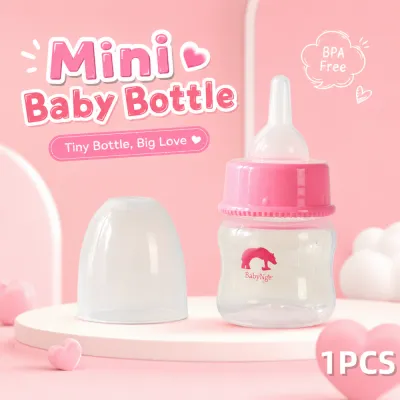
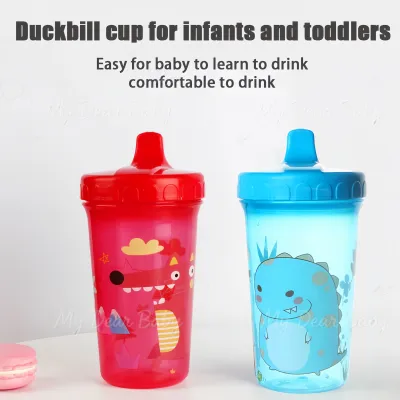
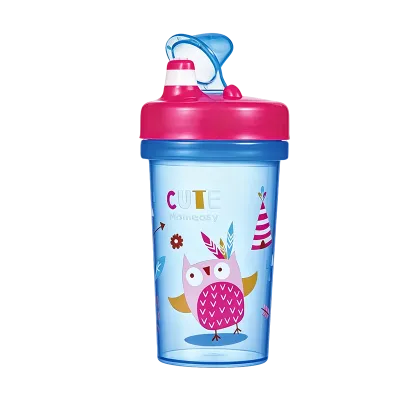
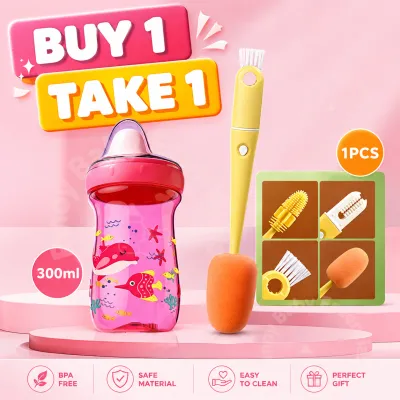
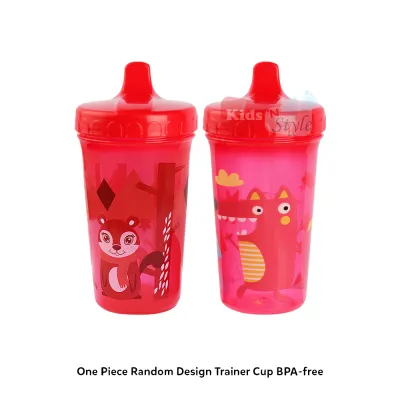
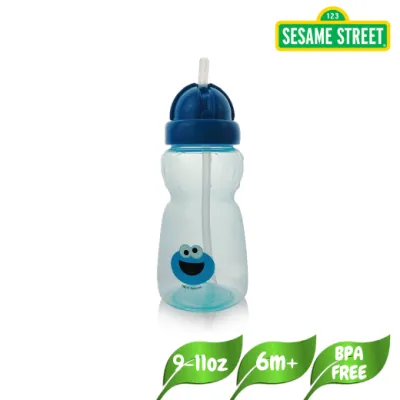
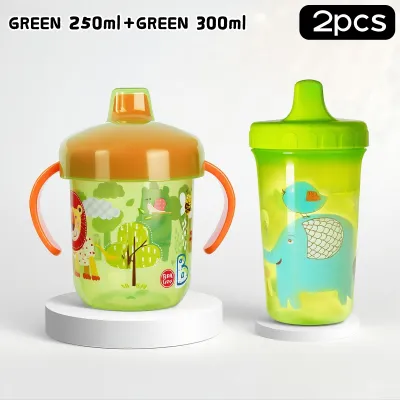
Prices are valid at publication and may change. Please refer to the product page for the latest price.
Pediatric dentists and speech-language pathologists generally recommend moving away from hard spouts as your child transitions into toddlerhood. Instead, introducing straw cups or 360-degree rim cups encourages healthier oral muscle development. Straw cups require the lips to seal tightly around the straw and the tongue to retract, which helps strengthen the muscles used for speech and mature swallowing.
Another excellent option is the 360-degree trainer cup, which allows your child to drink from any side of the rim. This design mimics the action of drinking from a regular open cup but uses a silicone valve to prevent spills. When the toddler presses their upper lip against the silicone seal, the liquid flows, teaching them how to tip a cup and control their sip without a sudden flood of water.
Recognizing when your toddler is ready for a specific cup style depends on their physical cues rather than their exact age. If your child can sit upright independently, shows curiosity about your own drinking glasses, and can grasp objects with both hands, they are likely ready to try a straw or 360-degree cup. Introducing these designs early in toddlerhood helps ease the eventual transition to standard open cups.
Essential Features to Evaluate Before Buying
When evaluating no-spill cups, the valve mechanism is the most critical component determining how well the cup prevents leaks. Truly leak-proof cups typically feature a one-way silicone valve that requires active suction to release liquid. While these are excellent for travel, some toddlers may find the suction required too difficult initially. Spill-resistant options, on the other hand, allow a freer flow of liquid but may drip if shaken vigorously or dropped from a high chair.

Material safety is another paramount consideration for any product that comes into contact with your child’s food or drink. Always inspect product labels to ensure the cup is free from Bisphenol A (BPA), polyvinyl chloride (PVC), and phthalates. In the tropical heat of the Philippines, cups are frequently exposed to high temperatures during sterilization or when left in a warm car, making high-quality, food-grade silicone and polypropylene (PP) or Tritan plastics the safest choices.
Cleaning complexity is a feature that parents often overlook until they are faced with a mold issue. The high humidity in the Philippines creates an ideal environment for mold and bacteria to thrive in tight spaces. Multi-part silicone valves, sliding straw covers, and narrow straw tubes can easily trap moisture and milk residue if not thoroughly cleaned and dried.
Before making a purchase, examine how easily the cup can be completely disassembled. Avoid designs with permanently attached parts or deep, unreachable crevices. Opt for cups that are dishwasher-safe or those that come with specialized cleaning brushes designed to reach inside straws and small valve openings. A cup that is difficult to clean will quickly become a hygiene hazard.
Selecting the Right Cup for Different Daily Scenarios
Matching the cup design to your family’s daily routine can prevent frustration and keep your toddler hydrated in various settings. For mealtime use at home, prioritizing easy cleaning and open-cup preparation is key. Since spills are easier to manage on dining tiles or plastic high-chair trays, you can choose a 360-degree cup or a simple weighted straw cup that allows your child to practice drinking from different angles while sitting upright.
For on-the-go adventures, travel-friendly features become the top priority. Whether you are commuting, visiting a park, or running errands in an air-conditioned mall, you need a cup with a secure locking lid or a flip-top cover that protects the straw or rim from dirt. Look for durable, impact-resistant materials that can withstand being dropped onto concrete, and ensure the seal is robust enough to prevent leaks inside a packed diaper bag.
Nighttime or crib use requires a different set of safety considerations. Pediatric health professionals strongly advise against letting toddlers sleep with a cup of milk or juice, as prolonged exposure to sugars can lead to rapid tooth decay. If your child needs water nearby during warm nights, choose a highly leak-resistant cup with a simple, slow-flow valve to prevent choking hazards and keep the bedding dry.
Building and Verifying Your Product Shortlist
When shopping on local e-commerce platforms or visiting physical baby boutiques in the Philippines, it is important to verify manufacturer claims. Do not rely solely on product titles that promise a “perfect” or “100% leak-proof” experience. Instead, look for detailed product specifications and cross-reference them with verified customer reviews to see how the cup performs in real-world conditions.
Be cautious of red flags in product descriptions, such as vague material claims like “eco-friendly plastic” without specifying if the material is food-grade and BPA-free. Legitimate manufacturers will clearly state compliance with international safety standards, such as those set by the US Food and Drug Administration (FDA) or European Union regulations. If a brand cannot provide clear material specifications, it is best to look elsewhere.
Setting a realistic budget is also essential, as prices for quality toddler cups in the Philippines can range from ₱200 to over ₱1,000. While a premium cup may seem like a significant investment, it often proves more economical if the manufacturer offers replaceable parts. Check if you can easily purchase replacement silicone straws, valves, and seals locally. Being able to replace a worn-out straw rather than buying a whole new cup will save you money in the long run.
When and How to Transition to an Open Cup
No-spill cups are incredibly helpful for managing messes, but they are meant to be temporary training tools rather than permanent fixtures. Pediatric guidelines suggest aiming to transition your child to a regular open cup by around two years of age. Prolonged reliance on no-spill valves can limit the development of the refined lip and tongue movements needed for mature drinking habits.
To begin the transition, look for signs of readiness, such as your toddler being able to hold a cup with two hands and bringing it to their mouth with control. Start by offering a small, durable, open cup during supervised mealtimes. Using a small cup filled with only a few sips of water minimizes the mess of inevitable spills while giving your child the realistic practice they need to build confidence.
Managing spills is a natural part of the learning process, so keeping a rag or paper towel nearby is essential. To protect your child’s emerging teeth, limit the habit of allowing them to carry a no-spill cup filled with milk or juice around the house for continuous sipping. Restricting sweet drinks to scheduled mealtimes and offering water in between helps protect their dental health while they master the art of drinking from an open cup.
Frequently Asked Questions (FAQ)
Do no-spill cups affect a toddler's speech development?
Prolonged and exclusive use of traditional spouted cups can potentially influence speech development. Sucking on a hard spout keeps the tongue in a forward, low position, which is similar to the infantile swallowing reflex. Over time, this can affect the strength and coordination of the tongue and lip muscles needed to produce clear speech sounds. Using straw cups and 360-degree rim cups helps promote a mature swallowing pattern and supports healthy oral motor development. If you have concerns about your child’s speech progress or swallowing habits, consult a pediatric speech therapist or dentist for professional guidance.
How can I effectively clean and maintain the silicone valves?
To prevent mold buildup, disassemble all parts of the cup immediately after each use, especially if it was filled with milk or juice. Wash the components thoroughly in warm, soapy water using a mild, baby-safe dishwashing liquid. Use a specialized, thin straw brush to clean inside the silicone valves, straws, and small crevices where residue can easily hide. Allow all parts to air dry completely in a well-ventilated area before reassembling the cup. Regularly inspect the silicone parts for any signs of wear, tears, or black mold spots; if you notice any damage or persistent discoloration, discard and replace the valve immediately.
Community discussion
Share your experience or ask a question. Comments are reviewed before publication.