
During the rainy season, safeguarding children from mosquito bites becomes a top priority for parents. Mosquito bracelets for kids have emerged as a popular, low-effort tool to help shield little ones from disease-carrying insects. However, while these wearable bands offer a convenient layer of defense, they are not a magic shield against dengue. To protect your child effectively, it is essential to understand how these bracelets work, what their limitations are, and how to select and use them as part of a broader, multi-layered defense strategy.
When shopping for a mosquito bracelet, your primary focus should be on verifying the active ingredients, ensuring a secure and comfortable fit, and confirming that the product is age-appropriate for your child. Because these bands rely on localized scent barriers, they work best when paired with physical barriers like protective clothing and environmental controls around the home. By learning how to evaluate product labels and avoid misleading marketing claims on online marketplaces, you can make an informed decision that keeps your child comfortable and safe.
Understanding Mosquito Bracelets and Dengue Risk
To make the best use of mosquito bracelets, parents must first understand the science behind them. Most children’s mosquito bands utilize volatile plant-based essential oils, such as citronella, lemongrass, eucalyptus, and peppermint. These oils naturally release a strong scent that masks the carbon dioxide and lactic acid human bodies naturally emit. By masking these cues, the bracelet makes it much harder for mosquitoes to locate and land on your child’s skin.
Products mentioned in this guide
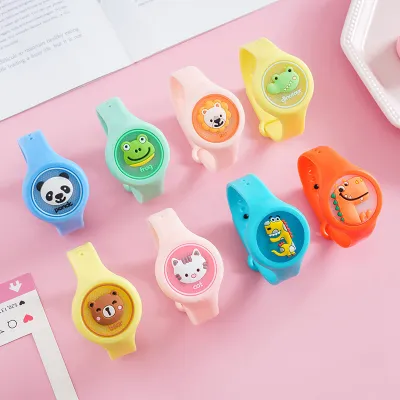
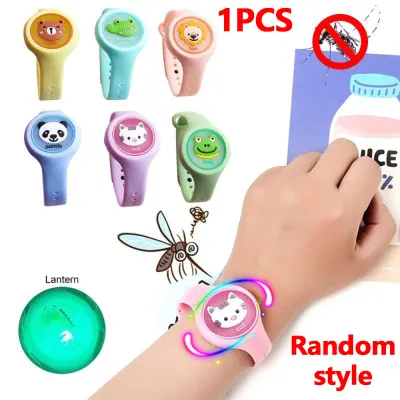
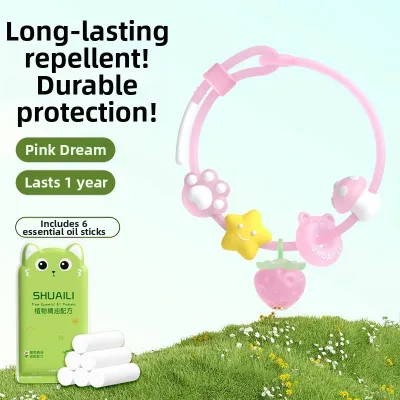
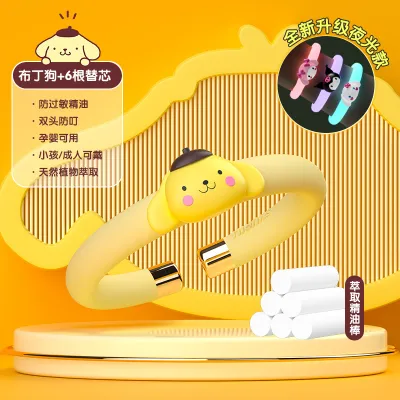
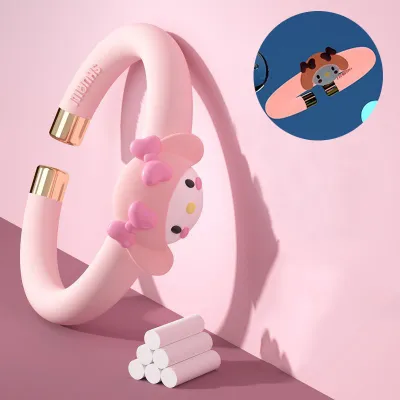
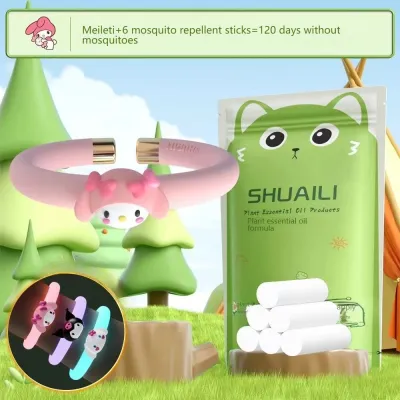
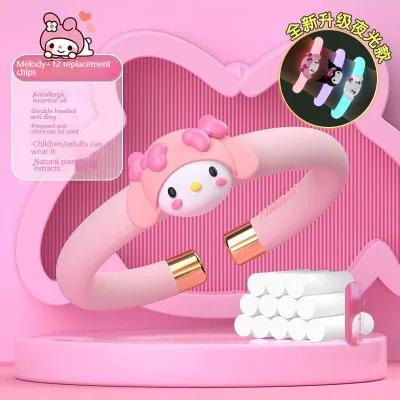

Prices are valid at publication and may change. Please refer to the product page for the latest price.
This mechanism differs significantly from traditional topical chemical repellents. While topical lotions or sprays are applied directly to the skin to create a physical barrier that deters mosquitoes upon contact, bracelets rely on spatial repellency. This means the protective effect is concentrated in the immediate air space surrounding the band.
Because of this spatial limitation, a single bracelet worn on the wrist provides a restricted radius of protection. While it may help keep mosquitoes away from your child’s hand and lower arm, it offers minimal defense for their legs, neck, or face. This localized coverage is a critical factor to keep in mind, especially when dealing with Aedes mosquitoes, the primary vectors of dengue.
The Aedes mosquito is a highly persistent daytime biter that thrives in warm, humid tropical environments. During the rainy season, when sudden downpours leave pockets of standing water across neighborhoods, the mosquito population surges. Because these insects are active during school hours and outdoor play times, relying solely on a wristband is rarely sufficient. Instead, parents should view these bracelets as a convenient, supplementary layer of protection rather than a standalone solution.
Key Features to Evaluate When Choosing a Bracelet
When browsing the wide variety of mosquito bracelets available, focusing on material safety is paramount. Children have highly sensitive skin that can easily react to harsh synthetic materials or concentrated oils. Look for bands made from hypoallergenic, non-toxic, and flexible materials such as food-grade silicone, soft microfiber, or breathable neoprene. These materials are less likely to trap sweat and cause chafing, which is especially important in hot and humid climates.

Active ingredient transparency is another crucial factor. Always check the product packaging or online listing for a complete list of ingredients. Safe options for children typically feature natural plant extracts, but you must verify that the concentration is appropriate for young skin. Avoid products that use vague terms like “natural fragrance” without specifying the exact oils used, as these can sometimes contain hidden synthetic chemicals or common allergens.
A secure and adjustable fit ensures the bracelet remains effective without posing a safety hazard. Children are constantly moving, running, and playing, so a loose band can easily slip off and get lost. Conversely, a band that is too tight can restrict blood circulation or cause skin irritation. Look for designs with adjustable snap buttons, hook-and-loop fasteners, or flexible slap-band mechanisms that can easily adapt to growing wrists and ankles.
Finally, consider the water resistance and overall durability of the bracelet. Tropical weather can be highly unpredictable, with sudden afternoon showers or humid play sessions that lead to heavy sweating. A high-quality mosquito bracelet should be water-resistant, meaning the active repellent ingredients or essential oil pods will not wash away or lose their potency immediately upon contact with water. Durable construction ensures the band can withstand daily wear and tear at school or on the playground.
Safety Precautions and Proper Usage for Children
While mosquito bracelets are generally user-friendly, parents must observe strict safety precautions to protect their children from accidental harm. First and foremost, always adhere to the manufacturer’s age restrictions. Many essential-oil-based bracelets are not recommended for infants under six months or toddlers who are still in the oral stage of development. Young children may be tempted to chew on the colorful bands, which can lead to the accidental ingestion of concentrated oils.
Before allowing your child to wear a new mosquito bracelet for an entire day, it is highly recommended to perform a localized patch test. Have your child wear the band for a short period—perhaps an hour or two—under close supervision. Afterward, remove the band and inspect the skin underneath for any signs of redness, swelling, itching, or hives. If any irritation occurs, discontinue use immediately and wash the area with mild soap and water.
Correct placement of the bracelet can also minimize risks while maximizing coverage. If your child has sensitive skin on their wrists, consider fastening the band around their ankle instead. This keeps the strong scent further away from their face and eyes, reducing the risk of respiratory irritation or eye watering from potent essential oils. Additionally, never place a mosquito bracelet over broken skin, open wounds, or active rashes, as the concentrated oils can cause severe stinging and inflammation.
As a caregiver, you must remain vigilant and supervise your child while they wear any accessory. If your child complains of a headache, dizziness, or nausea, or if you notice them coughing or rubbing their eyes, remove the bracelet immediately. Store unused bracelets and replacement refills in their original, sealed packaging, completely out of reach of curious toddlers and pets.
Integrating Bracelets into a Complete Dengue Protection Strategy
To achieve the highest level of protection during the peak dengue season, mosquito bracelets should be integrated into a comprehensive, multi-layered defense plan. One of the most effective ways to protect your child is by combining wearable repellents with physical barriers. Dress your child in light-colored, loose-fitting clothing with long sleeves and long pants whenever they play outdoors. Light colors are less attractive to mosquitoes, and the physical fabric makes it much harder for insects to reach the skin.
Protecting your indoor environment is equally critical. Ensure that your home is equipped with intact window and door screens to prevent mosquitoes from entering living spaces. For younger children and infants during naptime, utilizing a well-fitted bed net provides an excellent, chemical-free barrier. Because Aedes mosquitoes are most active during daylight hours, maintaining these indoor physical barriers throughout the day is vital.
Environmental management around your home is the most sustainable way to reduce dengue risks. Regularly inspect your yard, balcony, or immediate neighborhood for any sources of stagnant water. Empty and scrub flowerpot saucers, clear clogged roof gutters, cover water storage drums tightly, and discard any unused containers that can collect rainwater. Eliminating these breeding sites directly disrupts the mosquito life cycle, drastically reducing the local insect population.
For situations where your child will be highly exposed to mosquitoes—such as outdoor field trips, hikes, or visits to areas with active dengue cases—consult your pediatrician. A qualified healthcare professional can recommend safe, age-appropriate topical repellents containing active ingredients like low-concentration DEET or picaridin. These can be applied to exposed skin or clothing to provide robust, scientifically backed protection that complements the localized action of a wristband.
Navigating Product Claims on E-commerce Platforms
Shopping for mosquito bracelets on local e-commerce platforms requires a critical eye. Online marketplaces are often flooded with cheap, unbranded options that make exaggerated claims. Be highly skeptical of listings that use absolute terms like “100% dengue-proof,” “completely mosquito-free,” or “medical-grade protection.” No wearable device can guarantee absolute protection against mosquito bites or viral transmission, and such claims are major red flags.
When evaluating products online, prioritize listings that provide clear manufacturer details, a transparent list of active ingredients, and proper usage instructions. Legitimate brands will clearly state whether their products are compliant with local consumer safety standards. Avoid buying unlabelled bulk packs that arrive in plain plastic bags without any ingredient information or safety warnings.
Take the time to read verified buyer reviews, paying close attention to feedback from other parents. Look for reviews that mention how long the scent actually lasts, whether the band material caused any skin irritation, and how well the fasteners hold up during active play. Keep in mind that while a product may have a high overall rating, individual reviews often reveal practical drawbacks, such as a scent that is too overpowering for indoor use or bands that snap easily.
Lastly, check the expiration dates or shelf life of the bracelets and their replacement inserts. Essential oils are highly volatile and will naturally degrade and lose their potency over time, even when stored in sealed packaging. If you plan to purchase bracelets in bulk to last throughout the entire rainy season, verify with the seller that the stock is fresh and has a reasonable shelf life remaining.
Frequently Asked Questions (FAQ)
Do mosquito bracelets provide adequate protection indoors and outdoors?
Mosquito bracelets offer localized, spatial protection that is highly dependent on the surrounding environment. Indoors, where airflow is relatively stable, the volatile essential oils can create a more consistent scent barrier around the wearer. However, outdoors, wind and active movement can quickly disperse the protective scent, significantly reducing the bracelet’s efficacy. Because of these environmental variables, bracelets should always be paired with other protective measures, especially in outdoor settings.
How often should the repellent inserts or bracelets be replaced?
The lifespan of a mosquito bracelet varies widely depending on its design and the specific active ingredients used. Some disposable bands are designed for single-use and last only a few hours, while others feature refillable slots with pellet inserts that can last for several days or weeks. Always refer to the manufacturer’s packaging for the exact replacement schedule. If you notice the characteristic scent of the essential oils has completely faded, it is time to replace the insert or the band itself.
Can my child wear multiple bracelets for stronger protection?
While it might seem logical to place multiple bracelets on your child to increase their protection, doing so is generally not recommended. Wearing too many bands simultaneously can expose your child to an excessively high concentration of volatile essential oils. This intense exposure can lead to skin irritation, headaches, watery eyes, or respiratory discomfort, particularly in enclosed spaces. Instead of layering multiple bracelets, focus on combining one properly fitted band with protective clothing and safe topical repellents.
Community discussion
Share your experience or ask a question. Comments are reviewed before publication.