
Finding the right eczema treatment cream for a baby in the Philippines requires a careful balance between deep hydration and climate-appropriate formulation. The tropical heat and high humidity can easily exacerbate infant skin conditions, making heavy, occlusive products uncomfortable or even counterproductive if they trap sweat. Rather than searching for a single, universally acclaimed product, parents must learn to evaluate topical creams based on their specific ingredients, texture, and suitability for sensitive skin.
Managing infant eczema is a continuous process of supporting a delicate, developing skin barrier. Because baby skin is thinner and loses moisture much faster than adult skin, it is highly susceptible to environmental triggers, allergens, and friction. By understanding how to identify genuine eczema symptoms, decode product labels, and apply creams effectively, you can keep your baby comfortable and minimize the frequency of uncomfortable flare-ups.
Recognizing Baby Eczema and the Role of Skin Barrier Creams
Before selecting a topical treatment, it is essential to distinguish infant eczema from other common childhood skin conditions. Dry skin is typically characterized by mild flaking or roughness without significant redness or itching. Heat rash, locally known as bungang-araw, presents as tiny, raised red bumps in areas where sweat collects, such as the neck, armpits, and diaper area, and usually resolves quickly once the baby is kept cool and dry. Infant eczema, or atopic dermatitis, typically appears as dry, red, highly itchy patches that commonly affect the cheeks, outer joints of the arms and legs, and the torso.
Products mentioned in this guide
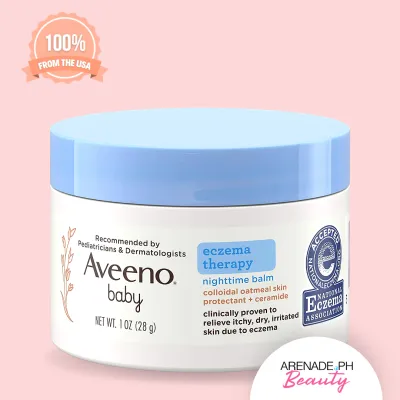
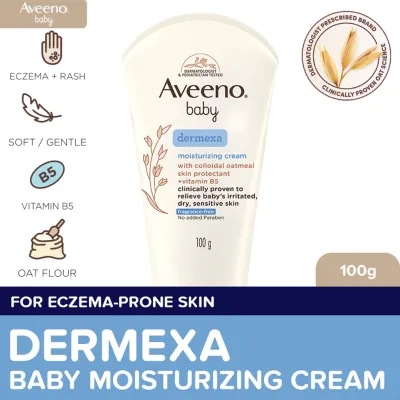
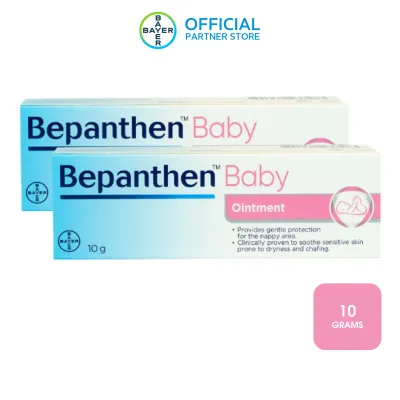
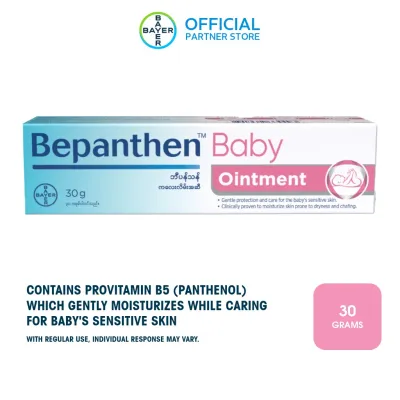
Prices are valid at publication and may change. Please refer to the product page for the latest price.
Topical creams play a critical role in managing eczema by addressing the underlying structural issues of the skin barrier. In a baby with eczema, the outer layer of the skin lacks the necessary lipids to retain moisture and keep irritants out. Emollients and barrier repair creams work by filling the microscopic gaps between skin cells, creating a protective shield that locks in hydration and prevents external allergens from triggering an inflammatory response.
It is important for parents to understand that over-the-counter creams are designed to manage symptoms and support skin health, rather than cure the condition. Eczema is a chronic, complex condition with genetic and environmental components. Daily application of barrier creams helps maintain the skin’s moisture levels, reduces the severity of flare-ups, and minimizes the itching that can lead to scratching and secondary infections, but it does not eliminate the underlying tendency toward sensitive skin.
Decoding Labels: Ingredients to Seek and Avoid
Reading the ingredient list on a product label is the most reliable way to determine whether a cream is safe and effective for your baby’s eczema. Look for ingredients that actively support barrier repair and soothe irritation. Ceramides are highly beneficial lipids that naturally occur in the skin and help rebuild the protective barrier. Colloidal oatmeal is another widely recognized ingredient that forms a soothing, protective layer over the skin, helping to relieve itching and reduce redness. Petrolatum, or petroleum jelly, is an exceptionally effective occlusive that prevents moisture loss without irritating sensitive skin.

Conversely, parents must actively avoid ingredients that can trigger contact dermatitis or worsen inflammation. Artificial fragrances and perfumes are the most common culprits behind allergic skin reactions in infants and should be completely avoided. Harsh preservatives, such as parabens, methylisothiazolinone, and formaldehyde releasers, should also be filtered out. While drying alcohols can strip the skin of its natural oils, fatty alcohols like cetearyl alcohol are generally safe and help stabilize the cream’s texture.
When browsing products, you will frequently encounter terms like “hypoallergenic” and “pediatrician-tested.” While these labels suggest that the product has been formulated to minimize the risk of allergic reactions and has undergone basic safety evaluations, they are not regulated medical terms. They do not guarantee absolute safety or compatibility with your baby’s unique skin. Always read the full ingredient list rather than relying solely on front-of-package marketing claims.
Choosing the Right Format: Creams, Ointments, and Lotions
Topical moisturizers come in several formats, each offering a different balance of oil and water. Ointments are thick, oil-based formulations that provide the strongest occlusive barrier, making them highly effective for severe, localized dry patches. Creams are emulsions of oil and water, offering a balanced, rich texture that is easy to spread while still providing substantial hydration. Lotions contain a high water content, making them lightweight and fast-absorbing, but they evaporate quickly and may not provide sufficient protection for active eczema.
In the warm and humid climate of the Philippines, the physical comfort of the formulation is a major consideration. Heavy ointments can trap sweat and heat against the skin, potentially leading to heat rash or increased itching during the hottest parts of the day. Many parents find success by using a lightweight, non-greasy cream for daytime application and reserving thicker ointments for nighttime use or when the baby is resting in an air-conditioned room.
| Format | Texture | Best Use Case | General Absorption Rate |
|---|---|---|---|
| Ointments | Thick, greasy, oil-based | Severe dry patches, overnight protection | Slow, leaves a protective layer |
| Creams | Rich, smooth, balanced | Daily maintenance, moderate flare-ups | Moderate, absorbs with light patting |
| Lotions | Thin, watery, lightweight | Mild dryness, large body areas in hot weather | Fast, requires frequent reapplication |
Building a Safe Product Shortlist for Your Baby
To find a suitable eczema cream without relying on unverified marketing claims, establish a systematic selection and testing process. This structured approach helps protect your baby’s skin from unnecessary irritation while ensuring you choose a practical, sustainable option.
- Step 1: Filter candidates by safety and availability. Begin by identifying products specifically formulated for infants that are free from added fragrances, dyes, and common irritants. Ensure these products are readily available through authorized local pharmacies, official brand stores, or reputable online marketplaces to guarantee product authenticity.
- Step 2: Perform a patch test. Before applying any new cream to your baby's face or body, perform a localized patch test. Apply a small, pea-sized amount of the cream to a clear, unaffected area of skin, such as the inside of the baby's forearm or the side of the neck.
- Step 3: Monitor the area for 24 to 48 hours. Keep the patch test area dry and observe it closely over the next one to two days. Watch for any signs of adverse reactions, including increased redness, swelling, tiny bumps, or signs of itching and discomfort. If any reaction occurs, wash the area immediately and discontinue use.
- Step 4: Evaluate long-term sustainability. Because eczema management requires consistent, daily application, evaluate the price range in ₱ and the consistency of local supply. Choosing a product that fits your budget and is easy to restock prevents sudden interruptions in your baby's skincare routine.
Application Techniques for Maximum Relief
How you apply an eczema cream is just as important as the product you choose. To maximize moisture retention, apply the cream immediately after bathing your baby. Bathing hydrates the skin, but this moisture will quickly evaporate if it is not sealed in. Applying the cream within three minutes of taking the baby out of a lukewarm bath locks in that essential hydration.
For severe, stubborn dry patches, you can utilize the “soak and smear” technique. This involves letting your baby soak in a lukewarm bath for 10 to 15 minutes to thoroughly hydrate the skin. Afterward, gently pat the baby’s skin with a soft cotton towel, leaving it slightly damp, and immediately apply a generous layer of cream or ointment to the affected areas. This method helps deeply rehydrate compromised skin barriers.
Always practice gentle application to avoid mechanical irritation. Ensure your hands are thoroughly washed and clean before touching the cream or your baby’s skin to prevent introducing bacteria. Apply the cream using gentle, downward patting motions rather than vigorous rubbing. Rubbing creates friction and heat, which can trigger itching and further damage the delicate skin barrier.
Red Flags: When to Stop and Consult a Pediatrician
While over-the-counter barrier creams are excellent for daily maintenance, parents must remain vigilant for signs that require professional medical attention. Monitor your baby’s skin closely for symptoms of secondary bacterial or viral infections, which can easily enter through cracked or scratched skin. Warning signs include weeping sores, yellow crusting, pus-filled bumps, rapid spreading of redness, or a sudden fever.
If your baby’s eczema does not improve after several days of consistent moisturizing, or if the itching is so severe that it disrupts sleep, feeding, or daily play, over-the-counter emollients may not be sufficient. A pediatrician or pediatric dermatologist can evaluate the severity of the condition and may prescribe targeted topical treatments to safely calm the inflammation.
Additionally, you must stop using any product immediately if your baby shows signs of an allergic reaction or increased distress. If the baby cries or shows discomfort during application, or if the skin turns bright red and warm to the touch shortly after applying the cream, gently wash the product off with cool water and consult your healthcare provider for alternative options.
Frequently Asked Questions (FAQ)
Can I use adult eczema creams on my baby?
No, you should not use adult eczema creams on your baby unless specifically directed by a pediatrician. Infant skin is significantly thinner, more permeable, and absorbs topical ingredients at a much higher rate than adult skin. Adult formulations often contain higher concentrations of active ingredients, stronger preservatives, or botanical extracts that can cause severe irritation, allergic reactions, or systemic side effects in infants. Always select products formulated specifically for babies or those explicitly labeled as safe for infant use.
How often should I apply eczema cream to my baby?
Eczema creams should generally be applied at least two to three times a day, though severe dryness may require more frequent applications. Key times for application include immediately after bathing, after diaper changes when the skin is exposed, and right before bedtime to help prevent overnight itching. Always monitor your baby’s skin throughout the day; if it feels dry or rough to the touch, apply another layer of cream. Refer to the specific product instructions and consult your pediatrician for a personalized application schedule.

Community discussion
Share your experience or ask a question. Comments are reviewed before publication.