
Finding the right rocking horse for kids in the Philippines involves balancing active play with strict safety considerations. A rocking horse is more than just a classic toy; it helps toddlers develop core strength, bilateral coordination, and spatial awareness. However, with various materials and designs available on local ecommerce platforms, parents must look beyond aesthetics to find a toy that suits their child’s developmental stage and the local tropical climate.
Choosing the ideal rocker requires evaluating stability, material durability, and size compatibility. Because tropical humidity can affect wood and fabric, and intense sunlight can degrade outdoor plastics, your choice should also account for where and how the toy will be stored. By focusing on verifiable safety features and physical dimensions, you can select a rocking horse that provides safe, engaging play for your toddler.
Quick Checklist: Essential Features for 1 to 3-Year-Olds
Before purchasing a rocking horse for kids, keep this quick reference checklist in mind to ensure the toy meets essential safety and developmental standards:
Products mentioned in this guide
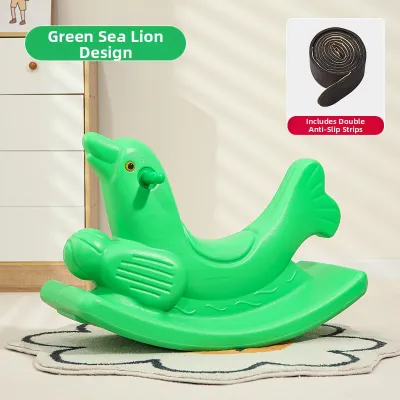
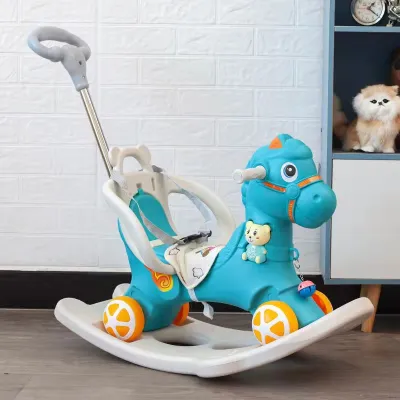
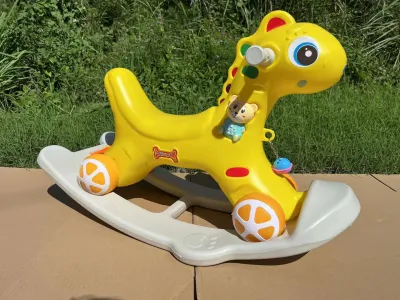

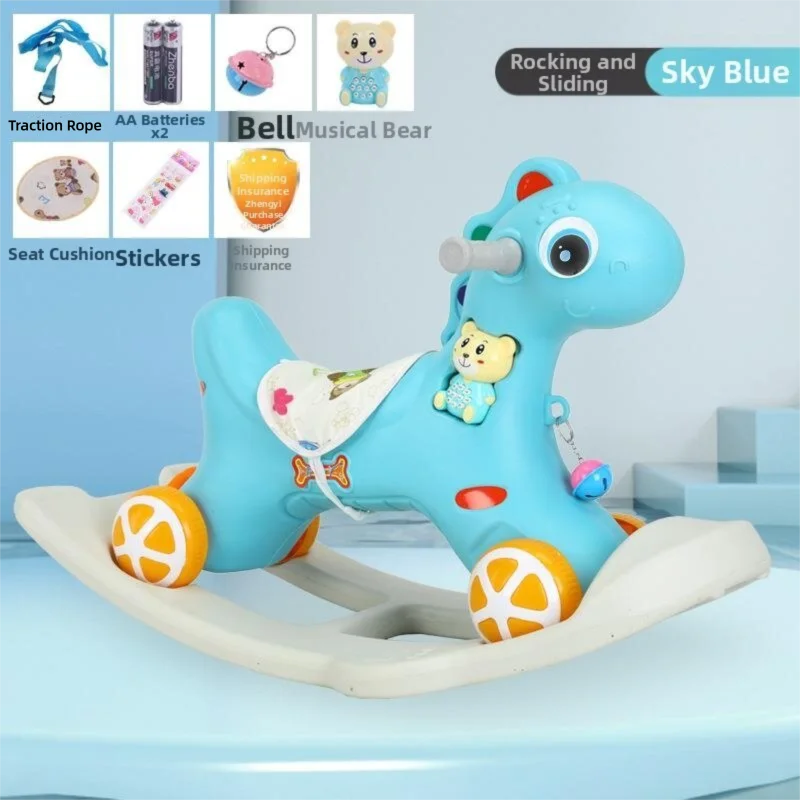
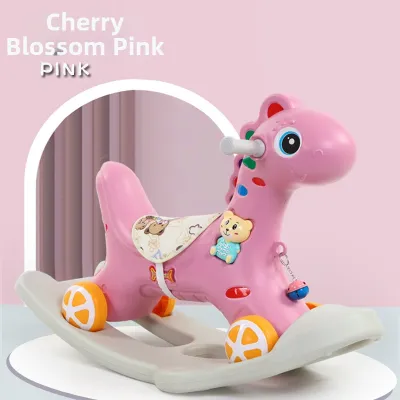
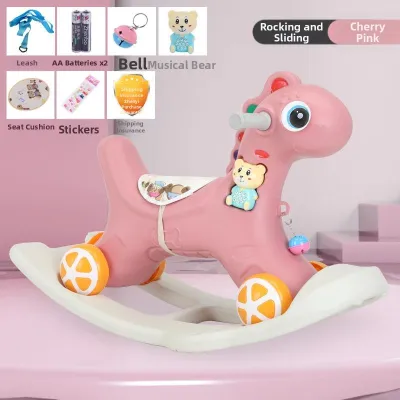
Prices are valid at publication and may change. Please refer to the product page for the latest price.
- Age and Weight Labels: Always verify the manufacturer's specified minimum age and maximum weight limits on the product packaging or manual.
- Anti-Tip Design: Look for a wide base with integrated safety stoppers or curved ends that limit the rocking angle.
- Secure Handgrips: Ensure the handles are small enough for toddler hands to grip firmly and are positioned within easy reach.
- Footrests: Check for dedicated footrests or wide base runners where your child can rest their feet securely while rocking.
- Non-Toxic Materials: Verify that all paints, varnishes, and plastics are labeled as non-toxic, lead-free, and safe for children who may mouth the surfaces.
Evaluating Safety and Stability Before You Buy
Physical stability is the most critical factor when selecting a rocking horse for kids. Toddlers between one and three years old are still developing their balance, meaning their movements can be sudden and energetic. A well-designed rocker must counteract these forces to prevent accidental falls.

To assess stability, examine the curvature and length of the base runners. The runners should extend significantly past the front and rear of the horse’s body. This extended length creates a wider center of gravity, making it much harder for an active toddler to tip the toy forward or backward during vigorous play.
Look closely at the ends of the curved runners for built-in safety stoppers. These are raised wooden or plastic blocks, or flattened runner tips, designed to halt the rocking motion before the toy reaches a dangerous angle. Without these limits, a child rocking with high energy could easily roll the horse completely over.
The relationship between seat height and handle position also dictates stability. The handles must be positioned so that your toddler can hold them comfortably without leaning too far forward. If a child has to stretch excessively to reach the grips, their weight shifts forward, increasing the risk of a front-tip accident.
Finally, inspect the structural integrity of the frame and hardware. All joints should be tightly secured with recessed screws or bolts that do not protrude from the surface. Exposed hardware can snag clothing or scratch delicate skin, while loose joints compromise the overall stability of the toy over time.
Comparing Popular Rocking Horse Designs
Rocking horses come in several distinct materials, each offering unique benefits and trade-offs regarding durability, maintenance, and suitability for the Philippine climate. Understanding these differences helps you choose a style that fits your home environment and cleaning routine.
Traditional Wooden Rockers
Solid wood rocking horses offer a classic aesthetic and exceptional durability, often lasting through multiple generations. Their natural weight provides a solid, grounded feel that enhances stability during use. However, wood requires careful inspection to ensure the surface is completely smooth and free of splinters.
In the humid Philippine climate, untreated wood can absorb moisture, leading to warping or mold growth. When choosing a wooden rocker, verify that it has been treated with a moisture-resistant, non-toxic sealant. These finishes protect the wood from humidity while making it easy to wipe clean with a damp cloth.
Plush Animals on Wooden Bases
Plush rocking horses feature a soft, padded body built over a wooden or metal frame, offering a comfortable and inviting seat for younger toddlers. The padded saddle provides extra cushioning, which can be reassuring for children who are still building confidence in their balance.
The primary challenge with plush rockers in tropical environments is hygiene and maintenance. Fabric covers can trap dust, sweat, and humidity, creating an environment prone to dust mites or mold. Parents should check if the plush cover is removable and machine-washable, or if it requires specialized spot cleaning to maintain cleanliness.
Molded Plastic Rockers
Molded plastic rocking horses are highly practical, lightweight, and exceptionally easy to clean. They are often molded as a single piece, which eliminates the risk of loose screws or joints. This seamless construction makes them highly durable and resistant to rough handling.
Because they are lightweight, plastic rockers often feature wider bases to compensate for the lack of heavy material weight. They are excellent for both indoor and outdoor play, but if you plan to use them on a sunny patio, ensure the manufacturer specifies UV resistance to prevent the plastic from becoming brittle and cracking under intense sunlight.
Matching the Rocker to Your Toddler's Size and Development
A rocking horse is only safe if it matches your child’s current physical proportions and developmental capabilities. While manufacturers provide age recommendations, these are general guidelines rather than absolute rules. Every toddler develops at their own pace, making physical measurements more reliable than age labels alone.
Start by checking the maximum weight capacity specified in the product documentation. Exceeding this limit can stress the joints of wooden models or cause plastic bases to flex, significantly increasing the risk of structural failure. Ensure your child’s weight falls well within the safe operating limit to guarantee longevity.
Next, measure the seat height relative to your child’s inseam. When sitting on the rocker, your toddler’s feet should be able to rest flat on the footrests or the floor runners. If their legs dangle without support, they will struggle to maintain balance and cannot use their legs to control or stop the rocking motion.
The reach to the handles is equally important for safe operation. Your toddler should be able to grasp the handles with a slight bend in their elbows while sitting fully back in the seat. If they must lean forward excessively, their center of gravity shifts, which compromises their stability and control.
Regardless of how perfectly the rocking horse fits your child, constant adult supervision is mandatory during play. Toddlers can easily lose their balance or attempt to climb onto the seat incorrectly. Keeping a watchful eye ensures you can intervene immediately if your child attempts risky maneuvers or shows signs of fatigue.
Inspection and Maintenance for Long-Term Safety
Ensuring the ongoing safety of a rocking horse for kids requires regular inspection and proactive maintenance. Whether you purchase the toy from a local store or an online marketplace, a thorough initial check and routine upkeep are essential to prevent accidents.
Upon unboxing the toy, conduct a comprehensive physical inspection before letting your child near it. Check for any loose screws, missing washers, or misaligned parts that may have occurred during shipping or assembly. Run your hands over all surfaces to detect sharp plastic edges, wooden splinters, or exposed metal threads.
Establish a monthly maintenance routine to check the structural integrity of the rocker. Active play exerts repetitive stress on the toy’s joints, which can cause screws and bolts to loosen over time. Use the appropriate tools to tighten all hardware, taking care not to overtighten and strip the threads, especially on wooden or plastic models.
Cleaning methods must be tailored to the specific material to avoid damaging the toy. For wooden rockers, wipe the surface with a microfiber cloth slightly dampened with mild soapy water, then dry it immediately with a clean towel to prevent moisture absorption. Plastic models can be washed down with a hose or wiped with disinfectant wipes, making them the easiest to sanitize.
For plush models, refer to the manufacturer’s care label for specific instructions. If the cover is not removable, spot clean soiled areas using a damp cloth and a mild, baby-safe detergent. Always allow plush toys to dry completely in a well-ventilated area, away from direct intense sunlight, to prevent mold growth inside the padding.
Finally, know when it is time to retire or pass on the toy. If you notice deep cracks in a plastic base, persistent wobbling in wooden joints that cannot be tightened, or if your child’s knees are bent uncomfortably high when sitting, stop using the rocking horse immediately. Prioritizing safety over continued use protects your child from preventable injuries.
Frequently Asked Questions (FAQ)
At what exact age can a child start using a rocking horse?
Most manufacturers design toddler rocking horses for children starting around 12 months of age. However, chronological age is less important than physical milestones. Your child must be able to sit upright completely unassisted and possess the core strength to maintain balance while moving. Always consult the specific product manual for age recommendations and ensure close adult supervision during every play session.
How can I prevent a rocking horse from tipping over?
To minimize the risk of tipping, always place the rocking horse on a flat, level, and non-slip surface, such as a play mat or a carpeted floor. Avoid using the toy on slick tiled floors where the runners might slide sideways. Teach your child to sit centered in the saddle and supervise them to ensure they do not stand on the seat or rock with excessive force.
What is the best way to clean a plush rocking horse?
Cleaning a plush rocking horse requires checking the manufacturer’s care label first. For non-removable covers, spot clean stains using a soft cloth, warm water, and a mild baby-safe detergent. Avoid soaking the fabric, as excess moisture can seep into the inner padding and cause mold. Ensure the toy dries completely in a well-ventilated room before allowing your child to play with it again.
Community discussion
Share your experience or ask a question. Comments are reviewed before publication.