
Choosing the right baby moisturizing lotion requires looking past colorful packaging and focusing entirely on the ingredient list. Because an infant’s skin is thinner and more permeable than adult skin, what goes onto their body is absorbed rapidly. Selecting products with gentle, barrier-supporting hydrators while actively avoiding common sensitizers is a highly effective way to keep your baby’s skin comfortable and healthy.
In tropical environments, managing baby skincare requires a careful balance. High humidity and heat can lead to sweat retention and heat rash, while constant exposure to indoor air conditioning can strip moisture from delicate skin. Understanding how to read labels helps you choose a lotion that protects against environmental dryness without clogging pores or causing unwanted irritation.
Understanding Your Baby's Skin Barrier and Ingredient Sensitivity
An infant’s skin is a developing organ that behaves differently from adult skin. The outermost layer, known as the stratum corneum, is up to thirty percent thinner in babies than in adults. This structural difference means the skin barrier is less efficient at retaining moisture and more vulnerable to environmental irritants, allergens, and topical chemicals.
Products mentioned in this guide
![[FDA Approved] Tenderoo Baby Moisturizing Lotion Avocado Plant Extract Gentle Safe Soothing 200ml](https://img.lazcdn.com/g/p/c537dad3153611e9e058bdbe2e97956d.jpg_400x400q80.jpg_.webp)
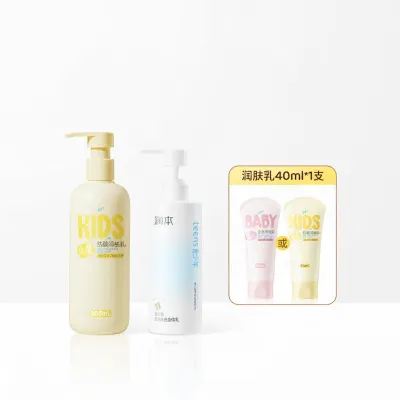
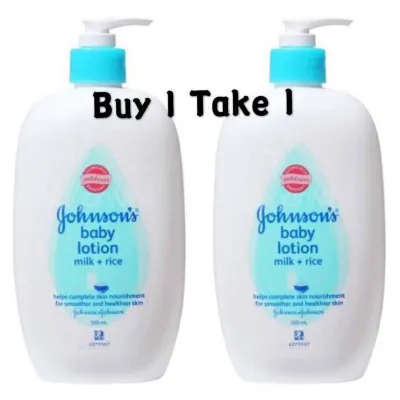
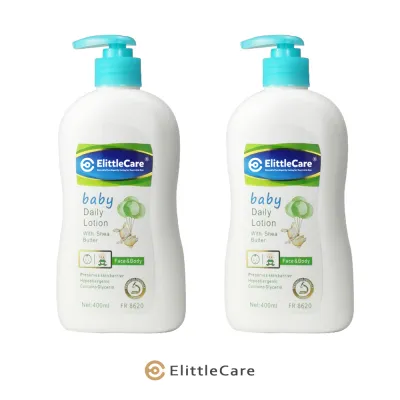
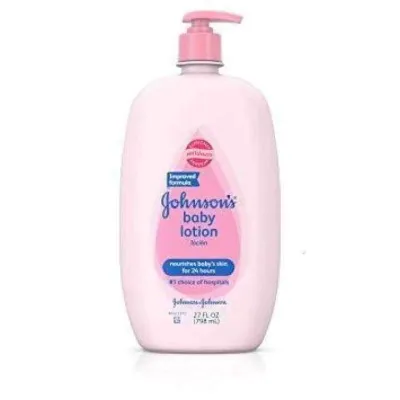
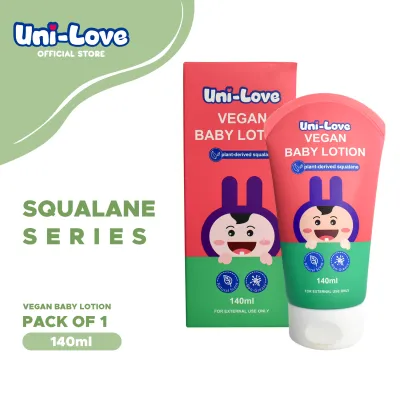
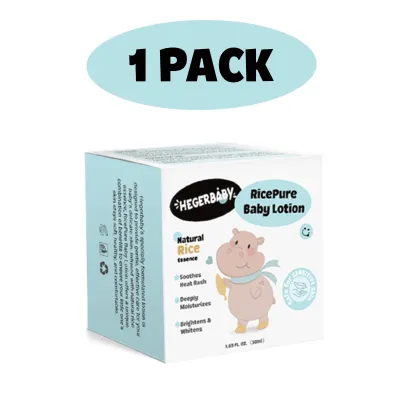
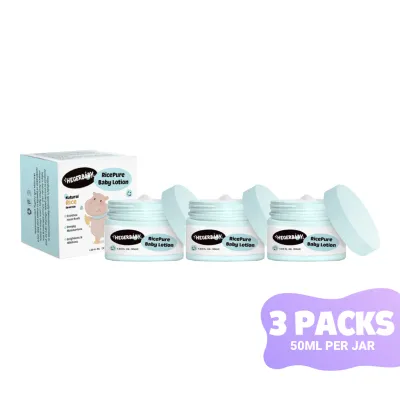
Prices are valid at publication and may change. Please refer to the product page for the latest price.
Additionally, babies have a high surface-area-to-weight ratio compared to adults. Any chemical applied to their skin is absorbed in a higher relative concentration. This physiological reality makes infants sensitive to synthetic additives, harsh preservatives, and strong fragrances that adult skin might tolerate without any visible reaction.
Certain conditions and developmental stages further elevate this sensitivity. Newborn skin is delicate as it transitions to the external environment. If your baby has eczema-prone skin, their barrier is already compromised, making them susceptible to flare-ups. In warm, tropical climates, sweat can trap harsh lotion ingredients against the skin, exacerbating friction and leading to contact dermatitis.
Beneficial Ingredients to Look For on the Label
When scanning the ingredient deck of a baby moisturizing lotion, look for components that mimic and support the skin’s natural moisturizing factors. These ingredients generally fall into three categories: humectants, emollients, and occlusives. A well-formulated lotion combines these elements to hydrate, soften, and protect the skin barrier.

Humectants are molecules that draw water from the air or deeper skin layers into the stratum corneum. Glycerin is a reliable and gentle humectant available for infant skincare, offering hydration without clogging pores. Hyaluronic acid is another effective humectant that helps maintain skin moisture balance, even in dry, air-conditioned nurseries.
Emollients and occlusives work together to soften the skin and seal in the moisture delivered by humectants. Plant-based emollients like shea butter and sunflower seed oil are rich in fatty acids that help replenish the skin barrier. For babies with dry or compromised skin, mineral oil and petrolatum serve as effective, hypoallergenic occlusives that form a protective shield over the skin to help prevent transepidermal water loss.
For targeted barrier repair, look for soothing agents like colloidal oatmeal and ceramides. Colloidal oatmeal is widely recognized for its ability to calm itching and reduce redness, making it a suitable choice for babies experiencing dry patches or mild eczema. Ceramides are naturally occurring lipids that help rebuild the skin’s protective wall, reinforcing its natural defense mechanisms against external irritants.
To match these ingredients to your baby’s needs, consider the local climate and daily activities. During hot, humid days, a lightweight lotion featuring glycerin and light plant oils provides comfortable hydration without feeling heavy or greasy. For nighttime sleep in air-conditioned rooms, a slightly thicker cream containing petrolatum or shea butter helps prevent overnight dryness.
Potential Irritants and Controversial Ingredients to Avoid
Protecting your baby’s skin also means knowing which ingredients to actively avoid. Many commercial lotions contain additives designed to improve shelf life, color, or scent, but these components offer no therapeutic benefit to infant skin and can trigger allergic reactions or contact dermatitis.
Synthetic fragrances and essential oils are among the common causes of skin sensitization in babies. While a scented lotion might make your baby smell pleasant, fragrance mixtures often contain dozens of undisclosed chemicals that can irritate delicate airways and skin. Even natural essential oils, such as lavender, tea tree, or citrus extracts, contain concentrated compounds that can cause redness, itching, and allergic sensitization over time.
Artificial dyes and harsh drying alcohols should also be left off your baby’s skin. Dyes serve a purely cosmetic purpose and add unnecessary chemical exposure. Drying alcohols, such as isopropyl alcohol or denatured alcohol, strip the skin of its natural oils, leading to dryness and cracking. Note that fatty alcohols like cetyl or cetearyl alcohol are different; these are non-drying emollients that help stabilize the lotion and are safe for baby skin.
Preservatives are necessary to prevent bacterial growth in water-based lotions, but some chemical groups carry higher risks of irritation. Parabens, phthalates, and formaldehyde-releasing preservatives (such as DMDM hydantoin or imidazolidinyl urea) are controversial ingredients that parents often prefer to avoid due to concerns over skin sensitivity and potential systemic absorption. Look for alternative, gentle preservative systems on the label.
When shopping, pay close attention to the distinction between “unscented” and “fragrance-free” labels. An “unscented” product may still contain masking fragrances—chemicals added specifically to neutralize the unpleasant smell of other raw ingredients. A truly “fragrance-free” product contains no added scent chemicals or masking agents, making it a safer choice for sensitive infant skin.
Finally, do not assume that “natural” or “botanical” claims automatically guarantee safety. Many plant extracts are known allergens or skin sensitizers. Always evaluate a product by its specific chemical composition rather than relying on green-themed marketing imagery on the front of the bottle.
Decoding Marketing Claims vs. Actual Ingredient Lists
To make informed decisions, you must look past front-of-bottle marketing and learn to read the actual ingredient deck on the back. Ingredients are listed in descending order of concentration. The first few ingredients—usually water, followed by humectants and emollients—make up the vast majority of the product, while ingredients listed near the bottom are present in very small, trace amounts.
Front-label claims like “hypoallergenic,” “dermatologist-tested,” or “pediatrician-approved” are often used as marketing tools and lack strict, standardized legal definitions. A “hypoallergenic” claim simply means the manufacturer has excluded some of the most common allergens, but it does not guarantee your baby will not react to the product. Always cross-reference these claims with the actual ingredient list to verify the absence of fragrances, dyes, and harsh preservatives.
When evaluating a new lotion, use a simple verification checklist:
- Is the product explicitly labeled "fragrance-free" rather than just "unscented"?
- Are the primary moisturizing agents gentle humectants (like glycerin) and safe emollients (like sunflower seed oil or petrolatum)?
- Is the product free from drying alcohols, parabens, and formaldehyde releasers?
- Does the packaging protect the product from contamination, such as a pump bottle rather than an open jar?
Establish clear stopping conditions for any skincare product. If you notice the lotion has separated, changed color, or developed an unusual odor, discard it immediately, as this indicates the preservative system has failed. If your baby develops persistent skin issues, severe dryness, or signs of irritation, stop using all commercial lotions and consult a pediatrician for a professional assessment.
Patch Testing and Monitoring for Skin Reactions
Before applying any new moisturizing lotion to your baby’s entire body, it is essential to perform a localized patch test. This simple precautionary step helps you identify potential sensitivities or allergic reactions on a small, controlled area of skin before widespread exposure occurs.
To conduct a patch test, select a small, discreet area of your baby’s skin, such as the inner forearm or behind the ear. Apply a pea-sized amount of the lotion to this spot and gently rub it in. Leave the area uncovered and avoid washing it for the duration of the test.
Observe the test area closely over a twenty-four to forty-eight hour window. During this time, monitor the skin for any localized changes. If your baby’s skin remains clear and normal, the product is generally suitable to use on larger areas of their body.
Be vigilant for signs of contact dermatitis or allergic reactions. These typically present as localized redness, swelling, tiny bumps, hives, or dry, flaky patches. Your baby may also show signs of discomfort, such as scratching the test area or exhibiting unusual fussiness.
If you observe any adverse reaction, take immediate action. Gently wash the lotion off the skin using cool water and a mild, soap-free cleanser. Do not apply any other new products to the irritated area. If the redness or swelling persists, spreads, or causes your baby significant distress, seek professional medical advice from a pediatrician or pediatric dermatologist.
Frequently Asked Questions (FAQ)
Is it safe to use adult moisturizing lotion on a baby?
It is generally not recommended to use adult moisturizing lotions on a baby’s delicate skin. Adult formulations often contain higher concentrations of active ingredients, such as anti-aging retinoids, exfoliating alpha-hydroxy acids (AHAs), salicylic acid, or strong synthetic fragrances, which can easily irritate or damage an infant’s thin skin barrier. In an emergency where no baby-specific lotion is available, you may use a plain, fragrance-free adult lotion, provided you carefully check the label to ensure it contains only basic, gentle hydrators like glycerin and petrolatum without any active anti-aging or acne-fighting chemicals.
Do babies need moisturizing lotion every day?
Not all babies require daily moisturizing lotion, as their skin’s needs depend heavily on individual skin type, bathing habits, and environmental factors. Look for visual and tactile signs of dryness, such as rough patches, flaking, or mild redness, to determine if daily application is necessary. Frequent bathing in hot water can strip the skin’s natural oils, so keeping bath times short and using lukewarm water helps preserve the moisture barrier. For optimal results, apply a thin layer of fragrance-free lotion immediately after bathing while the baby’s skin is still slightly damp to lock in hydration.

Community discussion
Share your experience or ask a question. Comments are reviewed before publication.