
Securing your home for an active toddler is a top priority for parents in the Philippines, where open-plan layouts, sliding balcony doors, and varied door designs present unique childproofing challenges. When looking for a plastic door lock, the goal is to find a reliable, non-permanent solution that keeps curious hands out of restricted areas like bathrooms, kitchens, or laundry spaces. Because tropical heat and high humidity can affect both the plastic material and the adhesives used to secure them, choosing the right lock requires looking closely at your home’s specific environment and door types.
Key Criteria for Evaluating Plastic Door Locks
When evaluating plastic door locks, toddler resistance must be balanced with adult accessibility. A lock must be complex enough to baffle a toddler but simple enough for a caregiver to operate with one hand. When you are carrying a baby, a basket of laundry, or groceries, you cannot afford to struggle with a complicated two-handed latch. Look for designs that utilize dual-button releases or spring-loaded mechanisms that require a specific sequence of movements that young children lack the hand size, strength, or coordination to execute.
Material durability is another critical factor, especially in a tropical climate. Plastic door locks are typically made from ABS (Acrylonitrile Butadiene Styrene) or polypropylene, which offer a balance of flexibility and impact resistance. However, in warm and humid conditions, plastic components can degrade over time when exposed to constant sunlight near windows or moisture in bathrooms. It is essential to choose high-quality, dense plastics that do not bend easily under pressure, as a determined toddler pulling repeatedly on a door can warp or snap thin, low-grade plastic latches.
Products mentioned in this guide
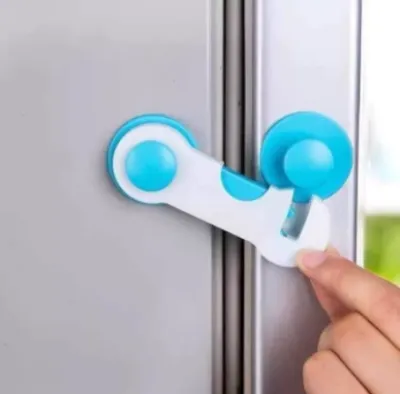
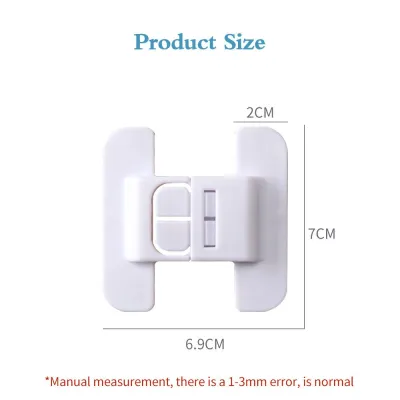
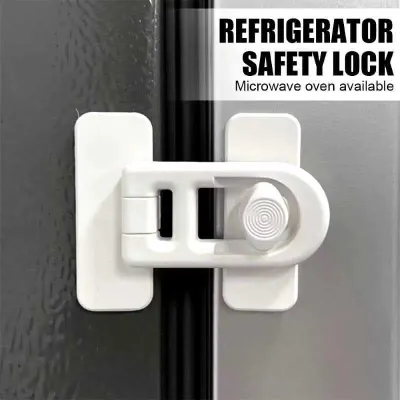
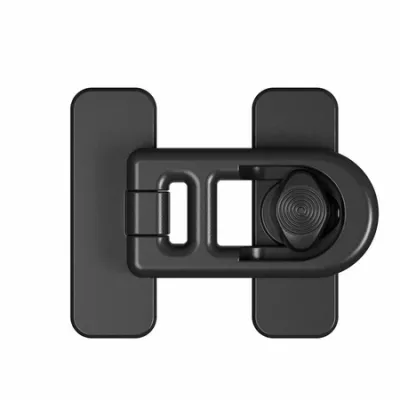
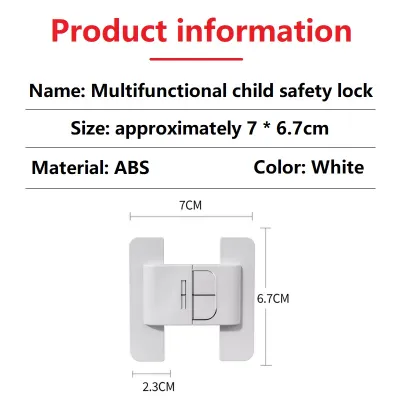
Prices are valid at publication and may change. Please refer to the product page for the latest price.
Installation mechanisms generally fall into two categories: adhesive-mounted and screw-mounted locks. Adhesive-mounted locks are highly popular because they do not require drilling into wooden, metal, or PVC doors, making them ideal for rental properties. However, their holding power depends entirely on the quality of the adhesive tape and the preparation of the door surface. Screw-mounted locks offer maximum physical security and are virtually immune to humidity, but they leave permanent holes and are not suitable for glass or thin hollow-core doors.
Finally, always verify the manufacturer’s age and weight recommendations. Most plastic childproofing locks are designed for children under two years of age. As toddlers grow, their physical strength and problem-solving skills increase. If your child has reached a stage where they can manipulate complex toys or exert significant force, a simple plastic lock may no longer be sufficient, and you will need to transition to more robust security measures or active supervision.
Common Types of Plastic Door Locks and Their Use Cases
Securing your home requires matching the lock mechanism to the specific style of door handle and frame. A lock that works perfectly on a bedroom lever handle will be completely useless on a sliding glass patio door or a round wooden doorknob. Understanding the distinct categories of plastic locks allows you to select the most effective barrier for each entryway.

Lever Handle Locks and Doorknob Covers
Lever handle locks are designed to prevent the handle from being pushed down. They typically feature two adjustable arms that hug the lever, blocking its downward movement. To open the door, an adult must press release buttons on the sides of the lock to swing the arms out of the way. When selecting a lever lock, look for models that require a simultaneous press-and-turn or press-and-slide motion, as simple push-buttons can sometimes be figured out by observant toddlers.
Round doorknobs require a different approach, usually in the form of a plastic doorknob cover. These covers encase the entire knob, spinning freely when a child tries to turn them. To open the door, an adult must insert their thumb and forefinger through designated holes in the cover to grip the actual metal knob underneath and turn it. When evaluating these covers, check the plastic’s texture; a glossy, slippery surface prevents the child from gaining traction, while a matte or textured grip area helps adults operate the knob easily.
Both lever locks and doorknob covers have physical limitations. Lever locks require a flat surface around the handle base for proper adhesive attachment; if your door has decorative molding, tight clearances near the frame, or an oversized handle plate, the lock may not fit. Similarly, doorknob covers are designed for standard-sized round knobs. If your home features oversized, oval, or highly decorative brass knobs, standard plastic covers may not close securely or may fail to spin freely, rendering them ineffective.
Top-Mounted Locks and Sliding Door Latches
When handle-mounted locks are not compatible with your doors, or if your child is exceptionally clever at bypassing them, top-mounted locks offer an excellent alternative. These locks sit at the very top edge of the door, sliding over the frame to prevent the door from swinging open. Because they are positioned high above the floor, they are completely out of a toddler’s reach and sightline, eliminating the risk of the child tampering with the mechanism.
Sliding doors, which are common in modern condominiums and homes opening to patios, require specialized sliding door latches. These plastic locks feature folding wings or pop-up barriers that stick directly onto the glass or frame. When the wings are flat, the door slides freely over them; when the wings are popped up, they block the door from sliding past. For these latches to work, you must carefully measure the track clearance—the gap between the sliding glass panel and the stationary panel—to ensure the folded lock does not get stuck or peeled off when the door is opened.
While top-mounted and sliding door locks are highly effective, they come with trade-offs. Top-mounted locks require adults to reach high up every time they enter or exit, which can be inconvenient for shorter family members or when carrying items. Sliding door latches, being adhesive-based and mounted on glass, are highly visible and can detract from the clean look of your home. Additionally, installing top-mounted locks on tall doors may require a step stool, making the initial setup more labor-intensive.
Pre-Purchase Checklist: Measuring and Matching Your Doors
Before purchasing any plastic door locks from online marketplaces or local baby stores, you should conduct a thorough audit of your home’s doors. Start by measuring the thickness of each door panel, as some top-mounted locks only fit standard interior doors. For round knobs, measure the diameter at the widest point to ensure the plastic cover can fully close around it. For lever handles, measure the distance between the handle and the door frame to ensure there is enough clearance for the lock’s blocking arms to swing open without hitting the jamb.
Next, identify the surface material of your doors. Painted wood, varnished timber, aluminum, glass, and PVC all react differently to adhesives. High-bond acrylic adhesives stick exceptionally well to smooth, non-porous surfaces like glass and metal, but they can struggle on rough, unvarnished wood or highly textured paint. If your doors are painted, check the quality of the paint; if the paint is old, peeling, or was applied without a proper primer, the adhesive may pull the paint right off the wood when subjected to a toddler’s tugging, causing the lock to fail.
Finally, inspect the doors for existing structural issues. Check for loose hinges, misaligned frames, or warped wood caused by seasonal humidity changes. A door that does not close flush within its frame will put constant lateral pressure on any installed lock, leading to premature wear of the plastic components or rapid degradation of the adhesive. Address these structural issues first—such as tightening loose screws or sanding down swollen edges—before attempting to install any childproofing hardware.
Installation, Maintenance, and Safety Boundaries
Proper installation is critical to the performance of any adhesive-based plastic door lock. Begin by thoroughly cleaning the mounting area with isopropyl alcohol to remove dust, grease, and fingerprint oils. Avoid using household glass cleaners or multi-surface sprays, as they often leave behind a thin residue that prevents the adhesive from bonding fully. Once the surface is completely dry, peel the backing tape, press the lock firmly against the door for at least thirty seconds, and allow the adhesive to cure undisturbed for twenty-four hours before testing or using the lock.
In the tropical climate of the Philippines, high humidity and indoor heat can slowly weaken adhesives and degrade plastic over time. Establish a routine inspection schedule, checking all childproofing locks at least once a month. Gently wiggle the locks to ensure the adhesive backing is not lifting at the edges, and inspect the plastic body for signs of stress whitening, hairline cracks, or stiffness. Pay close attention to moving parts, such as hinges and spring-loaded buttons, to ensure they still operate smoothly without sticking.
You must replace a plastic lock immediately if you observe any cracking, warping, or repeated adhesive failure. Attempting to reattach a fallen lock with standard household glue or double-sided tape is highly discouraged, as these temporary fixes rarely match the strength of the original manufacturer-applied adhesive. If a particular door is opened frequently or subjected to heavy pulling, and adhesive locks continue to fail, it is time to transition to a screw-mounted hardware lock or a different childproofing strategy.
There are clear safety boundaries where DIY plastic locks should not be used. Do not install plastic locks on heavy exterior doors, fire-rated doors, or doors leading to high-risk areas like swimming pools or steep outdoor staircases. These areas require heavy-duty, key-operated metal locks or professional-grade security hardware. If you have glass doors or complex sliding systems, consult a qualified professional installer to avoid cracking the glass or damaging expensive track mechanisms during installation.
Frequently Asked Questions (FAQ)
Can plastic door locks damage painted doors or wood finishes?
Yes, adhesive-mounted plastic locks can damage paint or wood finishes, particularly if the paint is old, poorly bonded, or if the wood underneath is unsealed. The risk of damage increases with the strength of the adhesive and the length of time the lock remains installed. To minimize this risk, ensure the paint is fully cured before installation, and never apply heavy-duty adhesives to delicate wallpaper or antique wood finishes.
When it is time to remove the lock, do not pry it off forcefully, as this will almost certainly tear the paint or splinter the wood. Instead, use a hair dryer on a low-heat setting to gently warm the adhesive backing, which softens the bond. Once warmed, slowly peel the lock away from the surface. Any remaining sticky residue can be safely dissolved using a small amount of baby oil, eucalyptus oil, or a dedicated adhesive remover applied to a soft microfiber cloth.
Are plastic locks sufficient for exterior doors or heavy-duty security?
No, plastic childproofing locks are strictly designed to deter toddlers and are not suitable for exterior doors or heavy-duty home security. The structural limits of plastic mean it cannot withstand the force of an adult intruder, severe weather conditions, or determined physical impact. Using a plastic lock as a primary security measure on an entry door poses a significant safety risk to your household.
Exterior doors require robust metal hardware, such as deadbolts, mortise locks, or heavy-duty security chains, which must be professionally installed. These systems are designed to resist forced entry and withstand environmental exposure. Plastic childproofing locks should only be used as secondary, temporary measures on interior doors to guide your child’s movement within the safe zones of your home.
Community discussion
Share your experience or ask a question. Comments are reviewed before publication.